What “Slower” Actually Means in Practice
Table of Contents
A slow trip isn’t really about mindset. It’s about how the place is set up. Hotels are built around schedules. There’s a checkout time. A breakfast window. A lobby full of people on their way somewhere. Even when you’re trying to relax, there’s a built-in sense that the clock is running.
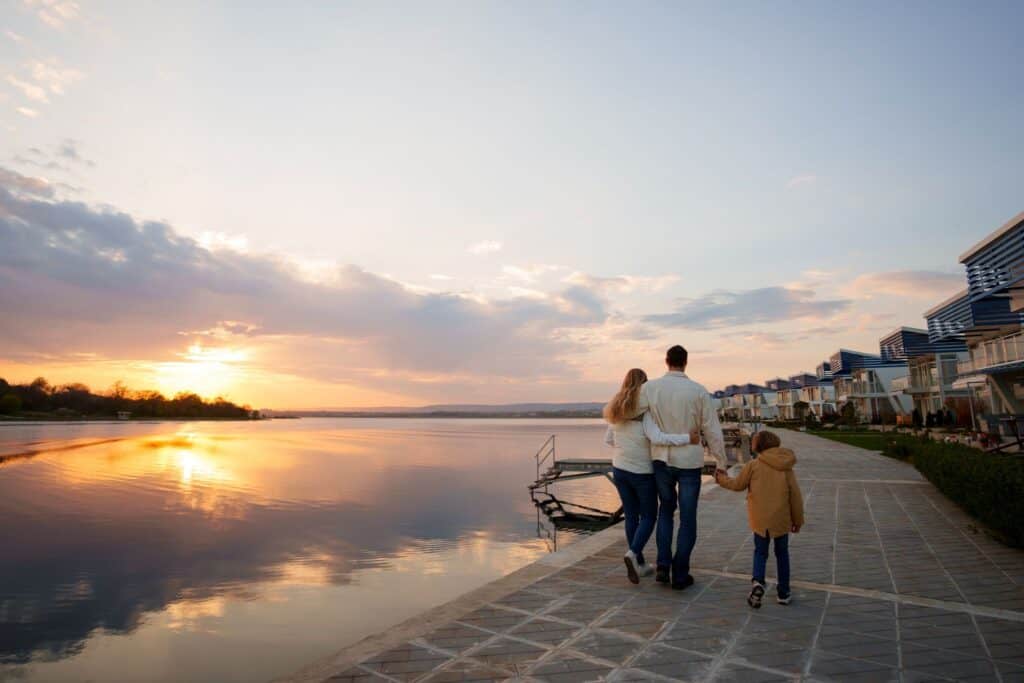
Rentals cut all of that out. You wake up at 9 am, make coffee, and step onto the dock in your pajamas. Nobody is cleaning around you or asking you to clear your table. There’s no front desk to check in with and no shuttle to catch.
The day stays genuinely open. You don’t have to fill it to feel like you’re getting your money’s worth. You can sit on the porch for an hour watching the water and call that the morning.
No itinerary means no pressure. And when there’s no pressure, rest happens naturally. That’s harder to get in a typical hotel weekend.
Space Changes How You Relax
A hotel room is mostly just for sleeping and storing your bags. A lakefront rental gives you a kitchen, a porch or deck, outdoor access, and usually more than one room. That extra space changes the whole day’s feel. You can cook a big breakfast and leave the dishes in the sink. You can sit outside for two hours doing nothing. You can spread out without constantly bumping into each other.
There’s also something about having a defined indoor and outdoor space that makes a difference. You move between them naturally. You eat inside, then take your coffee out. You swim, come back, and dry off on the deck. It doesn’t take any effort to settle into a routine like that.
For families, space matters even more. Take a family of four. Booking two hotel rooms costs more than most people expect. A rental fits everyone in one place, usually for the same price or less, and you’re not constantly on top of each other.
Privacy matters too. You don’t have to whisper or worry about people next door. Kids can be loud. Adults can stay up late on the porch. No one’s getting shushed in a hallway. And for groups, being in the same space instead of splitting into separate rooms just makes the trip feel different.
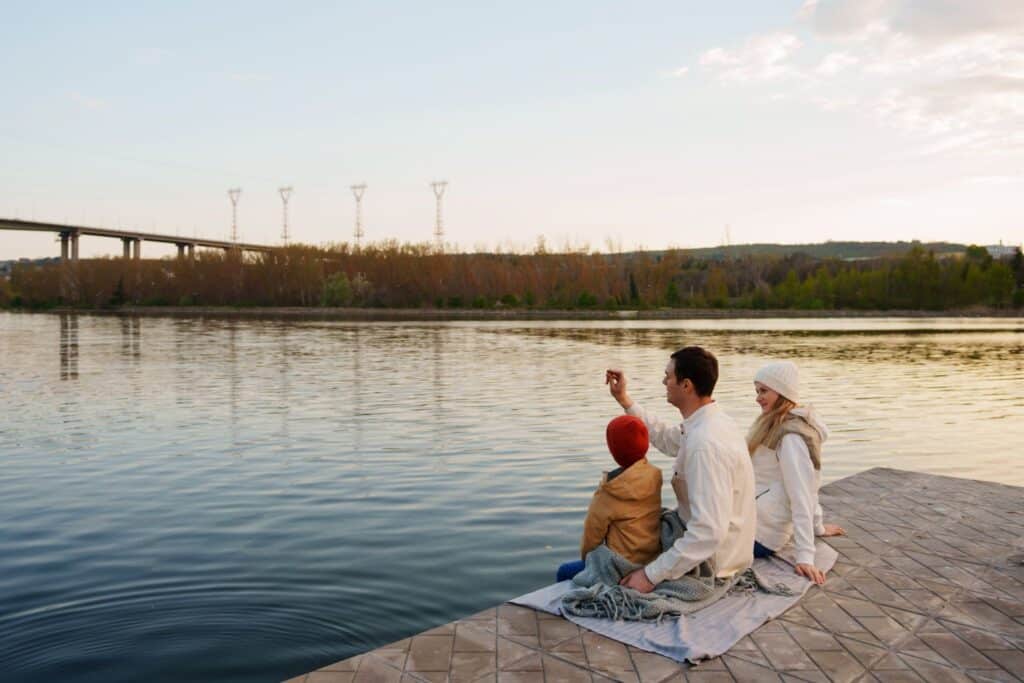
The Lake Itself Is the Activity
Being near a lake and being on a lake are two completely different trips. A hotel a short drive from the water sounds fine at first, until you realize you have to pack up every time you want to swim. You end up dealing with parking, crowds, and public beach hours. The spontaneity fades pretty quickly. What feels like a lake trip starts to feel like you’re just making trips back and forth to the water.
With a rental that sits right at the water’s edge, the lake is just there. You fish off the dock before breakfast. You swim whenever the mood hits. You take the kayak out at 7 am when the water is still flat, because the kayak is ten feet away and nobody’s rental schedule is involved. You can be in the water five minutes after deciding you want to be.
A place that advertises “lake views” can just mean a window facing a distant shimmer, while a real on-the-water property has a dock, shoreline, and direct access. When browsing lakefront vacation rentals, it helps to look beyond the photos and focus on the details in the listing. The ones that clearly explain dock access, shoreline conditions, and water depth are usually the ones that actually deliver the experience you’re expecting.
A few things worth checking before you commit: whether the dock is private or shared, how clear the water is (reviews usually mention this), and whether the lake allows motorised boats. Some lakes are quiet by rule, which is either a selling point or a dealbreaker depending on what you’re planning.
The payoff for doing that research is real. When you get the right property, the lake stops being a destination and starts being part of your daily routine, which is exactly what makes these trips feel different from everything else.
The Practical Side People Don’t Always Think About
One of the quieter advantages of a rental is the kitchen. Eating out every meal adds up quickly, especially in rural lake areas where your options might be one diner and a pizza place with limited hours. Being able to cook means you do a grocery run on day one and spend the rest of the trip eating on your own schedule. Coffee whenever you want it. Dinner at 5 or 9. Snacks on the dock without having to go find anything.
Longer stays work better, too. A three- or four-night rental feels more worth it than a hotel stay, mainly because you actually settle in. You stop living out of your bag. By day two, it starts to feel less like a trip and more like a temporary version of normal life. And that’s usually what people were looking for anyway.
The cost usually works out better if you stay longer. Split across four or five people, a rental that sleeps eight is often cheaper per person than hotel rooms, and that’s before you even think about eating out less.
Who Does This Kind of Trip Actually Suit
This type of trip isn’t for everyone. If you want room service, a bar downstairs, daily housekeeping, and someone else to handle everything, a hotel is the better fit. Some trips are better when they’re handled for you.
Lakefront rentals work well for couples who want actual quiet, families with kids who need room to move around, remote workers taking a working vacation with reliable Wi-Fi and no open-plan office noise, and small groups who want to split costs and share a real space instead of a cluster of separate rooms.
They also suit people who find that standard vacations leave them more tired than rested. If you’ve come back from a trip thinking you needed another trip to recover, the issue might be the format more than the destination.
The trade-off is simple. You give up hotel convenience and get something that feels more like being somewhere than passing through. You handle the groceries and the cooking. In return, the trip actually feels like yours.
Conclusion
The slowness that comes with a lakefront rental isn’t a side effect; it’s the whole reason to choose one.
No checkout pressure. No dining windows. No itinerary that has to justify itself. Just a dock, a kitchen, a view of the water, and time that’s actually yours to use however you want.
That kind of trip takes a little more planning upfront. You have to pick the right property, check the right details, and stock the fridge yourself. But once you’re there, the return on that effort tends to be significant.
It’s harder to find than it sounds, and that’s why the right rental tends to be remembered long after the trip ends.
Thanks for taking the time to read this article. I hope this post has given you the information you need. If you have any recommendations, tips or advice, I would love for you to share them in the comment section below!
This post may contain affiliate links, meaning we may receive a commission at no extra cost if you purchase through a link. Please see our full disclosure for further information.
Check out my Instagram page or join the Truly Expat Facebook group.
Running this blog takes a lot of coffee (and countless hours exploring every destination!). If you found this helpful and want to support more honest, detailed travel guides and itineraries, you can buy me a coffee. No pressure though – I’m just happy you’re here and hope you have an incredible adventure! 🙂

Latest Articles
- Nar Phu Trek and Annapurna Circuit Trek: Two Himalayan Routes, One Deeper Journey
- A Guide to Himalayan Adventures in Nepal: Trekking, Helicopter Tours and Peak Climbing
- Annapurna Circuit Trek: What to Expect?
- Choosing Your Himalayan Adventure in Nepal: From Remote Treks to Peak Expeditions
- Exploring the Natural Wonders of New Zealand’s South Island