Affiliate Disclosure: This post contains affiliate links. If you book through them, I may earn a small commission at no extra cost to you — this helps me keep creating free, detailed travel guides. I only recommend services and products I genuinely use and trust after years of travel across Asia.
Jeju Island genuinely surprised me. I expected a pleasant South Korean beach destination and found something far more interesting — a volcanic island packed with UNESCO World Heritage sites, ancient lava tubes, legendary female free-divers, and some of the best food I have eaten anywhere in Asia. If you are trying to decide whether Jeju deserves a place on your itinerary, the answer is a clear yes. Here is everything worth doing, and nothing that is not.
However, if you would like more information on other places in South Korea – you could start building your itinerary here – 5 Day Seoul Itinerary for first timers.
Things to do on Jeju Island
Watch the Sunrise at Seongsan Ilchulbong
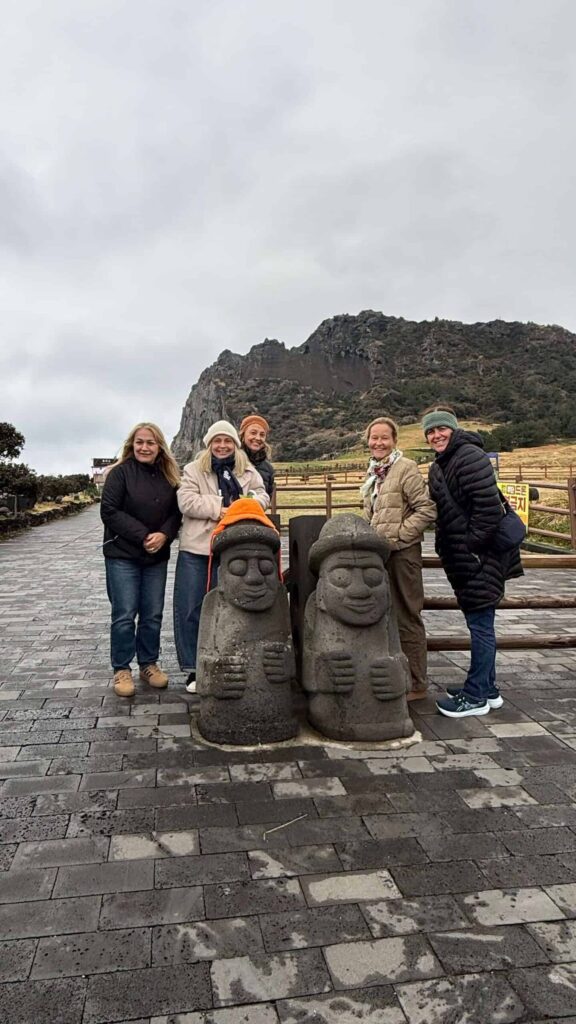
This UNESCO-listed volcanic crater rising straight from the sea on Jeju’s eastern tip is as dramatic as it looks in photos — possibly more so in person. The trail to the top is short but steep, and arriving before sunrise means you will have the views mostly to yourself. Wear layers; the wind at the top is no joke.
👉 Book a Private tour to plan your own itinerary, do not forget to add Seongsan Ilchulbong at sunrise to the agenda.
Hike Hallasan — South Korea’s Highest Peak
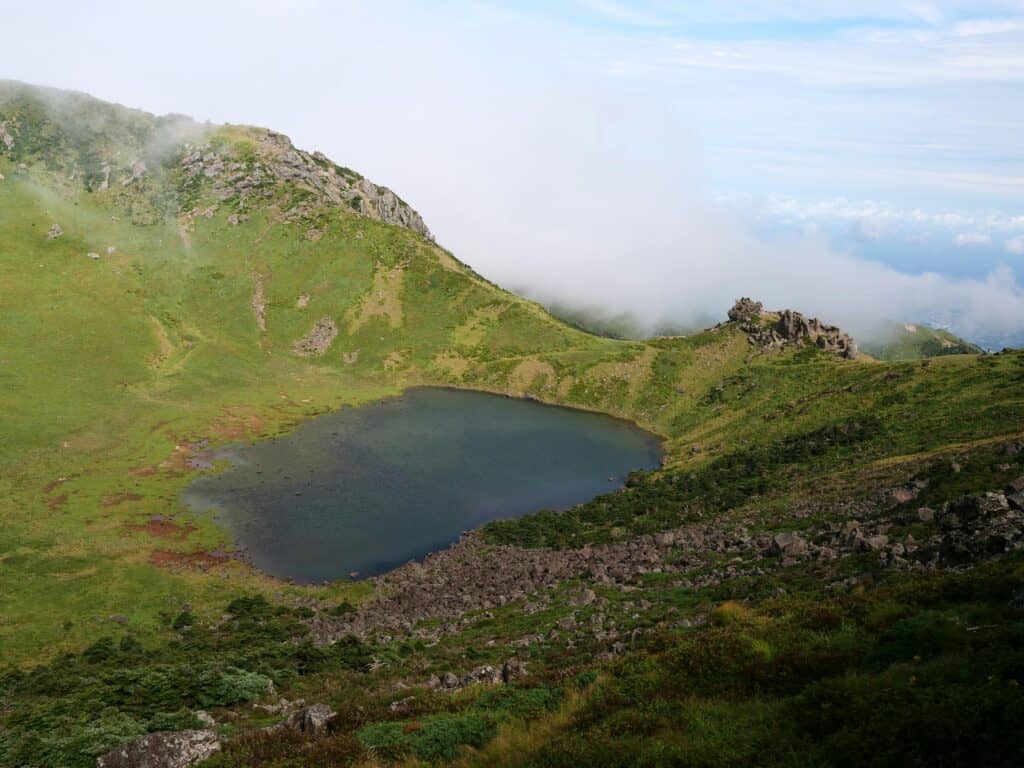
Hallasan is a dormant volcano sitting at the heart of the island, and it shapes everything about Jeju — the landscape, the weather, even the local culture. You do not have to summit it (the upper trails close regularly due to weather), but walking the lower forest routes is beautiful and worth the effort. Go early, bring water, and check trail conditions the night before.
👉 Book a guided Hallasan hiking experience here – allow 6 hours for the journey
Walk a Stretch of the Jeju Olle Trail
The Olle Trail is a network of coastal walking routes that circle the entire island. Each “course” winds through fishing villages, past stone walls, over black lava beaches, and through farmland. You do not need to walk all of it — one or two courses gives you a genuinely authentic feel for the island that no tour bus can replicate. Course 1, starting near Seongsan, is an excellent introduction.
Explore Manjanggul Lava Tube
One of the longest lava tubes in the world and a UNESCO site, Manjanggul is extraordinary. The cave stretches for over 13km, with ceilings up to 30 metres high in places, and finishes at a large lava column that is among the most impressive natural formations I have seen. It is cool inside year-round — bring a jacket even in summer.
👉 Book a Half-Day Lava Tube Cave Tour here.
Watch the Haenyeo at Work
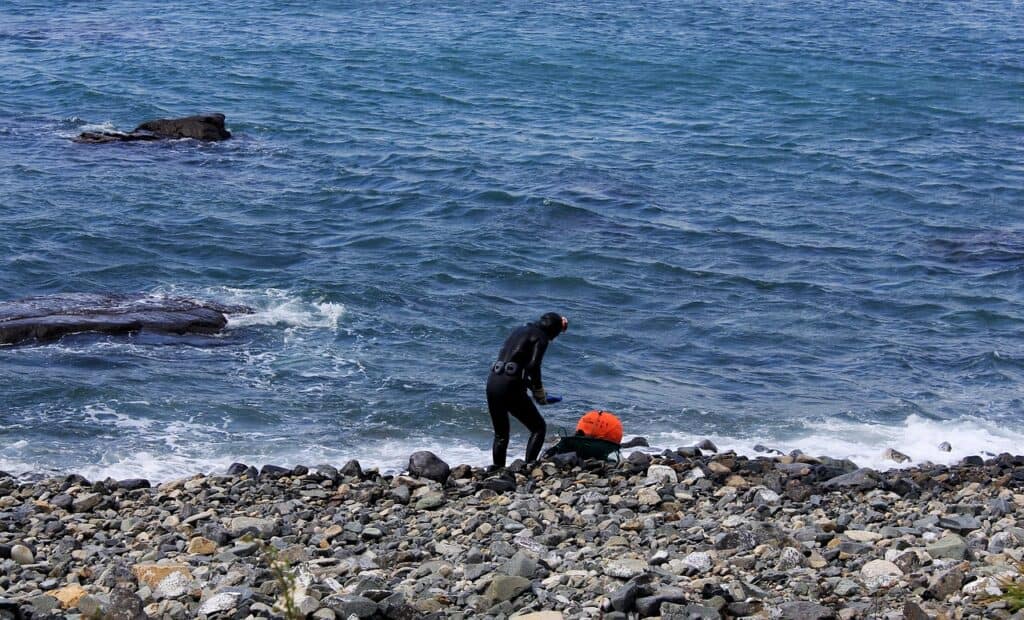
The haenyeo are Jeju’s legendary female free-divers — women who dive without oxygen equipment to harvest abalone, sea urchin, and other seafood from the ocean floor. Some are well into their seventies and eighties and have been doing this since childhood. Their culture is now UNESCO-recognised as an Intangible Cultural Heritage. Head to the Haenyeo Museum near Gimnyeong or visit Seongsan harbour early morning to see them in action. It is quietly remarkable.
Spend a Morning at Jeju Folk Village Museum
This open-air village museum recreates traditional Jeju life with genuine thatched-roof houses, fishing boats, farming tools, and demonstrations. It is well done and far more engaging than it sounds — a good way to understand what life on this island looked like before it became a tourist destination.
Hyeopjae Beach — the Most Photogenic Spot on the Island
On the west coast, Hyeopjae is widely considered Jeju’s most beautiful beach — pale white sand, shallow turquoise water, and a backdrop of green hills. It is at its best at sunset when the light turns everything golden. The water is calm and ideal for swimming in summer.
Hamdeok Beach — Turquoise Water on the North Coast
Hamdeok is the most accessible beach from Jeju City and one of the most popular on the island — for good reason. The water is a striking clear blue, the bay is sheltered, and the village behind it has good cafés and restaurants. Go early in summer to secure a good spot.
Visit the O’Sulloc Tea Plantation
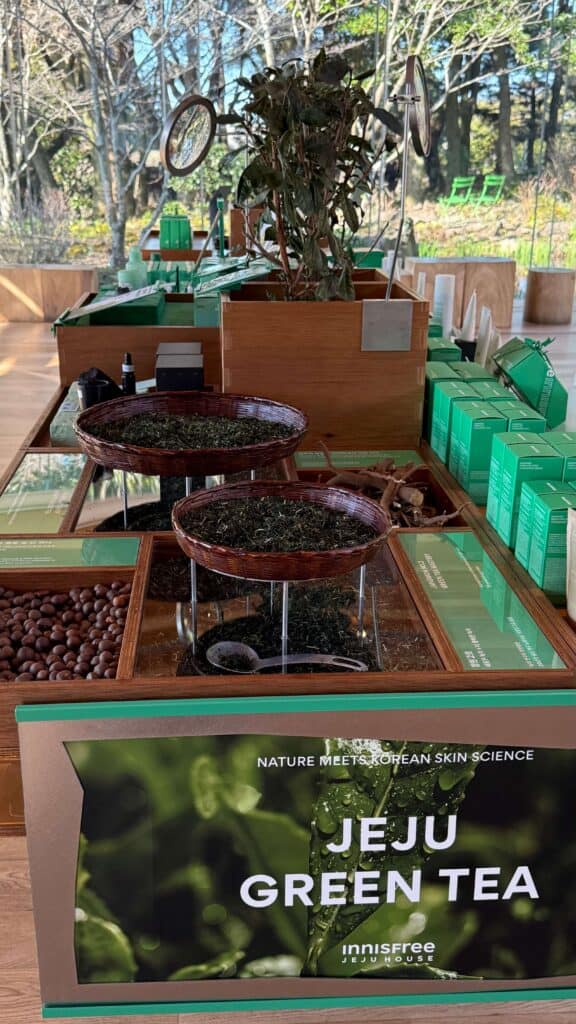
The O’Sulloc Tea Museum on the western edge of the island is one of Jeju’s most visited attractions — and it genuinely earns it. The rolling green tea fields are beautiful in any weather, and the museum gives you a proper introduction to Korean green tea culture. The tea ice cream and freshly brewed tea at the café are worth the trip alone. Entry to the museum is free.
While you are there you must visit the Innisfree Jeju House, it is right next door and you can pick up some great skincare while you are there.
Do a Day Trip to Udo Island
Udo Island is a tiny island just off the eastern tip of Jeju near Seongsan, reachable by ferry in about 15 minutes. It is quieter, more rural, and genuinely charming — peanut ice cream (a Udo speciality), small beaches, and easy cycling routes around the coastline. It makes a brilliant half-day add-on if you are already in the Seongsan area. Ferries run regularly from Seongsan Port.
👉 Book a Udo Island day trip tour.
Jeongbang Waterfall — the Only One in Asia That Falls into the Sea
Jeongbang Waterfall near Seogwipo is one of those sights that is hard to believe until you see it — a 23-metre drop straight onto the rocky coastline below, falling directly into the ocean. It is the only waterfall of its kind in Asia. Most impressive after rain. Combine it with nearby Cheonjiyeon Waterfall for a full morning out.
Eat Your Way Around the Island
Do not underestimate Jeju’s food scene. Black pork barbecue (heuk dwaeji) is the island’s signature dish — richly flavoured and best eaten at a local grill restaurant rather than a tourist spot. Hallabong (Jeju mandarin orange), raw abalone, and fresh seafood from the harbour markets are equally worth your time. Set aside at least one proper meal just for eating.
Plan Your Jeju Trip with Personalised Help
Jeju is part of South Korea, and navigating the country — from transport to accommodation — can feel overwhelming if it is your first visit. I offer personalised travel planning consultations for South Korea, tailored to your travel style, pace, and budget.
👉 Book a South Korea travel planning session, and I can help you plan out the best itinerary that suits your needs. Just email me at [email protected] to set up a call.
Browse my tried-and-tested tours and activities on my Get Your Guide storefront — every experience is Paula-approved.
Other Recommendations
- 2026 K-DRAMA Tour in Jeju New Filming Spot
- Makgeolli and Soju Brewing Experience in Jeju
- Jeju Perfume Museum One-Day Class
- Jeju HAMO Sea Walking Activities
- Jeju Haenyeo Experience
5 Questions People Actually Ask About Jeju
1. Is Jeju Island worth visiting if I have already been to Seoul? Absolutely. Jeju feels completely different to the mainland — slower, greener, more rural, with a distinct culture and history. It is not just a beach add-on; it is a destination in its own right.
2. Can I visit Jeju Island without hiring a car? You can get by using buses and taxis, but it requires patience. The public bus network covers most major sights, but frequency is low and journey times are long. Renting a car or scooter is the most practical option for getting around comfortably.
3. When is the best time to visit Jeju Island? Spring (April–May) and autumn (September–October) offer the best combination of mild weather, clear skies, and manageable crowds. Summer is warm and vibrant but humid, and typhoon season runs July through September. Winter is quiet, cool, and surprisingly beautiful — especially on Hallasan in snow.
4. How many days should I spend on Jeju Island? Three days is the bare minimum to cover the highlights without rushing. Five days is ideal and lets you explore at a comfortable pace — which is how Jeju is best experienced. See my five-day itinerary below for a full breakdown.
5. Are there any cultural customs I should be aware of? Jeju has a matriarchal cultural history, strongly tied to the haenyeo tradition. Locals are generally warm and welcoming to visitors. Basic courtesies — removing shoes before entering some spaces, greeting with a small bow — go a long way. English signage is reasonable at most tourist sites, but learning a few words of Korean is always appreciated.


Running this blog takes a lot of coffee (and countless hours exploring every destination!). If you found this helpful and want to support more honest, detailed travel guides and itineraries, you can buy me a coffee. No pressure though – I’m just happy you’re here and hope you have an incredible adventure.
 \
\
Check out Instagram page or join the Truly Expat Facebook group.
Pin It For Later
Latest Articles
- What 16 Hours to Vancouver Does to Your Skin
- Nar Phu Trek and Annapurna Circuit Trek: Two Himalayan Routes, One Deeper Journey
- A Guide to Himalayan Adventures in Nepal: Trekking, Helicopter Tours and Peak Climbing
- Annapurna Circuit Trek: What to Expect?
- Choosing Your Himalayan Adventure in Nepal: From Remote Treks to Peak Expeditions