To successfully plan a trip to Australia, you must secure an e-visitor visa, budget approximately $160 to $240 per day, and focus your journey on a specific region, like the East Coast, to manage the vast distances. Travelers should prioritize visiting between September and November to enjoy ideal weather across both tropical and temperate zones.
The dust of the Red Centre has a way of clinging to your boots long after you have left the Northern Territory. I remember sitting by a small campfire near Uluru, the silence of the desert so profound it felt like a physical weight, watching the rock shift from a fiery orange to a deep, bruised purple as the sun dipped below the horizon. Just a week prior, I had been lost in the neon buzz of Sydney’s Surry Hills, hunting for the perfect flat white in a maze of Victorian terraces. Australia is a land of impossible scales, where the ancient world and the ultra-modern don’t just coexist, they thrive together in a beautiful, chaotic harmony.
Australia is not just a destination you visit; it is a sprawling, sun-drenched epic that you experience with every fiber of your being.
In this guide, we will navigate the complexities of the Land Down Under, providing you with a roadmap that balances iconic landmarks with the raw, untamed spirit of the bush.
Once your paperwork is sorted, you’ll want to start planning your bucket-list moments. For first-time visitors, witnessing the desert sunset is a must-do; check out the best activities to try in Uluru to add some genuine outback magic to your itinerary.

Step 1: Handling the Travel Paperwork
Before you start packing your sunscreen, you have to deal with the boring but important stuff: getting into the country. Australia is an island nation that takes its borders very seriously.
- Getting Your Visa: Most tourists need to apply for an eVisitor (subclass 651) or an Electronic Travel Authority (subclass 601) online before they fly.
- The Biosecurity Rules: Australia has very strict laws about what you can bring in. Whether it is a piece of fruit from the plane or a wooden souvenir, you must declare it to the officers. If you forget, you might get a very expensive fine right there at the airport.
If you’re looking to stretch your dollar further, regional Australia offers incredible value compared to the big cities. Take a look at our 8-Day Heritage Road Trip from Melbourne to Sydney for a budget-friendly inland route packed with charming country towns.
Step 2: Planning Your Money and Budget
Australia is a high-cost destination, so it is smart to have a clear idea of what things cost. On average, a mid-range traveler will spend between $160 and $240 in Australian dollars every day.
Estimated Daily Costs
| Expense | Average Cost (AUD) | How to Save |
| A Place to Stay | $150 – $250 | Book “serviced apartments” so you can cook your own meals. |
| Food and Coffee | $60 – $90 | Try the famous “Aussie Brunch”; it is high-quality and very filling. |
| Buses and Trains | $10 – $25 | Use an Opal card in Sydney or a Myki card in Melbourne for lower fares. |
Step 3: A Perfect 14-Day Trip Plan
Since the country is so big, trying to see everything in one trip is impossible. Sticking to the East Coast is the best way to see the highlights without spending all your time on a plane.
Days 1–5: Sydney and the Blue Mountains
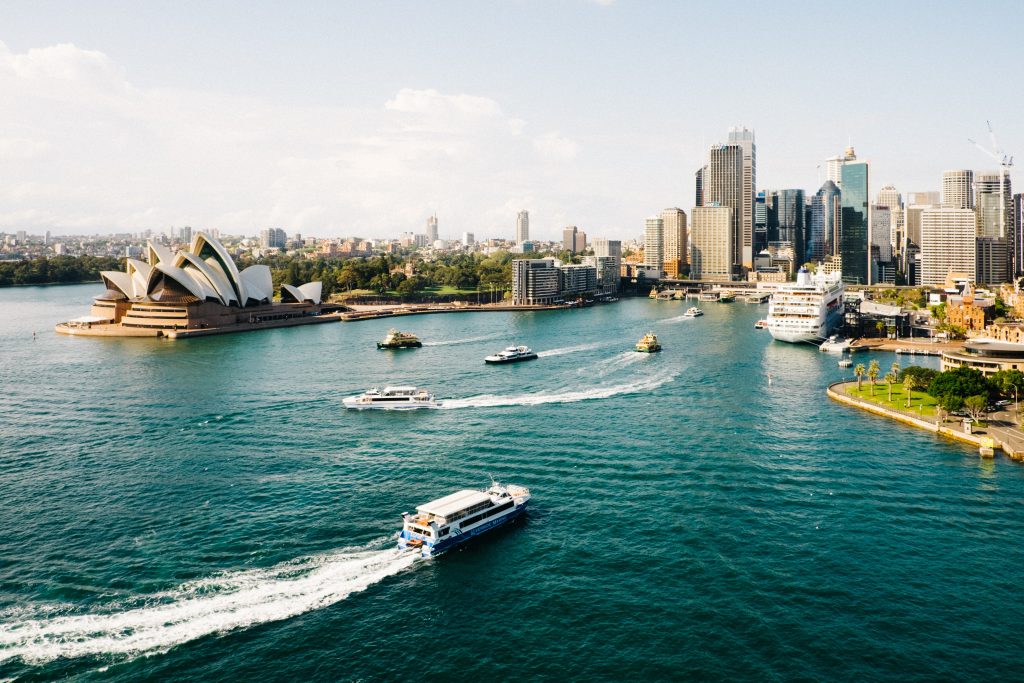
Start your adventure in Sydney. You cannot miss the coastal walk from Bondi Beach to Bronte Beach; the views of the blue Pacific Ocean are amazing. After exploring the city, take a train out to the Blue Mountains. The air there is cool and fresh, and the eucalyptus trees give the mountains a beautiful blue colour.
While you are walking through neighbourhoods like Newtown or Glebe, you will see a lot of international students enjoying the lifestyle. Many people enjoy the academic vibe and high standard of living so much that they start asking about Australia’s study options so they can find a way to live and learn in this beautiful environment.
Days 6–10: Cairns and the Great Barrier Reef
Next, take a flight up north to Cairns. This is the best place to see the Great Barrier Reef. To see the best coral and fish, try to find a boat that goes to the “outer reef,” where fewer people go. You should also spend a day in the Daintree Rainforest, which is the oldest rainforest in the world.
Days 11–14: Melbourne and the Great Ocean Road
Finish your vacation in Melbourne, the capital of art and coffee. Rent a car and drive down the Great Ocean Road to see the Twelve Apostles, giant rocks that stand in the middle of the ocean. On your last night, explore the hidden narrow streets (called laneways) in Melbourne to find the best food and street art.
Step 4: Staying Safe and Healthy
Australia is a safe country, but nature can be a bit tough if you aren’t prepared.
- Sun Protection: The sun in Australia is very strong. You can get a sunburn in just 15 minutes. Always wear SPF 50+ sunscreen, a hat, and sunglasses.
- The Animals: Don’t believe all the scary stories you see online. Most animals, like snakes and spiders, stay away from people. If you are walking in the woods, just stay on the paths, and you will be perfectly safe.
- Drinking Water: You don’t need to buy bottled water. The tap water in Australia is safe and very clean to drink.
Conclusion
Planning a Trip to Australia? Complete Travel Guide with Costs, Tips & Itinerary is all about balance. It takes a bit of work to handle the flights and the budget, but the payoff is worth it. Whether you are diving in the tropical reef or drinking a coffee in a busy city, Australia is a place that will give you memories for a lifetime.
Frequently Asked Questions
What is the most cost-effective way to manage currency exchange while traveling in Australia?
Using a travel card or a local bank card with low international transaction fees is generally more efficient than carrying large amounts of cash, as digital payments are the standard across almost all Australian businesses.
How does the Australian tipping culture impact the overall travel budget?
Unlike in many other Western countries, tipping is not mandatory or expected in Australia because service staff are paid a fair living wage, which means the price you see on the menu is exactly what you pay.
Are there specific legal requirements for international visitors planning to drive?
Travelers must hold a valid driver’s license in English; however, if your license is in another language, you must carry an official translation or an International Driving Permit while staying on the left side of the road.
What are the key safety protocols for swimming at Australian beaches?
To stay safe from strong currents and rips, always swim at patrolled beaches between the red and yellow flags, as these areas are constantly monitored by professional lifeguards.
Is the tap water safe for consumption in all major Australian regions?
Yes, Australia maintains some of the highest water quality standards in the world, making tap water perfectly safe and healthy to drink in all cities and major regional towns.
Thanks for taking the time to read this article. I hope this post has given you the information you need. If you have any recommendations, tips or advice, I would love for you to share them in the comment section below!
This post may contain affiliate links, meaning we may receive a commission at no extra cost if you purchase through a link. Please see our full disclosure for further information.
Check out my Instagram page or join the Truly Expat Facebook group.
Running this blog takes a lot of coffee (and countless hours exploring every destination!). If you found this helpful and want to support more honest, detailed travel guides and itineraries, you can buy me a coffee. No pressure though – I’m just happy you’re here and hope you have an incredible adventure! 🙂

Latest Posts
- What 16 Hours to Vancouver Does to Your Skin
- Nar Phu Trek and Annapurna Circuit Trek: Two Himalayan Routes, One Deeper Journey
- A Guide to Himalayan Adventures in Nepal: Trekking, Helicopter Tours and Peak Climbing
- Annapurna Circuit Trek: What to Expect?
- Choosing Your Himalayan Adventure in Nepal: From Remote Treks to Peak Expeditions