Let’s be honest. New Zealand’s South Island is kind of ridiculous. In a good way. The landscapes are all over the place. Dramatic scenery pretty much everywhere you look. And tons of outdoor spaces to explore. You’ve got snow-capped mountain ranges. Crystal-clear alpine lakes. Then coastlines, forests, and wide-open plains. All squeezed into a fairly compact area. Crazy, right? Once you get to know the main regions and spots, it clicks. You’ll see just how varied the island really is. And why it pops up in so many New Zealand travel plans.
The Geography of the South Island
In This Guide
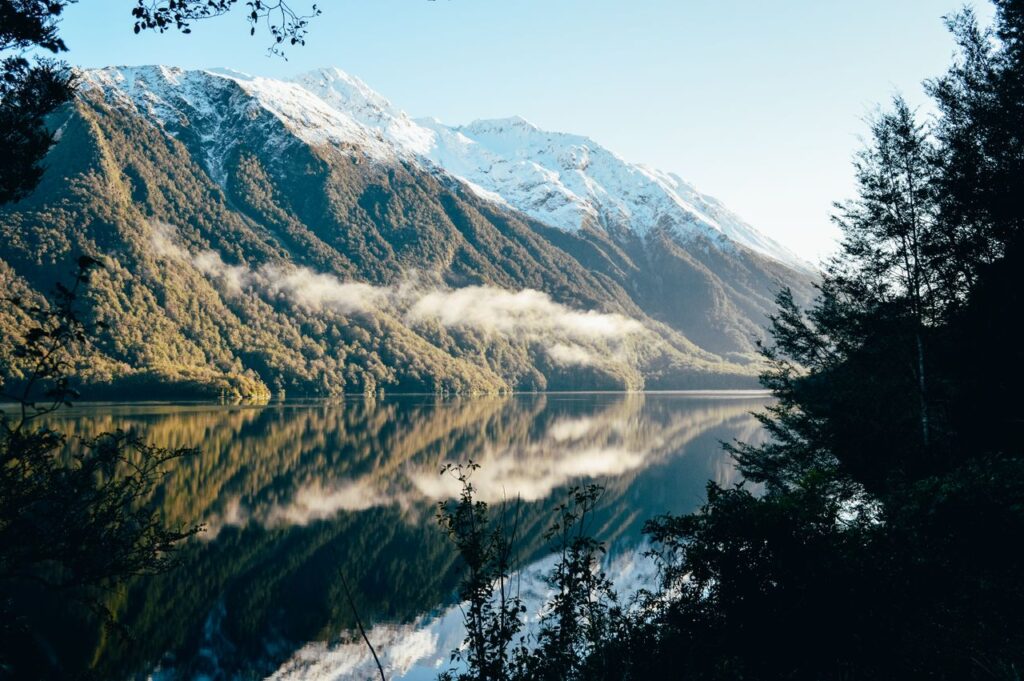
Quick geography lesson first. Don’t worry, it’s painless. The South Island is the bigger of New Zealand’s two main islands. By land area, anyway. Fewer people live here than on the North Island, though. The big star? The Southern Alps. That mountain range runs along a huge chunk of the island. And Aoraki/Mount Cook sits right in there. That’s New Zealand’s highest mountain, by the way.
Those mountains mess with the weather. Big time. They split the island into two pretty different sides. The West Coast gets soaked. Seriously, loads of rain. So you get thick forests and rivers everywhere. Parts of the east side? Way drier. Those contrasts are exactly why the island looks so different from place to place.
Queenstown and the Southern Lakes
Queenstown sits right on Lake Wakatipu. Mountains all around it. Not a bad view, huh? It’s basically an outdoor playground, all year round. Warmer months? You can go hiking, cycling, boating, or just sightseeing. Winter rolls in, and it’s snow time. Nearby alpine areas open up for snow-based fun. Weighing up your ski options? See how it compares with Whistler in winter or Japan’s Hakuba.
The Southern Lakes region has more gems, too. Like Wanaka and Te Anau. Lake Wanaka’s wrapped in mountains. And yeah, the setting’s gorgeous. Te Anau? That’s your go-to base for exploring Fiordland. Looking into new zealand south island tours? Oh, you’ll bump into these places a lot. Why? They open the door to all kinds of landscapes. And plenty of outdoor experiences, too.
Fiordland and Milford Sound
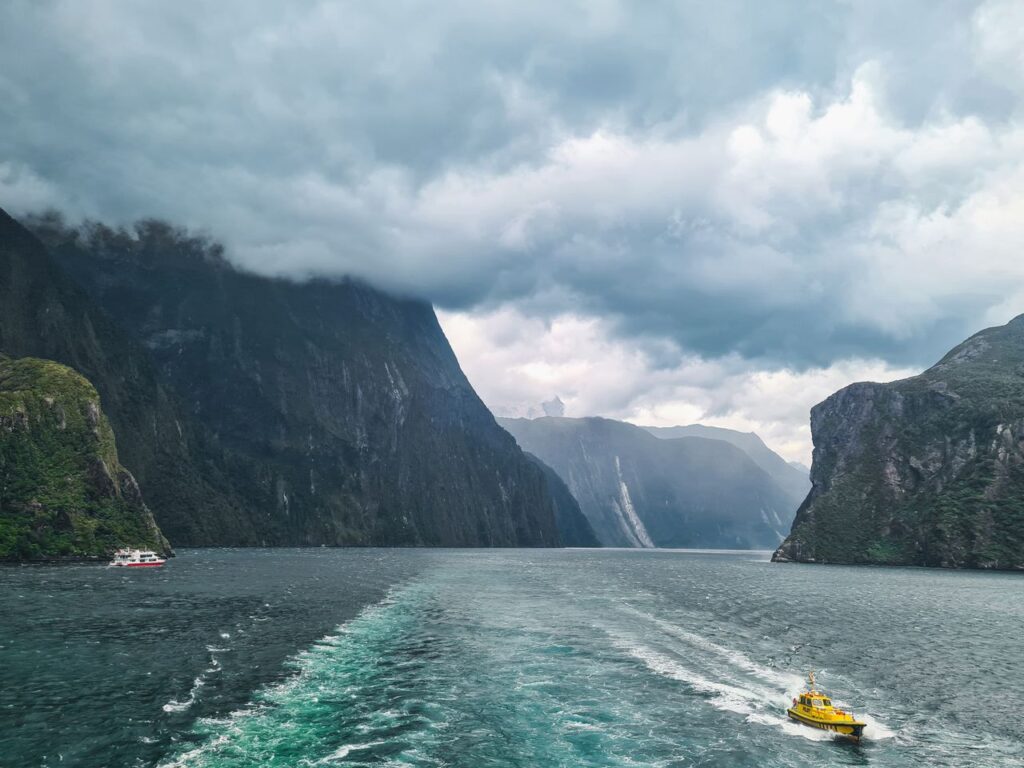
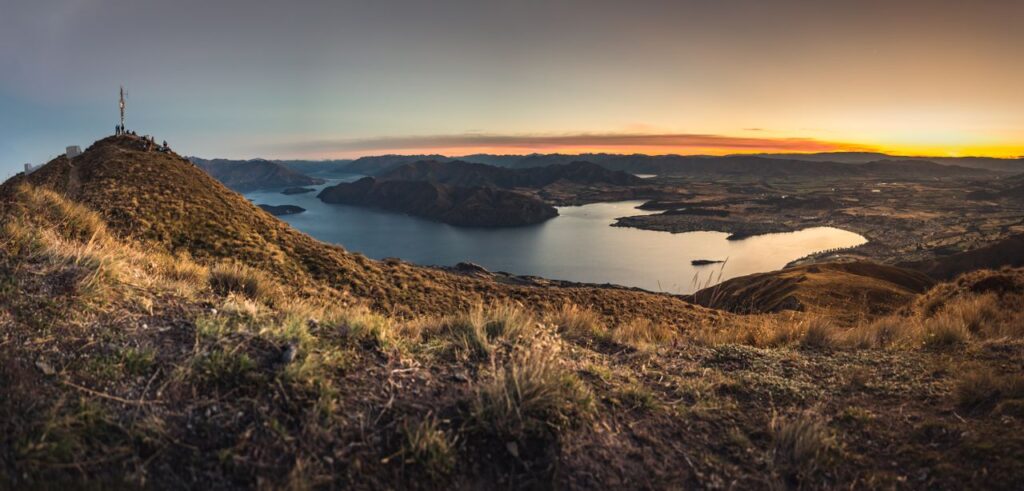
Fiordland National Park covers a massive stretch of the island’s southwest. Think steep mountains and deep valleys. Native forests, lakes, and waterways. It rains a ton here. Like, a lot. And that’s why waterfalls and streams are everywhere.
Then there’s Milford Sound. Its Māori name is Piopiotahi. It’s one of Fiordland’s most famous natural spots. Here’s a fun twist, though. It’s not actually a sound. It’s a fiord. Glaciers carved it out over a really long time. The cliffs shoot straight up out of the water. And the whole scene? It looks totally different depending on the weather.
You can check it out in a bunch of ways. Cruises. Walking routes. Scenic flights. Other kinds of sightseeing, too. Just a heads-up, though. Fiordland weather flips fast. Like, really fast. So come prepared when planning your time there.
Aoraki/Mount Cook and the Alpine Environment
Aoraki/Mount Cook National Park is home to some of New Zealand’s highest peaks. Glaciers, too. It’s a big deal for all sorts of stuff. Mountaineering and hiking. Astronomy. Even scientific observation.
The Hooker Valley Track is one of the better-known walks here. And it’s a good one. You get mountain views. Glacial landscapes. Waterways, too. Best part? No fancy mountaineering skills needed. Easy. Want something tougher? There are harder routes as well. Conditions can change with the season and weather, though. So keep that in mind.
Lake Tekapo’s right nearby. And it’s another must-see. Ever wonder why it’s that wild turquoise colour? Tiny rock particles, floating in the water. People call it glacial flour. Pretty cool, right? The area’s also famous for super clear night skies. It’s part of the Aoraki
Christchurch and the Canterbury Plains
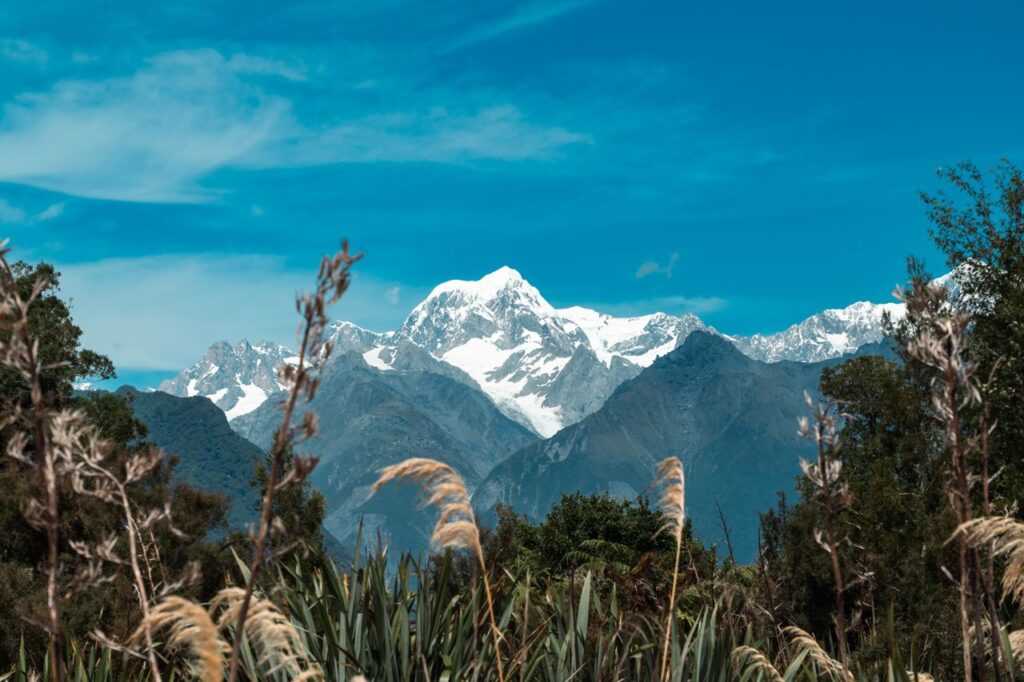
Christchurch is the biggest city on the South Island. It’s a major hub for transport. And for culture, too. From the city, you can reach the Canterbury Plains. They stretch all the way from the Southern Alps to the Pacific Ocean.
Canterbury’s got a strong farming vibe. Loads of farmland. Plenty of rural communities. Christchurch itself mixes city stuff with green spaces. Parks and gardens. Museums. Plus easy access to nearby coast and mountains.
The West Coast and Glacier Country
The West Coast feels like a different world. Totally unlike the drier east. Dense native forests take over. Rugged coastline, rivers, and mountains fill in the rest.
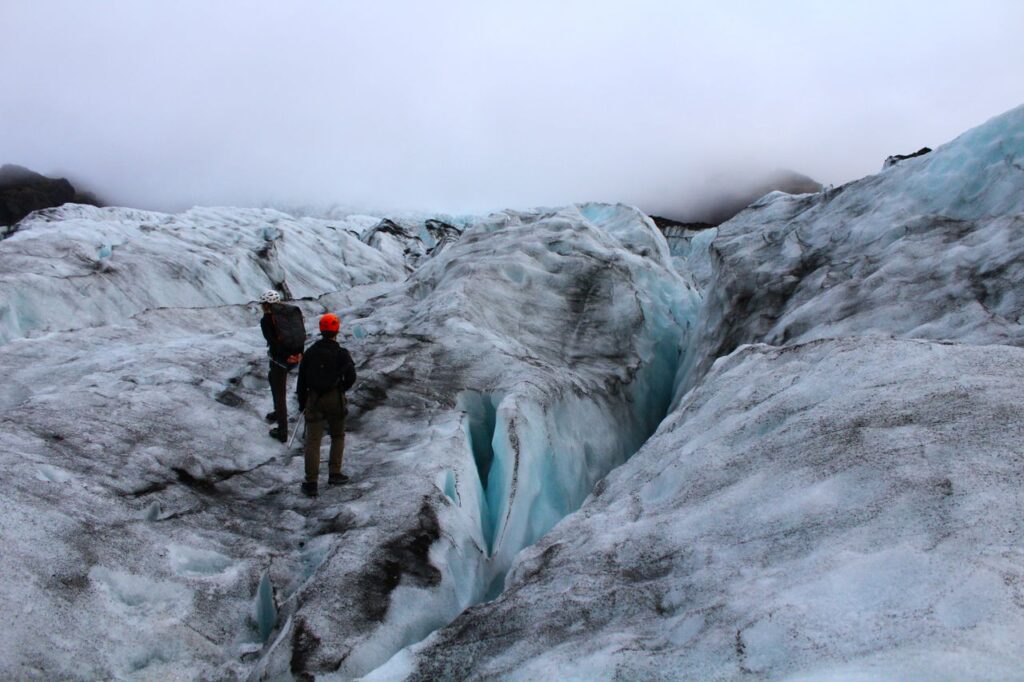
Franz Josef and Fox Glacier are the big names here. Everyone’s heard of them. But glaciers don’t sit still, you know. Their size can shift over time. How easy they are to reach, too. Climate and environmental conditions change them. So follow the local safety info. And stick to the marked access routes near glacier areas. Don’t wing it.
Dunedin and the Otago Peninsula
Dunedin’s down in the island’s southeast. It’s got its own unique culture. Its own look, architecture-wise, too. Right next door is the Otago Peninsula. Coastal habitats everywhere. And it’s known for wildlife.
Depending on the season and where you go, you might spot some locals. Seals and sea lions. Penguins, even. All kinds of seabirds, too. The peninsula shows something pretty neat. New Zealand’s wild side can sit right next to towns and cities.
Planning a South Island Journey
Oh, and here’s a sneaky one. Distances on the South Island look short on a map. In real life? Not so much. Mountain roads. Winding routes. Weather. All those stops for photos. They can stretch your travel time a lot. So give yourself extra time between stops. It’ll make the whole trip way less stressful. Driving yourself? Read my motorhome rental tips for beginners. Flying into the North Island first? Here’s how to handle hiring a car in Auckland.
Your perfect itinerary depends on what you’re into, too. Love hiking? You’ll probably go for national parks and alpine areas. Someone else might rather do cities. Or wildlife, scenic drives, or cultural spots. Keep the seasons in mind as well. Especially if you’re heading into the mountains.
All in all, the South Island packs in a crazy mix. Alpine landscapes and lakes. Forests and coastlines. Glaciers and cities. Wildlife habitats, too. Exploring all this gives you a chance to really get the island. Not just as a bunch of tourist stops. But as a wildly diverse part of New Zealand. One shaped by mountains, water, climate, and nature doing its thing.
Latest Articles
- Exploring the Natural Wonders of New Zealand’s South Island
- Practical Travel Advice to Follow in Your Twenties
- Umrah 2027: Essential Travel Documents Every Pilgrim Should Prepare
- 6 Beautiful Islands to Visit in East Indonesia in 2026
- The Best Things to Do in Tulsa, Oklahoma (And Why It’ll Surprise You)
Thanks for taking the time to read this article. I hope this post has given you the information you need. If you have any recommendations, tips or advice, I would love for you to share them in the comment section below!
This post may contain affiliate links, meaning we may receive a commission at no extra cost if you purchase through a link. Please see our full disclosure for further information.
Check out my Instagram page or join the Truly Expat Facebook group.
Running this blog takes a lot of coffee (and countless hours exploring every destination!). If you found this helpful and want to support more honest, detailed travel guides and itineraries, you can buy me a coffee. No pressure though – I’m just happy you’re here and hope you have an incredible adventure! 🙂