If you’ve spent any time searching for a Himalayan adventure in Nepal, you’ve probably noticed the results blur together — trekking routes, high-altitude passes, peak climbs, and full mountaineering expeditions all show up in the same breath, as if they’re interchangeable. They’re not. A trek to a base camp and a technical peak expedition ask completely different things of your body, your budget, and your preparation. This guide walks through the real distinctions between remote trekking and serious mountaineering in Nepal, so you can figure out which kind of Himalayan adventure actually fits where you are right now — not where you’d like to be someday.
The right answer depends on a handful of honest questions: how much trekking you’ve actually done, how your body handles altitude, how much time you can commit, how comfortable you are being far from quick help, and — frankly — what you’re hoping to feel when you’re standing in front of an 8,000-meter peak. This isn’t a “top 10 treks” list. It’s a practical comparison meant to help you choose well.
Table of Contents
What Counts as a Himalayan Adventure in Nepal?
The term gets used loosely, and that’s part of the confusion. In practice, a Himalayan adventure in Nepal can mean any of the following: walking established tea-house routes with regular villages and lodges along the way, heading into more remote trekking territory where services thin out, crossing high mountain passes that demand solid acclimatization, climbing a trekking peak that requires basic mountaineering skills, or joining a full mountaineering expedition on one of the giants.
Altitude alone doesn’t tell you much about difficulty, and this trips up a lot of first-timers. A trek that tops out at 5,000 meters on a gentle, well-trodden trail can be more manageable than a shorter trek at lower elevation but through steep, exposed terrain in unpredictable weather. Length of trip, remoteness, technical requirements, and how quickly you gain elevation all matter more than the number on the map.
Trekking, Peak Climbing, and Expeditions Are Not the Same
Trekking is mostly about walking and letting your body adjust to thinner air — no ropes, no crampons, just good boots and patience. Peak climbing takes that same foundation and adds real climbing skills and gear: think fixed lines, an ice axe, crampons on a glacier. An expedition goes further still — it’s a serious undertaking with more demanding logistics, longer timelines, and risk management that a standard trek simply doesn’t require. Judging any of these by day count or elevation alone is a mistake travelers make constantly, and it’s usually the reason people end up either underprepared or over-planning something far easier than they expected.
Remote Treks: A Different Way to Experience the Nepal Himalayas
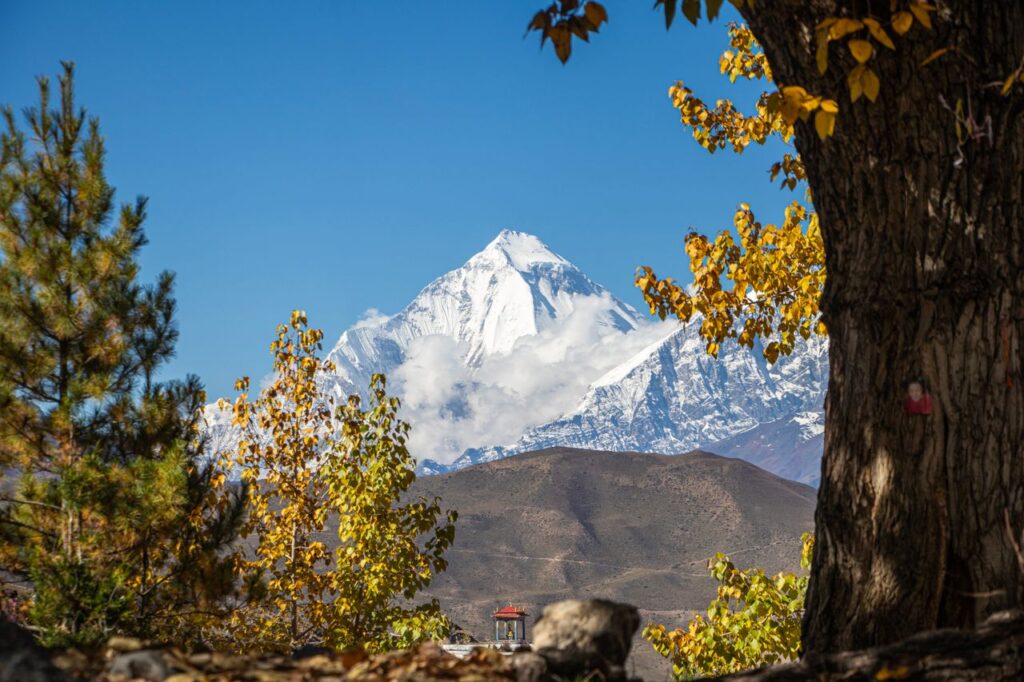
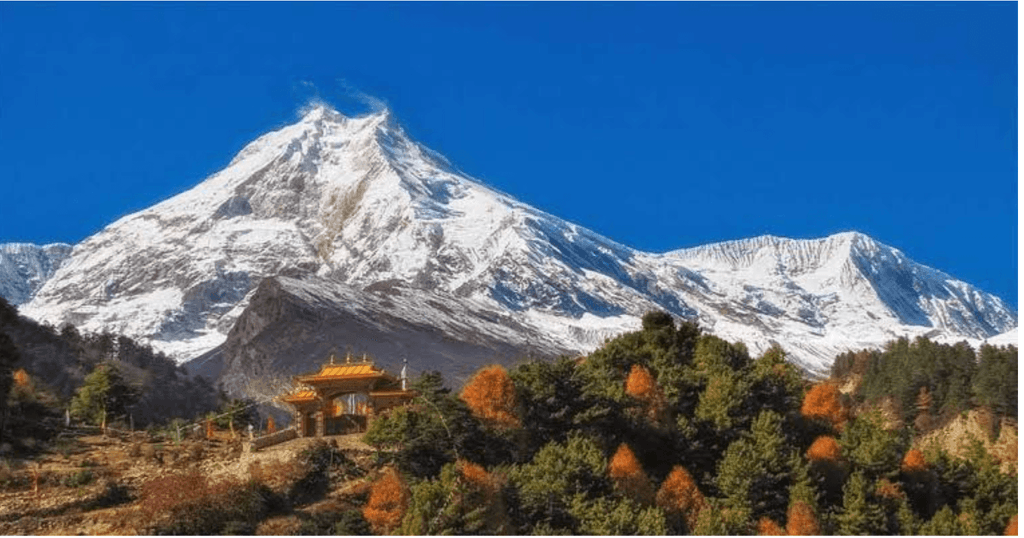
There’s a noticeable shift once you step off the busier trekking corridors. Villages are farther apart, the trail might not see another group for hours, and the sense that you’re actually out there — rather than moving between guesthouses on a well-oiled circuit — becomes part of the point. Landscapes tend to change more dramatically too, from lush lower valleys into stark, wind-scoured high country, and the communities you pass through often feel less shaped by tourism.
That said, remoteness isn’t automatically “harder” in the way people assume. It’s different. You trade convenience for a quieter, more self-reliant kind of travel, and that trade-off shows up in the details: fewer lodging options, more variable food, patchier communication, and a need to plan more carefully around permits and guide arrangements. The Manaslu Circuit Trek is a good example of this kind of journey — the walking itself, the shifting scenery, and the mountain villages along the way are really the heart of the experience, not just a means of reaching a viewpoint. Weather can also shift plans more decisively out here, so building in contingency days and having a real emergency plan matters more than it might on a busier route.
Established Trekking Routes: More Infrastructure, Still a Serious Mountain Experience
For a lot of first-time high-altitude trekkers, routes with more built-up infrastructure make sense, and there’s no shame in that. Regular tea houses, predictable trail conditions, and steady guide and porter support take some of the guesswork out of a trip, especially if you’re still learning how your body responds to elevation. Everest Base Camp and Annapurna Base Camp are the routes most people picture when they think “Nepal trek,” and for good reason — they’re well established without being effortless.
Don’t mistake “established” for “easy,” though. You’re still walking for hours a day at elevations where the air is noticeably thin, weather can turn fast, terrain gets uneven, and acclimatization days aren’t optional extras — they’re the thing that keeps altitude sickness from ending your trip early. A good trekking guide earns their keep here just as much as on a remote route, even if the trail itself is more forgiving. If Everest Base Camp is on your list, I’ve shared 10 essential things every first-timer should know before trekking to Everest Base Camp.
When Trekking Turns Into Peak Climbing
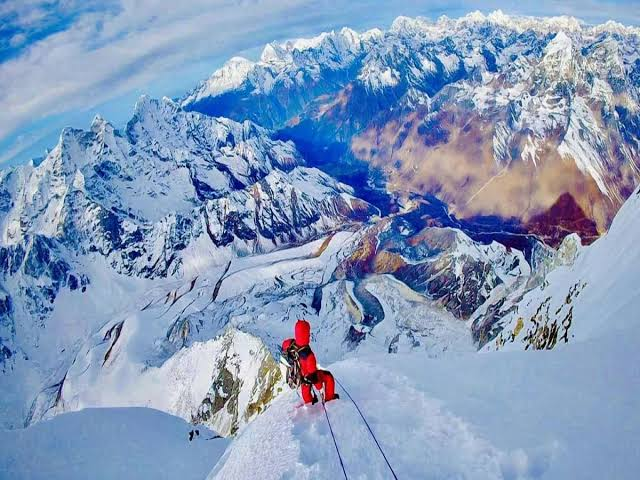
There’s a fairly clear line where a walk becomes a climb, and it’s worth understanding before you sign up for something described as a “trekking peak” without reading the fine print. Once crampons, an ice axe, rope work, and actual movement on snow and ice enter the picture, you’re no longer just trekking — you’re climbing, and the preparation needed changes accordingly. Weather windows become tighter and more consequential, gear lists get longer and more technical, and expedition-style logistics start replacing simple tea-house planning.
Ama Dablam Expedition is a good reference point here. It’s often talked about alongside trekking peaks, but make no mistake — it’s a serious Himalayan mountaineering objective, not a long walk with a summit view at the end. The physical and technical demands are on a different level entirely from reaching a base camp, and treating it like “just a harder trek” is how people get into trouble. Prior climbing experience, comfort on exposed terrain, and proper training aren’t optional here.
How to Know Which Himalayan Adventure Fits You
If you’re new to high-altitude trekking, look for something where the main challenge is sustained walking and steady acclimatization rather than technical skill. Previous multi-day hiking experience helps enormously, even if it wasn’t at altitude — your legs and your patience for repetitive uphill days both matter.
If you already have solid multi-day trekking behind you, a remote route or a trek involving a higher pass might be the natural next step. Think honestly about your fitness, how your body has handled altitude before, and whether you’re genuinely comfortable with basic, sometimes unpredictable mountain conditions.
If you’re eyeing an actual peak climb, understand that trekking miles don’t automatically translate into climbing readiness. Technical training, some prior alpine or mountaineering exposure, physical conditioning beyond what trekking demands, and working with an experienced expedition operator all become far more important than they were for a base camp trek.
The Practical Differences Travelers Often Underestimate
A few factors quietly change the whole experience and catch people off guard. Altitude affects everyone differently — fitness doesn’t guarantee immunity to altitude sickness, and it’s worth taking that seriously rather than assuming you’ll be fine. Mountain weather can unravel even a carefully planned itinerary in a single afternoon. Remoteness makes rescue and medical access genuinely more complicated, not just inconvenient. Accommodation on remote routes tends to be simpler, sometimes noticeably so. Trekking gear and technical climbing gear are not interchangeable, and packing the wrong kit for a peak climb is a real problem, not a minor oversight. Longer, more flexible itineraries with built-in acclimatization days generally beat rigid, tightly packed schedules. And professional guide or expedition support matters more as the objective gets more technical or more remote — this isn’t the place to cut corners on experience.
Getting trekking insurance that actually covers high-altitude evacuation, understanding the symptoms of altitude sickness before you’re dealing with them on the trail, and talking through emergency planning with your guide beforehand are the unglamorous parts of trip planning that end up mattering most.
Planning Your Nepal Himalayan Adventure Around the Experience You Want
Before you lock in a route, it’s worth being honest with yourself about what you’re actually after. Solitude and remote landscapes pull you toward one kind of trek. Cultural interaction along busier trails pulls toward another. Classic Himalayan scenery, high pass crossings, base-camp trekking, technical climbing, or a full expedition-style objective — each points to a different route, different duration, different gear list, and a different level of guide support and budget.
Once you know what you’re chasing, check current permit requirements for the region, look closely at seasonal conditions, sort out transportation to and from the trailhead, confirm your insurance actually covers what you need it to, and vet your operator’s credentials rather than just their marketing. Build in realistic acclimatization time and leave room in the schedule for mountain weather to do what it does.
Two Very Different Ways to Experience the Himalayas
Picture the Manaslu Circuit again for a moment — not as a checklist item, but as a journey through remote valleys and high mountain villages where the walking itself is the reward, day after day of changing landscape and quiet trail. Now picture Ama Dablam: months of preparation, technical training, a committed expedition team, and a summit push that demands real climbing skill under real pressure. One is a journey through the mountains. The other is a climbing objective built on specialized preparation and serious logistics. Neither is “better” — they’re simply different doors into the same range, built for different kinds of travelers.
Final Thoughts: Choose the Mountain Experience, Not Just the Destination
At the end of the day, the destination matters less than whether the adventure actually matches who you are as a traveler — your experience, your preparation, your available time, your comfort with remoteness, and your technical ability. Nepal offers every level of Himalayan adventure, from well-supported trekking routes to remote wilderness journeys to demanding mountaineering expeditions, and there’s no single “right” one. Do the research — routes, current conditions, permits, gear, acclimatization plans, insurance, and the operator you’ll trust your safety to — before you commit, and choose the mountain experience that’s actually built for you.
FAQs About Himalayan Adventures in Nepal
1. What is the difference between trekking and peak climbing in Nepal?
Trekking is primarily walking and altitude acclimatization on foot, using standard hiking gear. Peak climbing adds technical skills and equipment — crampons, an ice axe, rope work — along with additional training and preparation beyond what trekking requires.
2. Is a remote trek in Nepal harder than a popular trekking route?
Not necessarily. Remoteness adds logistical complexity — fewer services, less predictable support — but overall difficulty really comes down to altitude, terrain, trip length, any passes involved, and the weather you happen to get.
3. Do I need climbing experience for a Himalayan peak expedition?
Requirements vary by peak, but most serious expeditions demand meaningfully more technical preparation than trekking does — prior climbing exposure, training in rope and ice techniques, and solid physical conditioning are typically expected.
4. How should I prepare for a high-altitude trek in Nepal?
Focus on cardiovascular fitness, leg strength, and practice with long, multi-day walking. Plan for gradual acclimatization, bring appropriate cold-weather gear, stay on top of hydration, and learn to recognize early altitude sickness symptoms before you go.
5. How do I choose the right Himalayan adventure in Nepal?
Weigh your trekking experience, any technical climbing skills, current fitness, how much time you have, your tolerance for remote conditions, and what kind of experience you want — cultural, scenic, or expedition-level — then match the route and preparation to that honestly.
Thanks for taking the time to read this article. I hope this post has given you the information you need. If you have any recommendations, tips or advice, I would love for you to share them in the comment section below!
This post may contain affiliate links, meaning we may receive a commission at no extra cost if you purchase through a link. Please see our full disclosure for further information.
Check out my Instagram page or join the Truly Expat Facebook group.
Running this blog takes a lot of coffee (and countless hours exploring every destination!). If you found this helpful and want to support more honest, detailed travel guides and itineraries, you can buy me a coffee. No pressure though – I’m just happy you’re here and hope you have an incredible adventure! 🙂

Latest Articles
- Nar Phu Trek and Annapurna Circuit Trek: Two Himalayan Routes, One Deeper Journey
- A Guide to Himalayan Adventures in Nepal: Trekking, Helicopter Tours and Peak Climbing
- Annapurna Circuit Trek: What to Expect?
- Choosing Your Himalayan Adventure in Nepal: From Remote Treks to Peak Expeditions
- Exploring the Natural Wonders of New Zealand’s South Island