If you’ve started reading up on Annapurna Circuit trekking, you’ve probably noticed that most articles jump straight into itineraries and packing lists without ever answering the question you actually typed into Google: what does this trek feel like, day to day? That’s a fair thing to want to know before you commit two or three weeks and a fair bit of money to it. The short version is that it’s a long walk through some of the most varied terrain you’ll find on a single trekking route anywhere in the world, and it asks a lot of your legs, your lungs, and occasionally your patience.
In This Guide
You’ll pass through warm river valleys, climb through pine forest, cross into drier high-desert country, and eventually stand on a pass over 5,400 metres above sea level, wondering why you didn’t train harder. It’s not a gentle mountain holiday. Expect roughly two to three weeks on the trail depending on how your itinerary is built, long walking days that add up, real altitude at Thorong La, teahouse accommodation that ranges from basic to genuinely comfortable, and a climate that can shift from shorts-and-t-shirt warm to biting cold within a matter of days. This isn’t a route where you show up and figure it out as you go — a bit of honest expectation-setting goes a long way.
What Makes the Annapurna Circuit Different?
Most treks in Nepal go out and come back the same way. The Annapurna Circuit does something different — it loops around the entire Annapurna massif, which means the scenery never really repeats itself. You start low, in subtropical farmland and terraced hillsides, and by the time you’re done you’ve crossed a high Himalayan pass and dropped into an entirely different climate zone on the other side.
What used to be a fully self-contained walking trail has changed somewhat over the last fifteen years, as roads have crept into the lower valleys on both sides of the circuit. That doesn’t ruin the trek, but it does mean route planning matters more than it used to — a well-thought-out itinerary threads together trail sections, villages, forests and river crossings while avoiding the dustiest road stretches where possible. Along the way you’re moving through classic Himalayan trekking country: stone villages, alpine landscape above the tree line, and views of the Annapurna and Dhaulagiri ranges that genuinely earn the word dramatic.
What Should You Expect From the Walking Days?
A Typical Day on the Trail
Mornings start early on this trek, usually with breakfast around 6:30 or 7am before the day’s real walking begins. You’ll typically cover somewhere between four and seven hours on the trail, broken up by a lunch stop in a village or teahouse along the way, before arriving at your overnight stop by mid-to-late afternoon. Exactly how long each day runs depends on the itinerary you’re following, the terrain underfoot, and how your body is handling the altitude. Trying to rush isn’t really the point — a steady, unhurried pace serves you far better than racing to the next village.
The Terrain Changes as You Gain Altitude
Lower down, the trail runs through farmland, forest and river valleys, with the occasional stretch of road to contend with. Push higher and the villages start looking different — stone houses, drier air, and increasingly big mountain views as trees thin out. By the time you’re closing in on the high section, you’re dealing with cold mornings, thinner air, rocky ground underfoot and very little vegetation left at all. The landscape itself becomes part of the physical challenge here, not just a backdrop to it.
How Difficult Is Annapurna Circuit Trekking?
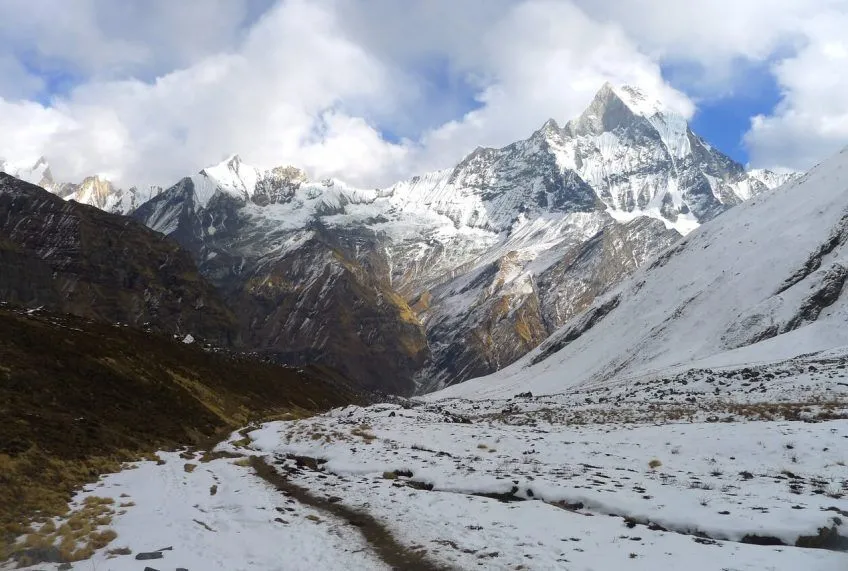
People ask whether this trek is hard, and the honest answer sits somewhere in the middle. It’s not a technical climb — you don’t need ropes or climbing experience — but it is a demanding multi-day walk with long hours on your feet, uneven and sometimes steep trails, and the added complication of altitude. Being able to walk for several hours at a stretch, day after day, matters far more here than how fast you can move on a single stage.
The Thorong La Pass, sitting at around 5,416 metres, is the trek’s defining high point and its biggest physical test. The approach to it shouldn’t be rushed — trekkers who try to reach the pass too quickly, without giving their bodies time to adjust, tend to have a much rougher time than those who build in a sensible pace. Some practical prep goes a long way: get comfortable with sustained uphill walking or stairs before you go, carry enough water throughout each day, keep your pace conversational rather than breathless, and build acclimatization days into your schedule where the itinerary allows it.
What Happens at High Altitude?
Acclimatization Is Part of the Trek
Your body needs time to adjust as you climb higher, and that’s simply part of how this trek works rather than something to push through. Walking slower, drinking more water than feels necessary, resting when you need to, and gaining elevation gradually all help. It’s worth saying clearly: symptoms like headaches, nausea or unusual fatigue at altitude aren’t just normal tiredness to shrug off — they’re your body telling you something, and they deserve attention.
What Does the High Section Feel Like?
Up near the pass, mornings are properly cold, the wind picks up, and the air itself feels thinner in a way you notice with every step. Even trekkers who consider themselves fit often feel some effect from the altitude — it’s not really a fitness test in the usual sense. Sleep can feel lighter or more broken than usual at these elevations too. If something feels off, the right move is to tell your guide and let that shape the day’s decisions, rather than pushing through quietly.
What Are the Teahouses and Meals Like?
Teahouse trekking is pretty much the standard way to do the Annapurna Circuit, and it’s a big part of what makes the route accessible without needing to carry camping gear. Rooms are simple — usually twin beds with a mattress, pillow and blanket, sometimes shared, sometimes private depending on availability and season. You’ll want your own sleeping bag for the colder nights higher up. Bathroom facilities vary quite a bit, from attached western-style toilets lower down to shared or squat-style facilities as you climb, and hot showers usually come with a small extra charge the higher you go.
Meals follow a fairly familiar pattern across the route: dal bhat, fried noodles, rice dishes, potatoes prepared a dozen different ways, soups, eggs, and various breads, along with tea, coffee and hot lemon to warm up with. As you climb, the menu naturally narrows and prices creep up, since everything has to be carried in. Packing a few of your own snacks and staying on top of hydration throughout the day makes a real difference to how you feel by evening.
How Does the Scenery and Culture Change Along the Route?
One of the things that sets this trek apart is how much the communities themselves shift as you move around the circuit. Lower down you’re walking past terraced fields and forest, through villages with a strong Gurung presence. Climb higher into the Manang Valley and the architecture, farming and daily rhythms start to reflect a different way of life shaped by a drier, harsher climate. Push on toward the Mustang side and you’re in noticeably Tibetan-influenced territory, with Thakali communities running many of the teahouses and lodges along that stretch.
You’ll pass prayer flags strung across the trail, small monasteries tucked into hillsides, stone houses built to handle wind and cold, and fields worked using methods that have changed surprisingly little over generations. It’s worth remembering these are people’s homes, not a backdrop — ask before photographing anyone, be quiet and respectful around monasteries and religious sites, and take your cues from local custom rather than assuming. Much of this route sits within the Annapurna Conservation Area, and that context is part of why the landscape and communities have stayed as intact as they have.
What Should You Expect From the Weather?
Weather on this trek shifts a lot depending on where you are on the route and what season you’re travelling in. The lower valleys can feel genuinely warm, even humid, while the high sections near Thorong La are consistently cold and often windy, regardless of season. Rain or snow are both possible depending on timing and elevation, and mountain weather in general has a habit of changing faster than you’d expect — a clear morning doesn’t guarantee a clear afternoon. Layered clothing works better than one heavy jacket, and a decent waterproof shell, sun protection, gloves and warm layers for the high section are all worth having regardless of when you go, since conditions at altitude rarely feel like whatever’s happening down in the valley.
What About Transport, Roads and Route Changes?
It’s worth being upfront about something a lot of older trekking write-ups gloss over: parts of the traditional Annapurna Circuit are no longer pure footpath. Road construction has reached into several lower sections on both sides of the loop over the past decade or so, and you may find yourself sharing stretches of trail with jeeps, motorbikes or dust from ongoing construction. A well-planned itinerary usually works around this by picking alternative walking paths where they exist, rather than just following the road the whole way. Transport connections at the start and finish of the trek — getting to the trailhead and back out again afterward — also shape how the overall trip feels, since delays or road conditions can affect timing. None of this means the trek isn’t worth doing; it just means checking current route conditions before you go is a genuinely useful step, not an optional one.
How Much Time Should You Allow?
Itinerary length on this trek varies quite a bit depending on your starting point, how much of the lower road sections you walk versus drive, how many acclimatization days you build in, and whether you add any side trips or viewpoint detours. Most practical itineraries land somewhere around two to three weeks, though the exact number depends entirely on how the route is designed. Trying to compress the trek too aggressively tends to backfire — cutting acclimatization time short doesn’t just increase risk, it also makes the long walking days feel harder than they need to. A few extra days built into the schedule usually pays for itself in how the whole trip feels.
What Should You Pack for the Annapurna Circuit?
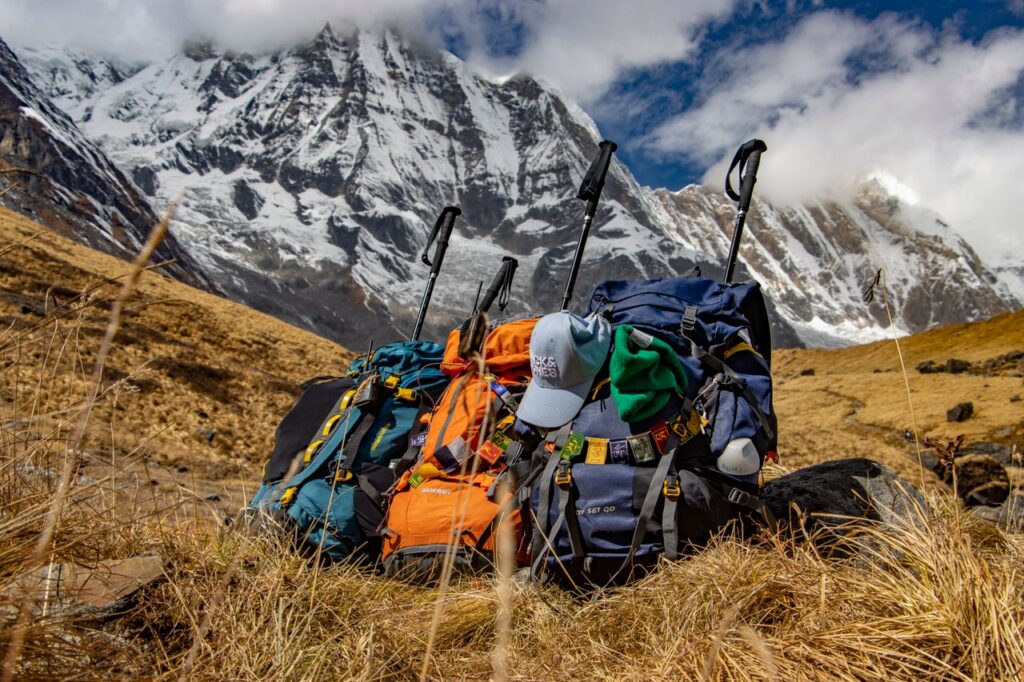
You don’t need to overthink this into a fifty-item checklist, but a handful of things genuinely matter. Well broken-in trekking boots are non-negotiable — new boots on a multi-week trek is a recipe for blisters. Beyond that, you’re looking at warm layers for the high section, a solid waterproof shell, a sleeping bag rated for the season and elevation you’re trekking in, a reliable way to carry and treat water, sun protection for high-altitude UV exposure, a small first-aid kit with any personal medication, a headlamp for early starts and teahouses with limited power, and trekking poles if you find them useful on long descents. Packing lighter than you think you need makes every single day on the trail a bit easier, and what you actually need shifts depending on the season and exact itinerary you’re following.
What Should You Expect From the People and Trail Experience?
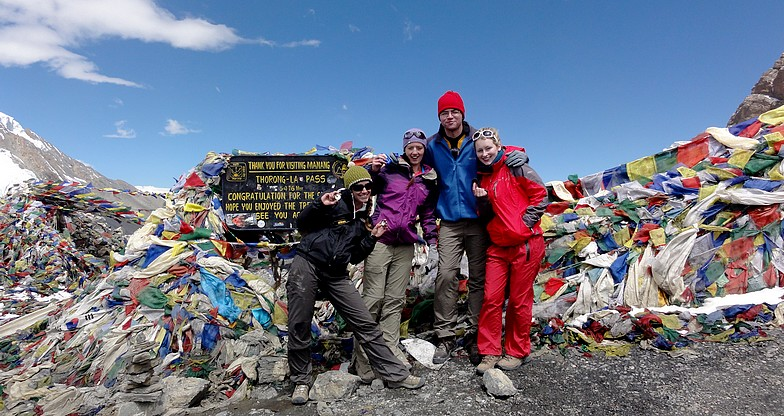
There’s a real social side to this trek that doesn’t always come through in the practical guides. You end up sharing dining rooms, trail conversations and the occasional celebratory beer at Thorong La with trekkers from all over the world, plus long days getting to know your guide and porters if you’re travelling with a team. Guides and porters do a lot of the quiet, unglamorous work that makes the trek run smoothly — route-finding, cultural context, logistics, and keeping an eye on how everyone’s handling the altitude — and treating them fairly and respectfully is just part of doing this trek properly. Outfits like Nepal Eco Adventure are among those that arrange this kind of local support for trekkers who’d rather not sort out logistics themselves, which is worth knowing if you’re planning independently but want some help on the ground.
Who Is the Annapurna Circuit Trek Suitable For?
This trek suits people who genuinely enjoy multi-day walking, don’t mind basic accommodation, and want a physically demanding mountain journey rather than a scenic stroll. You don’t need previous high-altitude experience to attempt it, though having some can help you recognise how your own body responds to elevation. What matters more is realistic self-assessment — your current fitness, how much time you can dedicate to preparation, your tolerance for simple teahouse comfort, and your general comfort with cold and physical exertion over consecutive days. If you have any underlying health conditions, particularly anything cardiovascular or respiratory, it’s worth having a proper conversation with a doctor about high-altitude travel before you commit to a trek like this.
The Real Reward: What Stays With You After the Trek
What people usually remember afterward isn’t one single moment on the summit of the pass, though that’s certainly part of it. It’s the accumulation of small things — the quiet of a mountain morning before anyone else is awake, a conversation with a lodge owner in Manang, the slow shift from warm forest to bare rock and back down again on the other side. Annapurna Circuit Trekking rewards people who let the whole journey matter, not just the highlights. Knowing roughly what to expect, physically and otherwise, doesn’t take anything away from the experience — if anything, it frees you up to actually be present for it instead of being blindsided by it.
Frequently Asked Questions About the Annapurna Circuit Trek
1. How many days does the Annapurna Circuit Trek take?
Most itineraries run somewhere between two and three weeks, though the exact length depends on your transport choices, how many acclimatization days you include, and whether you add any side routes along the way.
2. How difficult is Annapurna Circuit Trekking?
It’s a demanding multi-day trek rather than a technical climb. Long walking days, changing terrain, and the altitude near Thorong La are the main challenges, and steady fitness plus gradual acclimatization matter more than speed.
3. What is the highest point of the Annapurna Circuit?
The Thorong La Pass, at roughly 5,416 metres (17,769 ft), is the highest point on the route and the main high-altitude milestone of the entire trek.
4. Do you stay in hotels or teahouses on the Annapurna Circuit?
Almost all trekkers stay in local teahouses and lodges along the route rather than hotels. Rooms are simple, and comfort and facilities generally get more basic as you climb higher.
5. What should I expect on the Annapurna Circuit Trek?
Expect long walking days, steadily changing landscapes from farmland to alpine terrain, nights in teahouses, real cold and altitude near Thorong La, and shifting weather throughout. Going in with a sensible pace and a proper acclimatization plan makes the whole trek considerably more manageable.
Running this blog takes a lot of coffee (and countless hours exploring every destination!). If you found this helpful and want to support more honest, detailed travel guides and itineraries, you can buy me a coffee. No pressure though – I’m just happy you’re here and hope you have an incredible adventure! 🙂

Latest Articles
- Nar Phu Trek and Annapurna Circuit Trek: Two Himalayan Routes, One Deeper Journey
- A Guide to Himalayan Adventures in Nepal: Trekking, Helicopter Tours and Peak Climbing
- Annapurna Circuit Trek: What to Expect?
- Choosing Your Himalayan Adventure in Nepal: From Remote Treks to Peak Expeditions
- Exploring the Natural Wonders of New Zealand’s South Island
Thanks for taking the time to read this article. I hope this post has given you the information you need. If you have any recommendations, tips or advice, I would love for you to share them in the comment section below!
This post may contain affiliate links, meaning we may receive a commission at no extra cost if you purchase through a link. Please see our full disclosure for further information.
Check out my Instagram page or join the Truly Expat Facebook group.