Ask five people what a “Himalayan trip” means and you’ll probably get five different answers. Some picture weeks on a dusty trail with a porter carrying their duffel bag. Others imagine a short helicopter hop, camera pressed against the window, mountains sliding past below. A smaller group wants something harder — a summit, a rope, a real climb. Nepal happens to offer all three, and that’s exactly where the confusion starts. Trekking, helicopter sightseeing and peak climbing in the Nepal Himalayas aren’t just different price points on the same experience — they ask different things of your body, your schedule and your patience. An Everest base camp helicopter tour can be done in a single morning; Mera Peak climbing can take the better part of three weeks. Neither is the “correct” way to see the mountains. The right one just depends on what you actually have to give.
Three Ways to Experience the Nepal Himalayas
In This Guide
Before getting into logistics, it helps to lay out the three broad paths travelers tend to choose between, because most planning mistakes happen when people mix up what each one delivers.
Trekking — Walking Into the Mountain Landscape
Trekking in Nepal is slow by design. You gain altitude gradually, sleep in teahouses run by local families, and pass through Sherpa villages that have been sitting along these trails for generations. There’s no shortcut here — the days add up, the legs get tired, and that’s sort of the point. The Everest Base Camp trek is the most recognizable version of this, typically stretched over ten to fourteen days including acclimatization stops.
Helicopter Tours — High Mountain Views With Limited Time
Not everyone has two weeks free, and that’s where a helicopter tour earns its place. It’s built for people who want the visual payoff — Everest, Lhotse, Ama Dablam from above — without the physical commitment. Landing at a viewpoint or a village depends heavily on weather and the specific route the operator flies that day, so it’s worth treating any landing as a bonus rather than a guarantee. It’s a real Himalayan experience, just a much shorter one.
Peak Climbing — A Different Level of Commitment
Mera peak climbing sits in a different category altogether. It starts off looking like trekking — walking through remote valleys, gaining altitude day by day — but it ends with an actual ascent that requires acclimatization built specifically for a summit push, proper climbing gear, and guides who know the route in current conditions. Treating it as “just a longer trek” is where people get into trouble.
What Makes Everest Base Camp Trekking Different?
Everyone knows the destination — Everest Base Camp, with Kala Patthar as the viewpoint most people actually climb for the photo. What tends to get left out of the pitch is everything in between. You walk through Namche Bazaar, the unofficial capital of the Khumbu, then push on through Tengboche with its monastery perched above the valley, then Dingboche, Lobuche, and finally Gorak Shep before the final stretch. Each stop sits a little higher than the last, and that staggered climb isn’t just scenery management — it’s how your body gets a chance to adjust before the air gets properly thin. Weather has the final say on a lot of this; a storm can hold a group at Dingboche for an extra day, and that’s just part of trekking at this altitude.
The Human Side of the Trail
What sticks with most people afterward isn’t actually the base camp sign. It’s the small stuff — monks chanting at Tengboche, prayer flags strung across a ridge, a mani wall you walk past (always on the left, by local custom) on the way into a village. Sherpa hospitality along this route is well known, and it’s worth returning the favor: ask before photographing someone, and be quiet around monasteries and religious sites rather than treating them like a photo stop. A trek to Everest isn’t really a straight line toward a destination — the villages and the people along the way end up being half the story.
Everest Base Camp Helicopter Tour: What Travelers Should Know
An Everest base camp helicopter tour usually starts early, departing from Kathmandu before the wind picks up later in the day — mountain flying is much smoother in the first hours of daylight. From there it’s a flight toward the Everest region, past a string of peaks that most people only ever see in photographs, with the possibility of a stop at a viewpoint or a village depending on the day’s conditions and the operator’s itinerary. Flight duration varies by route and by what’s included, so it’s worth asking exactly what’s covered before booking rather than assuming every tour is the same length. High-altitude landings are also more sensitive to weight and passenger numbers than flying at lower elevation, which is part of why operators sometimes adjust plans on short notice.
Is a Helicopter Tour the Same as Trekking to Everest Base Camp?
No, and it’s worth being blunt about that. A helicopter tour gives you an aerial, short-duration look at the mountains. Trekking gives you days of walking, gradual acclimatization, and time inside the villages and culture of the Khumbu. Both are legitimate ways to experience the region — they’re just not interchangeable.
Everest Base Camp Trek Return by Helicopter — When It Makes Sense
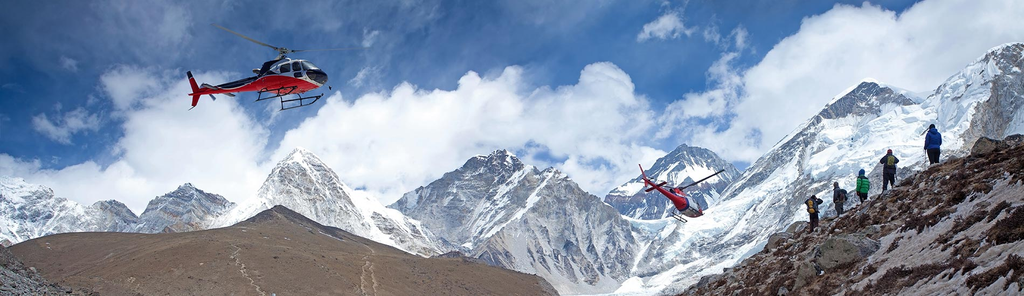
This is where a lot of travelers land once they actually start planning: an Everest base camp trek with helicopter return. The idea is straightforward — you trek up through the Khumbu on foot, experiencing the trail, the teahouses and the villages the normal way, and then fly back down instead of retracing the same route on foot. For someone who wants the full trekking immersion but is short on days, or simply doesn’t want to walk the same trail twice, this combination can make a lot of sense.
It’s not without its own planning wrinkles, though. Helicopter availability isn’t unlimited, weather can ground flights with little warning, and weight or passenger limits sometimes mean seats get reshuffled at the last minute. Anyone booking this route should build in some flexibility rather than assuming the helicopter leg will go exactly as scheduled. And one thing worth remembering — flying out for the return doesn’t erase the fact that you’ve still spent real time at high altitude on the way up, so the usual acclimatization precautions still apply on the trekking portion.
Mera Peak Climbing: From Trekking Trail to High-Altitude Climb
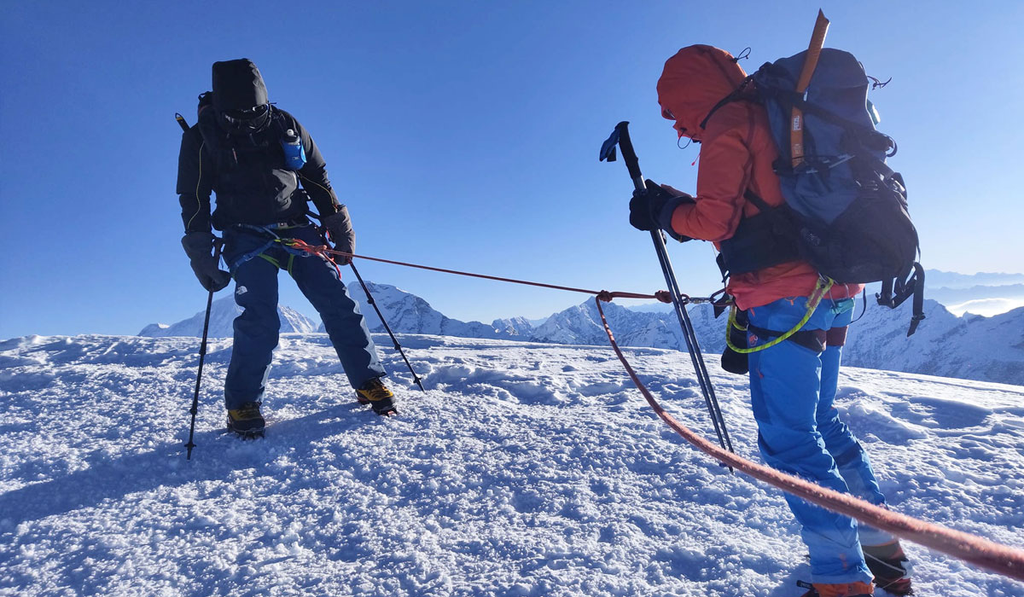
Mera Peak sits in Nepal’s remote Khumbu region, and the approach to it runs through quieter trekking trails than the main Everest route. But don’t let the gentler start fool you — this is climbing, not an extended walk. Acclimatization matters more here than on a standard trek, because the summit effort itself asks a lot of a body that’s already been working at altitude for days. Even the approach walking can be more tiring than expected, long before the technical section begins. Weather near the summit window can shift fast, and a solid climbing team will adjust the schedule rather than push through conditions that aren’t cooperating.
What Preparation Is Different for Mera Peak?
Endurance training helps, particularly for sustained uphill walking with a loaded daypack, and any previous time spent at altitude is a genuine advantage. Beyond fitness, climbers need at least a working understanding of basic mountaineering skills — how to move with crampons, how a harness and rope system functions on the route — since these aren’t optional extras once the terrain steepens. Choosing an experienced, properly equipped guide team matters as much as personal fitness does. This isn’t a harder version of the Everest Base Camp trek; it’s a genuinely different kind of undertaking.
Culture, People and Responsible Travel in the Himalayas
It’s easy to treat the Himalayas as scenery, but people actually live along these trails — raising families, running teahouses, tending monasteries that have stood for centuries. Sherpa and other Himalayan communities keep these routes functioning, and a bit of awareness goes a long way: keep your voice down near monasteries, walk clockwise around chortens and mani stones as local custom dictates, and always ask before taking someone’s portrait. Choosing to stay and eat at local teahouses rather than bypassing them puts money directly into these communities. Small habits — carrying out your own rubbish, cutting back on single-use plastic — matter more here than in most places, simply because there’s no easy waste system this high up.
Practical Tips for Planning a Himalayan Adventure
Plan Around Altitude, Not Just Distance
Altitude tends to matter more than how many kilometers you cover in a day. Acclimatization days aren’t filler — they exist because your body genuinely needs the pause. Rushing the schedule to save a day rarely pays off, and any altitude symptoms deserve to be taken seriously rather than pushed through.
Build Weather Flexibility Into the Plan
Mountain weather doesn’t care about your itinerary. Flights and helicopter operations get delayed or cancelled with little notice, so it’s worth leaving a buffer day or two before any tight international connection. Trekking schedules need the same kind of breathing room.
Check What Is Actually Included
Before booking anything, get clear on what’s covered: permits, domestic flights or ground transport, accommodation, meals, guide and porter arrangements, climbing equipment if you’re headed toward Mera Peak, which helicopter sectors are included, insurance requirements, and what happens — including any extra accommodation costs — if weather causes delays.
Trekking, Helicopter Tour or Peak Climbing?
| Adventure | Main experience | Physical demand | Time commitment | Best suited to |
| Everest Base Camp Trek | Walking, villages, culture, mountain landscape | High | Multi-day | Travelers wanting immersion |
| Everest Base Camp Helicopter Tour | Aerial Himalayan experience | Low physical walking demand | Short | Travelers with limited time |
| Everest Base Camp Trek + Helicopter Return | Trekking plus faster return | Moderate–high | Multi-day, shorter return | Travelers wanting both experiences |
| Mera Peak Climbing | High-altitude trekking + peak ascent | Very high | Multi-day | Prepared trekkers interested in climbing |
Frequently Asked Questions About Himalayan Adventures in Nepal
Is an Everest Base Camp helicopter tour suitable for travelers with limited time?
Yes — it’s built for exactly that situation, offering mountain views in a fraction of the time a trek would take. The trade-off is that it depends on weather and operational conditions, so flights can shift or get delayed.
Can I trek to Everest Base Camp and return by helicopter?
Yes, this is a well-established option. You walk up through the Khumbu as normal, then fly back instead of walking the same route in reverse. Flight availability and weather can affect the exact plan, so some flexibility helps.
Is Mera Peak climbing harder than Everest Base Camp trekking?
It asks for more — climbing-specific acclimatization, proper equipment, and basic mountaineering skills on top of the trekking fitness needed to even reach the climb’s starting point.
Do I need previous trekking experience for an Everest Base Camp trek?
It helps, but it isn’t strictly required. What matters more is realistic pacing, taking acclimatization seriously, and going with support that knows the route well.
What should I consider before choosing a Himalayan adventure in Nepal?
Time available, current fitness, any past experience at altitude, budget, how much flexibility you can build in for weather, how much cultural immersion you actually want, and whether you’re prepared to climb rather than just walk.
Final Perspective: The Himalayas Offer More Than One Kind of Adventure
Trekking gives you the slow version — villages, people, days that add up into something you carry home with you. A helicopter tour compresses that into hours, still worthwhile for the view alone. A trek with a helicopter return splits the difference. And Mera Peak climbing is for the traveler ready to turn a mountain trip into an actual mountaineering objective. Whichever route you take, the people and culture along the way are what make it a Himalayan journey rather than just a checklist.
Thanks for taking the time to read this article. I hope this post has given you the information you need. If you have any recommendations, tips or advice, I would love for you to share them in the comment section below!
This post may contain affiliate links, meaning we may receive a commission at no extra cost if you purchase through a link. Please see our full disclosure for further information.
Check out my Instagram page or join the Truly Expat Facebook group.
Running this blog takes a lot of coffee (and countless hours exploring every destination!). If you found this helpful and want to support more honest, detailed travel guides and itineraries, you can buy me a coffee. No pressure though – I’m just happy you’re here and hope you have an incredible adventure! 🙂

Latest Posts
- Nar Phu Trek and Annapurna Circuit Trek: Two Himalayan Routes, One Deeper Journey
- A Guide to Himalayan Adventures in Nepal: Trekking, Helicopter Tours and Peak Climbing
- Annapurna Circuit Trek: What to Expect?
- Choosing Your Himalayan Adventure in Nepal: From Remote Treks to Peak Expeditions
- Exploring the Natural Wonders of New Zealand’s South Island