Choosing where to stay in Busan matters more than it might seem. The city is spread across mountains and valleys — it’s not like Seoul where one central district works for almost everyone. The neighbourhood you pick shapes your whole trip: the commute to the sights, the restaurants outside your door, and the vibe you wake up to every morning. Here’s what you actually need to know.
The short answer: Seomyeon is the best all-round base for most travellers. Haeundae is ideal if a beach view is a priority. Nampo-dong is the pick for first-timers who want to be in the thick of it from day one.
Once you’ve sorted your base, the next question is always what to actually do with your time. I’ve covered all the highlights in my 10 Best Things to Do in Busan That Actually Live Up to the Hype— including which sights are closest to each neighbourhood and how to structure your days without rushing.
🏨 Search all hotels in Busan for your dates
Seomyeon — The Best All-Round Base
Table of Contents
Why stay here?
Seomyeon is Busan’s commercial heart — two metro lines intersect here, making it the easiest jumping-off point for everywhere else in the city. It’s lively, extremely well-served by restaurants and cafés, and has the best range of mid-range hotels in the city. It doesn’t have a beach or a famous landmark at its front door, but it’s where I’d personally base myself for most trips.
Best for: First-timers, mid-range budgets, travellers who want convenience over atmosphere.
Avoid if: You specifically want to be near the beach.
💡Browse hotels in Seomyeon, Busan— aim for properties near Seomyeon Station exits 3 or 4
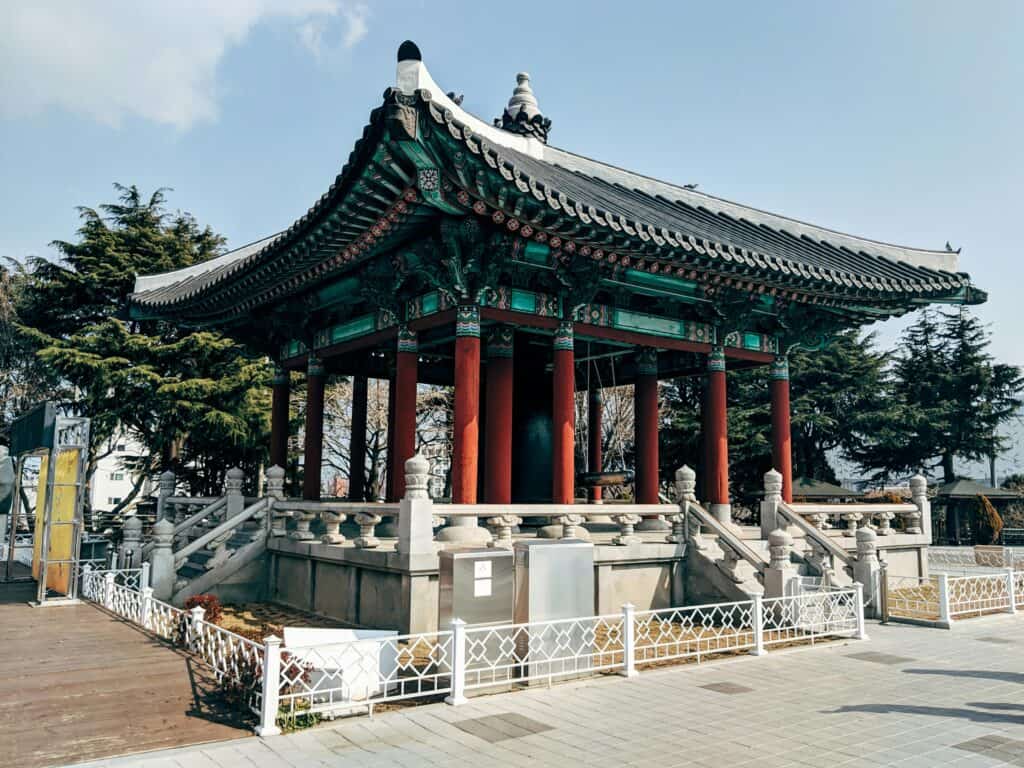
Haeundae — Busan’s Famous Beach District
Why stay here?
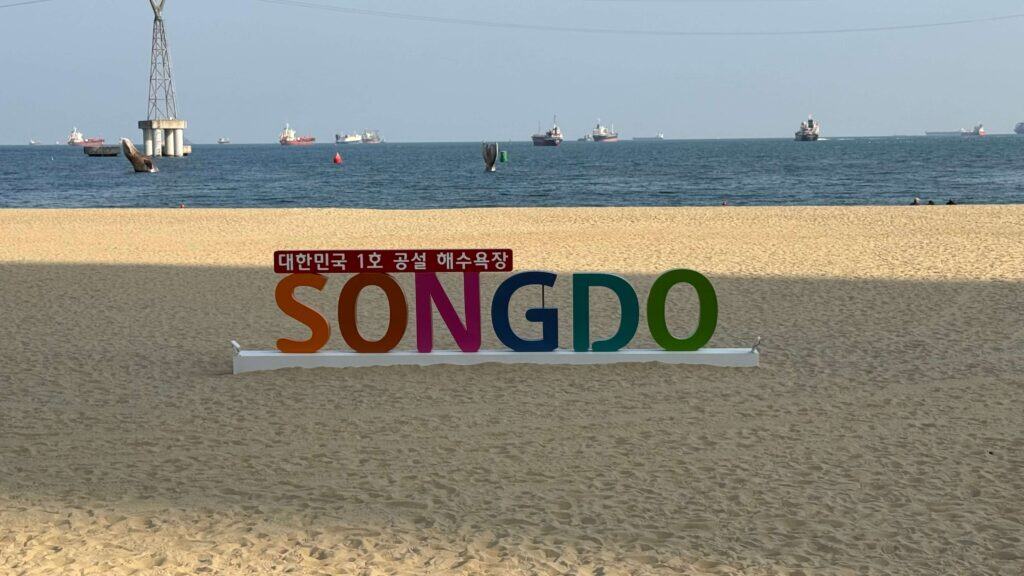
Haeundae is where you stay if the beach view is non-negotiable. It’s a proper resort strip with international five-star hotels sitting alongside budget guesthouses, all within walking distance of one of Korea’s most famous beaches. The restaurants are slightly more expensive than other areas, and in summer the crowds are intense — but the setting is hard to beat. It’s slightly removed from the historical sights, so factor in metro time for those.
Best for: Beach lovers, couples, luxury travellers, families.
Avoid if: You’re on a tight budget and don’t care much about the beach.
💡 Beachfront hotels in Haeundae, Busan
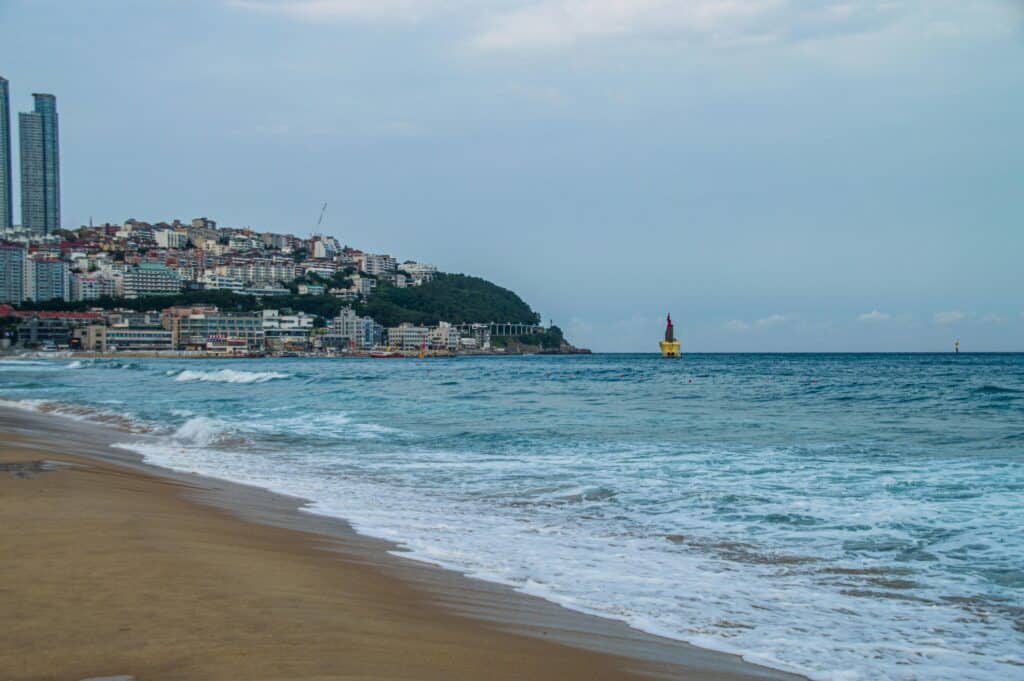
Nampo-dong / BIFF Square Area — Best for First-Timers
Why stay here?
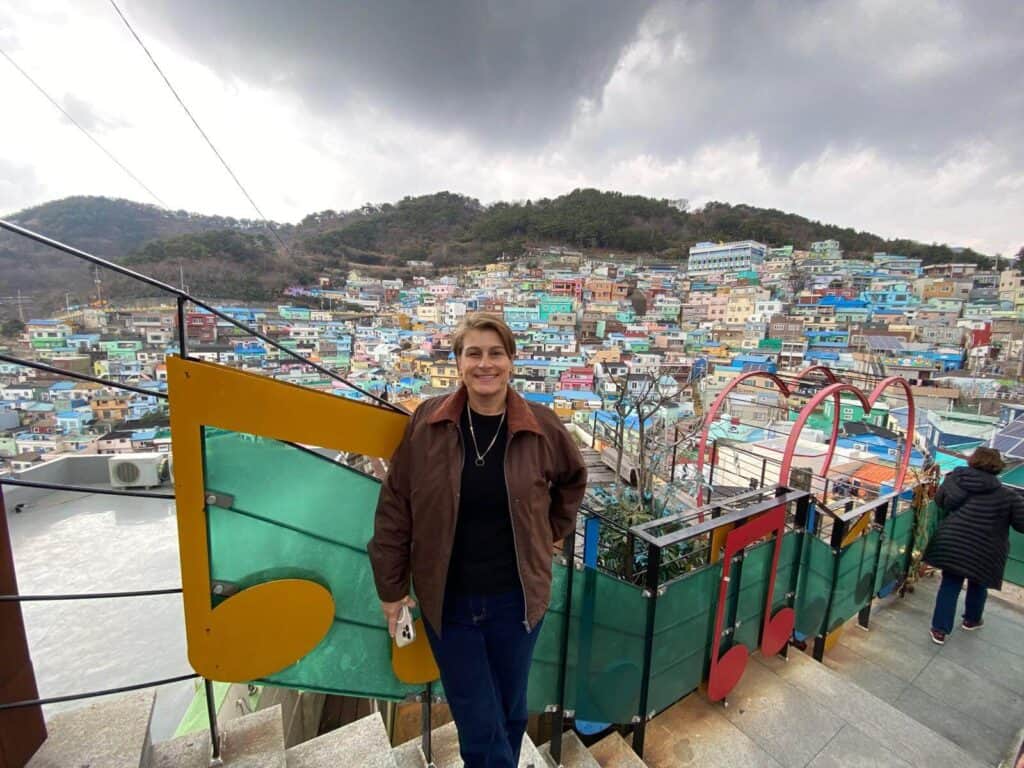
If you want to step out of your hotel and feel immediately immersed in Busan life, Nampo-dong is it. You’re walking distance from Jagalchi Fish Market, Gukje Market, BIFF Square and Gamcheon Village (by taxi). It’s older, grittier and less polished than Haeundae, but it has real character and the food options are excellent and cheap. One metro line runs through here, so getting around is straightforward.
Best for: Culture-seekers, foodies, budget travellers, solo travellers.
Avoid if: You want international-standard luxury.
💡 Budget and mid-range hotels in Nampo-dong, Busan

Gwangalli — The Cooler, Quieter Beach Alternative
Why stay here?
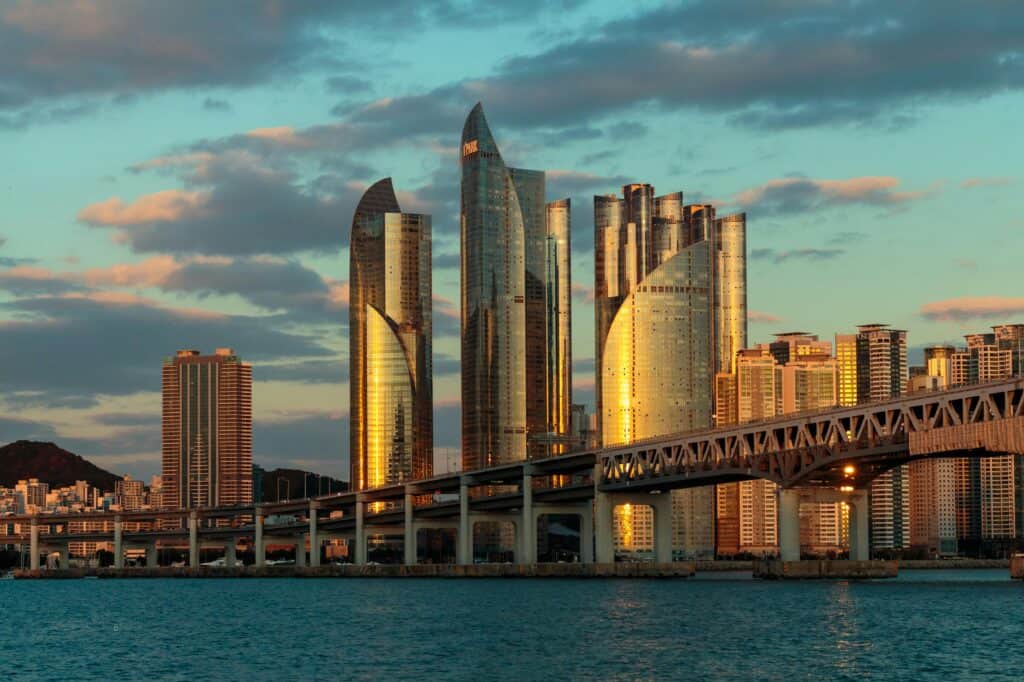
Gwangalli has a beach, it has the magnificent night view of the Diamond Bridge, it has a fantastic strip of restaurants and beach bars — and it has about a quarter of the crowds of Haeundae. It’s become something of a boutique hotel and independent café neighbourhood in recent years, and it’s genuinely lovely. I’d take Gwangalli over Haeundae for a relaxed, less commercial vibe.
Best for: Repeat visitors, independent travellers, anyone who prefers atmosphere over brand names.
Avoid if: Brand-name hotel loyalty points are important to you — options here are more boutique.
💡 Hotels near Gwangalli Beach, Busan
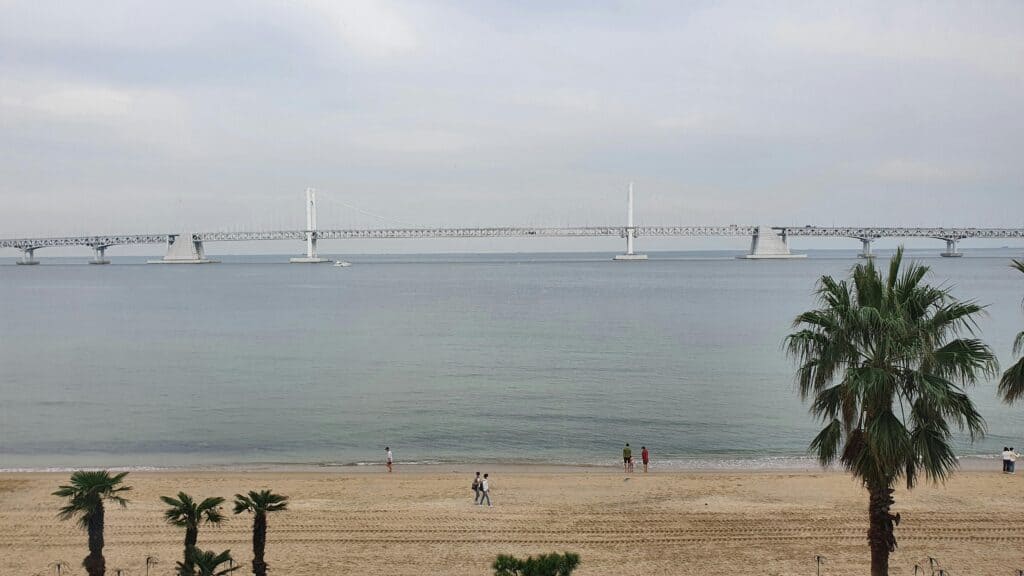
Quick Comparison: Which Busan Neighbourhood Is Right for You?
| Area | Best For | Budget |
|---|---|---|
| Seomyeon | Convenience, all-round access | Budget–Mid |
| Haeundae | Beach, luxury, families | Mid–Luxury |
| Nampo-dong | First-timers, food, culture | Budget–Mid |
| Gwangalli | Atmosphere, boutique feel | Mid |
What to Know Before You Book
- Book in advance for summer (July–August). Haeundae fills up fast and prices spike. Spring and autumn are ideal travel seasons with much better availability.
- The metro is your friend. Busan’s subway is clean, cheap and easy to navigate — it connects all the key areas. Don’t choose your hotel purely based on proximity to one sight.
- For South Korea, choose the right SIM or eSIM. You’ll want data for maps and Kakao — pick one up at the airport or pre-order before you travel.
📶 Pre-order your South Korea SIM or eSIM before you fly
5 Frequently Asked Questions About Where to Stay in Busan
Is it better to stay in Haeundae or Seomyeon in Busan?
It depends on what you’re after. Haeundae wins for beach access and luxury options. Seomyeon wins for location, price and metro connections. If it’s your first visit and you want flexibility, Seomyeon is the smarter choice. If you specifically want to wake up near the ocean, Haeundae (or Gwangalli) is for you.
Is Busan safe for solo female travellers?
Very much so. South Korea is consistently ranked among the safest countries for solo female travellers. Busan is well-lit, easy to navigate and has a strong transport network for getting around at night. The usual city-travel awareness applies, but I’ve never felt uncomfortable in Busan.
How far is Haeundae Beach from the city centre?
Haeundae is about 30 minutes by subway from Seomyeon (the central area). It’s on the same metro line — just ride it east. It’s not far at all by Korean standards, and the trains run frequently and cheaply.
Are there good budget hotels in Busan?
Yes — Busan has a very strong budget accommodation scene, particularly in Nampo-dong and Seomyeon. Guesthouses and small boutique hotels in these areas offer clean, comfortable rooms for well under £50 per night. I’d recommend searching Booking.com and filtering by guest review score rather than just price.
What is Busan like in winter — is it worth staying over Christmas or New Year?
Winter in Busan (December–February) is cold but dry, and the city is much quieter than in summer. The temples, markets and walking trails are largely crowd-free. There are no beach activities, but the seafood markets, cultural sights and restaurants are all open and excellent. If you want to see Korea without the tourist crush, winter is genuinely worth considering.
Time to Book Your Busan Base
Wherever you choose to stay, Busan rewards curiosity. Spend your mornings at temples and markets, your afternoons at the beach or on a hilltop with a view, and your evenings eating the freshest seafood you’ve ever tasted. The neighbourhood you pick gives you a starting point — the rest, Busan takes care of.
If Busan is part of a wider South Korea trip — which I’d strongly recommend — Seoul deserves equal attention. The two cities complement each other beautifully and the KTX makes moving between them effortless. My “Where to Stay in Seoul: The Best Areas So You Don’t Waste a Single Day” follows exactly the same format as this guide, so you can plan both cities side by side before you book anything.
🏨Find and compare all Busan hotels for your dates
🚆Seoul–Busan KTX train tickets — book in advance for best prices
Pin It For Later
Latest Posts
- Where to Stay in Busan: The Best Neighbourhoods for Every Type of Traveller
- 10 Best Things to Do in Busan That Actually Live Up to the Hype
- A Day Trip to the DMZ from Seoul — What to Expect and Why You Should Go
- 5 Days in Seoul: The Perfect Itinerary for First-Timers (and Those Who Just Can’t Get Enough)
- Where to Stay in Seoul: The Best Areas (So You Don’t Waste a Single Day)
Follow along on Instagram where I share real-time travel updates, behind-the-scenes moments and travel tips and recommendations.
Join the Truly Expat Facebook community — a supportive space for travellers to ask questions, share tips, and connect before trips.
Affiliate Disclosure: This post contains affiliate links. If you book through them, I may earn a small commission at no extra cost to you — this helps me keep creating free, detailed travel guides. I only recommend services and products I genuinely use and trust after years of travel across Asia.
Running this blog takes a lot of coffee (and countless hours exploring every destination!). If you found this helpful and want to support more honest, detailed travel guides and itineraries, you can buy me a coffee. No pressure though – I’m just happy you’re here and hope you have an incredible adventure! 🙂