
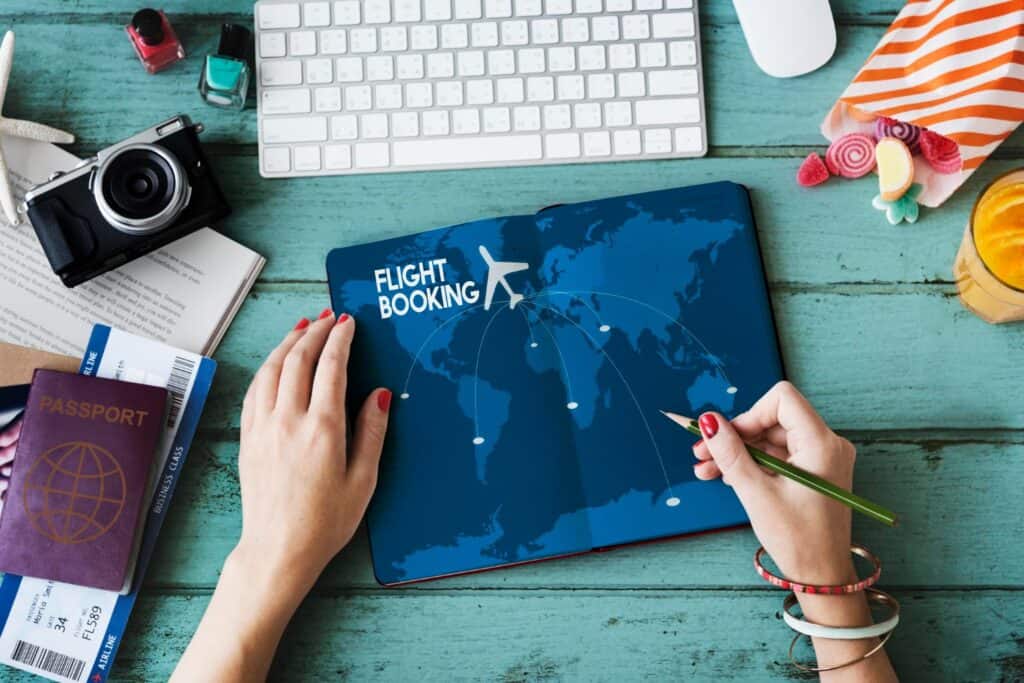
Travel has evolved dramatically over the past decade. What was once about guidebooks, printed maps, and occasional internet café stops has now become a fully connected experience. Today’s travellers expect to be online at all times, whether to navigate unfamiliar streets, book last-minute accommodations, or share their journey in real time.
For expatriates, digital nomads, and frequent international travellers, connectivity is no longer optional. It is an essential part of the travel experience. Understanding how to stay connected efficiently, securely, and affordably can make a significant difference in how enjoyable and stress-free a trip becomes.
If you would like to read more about saving money while travelling then check out 10 Brilliant hacks to save money while travelling.
Table of Contents
Why Connectivity Matters More Than Ever
The importance of staying connected abroad goes far beyond convenience. Mobile data allows travellers to access real-time information, communicate instantly, and adapt quickly to changing situations.
Imagine arriving in a new country without internet access. Finding transportation, understanding directions, or even locating your accommodation becomes unnecessarily complicated. On the other hand, with a reliable connection, everything becomes smoother, from ordering a ride to translating a conversation.
For expats and long-term travellers, the stakes are even higher. Many rely on internet access for work, managing finances, or staying in touch with family. A stable connection is not just helpful, it is critical.
The Challenges of International Connectivity
Despite the global nature of modern travel, staying connected internationally still comes with challenges. Roaming fees from traditional carriers can be extremely high, often leading to unexpected bills. Public Wi-Fi, while widely available, is not always reliable or secure.
Airports and hotels typically offer Wi-Fi, but speeds can vary, and connections may drop during peak hours. In some destinations, public networks require local phone numbers for access, which can create additional barriers for travellers.
These limitations have led to the growing popularity of alternative connectivity solutions designed specifically for international use.

Traditional SIM Cards vs Digital Solutions
For many years, buying a local SIM card upon arrival was the most common solution. While it can be effective, it often involves logistical challenges. Travellers must locate a store, verify compatibility, and sometimes deal with language barriers.
Additionally, swapping SIM cards means temporarily losing access to your primary number, which can be inconvenient for receiving important messages or authentication codes.
This is where digital solutions, particularly eSIM technology, have transformed the landscape. By allowing users to activate a mobile plan digitally, eSIMs eliminate the need for physical cards and simplify the entire process.
The Rise of eSIM Technology
eSIM, or embedded SIM, is built directly into modern smartphones and devices. Instead of inserting a physical card, users can download a data plan and activate it instantly.
This innovation has changed how travellers approach connectivity. Plans can be purchased before departure, activated upon arrival, and managed directly from the device settings.
One of the key advantages is flexibility. Travellers can switch between plans, destinations, or providers without physically changing anything. This is particularly useful for multi-country trips or long-term travel.
Choosing the Right Connectivity Solution
Not all travellers have the same needs, and choosing the right solution depends on several factors. Duration of stay, data usage, destination, and budget all play a role.
Short-term travellers may prioritise simplicity and quick activation, while long-term expats may focus on cost efficiency and data volume. Business travellers often require stable, high-speed connections for video calls and remote work.
When evaluating options, it is important to consider coverage, ease of use, and transparency in pricing. Hidden fees or complicated activation processes can quickly turn a convenient solution into a frustrating experience.
A Smarter Way to Stay Connected
As international travel continues to grow, so does the demand for seamless connectivity solutions. Services like Orange travel are designed to meet these evolving needs by offering flexible, user-friendly options for staying online abroad.
By focusing on simplicity and accessibility, these types of platforms allow travellers to prepare their connectivity in advance, avoiding last-minute complications. This proactive approach ensures that users can focus on their journey rather than worrying about technical details.
If you would like to read more about travel apps, read the best travel planning apps to enhance your journey.

Connectivity and the Expat Lifestyle
For expatriates, connectivity plays an even more central role. Living abroad often involves navigating new systems, languages, and cultures. Having reliable internet access helps bridge these gaps and creates a sense of continuity.
From managing international banking to staying connected with loved ones, digital access supports both practical needs and emotional well-being. It also enables remote work opportunities, allowing expats to maintain careers across borders.
In this context, choosing the right connectivity solution becomes a long-term decision rather than a short-term convenience.
Security Considerations When Travelling
While staying connected is important, it is equally essential to prioritise security. Public Wi-Fi networks are often vulnerable to cyber threats, making them risky for sensitive activities such as online banking or work-related communications.
Using a secure mobile data connection reduces these risks significantly. Combined with tools like VPNs and two-factor authentication, it provides a safer environment for digital interactions.
Travellers should also be mindful of data usage and privacy settings, ensuring that their devices are configured appropriately for international use.
If you want to know more about solo travel, then read 7 Ways solo Travel Can Enhance Your Life and Bring Positive Changes
The Future of Travel Connectivity
The way we stay connected while traveling will continue to evolve. With advancements in technology, connectivity is becoming faster, more accessible, and more integrated into the travel experience.
eSIM adoption is expected to grow, and more devices are becoming compatible with this technology. This shift will likely reduce reliance on physical SIM cards and make digital connectivity the standard for international travel.
At the same time, providers are improving their offerings, focusing on user experience, global coverage, and transparent pricing.
Conclusion
Travel today is defined not only by the places we visit but also by how we experience them. Connectivity plays a central role in shaping these experiences, enabling travelers to explore with confidence and flexibility.
Whether you are a short-term visitor, a digital nomad, or a long-term expat, having a reliable connection can transform your journey. By understanding the available options and choosing the right solution, you can ensure that staying online becomes a seamless part of your travel experience.
In an increasingly connected world, preparing your digital access is just as important as packing your suitcase.
Want to know more about expat life? Check out Truly Expat Lifestyle, and for tips, hacks and information.

Latest Posts
- What 16 Hours to Vancouver Does to Your Skin
- Nar Phu Trek and Annapurna Circuit Trek: Two Himalayan Routes, One Deeper Journey
- A Guide to Himalayan Adventures in Nepal: Trekking, Helicopter Tours and Peak Climbing
- Annapurna Circuit Trek: What to Expect?
- Choosing Your Himalayan Adventure in Nepal: From Remote Treks to Peak Expeditions
Thanks for taking the time to read this article. I hope this post has given you the information you need. If you have any recommendations, tips or advice, I would love for you to share them in the comment section below!
This post may contain affiliate links, meaning we may receive a commission at no extra cost if you purchase through a link. Please see our full disclosure for further information.
Check out my Instagram page or join the Truly Expat Facebook group.
Enjoyed this guide? Running this blog takes a lot of coffee (and time exploring every corner of Singapore!). If you found this helpful and want to support more honest, detailed guides about Singapore, you can buy me a coffee. No pressure though – I’m just happy you’re here and hope you have an amazing time in Singapore! 🙂




Great guide ,simple and really helpful for travelers. Loved it