Machu Picchu deserves its place on your itinerary. But the surrounding region has experiences that tell interesting stories. You can learn why families still weave on traditional looms. You can visit salt ponds that continue to support workers. You can also explore villages where visitors are welcomed into community tourism projects.
Some trips need only a morning near the city center. Others involve longer drives through demanding high mountain conditions. These nine Cusco tours give you a mix of food, history and local culture. Each suggestion includes details that help you book wisely.
1. Shop at San Pedro Market Before a Cooking Class
In This Guide
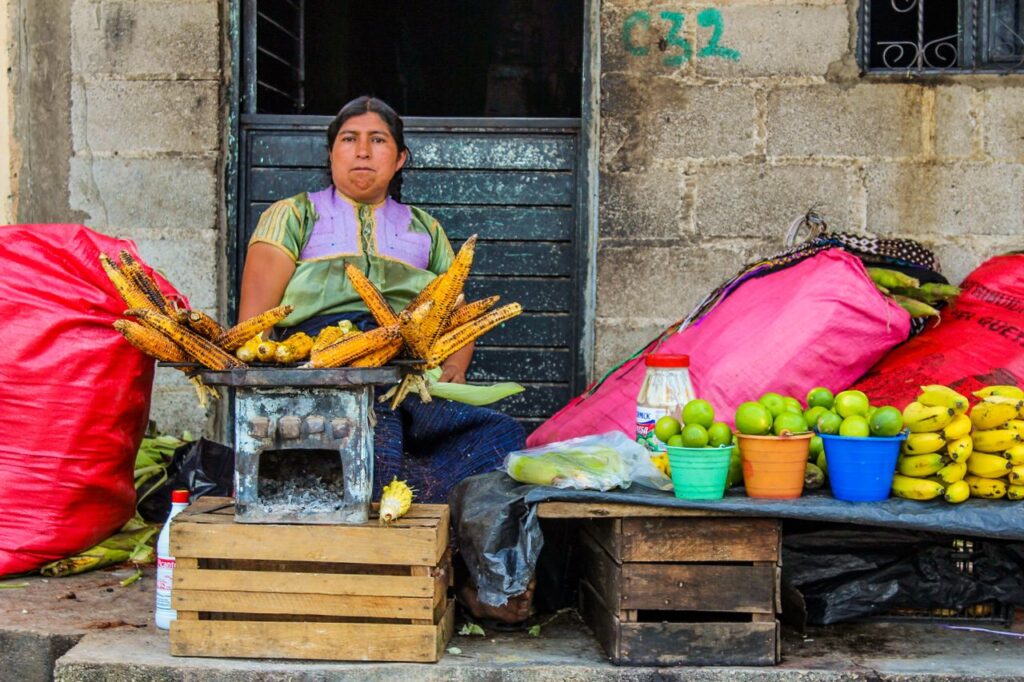
Start with the covered market near Plaza de Armas. The first thing you notice is how much happens between the narrow aisles. Fruit sellers stack produce beside sacks of corn and potatoes. Bread stalls display fresh rolls while juice counters prepare drinks to order. Local shoppers come here for everyday ingredients rather than sightseeing.
A guided food visit makes the busy market easier to understand. Ask your guide to introduce unfamiliar fruits such as lucuma. Find out which potatoes work best in different dishes. You may see dried potatoes used in traditional cooking as well.
Some cooking classes begin with buying ingredients from vendors. Back in the kitchen, you might prepare lomo saltado. Other menus include causa or dishes made with quinoa. Ask for the actual menu before choosing your class. Vegetarian options and food allergy arrangements vary between providers.
Give yourself time for a cup of local coffee afterwards. The official Peru tourism guide identifies San Pedro as the city’s main food market.
Before booking: Choose a market visit with meaningful interaction. Ask about cooking time and who leads the lesson.
2. Meet the Artisans Behind San Blas Workshops
Walk uphill from the historic center into San Blas. The streets grow narrower, and the stone paving turns uneven. Behind wooden doorways you will find workshops rather than ordinary souvenir displays. This neighborhood has a long connection with local craftsmanship.
A good guide introduces the people making the pieces. You might watch a craftsperson shape clay into a figure. Another workshop may specialise in carefully carved religious scenes. The artists can explain techniques that a shop label cannot describe. Ask the artisan how long a piece takes to complete.
Not every studio accepts drop-in visitors throughout the day. Arrange appointments if you want a demonstration rather than shopping. Always request permission before taking photographs inside working spaces.
After your visit, head towards the little neighborhood square. You can have a leisurely lunch at a nearby cafe. Those uphill lanes demand more effort than the map suggests. Breaks are sensible during your first days at altitude.
The national tourism board identifies San Blas as the artisans’ neighborhood. Choose a walking tour with named studios instead of a vague promise of local culture.
Before booking: Ask how many studios you will enter. Check if workshop fees are included in the price.
3. Learn How Chinchero Families Make Traditional Textiles
Chinchero introduces another side of the Sacred Valley. Its weaving centers demonstrate the work behind local textiles. Watch an artisan prepare wool and twist it into yarn. Natural dyes may come from plants or cochineal insects. The bright red produced by cochineal is especially striking.
The most interesting part comes when the weaving finally begins. Threads cross slowly on the loom to form carefully planned patterns. A local guide can explain what particular designs mean. Each demonstration also provides a chance to ask about training. Many of these techniques are passed between generations within families.
Some community workshops allow guests to try basic weaving. Other centers focus on demonstrations and selling finished products. Find out exactly what your booking includes before arriving.
Leave time to see the village beyond the workshop. Its archaeological terraces provide a different perspective on the area. Sunday market activity may add another reason to visit. However, market schedules can change during local festivals and events.
Peru’s tourism board highlights community weaving experiences in Chinchero. Purchasing directly from the artisans can support their work. Check if your guide has a sales commission agreement.
Before booking: Ask who actually runs the weaving workshop. Request clear details about participation and shopping expectations beforehand.
4. Discover Inca Water Channels and Older Wari Streets
The Southern Valley rewards travelers interested in engineering. At Tipon, you can walk beside stone channels and terraces. Water passes through a system that reflects careful planning. A guide can explain how the channels were designed. The landscape helps you understand the scale of construction.
Continue to Pikillaqta for a completely different history lesson. This was a Wari settlement from before Inca rule. You will notice rectangular spaces and long surviving walls. The planned layout contrasts with the terraces at Tipon. Your guide should explain what archaeologists know and what is uncertain.
Some itineraries also add the historic church at Andahuaylillas. Its interior artwork requires a separate visit and admission. Decide if you prefer another stop or more time among the ruins.
The Cusco cultural authority lists Tipon visiting hours from seven until four thirty. Both archaeological parks are included in Tourist Ticket Circuit II. The official site also notes access steps at Tipon. Access may be difficult for visitors with limited mobility.
Before booking: Check how much walking is planned at both sites. Ask if the guide covers Wari history in detail.
5. Understand Salt Making at Maras and Farming at Moray
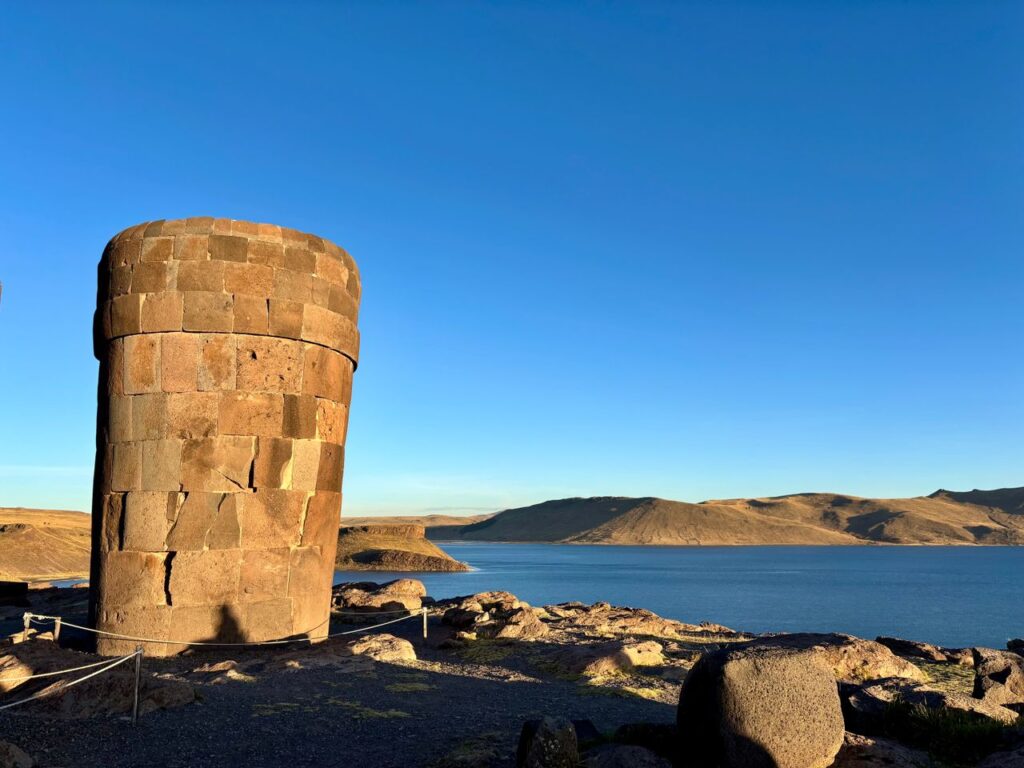
At Maras, the hillside is covered with shallow salt ponds. From the designated viewing area, you can see thousands of small shapes. Their colours change depending on water and salt levels. This is a working production site rather than an abandoned attraction.
Mineral water feeds the ponds through a channel network. Local workers carefully manage evaporation and collect the salt. Ask your guide which families operate the ponds today. Understanding that work adds context to the famous photographs. Stay in visitor areas to respect the production spaces.
Moray tells another agricultural story a short drive away. Circular terraces descend into large hollows in the earth. Archaeologists associate the unusual design with Inca agricultural experimentation. You can understand the structure without walking down every level. The cultural authority lists Moray as open from seven until five.
Both attractions are commonly paired on a half-day outing. Moray is covered by the Cusco Tourist Ticket Circuit III. Visiting the Maras salt ponds requires a separate entrance payment.
Before booking: Check all entrance charges and the planned stop durations. Ask if the tour also includes unwanted shopping stops.
6. Take a Guided Walk to Huchuy Qosqo
Huchuy Qosqo offers history at the end of a hike. Its stone terraces and buildings overlook the Sacred Valley. From the elevated paths, you can see working farms below.
Different tour operators begin their hikes from different trailheads. One route may involve several hours on higher ground. Another route may use a shorter approach near Lamay. Never judge the walking difficulty from the destination name alone. Ask about total walking distance and climbing before paying.
Walking with a guide helps explain what you pass. You may cross grazing land and small rural settlements. Respect farm fences and follow the agreed walking trail. At the ruins, your guide can discuss Inca occupation. You will understand more than the stone buildings alone reveal.
The archaeological site stands above 3600 meters in elevation. Even familiar walking distances can take considerably longer here. Schedule this trip after you have adjusted to altitude. You will also need suitable shoes and drinking water.
Before booking: Request the exact starting location for your route. Confirm expected walking hours and your return transport arrangements. Ask how the company handles sudden mountain weather changes.
Planning a hike like this one? Our guide on how to prepare for a rural outdoor adventure trip covers what to sort out before you leave the city behind.
7. See Palccoyo Without the Longer Rainbow Mountain Trek
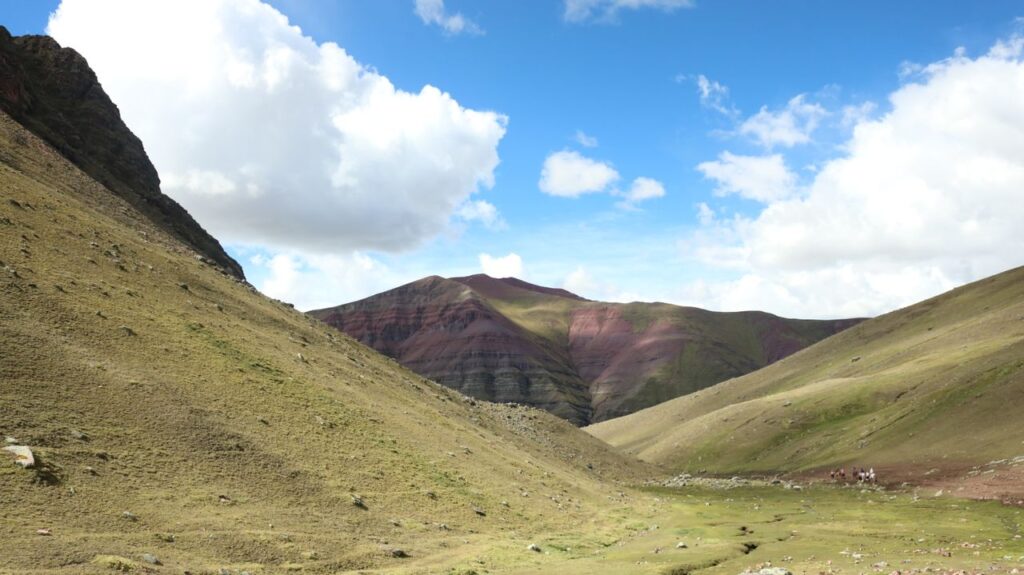
Palccoyo gives you another way to see colored mountains. The drive heads south through sweeping high Andean landscapes. Once you reach the walking area, you can see ridges striped by mineral deposits. Red bands sit beside striking yellow and green sections. Snow-covered Ausangate may be visible in clear conditions.
Peru’s tourism board places Palccoyo around 4900 meters above sea level. It describes a walk of about forty-five minutes. That walking route is shorter than many standard Vinicunca excursions. However, the extreme altitude makes even gentle paths demanding. This is certainly not an appropriate first day activity.
Bring several warm layers that you can remove later. Keep sun protection within easy reach during the walk. Mountain weather can change quickly before your return drive. Ask about access road conditions during the rainy season.
Spend time enjoying several viewpoints rather than racing uphill. A guide can identify the peaks and explain the colors. You do not need to reach every single viewpoint. Turning back immediately is sensible if altitude symptoms develop.
Before booking: Check the highest walking elevation on the itinerary. Ask about planned rest stops and the emergency arrangements. Confirm if your meals and entrance fees are covered.
8. Learn Why Communities Rebuild Q’eswachaka Bridge
A bridge made from grass sounds almost impossible. Yet Q’eswachaka crosses a gorge above the Apurimac River. Its construction preserves a skill maintained by nearby communities. This is one of the most meaningful cultural outings in the region.
According to UNESCO, four Quechua-speaking communities renew the bridge each year. Families prepare grass ropes before specialist builders complete the crossing. The annual renewal also includes ceremonies and community gatherings. UNESCO recognized this community tradition officially back in 2013.
The journey requires a long drive into rural countryside. At the site, you can view the woven structure. Ask your guide to explain each stage of construction. The story is about living knowledge rather than ancient ruins.
Do not automatically expect permission to cross the bridge. Local access restrictions and poor weather can affect visits. Community members should decide exactly how visitors can participate. Your photography should follow any guidance provided on site.
Before booking: Confirm current bridge access arrangements with your operator. Ask if guides from the local communities are involved. Make sure the journey allows sufficient time at the bridge.
9. Spend a Night Learning From Raqchi Hosts
A night in Raqchi gives your itinerary room to slow down. The small village lies near the Temple of Wiracocha. Visiting the archaeological site is only part of the experience. Local tourism groups also arrange activities with community members.
Depending on availability, you may join a pottery demonstration. A local host might explain how clay is prepared. Other programs introduce agricultural traditions or guided village walks. The experience works best when you participate with genuine respect.
Overnight accommodation is provided through participating community tourism arrangements. Ask about room heating and bathroom facilities before confirming. Nights can get very cold at this mountain elevation. Bring clothing suited to chilly evenings even during sunnier months.
The official community tourism listing recommends two days and one night. It places Raqchi about two and a half hours by road from the city. The program includes options such as pottery and guided temple visits.
Before booking: Request the exact activities and lodging details. Ask exactly how your payments reach the host community. Discuss any important dietary requirements with hosts well in advance.
Planning Your Days Without Exhausting Yourself
Choose lighter activities when you first arrive at altitude. The CDC puts the city at approximately 3339 meters above sea level. Some travelers can develop altitude illness at this elevation. Take sufficient time to acclimatize before difficult mountain walks. Seek medical care if symptoms worsen or become severe.
A practical five-day schedule might start with the market. Follow that with San Blas and a Chinchero workshop. Reserve another full day to explore Maras and Moray. Pick one longer adventure after your initial altitude adjustment. Add Raqchi only when an overnight stay fits your schedule.
The official Cusco Tourist Ticket office lists a full foreign adult ticket at 130 soles. The full visitor ticket is valid for ten days. The partial circuits cost 70 soles for foreign adults. These tickets cover specified sites rather than every regional attraction. Check the latest ticket conditions before spending your money.
Good Cusco tours should leave enough room for conversation. Ask thoughtful questions and support people providing the experience. If you’re extending your time in Peru beyond the Andes, our guide on how to spend a day in Huacachina takes you to the desert oasis south of Lima.
Thanks for taking the time to read this article. I hope this post has given you the information you need. If you have any recommendations, tips or advice, I would love for you to share them in the comment section below!
This post may contain affiliate links, meaning we may receive a commission at no extra cost if you purchase through a link. Please see our full disclosure for further information.
Check out my Instagram page or join the Truly Expat Facebook group.
Running this blog takes a lot of coffee (and countless hours exploring every destination!). If you found this helpful and want to support more honest, detailed travel guides and itineraries, you can buy me a coffee. No pressure though – I’m just happy you’re here and hope you have an incredible adventure! 🙂

Latest Posts
- Morocco Beyond the Tourist Trail: A Guide to Culture, Landscapes and Local Experiences
- 9 Unique Cusco Tours That Show You a Different Side of Peru
- Mardi Himal Trek vs Everest View Trek: Which Himalayan Adventure Fits You Best?
- Planning a Luxury India Tour From the USA: Timing, Visas, Flights and Pace
- Planning a Memorable Branson Getaway With Fun Activities for the Whole Family