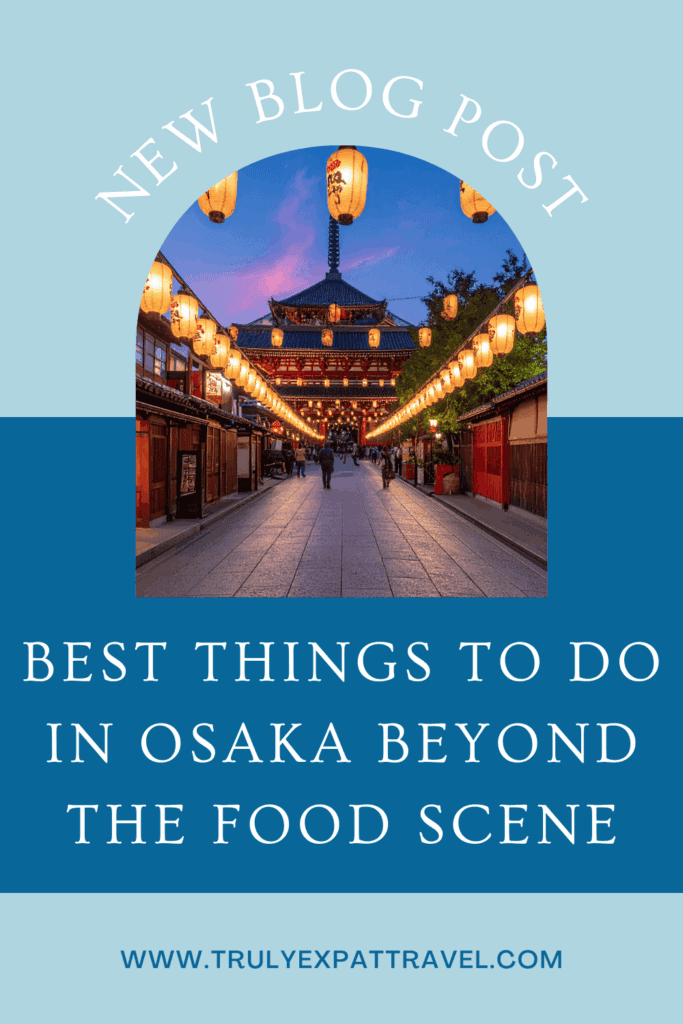


Osaka’s reputation is food-first and genuinely deserved—the street food, the local restaurants, the culinary obsession is authentic and exceptional. But reduce Osaka to just food and you’ll miss the actual city. Beyond the takoyaki stalls and okonomiyaki joints sits a vibrant metropolis with theme parks, shopping districts, unique experiences, and urban energy that rivals Tokyo.
The beauty of Osaka is its compact layout and wallet-friendly nature. Most attractions sit within 20 minutes by train. The city rewards curiosity with genuinely different experiences—digital art gardens, observation decks, underground shopping mazes, hot spring baths, ferris wheels overlooking neon-lit streets. Give Osaka time beyond food, and the city reveals layers.
Table of Contents
Essential Money-Saving Secret
Klook Pass Osaka: If visiting three or more attractions, this pass saves genuine money and eliminates individual ticket queues. Book online, reserve time slots, visit attractions across multiple days. The pass covers most attractions mentioned here.
Honest assessment: The pass pays for itself at three attractions. If you’re tight on budget or time, definitely buy it.
Essential Information Before You Go
Visa & Insurance:
iVisa confirms Japan visa requirements. SafetyWing covers medical mishaps and travel disruptions.
Getting to Osaka:
Fly to Osaka/Kobe region (direct flights from Singapore via Singapore Airlines, ANA, Scoot—approximately 6.5 hours).
Getting Around:
JR trains, subways, local railways connect the city efficiently. Get an eSIM before arrival for navigation.
From Airport to City:
- Private transfer: More reliable and affordable than Uber, especially with luggage.
- Train/bus: Budget options available
Currency & Tipping:
Japanese Yen (¥) is official currency. Carry cash for small shops. Tipping isn’t done in Japan—excellent service is expected and included. A sincere thank you means more than money.
Best Things to Do Beyond Food
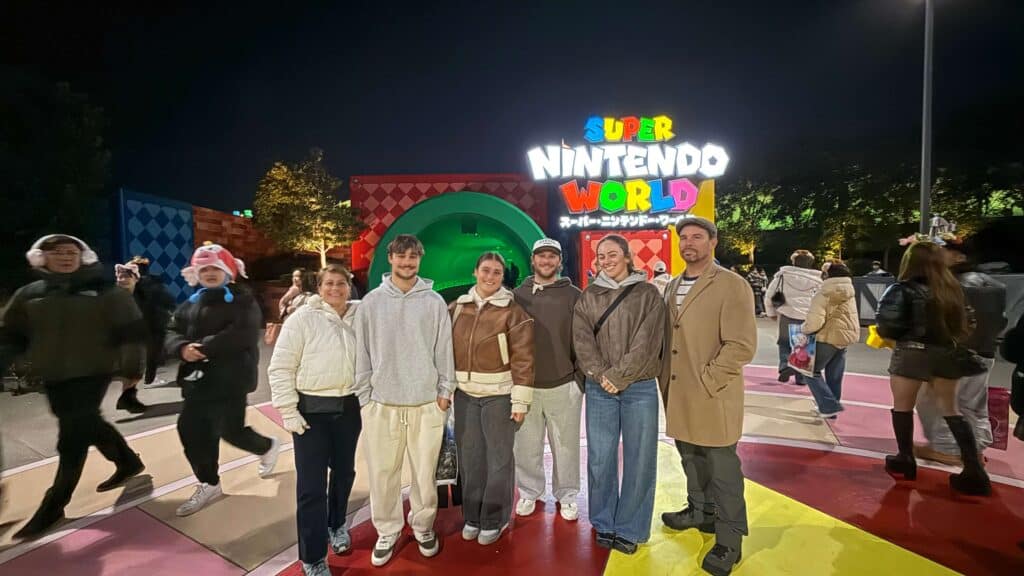
1. Universal Studios Japan—Theme Park Excellence
Why it matters: Universal Studios Japan consistently ranks as Osaka’s top attraction. It genuinely deserves the reputation—the parks, rides, and immersive experiences are genuinely world-class, not generic theme park fare.
What to Experience:
- Super Nintendo World: Extraordinary themed area immersing you in Mario universe. Book timed entry in advance—this is genuinely sought-after.
- Wizarding World of Harry Potter: Rivals anything globally. The detail, atmosphere, and attractions genuinely transport you into the fiction. If you care about Harry Potter, this justifies the visit alone.
- Other Attractions: Jurassic Park, Marvel areas, Jaws, Monster Hunter—rides and entertainment for various interests.
Pro Tips:
- Arrive early (7:30-8:30 am)—the volume of people mid-morning is genuinely extraordinary
- Buy Express Passes if visiting during school holidays (late July, August, late December, spring break)—standard admission means queuing half your day
- Book timed entries in advance, especially for Super Nintendo World
- Tickets start ¥8,400 (USD 55+), cheaper when booked in advance
Cost: ¥8,400-20,000+ (USD 55-130+) depending on season and Express Pass purchase.
Duration: Full day genuinely required (8-10 hours).
2. Shopping Districts—Osaka’s Retail Personality
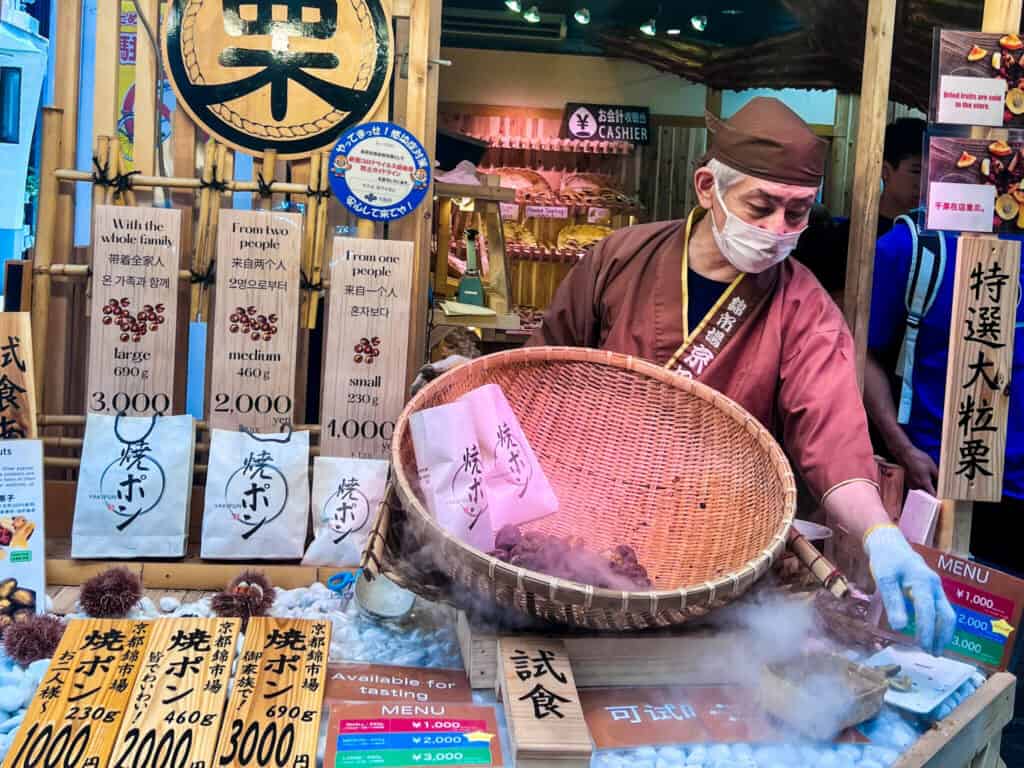
Rather than generic shopping centres, Osaka’s genuine retail character shines in three distinct districts:
Shinsaibashi: Covered arcade stretching nearly a kilometre protecting you from weather. Browse international brands, local boutiques, vintage shops, independent designers on side streets. This is where Osaka actually shops—locals genuinely frequent this area, not just tourists.
Amerikamura (American Village): Despite the name, genuinely nothing like America (thankfully). This is Osaka’s alternative fashion hub—vintage clothing, streetwear, independent designers. If you appreciate fashion beyond department stores, spend an afternoon exploring.
Umeda Underground Shopping: Subterranean streets connecting multiple train stations create genuinely confusing maze. That’s the charm. Find affordable clothing, accessories, restaurants—all without seeing daylight. The underground city reveals authentic local shopping energy.
Pro Tip: Get deliberately lost in side alleys. That’s where authentic boutiques and genuine discoveries exist.
Cost: Highly variable depending on purchases (¥0-∞).
Duration: 2-4 hours depending on shopping commitment.
3. Dotonbori—Beyond Instagram
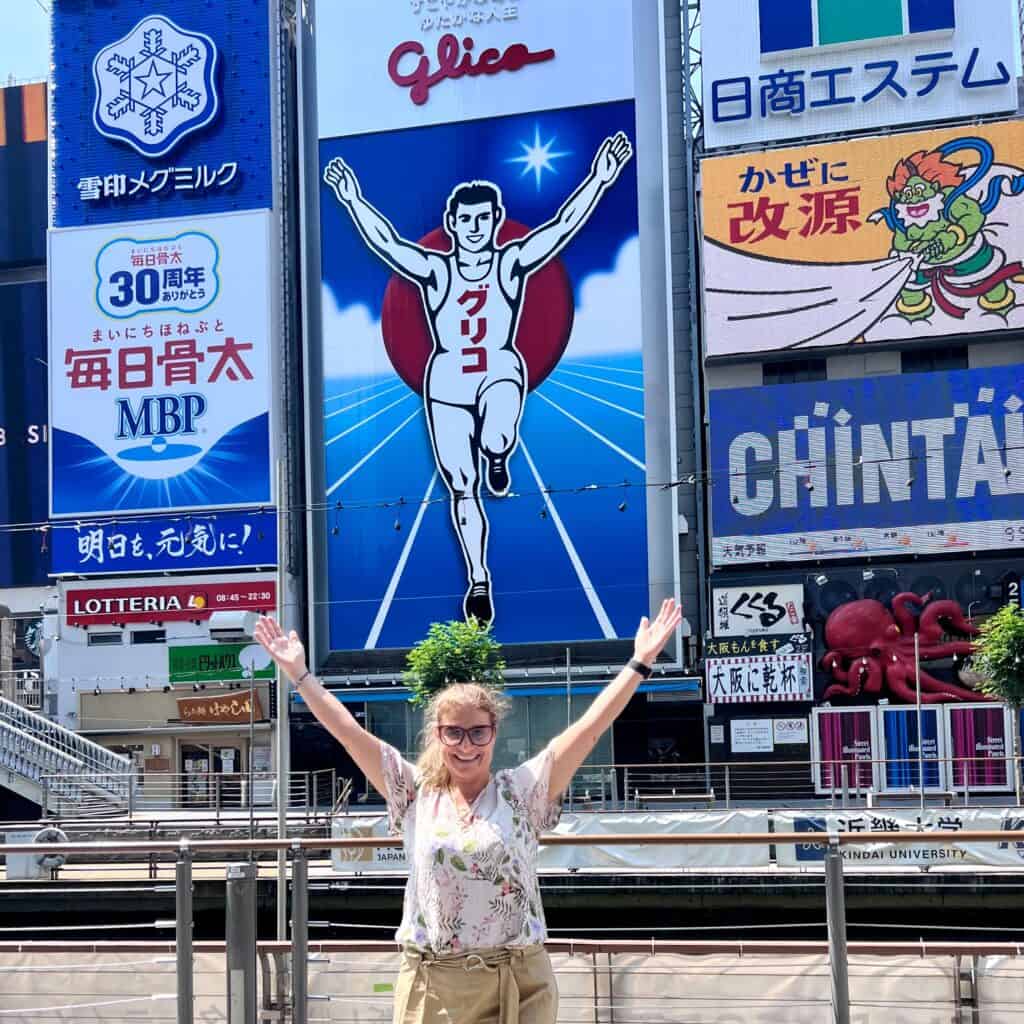
Everyone photographs the Glico Running Man sign. That’s fine—it’s iconic. But Dotonbori’s genuine value appears after 7:00 pm when you venture one street back from the main drag.
What Actually Matters:
- Main drag: Touristy but okay for experiencing the energy and neon—accept it for what it is.
- Side streets: Locals queue for takoyaki at street stalls (not restaurants). Yakitori joints with three tables have perfected one dish for 40 years. Bars showcase genuine Osaka eating culture.
- Neon transformation: After dark, the neon signs illuminate, restaurants open, atmosphere shifts. Day visits feel flat; evening visits feel genuinely alive.
Where to eat:
- Takoyaki from street stalls (not restaurants)—genuinely better quality
- Kushikatsu in nearby Shinsekai (deep-fried skewers, no double-dipping rule)
- Okonomiyaki from places with locals queuing (no queue = skip)
Pro Tip: Go after 7:00 pm. The transformation from touristy day area to genuine eating district is genuinely remarkable.
Cost: ¥1,000-4,000 (USD 7-25) per meal.
Duration: 2-3 hours for exploring and eating.
4. TeamLab Botanical Garden Osaka—Digital Art Magic
What it is: Digital art installations responding to movement throughout botanical gardens. The experience transforms gardens into interactive, otherworldly environments.
Why it matters: It’s photography gold, but more importantly, genuinely beautiful. The digital art isn’t gimmicky—it enhances garden experience rather than replacing it. The integration of technology and nature is genuinely innovative.
What to Experience:
- Digital Installations: Moving flowers, responsive projections, interactive elements that respond to visitor presence.
- Botanical Gardens: Actual plants combined with digital art create layered experience.
- Night Experience: Particularly magical after dark when illumination highlights the installations.
- Photography: Genuinely stunning images possible throughout.
Pro Tip: Book tickets in advance—they genuinely sell out. Night visits are more magical than daytime.
Cost: ¥2,500-3,500 (USD 17-23) depending on day/time.
Duration: 60-90 minutes.
5. Harukas 300 Observatory—Osaka’s Best Views
What it is: Observation deck on the 58th-60th floors of Abeno Harukas (Osaka’s tallest building). 360-degree panoramic views of the city.
Why it matters: Sunset timing reveals Osaka’s transformation from daylight to neon-lit cityscape. The perspective shift is genuinely worth experiencing. Views span the entire Osaka region.
What to Experience:
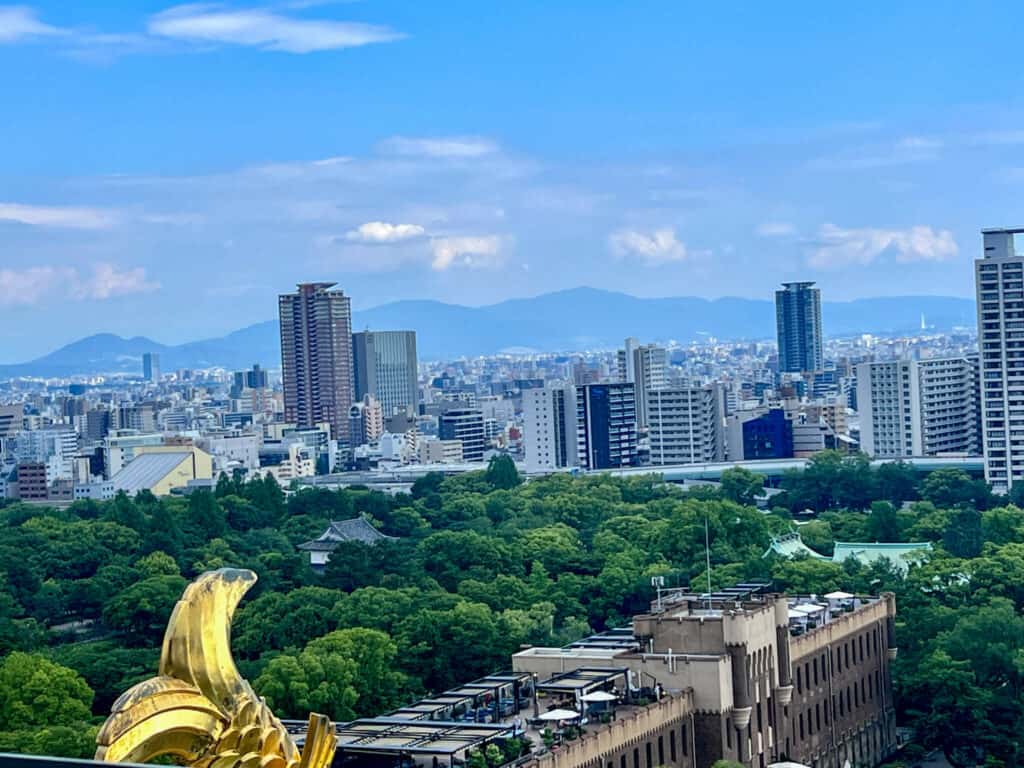
- Panoramic Views: City skyline, Osaka Castle in distance, surrounding regions visible on clear days.
- Sunset Transition: Watching day shift to evening as city lights illuminate is genuinely special.
- Rooftop Access: Some observation decks allow outdoor viewing—genuine height perspective.
- Photography: Excellent light during golden hour for photography.
Pro Tip: Go at sunset if possible—the transition is worth the price. Cost is genuinely reasonable for observation deck experience.
Cost: ¥1,500-2,500 (USD 10-17) depending on time.
Duration: 60-90 minutes.
Location: 1-1-43 Abenosuji, Abeno Ward.
6. Umeda Sky Building’s Floating Garden Observatory
What it is: The “Floating Garden” observation deck on the building’s top floors. The escalator ride ascending the interior is genuinely thrilling in itself.
Why it matters: It sounds gimmicky but delivers genuine experience. The 360-degree views rival Harukas for fraction of the price. The “floating” sensation while ascending is genuinely unique.
What to Experience:
- Interior Escalator Ride: The ascent through the building’s interior is genuinely thrilling.
- Panoramic Views: 360-degree perspectives of Osaka.
- Lower Price Point: More affordable than Harukas but equally impressive views.
Pro Tip: Go at night when neon is visible and “floating” sensation is more apparent.
Cost: ¥800-1,500 (USD 5-10).
Duration: 45-60 minutes.
7. Solaniwa Onsen—Traditional Hot Springs
What it is: Traditional hot spring baths within the city. Mineral-rich waters provide genuine wellness experience after days of walking.
Why it matters: Hot spring culture is genuinely Japanese. The experience reveals wellness traditions—bathing etiquette, communal relaxation, spiritual significance.
What to Experience:
- Mineral Baths: Different pools with varying temperatures and mineral content.
- Relaxation Lounges: Communal spaces for rest after bathing.
- Wellness Rituals: Proper bathing etiquette (rinse before entering, respect quiet) is important.
- Important Note: Anyone with tattoos cannot enter—this is standard across Japan, not discrimination. It reflects traditional bathing culture, not prejudice.
Pro Tip: Go evening after days of walking. The mineral baths genuinely relieve fatigue.
Cost: ¥2,000-3,000 (USD 13-20).
Duration: 90-120 minutes.
8. Hep Five Ferris Wheel—Neon City Views
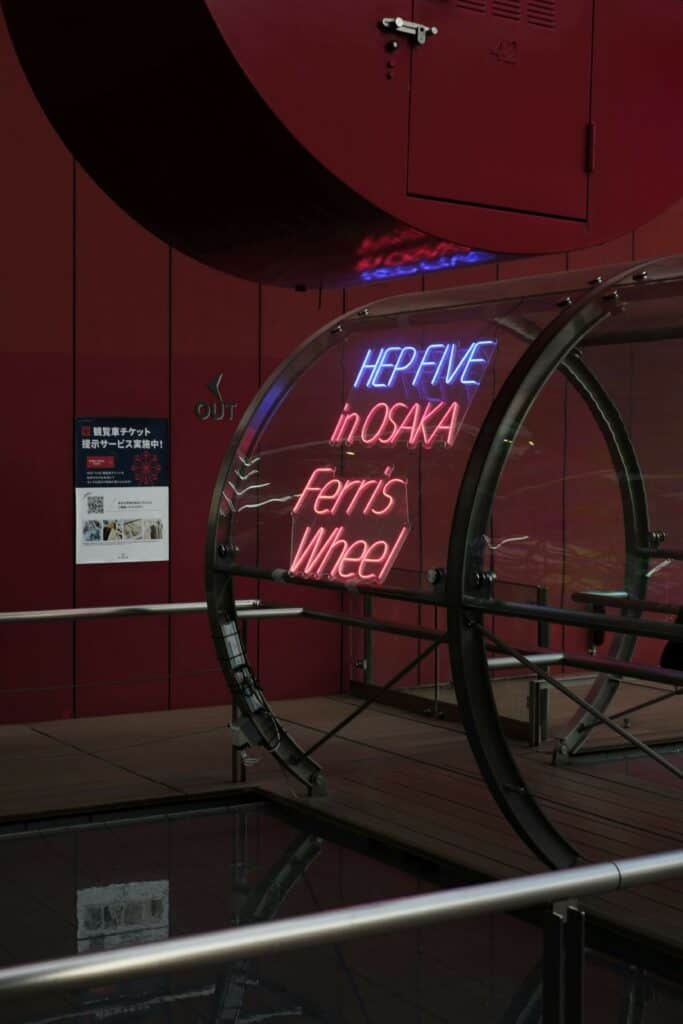
What it is: Ferris wheel atop Hep Five shopping centre. The ride offers surprisingly good city views, particularly magical at night.
Why it matters: It’s accessible, affordable, and genuinely lovely. At night, watching Osaka’s neon glow from above is genuinely beautiful. It captures the city’s modern energy perfectly.
Pro Tip: Go at night when neon comes alive.
Cost: ¥1,000-1,500 (USD 7-10).
Duration: 30-40 minutes.
Location: 5-15 Kakuda-cho, Kita-ku.
Where to Stay
Stay near Namba or Umeda stations—both put you within walking distance of multiple attractions while connecting to the entire city via transit.
Frequently Asked Questions About Osaka Beyond Food
Ready to Explore Osaka?
Osaka rewards curious travellers willing to move beyond obvious tourist sites. Walk Shinsaibashi and Umeda’s underground passages. Eat where locals queue. Experience hot springs. View the city from above. Get deliberately lost in shopping arcades.
The best experiences often happen between scheduled stops. That’s where the real Osaka reveals itself.
Want personalised advice for your Japan trip? Schedule time with me — I can help you plan an itinerary tailored to your interests, whether it’s a quick Osaka stopover or extended Japan adventure.
Follow along on Instagram @trulyexpattravel for real-time travel updates and daily life adventures, or join the Truly Expat Facebook community to connect with other travellers planning their trips.
Affiliate Disclosure: This post contains affiliate links. If you book through them, I may earn a small commission at no extra cost to you—this helps me keep creating free, detailed travel guides. I only recommend services and products I genuinely use and trust after years of travel across Asia.
Running this blog takes a lot of coffee (and countless hours exploring every destination!). If you found this helpful and want to support more honest, detailed travel guides and itineraries, you can buy me a coffee. No pressure though – I’m just happy you’re here and hope you have an incredible adventure! 🙂

Continue Reading
Exploring more of Japan? Check out my Osaka Itinerary for a complete guide to planning your trip, including where to stay and how to navigate the city like a local.
Latest Post
- Where to Stay in Busan: The Best Neighbourhoods for Every Type of Traveller
- 10 Best Things to Do in Busan That Actually Live Up to the Hype
- A Day Trip to the DMZ from Seoul — What to Expect and Why You Should Go
- 5 Days in Seoul: The Perfect Itinerary for First-Timers (and Those Who Just Can’t Get Enough)
- Where to Stay in Seoul: The Best Areas (So You Don’t Waste a Single Day)
Pin It for Later