

Most Tokyo visitors day-trip to Kamakura for one reason: the Great Buddha. They see it, photograph it, leave. But Kamakura is genuinely more than that—a seaside town overflowing with temples, shrines, hiking trails, and authentic Japanese culture. Once Japan’s capital during the Kamakura Period (1185-1333), this town is soaked in samurai history and Zen Buddhism.
The hidden gems aren’t secrets requiring insider knowledge. They’re neighbourhood temples, shrine-lined hiking trails, vibrant shopping streets, and island explorations most day-trippers miss while rushing between major attractions. These five discoveries transform Kamakura from “quick day trip” to “genuinely worth a longer stay.”
Table of Contents
Essential Information Before You Go
Visa & Insurance
iVisa confirms Japan visa requirements. SafetyWing covers medical mishaps and travel disruptions.
Best Time to Visit
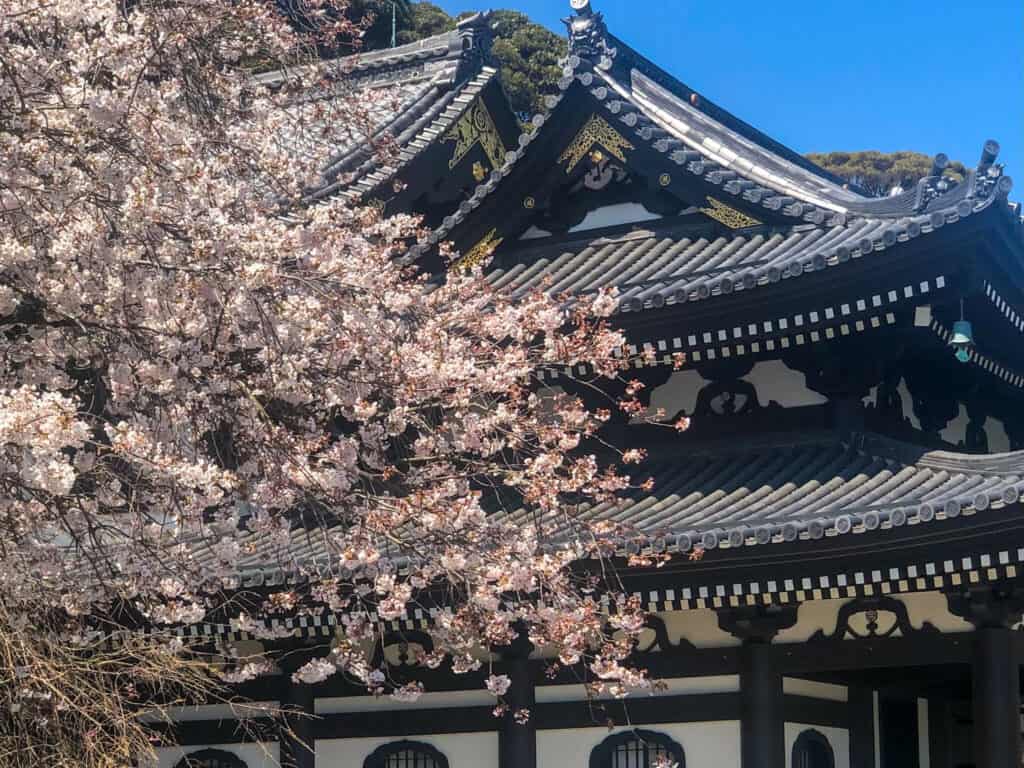
Spring (March-May): Cherry blossoms transform parks and temples. Mild temperatures. Picturesque atmosphere. Tsurugaoka Hachimangu Shrine and Kamakura-gu Shrine offer breathtaking blossom views.
Autumn (September-November): Comfortable weather. Lower rainfall. Peaceful atmosphere. Beautiful foliage in temple grounds.

Getting to Kamakura
Fly to Tokyo (6-7 hours from Singapore).
From airport to Kamakura:
- Haneda Airport: Private transfer (book online) or train to Tokyo, then local train to Kamakura (approximately 2 hours total)
- Narita Airport: Train options available (longer journey)
From central Tokyo
Direct train to Kamakura Station (approximately 1 hour from central Tokyo).
Getting Around Kamakura
Local trains, buses, rental bikes work well. Walking is genuinely best for temple exploration. The Enoden tram is charming and connects to Enoshima.
Internet
Airalo eSIM provides reliable connectivity for navigation.
Currency & Tipping
Japanese Yen (¥) is official currency. Carry cash for small shops and shrines. Tipping isn’t done in Japan—excellent service is expected and included. A sincere thank you means more than money.

The 5 Hidden Gems of Kamakura
1. Zeniarai Benzaiten Shrine—Money-Washing Miracle
What it is: A 12th-century Shinto shrine dedicated to Benten (deity of fortune), accessed via a tunnel cut directly into a cliff face. The main attraction: a sacred spring where visitors wash money believing it multiplies.
Why it matters: Zeniarai Benzaiten represents Japanese folk religion and superstition authentically. The ritual of washing money is genuinely charming—locals and tourists alike gather to bathe coins, notes, even credit cards (yes, people wash credit cards). The shrine feels genuinely hidden—the cliff tunnel entrance creates intimate, otherworldly atmosphere.
What to Experience:
- Cliff Tunnel Access: Walk through a naturally carved tunnel—genuinely atmospheric and genuinely cool. The tunnel creation reveals centuries of pilgrimage.
- Money-Washing Ritual: Collect a small basket, fill it with coins or notes, rinse in the sacred spring. The ritual is meditative and genuinely fun. Whether you believe in fortune multiplication or not, the experience is genuinely memorable.
- Pond Island Shrine: Smaller shrines dot a pond on the shrine grounds. Walk the paths observing the water, smaller structures, peaceful atmosphere.
- Smaller Shrines: Multiple smaller shrines throughout the grounds reveal Japanese religious layering—multiple deities and traditions coexisting.
Pro Tip: Visit early morning (8:00-9:00 am) to avoid crowds and experience genuine peace. Bring small coins (¥100-500 notes). The tunnel and spring are genuinely atmospheric early morning.
Cost: Free to enter. Optional donations ¥100-500.
2. Tsurugaoka Hachimangu—Overlooked Main Shrine
What it is: Kamakura’s main Shinto shrine, dedicated to Hachiman (god of victory). Built in 1063, the shrine sits on a hill overlooking a main street lined with giant torii gates.
Why it matters: Most visitors skip Tsurugaoka Hachimangu rushing to the Great Buddha. But this shrine is genuinely significant—architecturally beautiful, historically important, and peaceful. The 1,000-year-old ginkgo tree (uprooted in 2010 but regrown) represents resilience and nature’s power.
What to Experience:
- Giant Torii Gates: Massive red gates line the main road below the shrine. Walking through them creates processional atmosphere—you’re following centuries of pilgrims.
- Shrine Complex: Traditional buildings showcase Japanese architecture. The main shrine features intricate details and spiritual atmosphere.
- Ancient Ginkgo Tree: The 1,000-year-old tree (partially destroyed in 2010, now regrowing) is genuinely impressive. The trunk’s resilience is poignant and genuinely moving.
- Horseback Archery: If timing aligns (seasonal), you may witness traditional horseback archery—samurai martial arts still practiced. Genuinely spectacular.
- Hill Views: From the shrine, views down the main street and surrounding town reveal Kamakura’s scale and layout.
Pro Tip: Visit mid-morning (10:00-11:00 am) after breakfast, before crowds arrive. Spring cherry blossoms transform the area into something genuinely magical.
Cost: Free to enter.

3. Sasuke Inari Shrine—Ninja Legend Shrine
What it is: A 12th-century shrine built by Minamoto no Yoritomo (first shogun of Kamakura Period). Legend claims he was visited in dreams by an elderly man from a “Hidden Village” (allegedly precursor to ninja). He built this shrine to Inari (deity of prosperity and agriculture) in gratitude.
Why it matters: Sasuke Inari combines history, legend, and stunning visual aesthetic. The dozens of red torii gates stretching up the hillside create genuinely striking atmosphere—similar to Fushimi Inari in Kyoto but far less crowded.
What to Experience:
- Red Torii Gate Tunnel: Walk through repeated red gates creating a tunnel effect. The repetition is meditative and genuinely beautiful.
- White Fox Statues: Inari messengers line the path—white foxes with knowing expressions. The imagery is genuinely charming.
- Red Flags: Bright red prayer flags dot the shrine grounds, creating colour and spiritual energy.
- Hidden Village View: From the shrine, you can see the valley where the legendary “Hidden Village” allegedly existed—the precursor to ninja communities.
- Hiking Continuation: From Sasuke Inari, hiking trails continue deeper into Kamakura’s hills. If time allows, continue exploring the forested paths.
Pro Tip: Go early morning (7:30-8:30 am) for peaceful experience and soft light illuminating the red gates. The shrine is genuinely less crowded than Fushimi Inari despite similar visual appeal.
Cost: Free to enter.
4. Komachi Street—Living Japanese Commerce
What it is: A vibrant shopping street directly next to Kamakura Station. Boutiques, cafés, snack vendors, souvenir shops, clothing stores, narrow side alleys. This is where locals and tourists mix—genuinely authentic neighbourhood energy.
Why it matters: Komachi Street reveals contemporary Japanese culture. Rather than observing Kamakura through temples, you participate in everyday Japanese shopping and eating. The side alleys especially hide genuine neighbourhood restaurants and shops—this is where locals actually eat and shop.
What to Experience:
- Main Street Browsing: Walk slowly through the main thoroughfare. Shops showcase local crafts, traditional snacks, contemporary fashion. Browse, discover, buy what interests you.
- Side Alley Exploration: Turn off the main street into narrow side roads. Hidden cafés, tiny restaurants, local bars exist in these alleys. Getting deliberately lost here leads to genuine discoveries.
- Snacking: Small food stalls sell takoyaki, okonomiyaki, crepes, local specialities. Eat while walking—genuinely casual Japanese style.
- Souvenir Shopping: Original gifts and crafts exist throughout—not just tourist kitsch but genuinely nice items reflecting local culture.
- Café Culture: Traditional tea houses and contemporary cafés coexist. Stop for tea, coffee, or a light meal watching foot traffic.
Pro Tip: Visit mid-morning (10:00-11:30 am) or late afternoon (3:00-5:00 pm) to avoid lunch and dinner rushes. Early morning (8:00-9:00 am) is genuinely peaceful and local. Get slightly lost on side streets—that’s where authenticity lives.
Cost: Shopping and food ¥500-2,000 (USD 3-13) per item.

5. Enoshima—Charming Island Escape
What it is: A small island west of Kamakura accessible by the adorable Enoden tram. The island features shrines, temples, scenic pathways, ocean vistas, and restaurants with Mount Fuji views (weather permitting).
Why it matters: Enoshima offers escape from Kamakura’s temple-heavy atmosphere. The charming tram ride reveals everyday Japanese life—houses, canals, children, locals—providing genuine glimpses beyond tourist areas. The island itself feels genuinely peaceful and genuinely special.
What to Experience:
Enoden Tram Ride: The narrow-gauge tram runs on tracks between houses and across canals. The journey itself is the experience—slow, charming, genuinely authentic. This is how locals travel, not how tourists typically experience Japan.
Island Exploration: Winding pathways lead up and down the small island. Discover shrines, temples, viewpoints. The exploration is genuinely organic—no rushing, just wandering.
Mount Fuji Views: If weather cooperates and visibility is good, Mount Fuji looms in the distance to the west. The views are genuinely spectacular when conditions align.
Staircases & Views: Multiple staircases lead upward offering sea vistas. Each viewpoint reveals different perspectives of the ocean and surrounding islands.
Island Restaurants: Eateries range from traditional to contemporary. Some serve pizza overlooking the ocean—genuinely charming contrast. Fresh seafood is excellent and genuinely reasonably priced.
Pro Tip: Go mid-day (11:00 am-2:00 pm) for best Mount Fuji visibility. Combine Enoshima with Komachi Street in one day—they’re easily connected by the Enoden tram. The tram ride is genuinely worth experiencing multiple times.
Cost: Tram ride ¥150-200 (USD 1-2). Shrine/temple entry usually free. Meals ¥1,000-3,000 (USD 7-20).

Tour Recommendations
- Kamakura day trip from Tokyo – If you only have one day to explore, why not hop onto a tour from Tokyo and allow the tour guide do all the hard work, by taking you to the top places Kamakura has to offer for first time visitors?
- Kamakura private walking tour – If you are anything like me and love knowing about the history of the area, then hop onto a walking tour and enjoy hearing from one of the areas knowledgeable guides?
- Kimono Rental – If you want the perfect photos in the perfect location in the area, why not be creative, dress in a traditional Kimono and allow a professional photographer to take the photos that you will keep for a lifestime?
Where to Stay in Kamakura
Beachfront & Spacious: Yuigahama 千世
Located close to Yuigahama Beach and Zaimokuza Beach. Beachfront accommodation with amazing ocean views. 2 bedrooms, kitchen, washing machine, parking. Perfect for families or friends wanting space and beach access. Close to major attractions. [PLACEHOLDER: Yuigahama 千世 booking link]
>> Check prices and availability here.
Budget & Peaceful: B&B Kamakura
Close to both Zaimokuza Beach and Yuigahama Beach. Air-conditioned rooms with shared bathroom. Beautiful garden and shared lounge. Genuinely good value. Close to major attractions. Perfect for budget travellers seeking peaceful atmosphere. [PLACEHOLDER: B&B Kamakura booking link]
>> Check prices and availability here.

Frequently Asked Questions About Kamakura’s Hidden Gems
Ready to Discover Kamakura’s Hidden Depths?
Kamakura rewards curiosity. The Great Buddha is genuinely worth seeing, but the hidden gems reveal what makes Kamakura genuinely special—peaceful shrines, charming trams, authentic shopping streets, island beauty, genuine Japanese culture beyond major attractions.
Come with time. Wander. Get deliberately lost on side streets. Wash money for luck. Ride the Enoden tram. Eat local food. Sit in gardens. These small moments create memories far better than checking boxes.
Want personalised advice for your Japan trip? Schedule time with me — I can help you plan an itinerary tailored to your interests, whether it’s a quick Osaka stopover or extended Japan adventure.
Follow along on Instagram @trulyexpattravel for real-time travel updates and daily life adventures, or join the Truly Expat Facebook community to connect with other travellers planning their trips.
Affiliate Disclosure: This post contains affiliate links. If you book through them, I may earn a small commission at no extra cost to you—this helps me keep creating free, detailed travel guides. I only recommend services and products I genuinely use and trust after years of travel across Asia.
Pin it for later

Would you like more information about Japan?
Important Information
Car Hire– If you are planning to hire a car on your next trip, DiscoverCars is the perfect solution, why? Because you will find it in most countries around the world and all mandatory fees are included in the price, so there are no hidden surprises.
E-sim– If you want to know the most affordable way to be connected when travelling, it is with an e-sim. I have to admit I have come late to the party on this one, and I wish I had known earlier as it would have saved me hundreds of dollars in the past. I have been using Airalo for the past few months now and it has been so easy to set up and use while I am away.
Airline Tickets– CheapOair is a leading provider of airline tickets, hotel rooms, rental cars and vacation packages with top travel brands to choose from globally. The CheapOair brand provides diversified travel services, however I highly recommend checking out their airline ticket options for best prices.