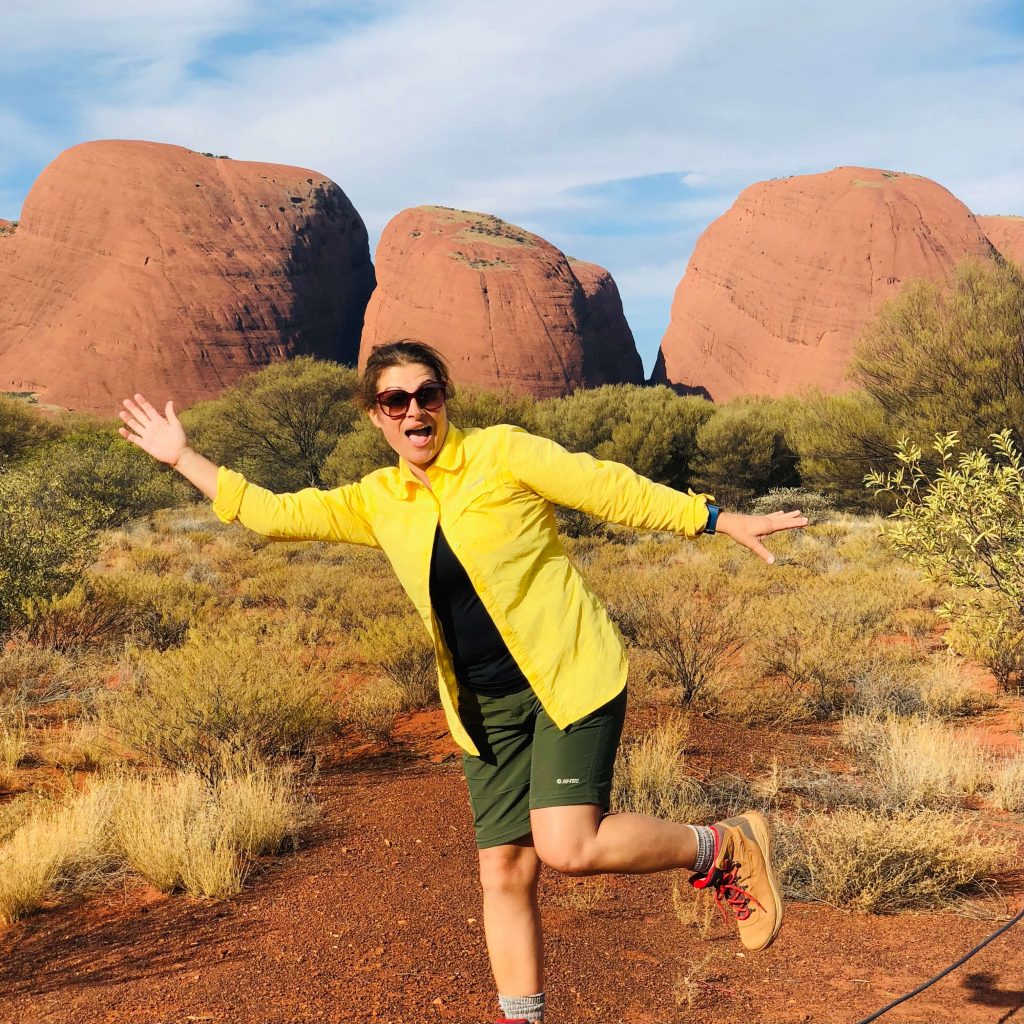
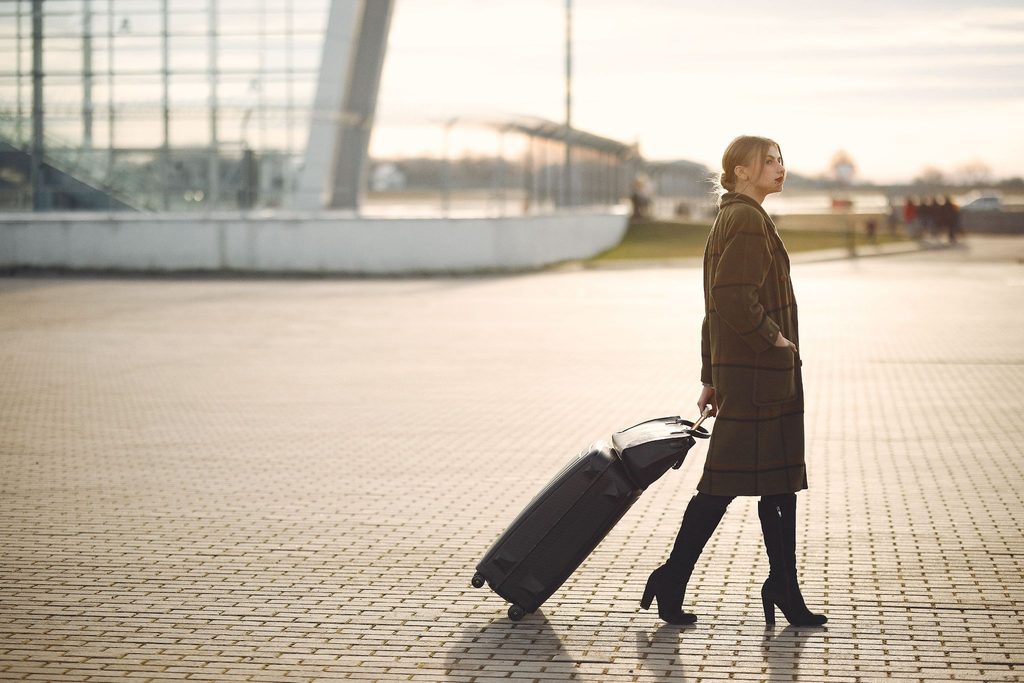
I have done a lot of long-haul flights over the years. Living as an expat in Asia means family visits, school holidays and work trips that rarely involve a quick hop.
In This Guide
But the journey to Vancouver always seems to hit my skin harder than most. By the time I step out into that soft West Coast drizzle, my hands feel like paper, my face is tight and my lips are begging for mercy.
So I started paying attention to what actually happens to skin over a 16-hour travel day, and what helps. Here is everything I have learned, stage by stage.
Why Long-Haul Flights Dry You Out
It is not your imagination. Plane air really is that dry.
A National Research Council report on the airliner cabin environment found that cabin humidity is typically between 10% and 20%. The same report notes that low humidity may cause drying of the skin, mucous membranes and eyes, and that passengers on longer flights reported more symptoms.
That is very dry air by any standard. Spend a full day in that air and your skin loses moisture steadily, hour after hour.
The catch is that you cannot just bring a giant pot of cream on board. Canada’s airport security agency, CATSA, says carry-on liquids, gels and creams must be in containers of 100 ml or less, and all of them must fit in a single clear 1 L bag. So every product needs to earn its place.
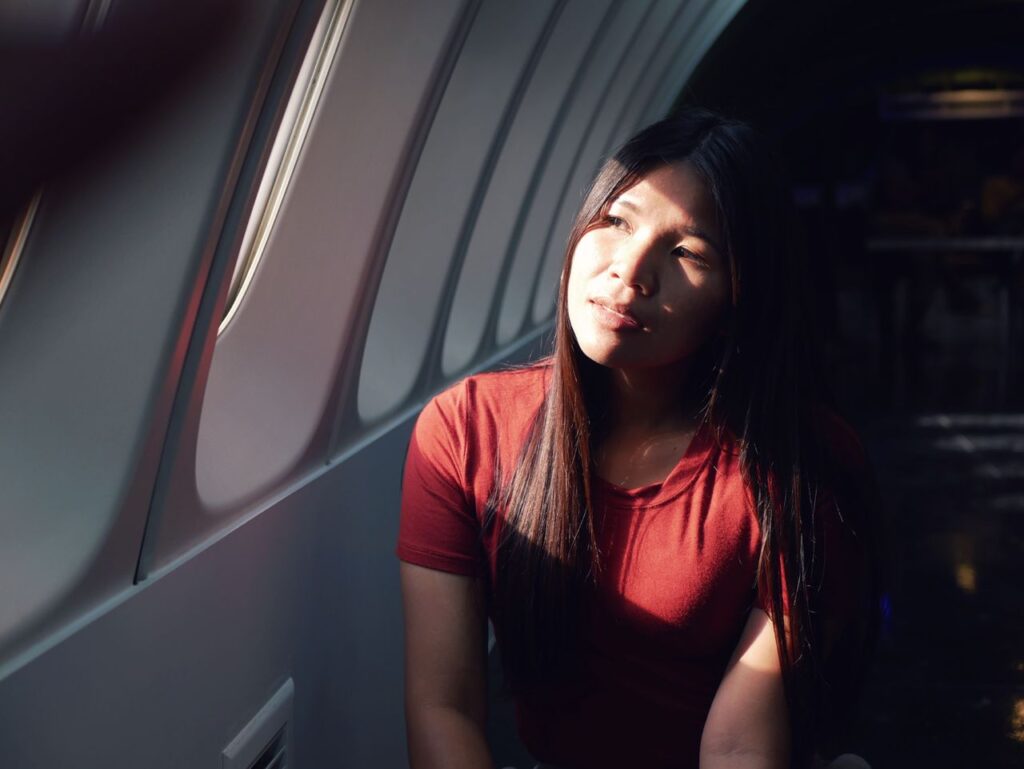
Why a Natural Body Lotion Lives in My Carry-On
Most travel skincare advice focuses on the face. Sheet masks, serums, mists. But on a long flight, the skin on your hands, arms and legs gets just as dry, and nobody talks about it.
That is why a small tube of body lotion is the first thing I pack. I look for natural body lotions that absorb quickly, do not feel greasy on a plane seat and smell calming rather than overpowering.
One brand I keep coming back to is Comfort Zone. Their range of natural body lotion options is made primarily from natural ingredients, and the Tranquillity Body Lotion has an aromatic scent that genuinely helps me unwind somewhere over the Pacific. If your lotion comes in a larger bottle, decant it into a small travel container to stay within the liquids rules.
Body lotion is also the easiest way to feel human again. A quick swipe on your hands and forearms halfway through the flight makes a surprising difference.
Boarding – The Calm Before the Dry
Your skin starts the journey in decent shape. This is the moment to give it a head start.
I moisturise well before leaving home, including a good layer of body lotion on my legs and arms. I skip heavy makeup, because foundation can cling to dry patches by the end of the flight.
Skin fix: Moisturise at home, wear comfortable layers and keep your liquids bag easy to reach.
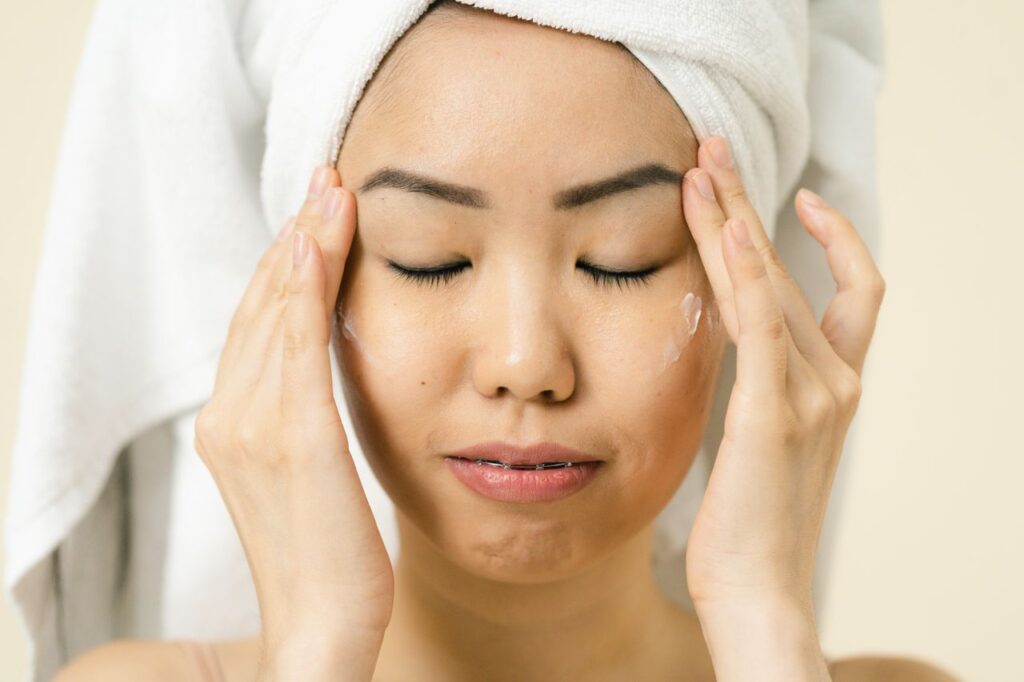
Cruising Altitude – Where the Drying Starts
Once the seatbelt sign goes off, the dry air gets to work. This is usually when I notice my hands first, especially after using hand sanitizer.
I wash my face with a gentle wipe or a splash of water, then apply a light moisturizer. Then it is body lotion on hands and forearms, and lip balm on repeat.
Skin fix: Reapply lotion after every hand wash or sanitizer use.
The Long Middle – Sleep, Snacks and Salt
Somewhere in the middle of a long flight, routines fall apart. Salty snacks, a glass of wine, a movie marathon and a few hours of broken sleep.
This is where skin can look dull and puffy. Drinking water helps you feel better, and a fresh layer of moisturizer before you try to sleep gives your skin a little extra protection overnight.
Skin fix: Go easy on alcohol, drink water and moisturize before you close your eyes.
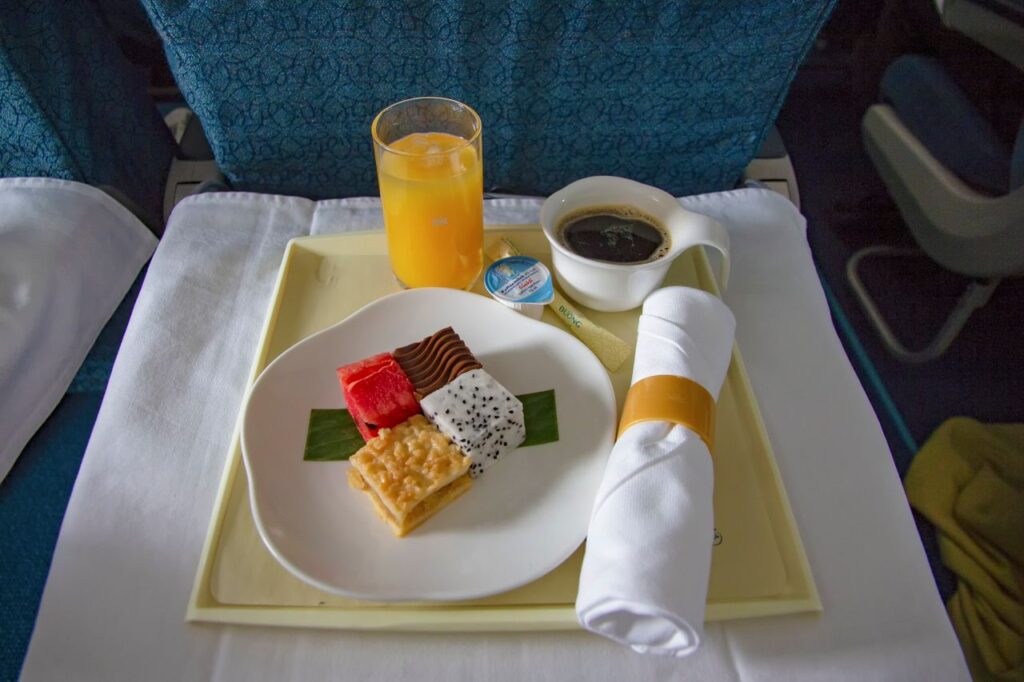
Descent – Getting Ready to Land
Before the descent begins, I do a quick refresh. Face moisturizer, a little tinted balm and one more layer of body lotion on my hands.
It is a small ritual, but it helps me feel ready to walk out of the airport rather than crawl out of it.
Skin fix: Refresh your face and hands before landing, so you arrive feeling more put together.
Arrival in Vancouver – Rain, Jet Lag and Recovery
Vancouver’s damp air can feel like a gift after a long flight, but do not let it fool you. Indoor heating in hotels and homes can dry skin out all over again.
The HealthLinkBC guidance from the British Columbia government recommends patting skin dry and applying moisturizer right away while it is still damp, using lukewarm rather than hot water and considering a humidifier if the air is very dry. That first shower after the flight is the perfect time to put it into practice.
Jet lag plays a part too. The NHS jet lag guidance says it usually improves within a few days, and suggests staying hydrated, limiting caffeine and alcohol and getting outside in daylight to help your body clock adjust. Better sleep shows up on your skin, so do not underestimate a good walk along the Seawall.
Skin fix: Shower in lukewarm water, moisturise while damp and get outside in daylight.
5 Questions People Actually Ask About Skin and Long-Haul Flights
1. Do I really need body lotion for a flight? If you fly long-haul often, yes. Your face gets most of the attention, but your hands and arms dry out just as fast in cabin air.
2. Can I bring body lotion in my carry-on? Yes, as long as it follows the liquids rules at your departure airport. Flying out of Canada, that means the CATSA size limit above and a clear liquids bag.
3. Should I wear makeup on a long flight? I keep it minimal. A moisturizer and lip balm are usually enough until just before landing.
4. Will drinking water fix dry skin on a plane? It helps you feel better, but it is not enough on its own. Moisturising your skin from the outside makes a much bigger visible difference.
5. How long does it take for skin to recover after a long flight? Usually a few days, especially once your sleep settles and you are back to your normal routine.
Thank you for reading! I would love to hear your own long-haul skin tips, so please share them in the comments below.
Running this blog takes a lot of coffee (and countless hours exploring every destination!). If you found this helpful and want to support more honest, detailed travel guides and itineraries, you can buy me a coffee. No pressure though – I’m just happy you’re here and hope you have an incredible adventure! 🙂

This post may contain affiliate links, meaning we may receive a commission at no extra cost if you purchase through a link. Please see our full disclosure for further information.
Check out my Instagram page or join the Truly Expat Facebook group.
Latest Posts
- What 16 Hours to Vancouver Does to Your Skin
- Nar Phu Trek and Annapurna Circuit Trek: Two Himalayan Routes, One Deeper Journey
- A Guide to Himalayan Adventures in Nepal: Trekking, Helicopter Tours and Peak Climbing
- Annapurna Circuit Trek: What to Expect?
- Choosing Your Himalayan Adventure in Nepal: From Remote Treks to Peak Expeditions