

Kyoto is genuinely complete as a destination on its own—3-4 days exploring temples, gardens, neighbourhoods rewards you fully.
But if you have additional time, the surrounding Kansai region offers genuinely different experiences accessible by quick Shinkansen rides. These day trips expand your Japan experience beyond Kyoto’s contemplative pace into historical depth, natural beauty, and cultural diversity.
The beauty of Kyoto‘s location is accessibility. You can leave early morning, explore somewhere genuinely different, and return by evening. Five day trips represent different appeals—peace memorial sites, ancient temples, castle architecture, natural hot springs, lakeside beauty. Choose based on what calls to you.
Table of Contents
Essential Information Before You Go
Visa & Insurance
iVisa confirms Japan visa requirements. SafetyWing covers medical mishaps and travel disruptions.
Best Time to Visit
Cherry Blossom Season (Late March-Early April): Mild weather (10-18°C). Delicate pink blooms. Peak tourism but genuinely magical.
Autumn Foliage Season (Late October-Early December): Cool weather (10-20°C). Stunning reds, oranges, golds. Peaceful atmosphere. Often preferred—equally beautiful with fewer crowds.
Getting to Kyoto
- Fly to Osaka (6.5 hours from Singapore via Singapore Airlines, Scoot, Jetstar Asia Airways, Japan Airlines, or ANA).
- From Kansai International Airport to Kyoto:
- Shinkansen bullet train from Shin Osaka Station (15 minutes)—fastest
- Train + bus combination (just over 1 hour)—economical
- Private transfer (under 1 hour)—convenient

Getting Around for Day Trips
Shinkansen (bullet train) connects major cities efficiently. Book advance tickets for better rates. IC cards work for local transport.
Internet
Airalo provides reliable connectivity for navigation and booking.
Currency & Tipping
Japanese Yen (¥) is official currency. Carry cash for smaller vendors. Tipping isn’t done in Japan—excellent service is expected and included. A sincere thank you means more than money.

The 5 Best Day Trips from Kyoto
Hiroshima & Miyajima Island—History & Sacred Beauty
What it is: Hiroshima represents Japan’s devastating past and remarkable resilience. The Peace Memorial Park and Museum provide sobering historical context. Miyajima Island, accessible by ferry, features the iconic floating torii gate and peaceful spiritual atmosphere.
Why it matters: This day trip combines history education with natural beauty. Understanding Japan’s atomic bombing experience is important for contextualizing modern Japan. Miyajima’s spiritual significance completes the journey—from confronting tragedy to finding peace.
What to Experience:
- Hiroshima Peace Memorial Park: Large park honouring victims of the atomic bombing. The memorial architecture is genuinely moving.
- Peace Memorial Museum: Documents the bombing’s devastating effects. Sobering but important historical context. Allow 90 minutes minimum.
- Miyajima Island Ferry: Short scenic ferry ride. The approach reveals the iconic floating torii gate gradually.
- Itsukushima Shrine: The floating torii gate is genuinely iconic. Timing matters—visit at high tide when the gate appears to float on water.
- Island Exploration: Walk through picturesque streets. Local restaurants serve fresh seafood and island specialities. The peaceful atmosphere contrasts Hiroshima’s heaviness—this contrast is genuinely meaningful.
Pro Tip: Start early (7:00 am departure). The day requires 10-11 hours total. Book accommodation in Hiroshima if you want to linger. Timing your Miyajima visit for high tide (the floating torii gate effect depends on water level) matters.
Cost: Shinkansen ¥10,000-15,000 (USD 65-100) round trip. Museum ¥200 (USD 1-2). Ferry ¥180 (USD 1). Meals ¥1,500-4,000 (USD 10-25).
Duration: 10-11 hours from Kyoto..
Recommended Tour –From Osaka or Kyoto: Hiroshima and Miyajima Train & Bus Tour

Nara—Ancient Temples & Sacred Deer
What it is: Just 45 minutes from Kyoto by train, Nara is one of Japan’s oldest cities. Home to Todaiji Temple (housing the world’s largest bronze Buddha statue) and Nara Park (where wild deer roam freely).
Why it matters: Nara represents ancient Japan spiritually and architecturally. The deer park is genuinely unique—you interact with wildlife within urban temple grounds. The scale of Todaiji Temple’s Buddha statue is genuinely impressive.
What to Experience:
- Nara Park: Roaming deer approach visitors openly. They’re not afraid—feed them specially sold crackers (¥150-200). The interaction is genuinely charming and genuinely Nara-iconic.
- Todaiji Temple: Houses a giant bronze Buddha statue (15 metres tall). The scale is genuinely impressive. The temple complex is vast—allow 90 minutes exploring.
- Kasuga Taisha Shrine: Beautiful Shinto shrine surrounded by thousands of stone lanterns. Genuinely peaceful and genuinely photogenic. Less crowded than Todaiji.
- Temple Exploration: Walk through forested temple grounds. The atmosphere is genuinely serene despite tourist presence.
- Local Food: Kakinoha-zushi (persimmon leaf sushi) is a local specialty. Kakinoha-zushi restaurants throughout the city serve this fresh, light dish.
Pro Tip: Visit early morning (7:30-8:30 am) to see deer and experience temples before crowds arrive. Bring cash for deer crackers and parking. Respectfully feed deer—they can be pushy for treats.
Cost: Train ¥700-900 (USD 5-6) round trip from Kyoto. Deer crackers ¥150-200. Todaiji Temple ¥600 (USD 4). Kasuga Taisha ¥500 (USD 3). Meals ¥1,000-3,000 (USD 7-20).Duration: 6-8 hours including travel.
Recommended Tour – From Kyoto: Guided Day Trip to Kyoto and Nara with Lunch

Himeji Castle—Masterpiece of Japanese Architecture
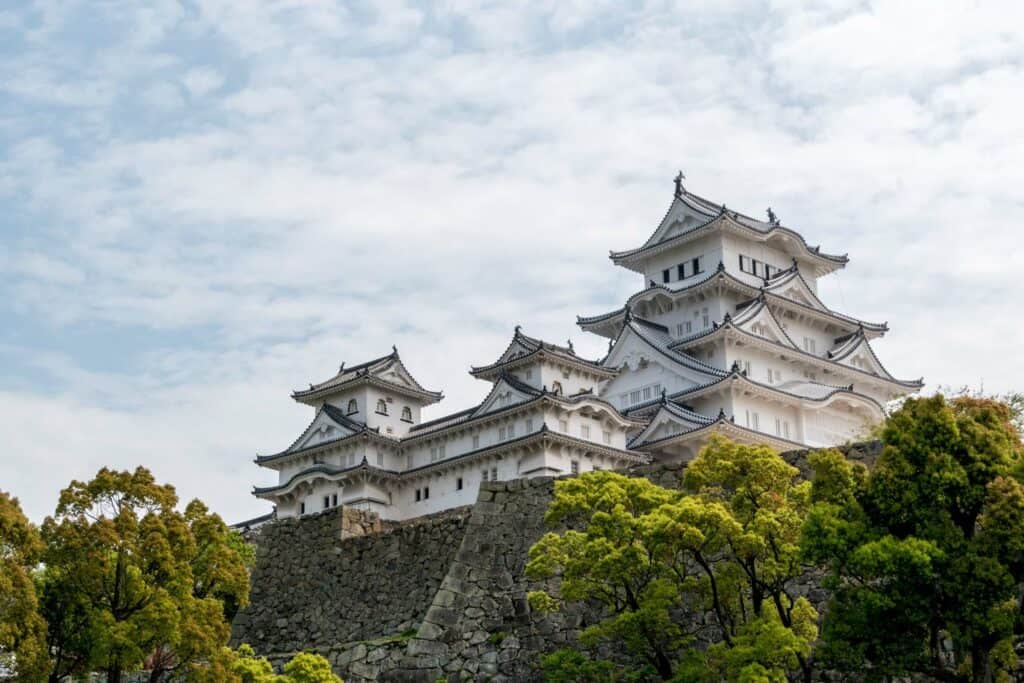
What it is: One of Japan’s most spectacular castles and a UNESCO World Heritage site. Himeji Castle’s elegant white exterior and preserved complex represent medieval Japanese architecture and defensive engineering beautifully.
Why it matters: Himeji Castle is architecturally genuinely impressive. The fortress design, defensive systems, gardens, and views from the main keep reveal how castles actually functioned beyond aesthetic appeal. It’s history made tangible.
What to Experience:
- Castle Complex Exploration: Walk through multiple levels. The architecture reveals design sophistication—narrow staircases designed to slow invaders, defensive positioning, elegant aesthetic balance.
- Panoramic Views: From the main keep’s top, views span the surrounding landscape. On clear days, visibility extends impressively far.
- Defensive Systems: Observe arrow slits, gun ports, defensive gardens. The engineering is genuinely clever.
- Gardens: Surrounding gardens provide respite and seasonal beauty.
- Local Exploration: Himeji town surrounding the castle has restaurants and shops. Allow time for local food.
Pro Tip: Book skip-the-line tickets in advance during peak season. The castle gets genuinely crowded midday—arrive early (8:00-9:00 am) or late afternoon (4:00+ pm). Wear comfortable shoes—lots of stairs and walking.
Cost: Shinkansen ¥7,000-9,000 (USD 45-60) round trip. Castle entry ¥1,000 (USD 7). Meals ¥1,000-3,000 (USD 7-20).
Duration: 8-10 hours including travel.
Recommended Tour – Himeji Perfect 1-Day Bus Tour from Kyoto/Osaka

Kinosaki Onsen—Traditional Hot Spring Town
What it is: A charming hot spring town featuring traditional architecture, multiple public bathhouses, and ryokan (traditional inns). The town is genuinely designed around hot spring culture—visitors move between bathhouses in yukata (light robes).
Why it matters: Onsen culture is genuinely Japanese. Experiencing a traditional hot spring town reveals how locals actually relax and socialize. The bathing rituals, the architectural style, the pace—everything reflects centuries of Japanese wellness tradition.
What to Experience:
- Public Bathhouses: Several traditional onsen exist throughout town. Each has different mineral content and water temperature. The bathing etiquette is important—rinse before entering, respect quiet atmosphere.
- Yukata Wearing: Guests wear lightweight yukata robes walking between bathhouses. The practice feels genuinely cultural and creates authentic small-town atmosphere.
- Street Exploration: Walk cobblestone streets lined with traditional buildings, tea houses, restaurants. The pace is genuinely slow and peaceful.
- Local Restaurants: Traditional cuisine featuring local ingredients and seasonal specialties. Dinner often includes kaiseki (multi-course meal)—luxurious and thoughtful.
- Evening Atmosphere: The town is genuinely beautiful at dusk when bathhouses illuminate and locals gather for evening bathing.
Pro Tip: Consider staying overnight rather than day-tripping—the onsen experience is designed around multiple bathing sessions and leisurely pace. If day-tripping, arrive mid-morning, bathe, eat lunch, bathe again, explore town, eat dinner, bathe final time, return to Kyoto. Book accommodations or restaurant bathing in advance.
Cost: Train ¥3,000-5,000 (USD 20-33) round trip. Onsen entry ¥600-1,000 (USD 4-7) per bathhouse. Meals ¥2,000-8,000+ (USD 13-50+) depending on dining choices.
Duration: 6-8 hours if day-tripping; better as overnight experience.
Recommended Tours:
- Arashiyama Bamboo Grove Day Trip from Kyoto with a Local: Private & Personalized
- Kinosaki Onsen Cycling Tour Kinosaki & Riverside Experience

Lake Biwa & Osaka Castle—Nature & Urban History
What it is: Lake Biwa is Japan’s largest freshwater lake. Osaka Castle is one of Japan’s most famous castles. This combination trip pairs natural beauty with urban historical exploration.
Why it matters: Lake Biwa represents Japan’s natural landscape and outdoor recreation culture. Osaka Castle’s history (built 1583) reveals feudal Japan’s power structures. Together, they provide contrast between natural and built environments.
What to Experience:
- Lake Biwa Options:
- Boating: Scenic boat rides across the lake
- Cycling: Trails along the lakeside with beautiful views
- Hiking: Various trails ranging from easy to challenging
- Scenic Drives: Car rental allows flexible exploration
- Osaka Castle Exploration:
- Historic fortress complex with multiple levels
- Views from main keep spanning Osaka cityscape
- Museum exhibits explaining castle history
- Surrounding park with gardens and peaceful spaces
- Osaka City Exploration: Walk through surrounding neighbourhoods, eat at renowned Osaka restaurants, experience Japan’s second-largest city’s energy.
Pro Tip: Rent a car or book a guided tour for Lake Biwa—public transport is limited for lake exploration. Osaka Castle is easily accessible by train from Kyoto (30 minutes). Combine morning at the lake with afternoon/evening at Osaka Castle.
Cost: Car rental ¥4,000-6,000 (USD 25-40) per day or tour ¥5,000-8,000 (USD 33-50). Boating ¥1,000-2,000 (USD 7-13). Osaka Castle ¥1,000 (USD 7). Meals ¥1,000-4,000 (USD 7-25).Duration: 8-10 hours including travel.
Recommended Tours:
- Sailing Experience in the biggest lake in Japan with BBQ Option
- Walking Tour – Osaka Castle and River Cruise from Osaka or Kyoto

Practical Day Trip Tips
Transportation
- Shinkansen: Book tickets in advance for better rates
- IC Cards: Purchase rechargeable cards covering local and intercity trains
- Guided Tours: Handle transportation, sometimes include meals and skip-the-line access
Timing
- Start early (7:00-8:00 am) to maximize daylight and avoid crowds
- Return by evening (7:00-8:00 pm) allowing time to settle in Kyoto
- Summer days offer longest daylight; winter days are shorter—plan accordingly
Budget
- Transportation: ¥3,000-15,000 (USD 20-100) depending on destination
- Entrance fees: ¥500-1,000 (USD 3-7) per site
- Meals: ¥1,500-4,000 (USD 10-25) per meal
- Total per person: ¥8,000-20,000 (USD 50-130)
Frequently Asked Questions About Kyoto Day Trips
Ready to Expand Beyond Kyoto?
Kyoto is genuinely complete as a destination. But if you have additional time, these five day trips expand your Japan experience. Each offers completely different perspectives—history, nature, architecture, culture, relaxation. Choose based on what calls to you. Don’t try to do everything—depth of experience matters more than number of destinations.
Want personalised advice for your Japan trip? Schedule time with me — I can help you plan an itinerary tailored to your interests, whether it’s a quick Osaka stopover or extended Japan adventure.
Follow along on Instagram @trulyexpattravel for real-time travel updates and daily life adventures, or join the Truly Expat Facebook community to connect with other travellers planning their trips.
Affiliate Disclosure: This post contains affiliate links. If you book through them, I may earn a small commission at no extra cost to you—this helps me keep creating free, detailed travel guides. I only recommend services and products I genuinely use and trust after years of travel across Asia.
Pin it for later!

You may also like
Tried and Tested Recommendations
Visa – If you looking for an easy way to get a visa, or if you aren’t sure if you really need one in the first place. Ivisa makes the process easy, with a click of a button and few simple steps you will be able to sort out your visa requirements in a flash!
Insurance -We all know how important travel insurance is when you are abroad, but we also know how expensive it can be as well, right? Well, I am here to help solve both those problems. Safetywings is both affordable and reliable and better still easy to purchase. There are no hidden agendas, just choose the dates you will be away and check the coverage you need. It is that simple.
Car Hire– If you are planning to hire a car on your next trip, DiscoverCars is the perfect solution, why? Because you will find it in most countries around the world and all mandatory fees are included in the price, so there are no hidden surprises.
E-sim– If you want to know the most affordable way to be connected when travelling, it is with an e-sim. I have to admit I have come late to the party on this one, and I wish I had known earlier as it would have saved me hundreds of dollars in the past. I have been using Airalo for the past few months now and it has been so easy to set up and use while I am away.
Airline Tickets– CheapOair is a leading provider of airline tickets, hotel rooms, rental cars and vacation packages with top travel brands to choose from globally. The CheapOair brand provides diversified travel services, however I highly recommend checking out their airline ticket options for best prices.