East Indonesia stretches from the volcanic ridges of Flores to the remote reefs of Raja Ampat, covering a region that many travellers still overlook in favour of Bali or Lombok. Yet this part of the archipelago holds some of the country’s most varied landscapes, from dragon-inhabited islands to quiet fishing villages that barely see tourists.
It is also where scuba diving tends to draw the most attention, since the waters here sit within the Coral Triangle, an area recognised for its density of marine species. For anyone planning a 2026 trip that goes beyond the usual routes, East Indonesia offers a mix of culture, geology, and underwater scenery that is hard to replicate elsewhere in the country.
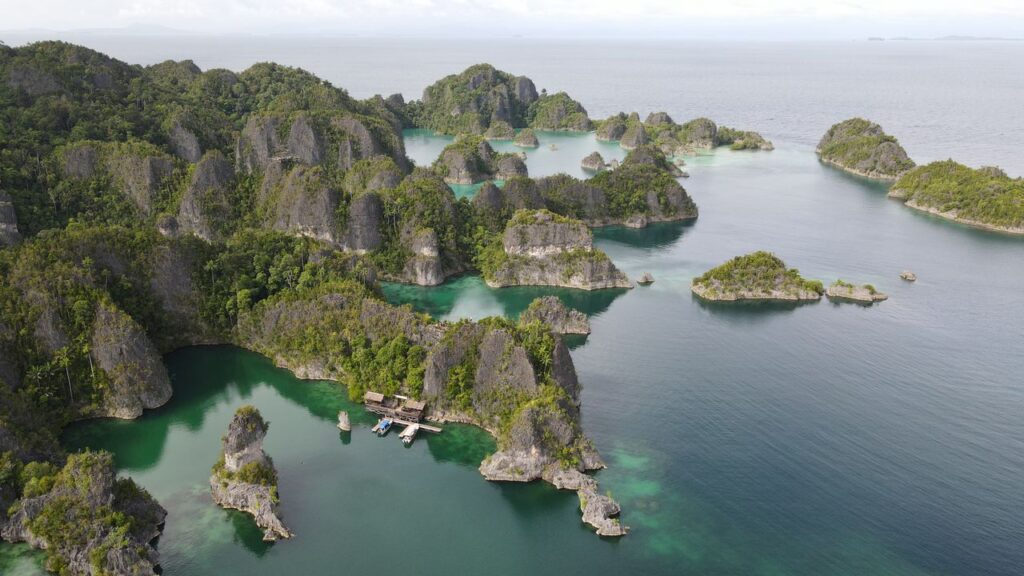
Table of Contents
What to Expect
Divers heading to this region should know that conditions vary quite a bit from island to island. Currents can be strong in places like Komodo, while spots further east tend to be calmer and better suited to slower-paced exploration. Visibility generally improves during the dry season, though this shifts depending on location and time of year.
What ties the region together is the sheer variety of marine habitats, ranging from steep walls to muck diving sites where smaller, less obvious creatures are the main draw. It is a region that rewards a bit of research before booking, since not every site suits every skill level.
6 Best Islands to Visit in East Indonesia
Komodo Island
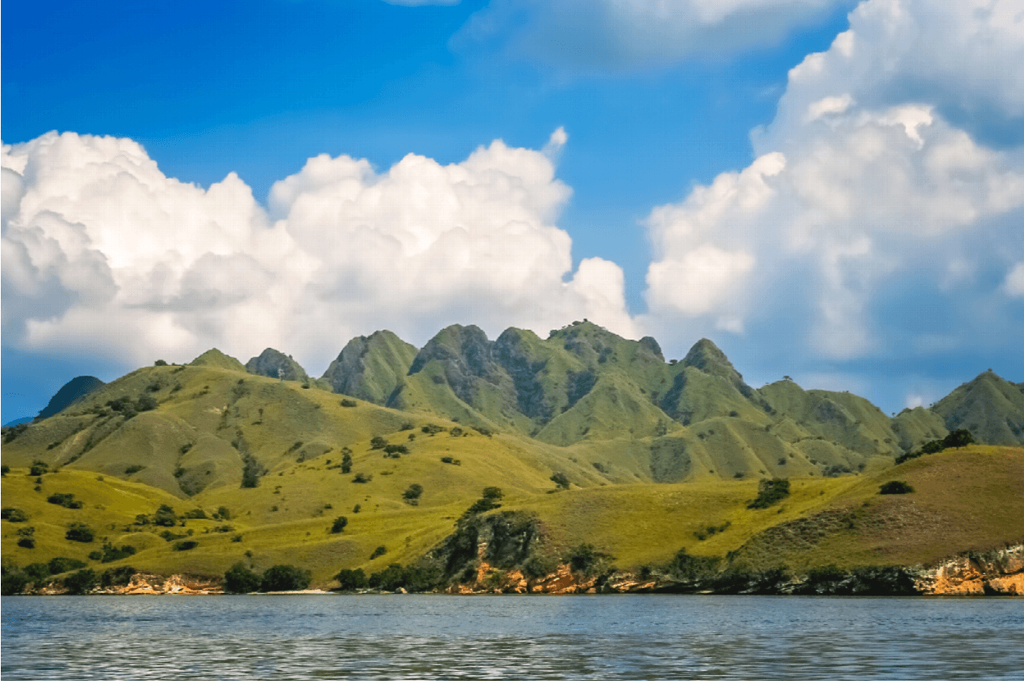
Komodo is often the first name that comes up when people mention East Indonesia, largely because of its namesake dragons and its national park status. The island itself is dry and hilly, with trekking trails that lead to viewpoints overlooking the surrounding bays.
What to Do
The surrounding waters are a major part of why so many tourist comes to visit. Many visitors come specifically to experience a world-class scuba diving in Komodo Island, drawn by sites known for strong currents, healthy coral cover, and manta ray sightings in certain seasons. The dive sites here range from beginner-friendly bays to more advanced drift dives, so it helps to check conditions with a local operator before choosing where to go.
Flores
Flores sits just west of Komodo and functions as the main gateway for travelers heading into the national park. The island itself has its own draws, including the tri-colored crater lakes of Kelimutu and a handful of traditional villages inland.
What to Do
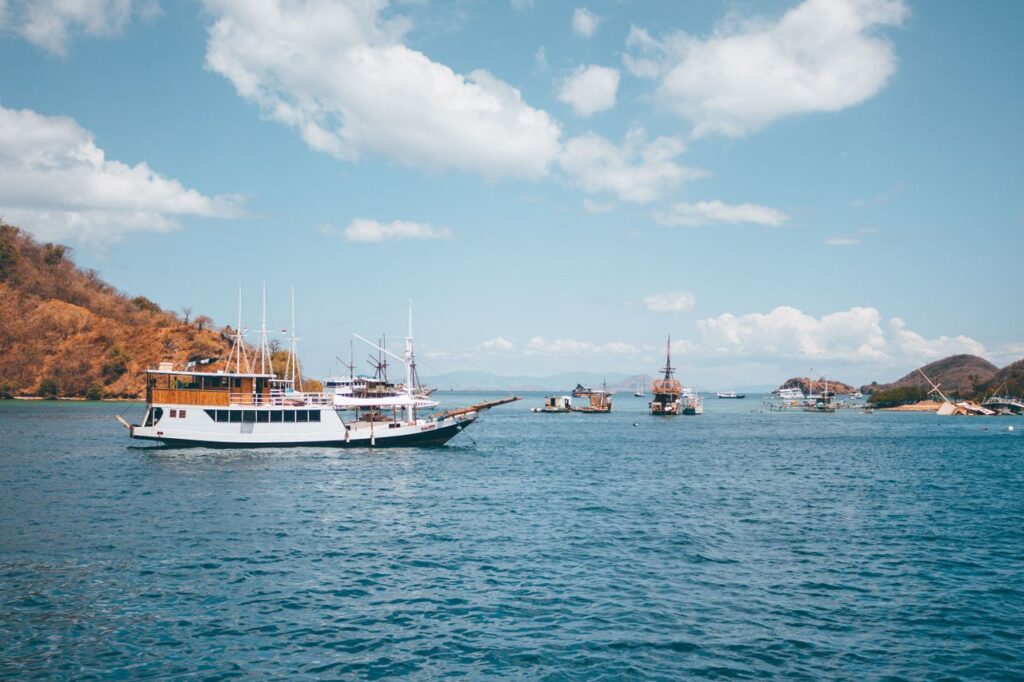
Labuan Bajo, the main port town on Flores, has grown into a bustling hub for liveaboard boats and tour operators. This town also serves as a perfect launching point for a variety of adventures, from island-hopping and snorkeling day trips to guided overland hikes through traditional inland villages.
Alor Island
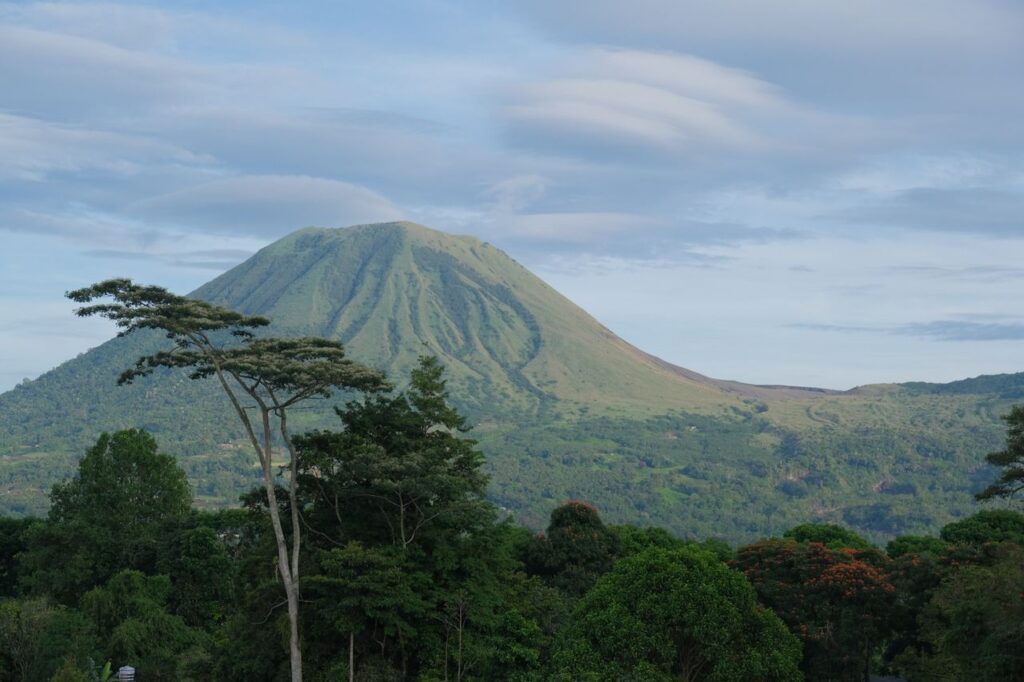
Alor lies further east and receives noticeably fewer visitors than Komodo or Flores. The terrain is rugged, and many coastal communities still rely on traditional fishing and weaving as primary trades.
What to Do
The strait between Alor and neighboring Pantar is known among divers for cold, nutrient-rich currents that support an unusually wide range of small marine life. Muck diving is a particular draw here, with sightings of rare nudibranchs and pygmy seahorses reported fairly often. Topside, visitors can walk through local villages to see traditional ikat weaving, which remains an active part of the local economy.
Banda Islands
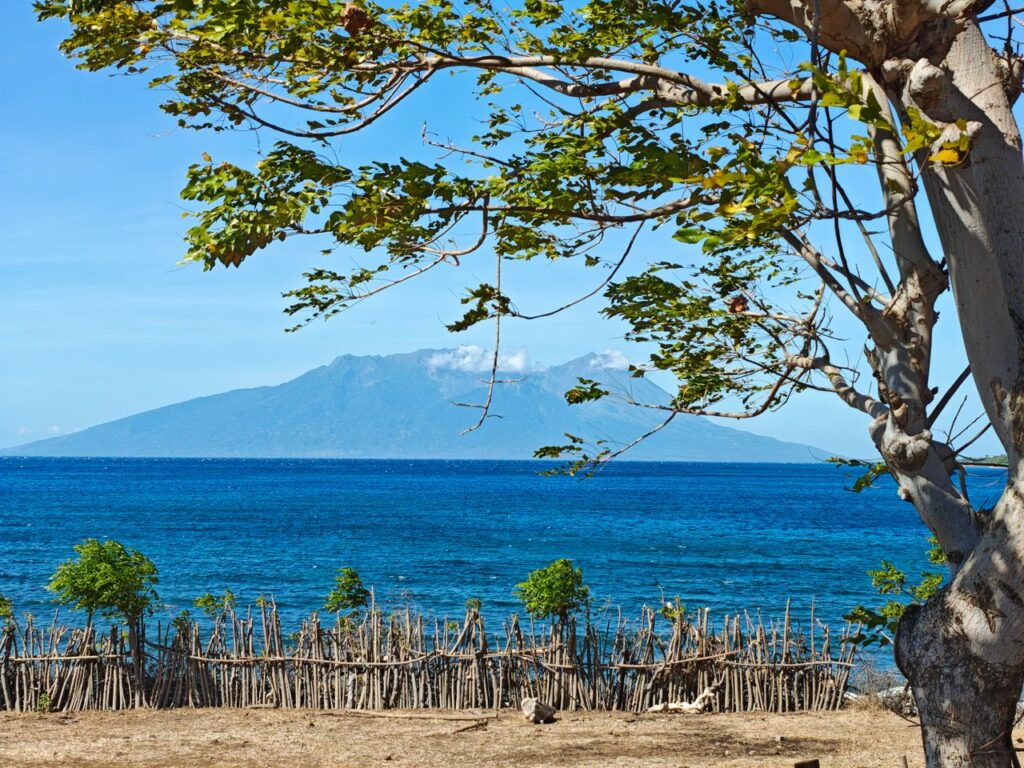
The Banda Islands carry a layered history tied to the spice trade, when nutmeg from this small archipelago was valuable enough to shape colonial trade routes. The islands are compact, and much of the old architecture from that era is still standing.
What to Do
Diving around Banda tends to happen along steep volcanic walls that drop quickly into deep water, home to schooling fish and occasional pelagic encounters. On land, visitors often walk through old fort ruins and nutmeg plantations, which gives a sense of the islands’ history without requiring a formal tour. The pace here is slower than in more visited parts of East Indonesia, which suits travelers looking for fewer crowds.

Wakatobi
Wakatobi, located off the southeastern tip of Sulawesi, is named after four of its main islands and sits within a marine national park. It is more remote than the other destinations on this list, which has kept development relatively limited.
What to Do
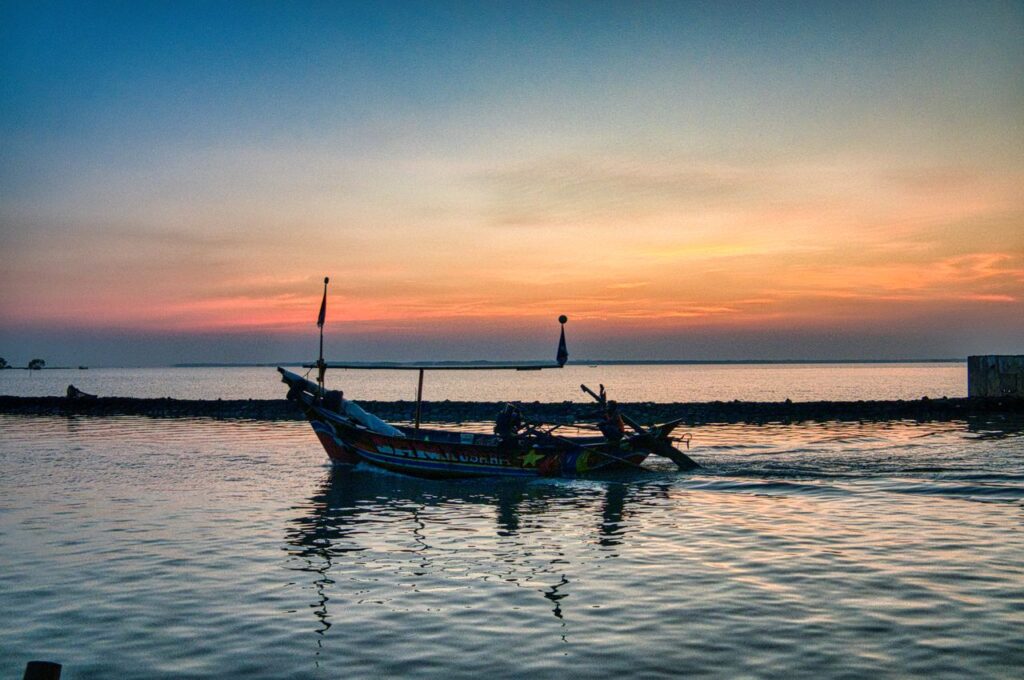
The reefs around Wakatobi are frequently cited for their condition, partly because of the area’s protected status and lower visitor numbers compared to Komodo. Wall diving is common here, with clear water and a wide variety of hard coral formations. Since the region is harder to reach, most visitors plan for a longer stay rather than a quick stopover, often combining diving with basic beach time between sessions.
Raja Ampat
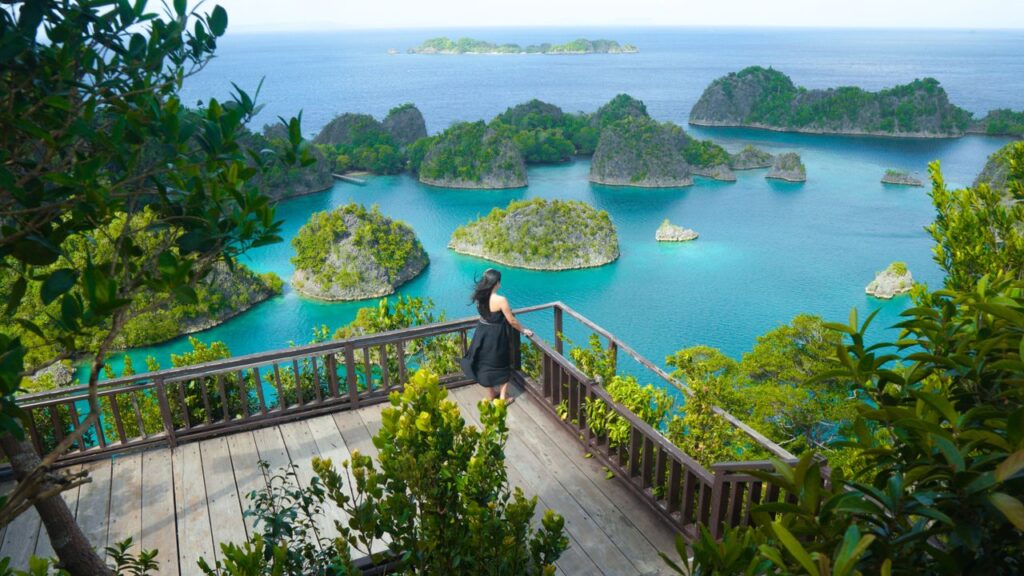
Raja Ampat, in West Papua, is frequently mentioned as one of the more biologically dense marine areas in the world. The islands themselves are largely undeveloped, with karst formations rising out of turquoise water.
What to Do
Diving here tends to focus on both large pelagic species and smaller reef life, given the concentration of coral and fish species recorded in the area. Above water, kayaking between the limestone islands and visiting small local homestays are common ways to spend time between dives. Logistics to reach Raja Ampat take longer than most other islands on this list, so travelers usually build in extra days for transit.
Essential Travel Tips
Travel between these islands usually involves a combination of flights, ferries, and liveaboard boats, so building flexibility into an itinerary tends to help. Weather and sea conditions can shift travel plans on short notice, particularly during transitional months between seasons. It is also worth checking permit requirements if you plan to explore dive sites in Komodo Island or Wakatobi, since entry fees and conservation contributions are part of accessing these protected areas.
Wrapping Up
East Indonesia covers a wide stretch of terrain and coastline, and no single island captures everything the region has to offer. Komodo and Flores remain the most accessible starting points, while Alor, Banda, Wakatobi, and Raja Ampat reward travelers willing to go further off the usual path.
Whether the goal is trekking past dragons, tracing old spice routes, or spending extended time underwater, the islands covered here each bring something distinct to a 2026 itinerary through this part of Indonesia.
Thanks for taking the time to read this article. I hope this post has given you the information you need. If you have any recommendations, tips or advice, I would love for you to share them in the comment section below!
This post may contain affiliate links, meaning we may receive a commission at no extra cost if you purchase through a link. Please see our full disclosure for further information.
Check out my Instagram page or join the Truly Expat Facebook group.
Running this blog takes a lot of coffee (and countless hours exploring every destination!). If you found this helpful and want to support more honest, detailed travel guides and itineraries, you can buy me a coffee. No pressure though – I’m just happy you’re here and hope you have an incredible adventure! 🙂

Latest Post
- What 16 Hours to Vancouver Does to Your Skin
- Nar Phu Trek and Annapurna Circuit Trek: Two Himalayan Routes, One Deeper Journey
- A Guide to Himalayan Adventures in Nepal: Trekking, Helicopter Tours and Peak Climbing
- Annapurna Circuit Trek: What to Expect?
- Choosing Your Himalayan Adventure in Nepal: From Remote Treks to Peak Expeditions