Introduction: Discover a Different Side of Morocco
The character of Morocco often reveals itself in the moments between the main attractions: the first glass of mint tea in a shaded courtyard, the sound of a craftsman working in a medina workshop, or the changing colours of the Atlas Mountains as the road winds towards the south.
In This Guide
In Marrakech, the day might begin with the quiet of a traditional riad before giving way to the movement of the souks. In Fes, historic streets lead towards workshops where traditional skills continue to shape everyday commerce. Beyond the cities, the scenery changes dramatically, from mountain valleys and Atlantic beaches to the wide horizons of the Sahara.
For travellers from the United Kingdom, the United States, Canada and Australia, these contrasts make Morocco rewarding to explore over several days or a longer journey. However, mountain roads, substantial distances and time spent exploring historic districts all influence how much can comfortably fit into one itinerary.
The most satisfying journeys begin with a clear idea of what matters to the traveller. Some visitors are drawn to architecture and regional cuisine; others want mountain scenery, traditional craftsmanship or a night beneath the desert sky. Allowing enough time for these interests creates a richer experience than trying to visit every famous destination.
1. Start With Morocco’s Regional Diversity
Morocco’s regions each offer a different perspective on its landscapes, history and everyday life.
Marrakech is known for its historic medina, gardens, traditional architecture and busy souks. Fes offers a rich setting for exploring historic streets and specialist crafts. Chefchaouen, in the Rif Mountains, is recognised for its blue-painted buildings, while Essaouira combines Atlantic scenery, historic ramparts and a working fishing port.
The High Atlas Mountains introduce another change of pace, with winding roads, valleys and villages set among dramatic terrain. Further south and east, the landscape becomes increasingly arid as travellers approach desert destinations.
These places are not interchangeable. Someone interested in history and cuisine might prefer several nights in two historic cities. A traveller hoping to experience both the mountains and the Sahara will need additional time for transfers and overnight stops.
When comparing possible routes, luxury Morocco tours can provide a starting point for exploring different travel arrangements. The important consideration is whether a proposed itinerary suits the available time, personal interests and preferred pace.
2. Explore Marrakech Beyond Its Main Attractions
Marrakech can feel overwhelming on a first visit, particularly around its busiest streets and squares. Its major landmarks deserve attention, but the city becomes more rewarding when visitors leave time to explore beyond a fixed sightseeing route.
The medina’s narrow streets contain workshops, markets and historic buildings shaped by centuries of trade. Artisans work with leather, metal, wood, textiles and ceramics, and watching these processes can reveal the skill behind traditional Moroccan craftsmanship.
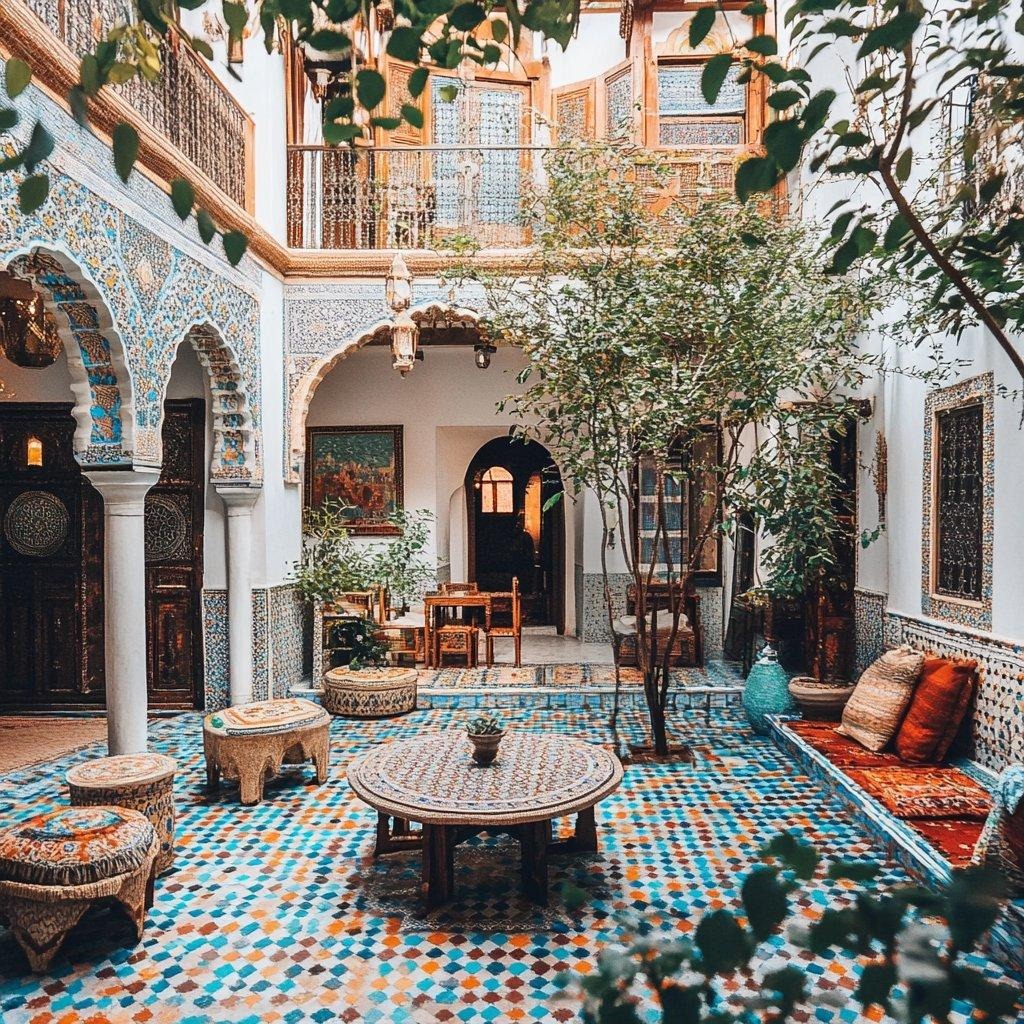
Architecture offers another reason to slow down. Decorative plaster, geometric zellige tilework, carved wood and enclosed courtyards show how materials and patterns work together. A knowledgeable guide can explain the historical context behind these details, giving visitors more than a collection of photographs.
Food provides a further introduction to the city. A market visit can reveal unfamiliar ingredients, while a cooking activity or a meal at a locally run restaurant can introduce regional flavours. Moroccan cuisine varies across the country, so dishes encountered in Marrakech may differ from those served in Fes or along the coast.
Accommodation also influences the experience. A traditional Riad may offer a peaceful courtyard behind the medina’s busy streets, whereas a larger hotel may provide extensive facilities and easier vehicle access. The right choice depends on individual preferences and practical requirements.
Leave a little unplanned time, too. A longer lunch, an extra hour exploring a craft district or an unexpected discovery in a garden may become a highlight without requiring another booked excursion.
And once the sun goes down, our guide to the 10 best night cafes in Marrakech shows you where to linger over mint tea after dark.
3. Discover Fes Through Its Architecture and Crafts
Fes offers a different perspective on Morocco’s historic heritage. Its old medina is associated with traditional craftsmanship, historic buildings and long-established commercial streets. Visitors interested in architecture and skilled workmanship benefit from exploring at a slower pace.
The network of narrow lanes can be difficult to navigate without preparation. A local guide can explain the significance of historic buildings and craft districts, helping visitors understand how the different parts of the medina fit together.
Workshops are particularly interesting when visitors take time to observe how objects are made. Leatherworking, metalwork and woodcarving demonstrate the patience and practical knowledge involved in producing finished goods. These encounters can also encourage appreciation for the people who continue to practise specialist skills.
Respect matters in these settings. Workshops are working environments, not simply photographic backdrops. Visitors should ask permission before taking photographs and follow any restrictions. Buying an item should remain a personal choice rather than an expectation attached to a guided visit.
The same principle applies throughout Morocco. Cultural experiences tend to be more meaningful when visitors listen, ask appropriate questions and recognise that local communities have their own routines and priorities.
4. Experience the High Atlas at a Comfortable Pace
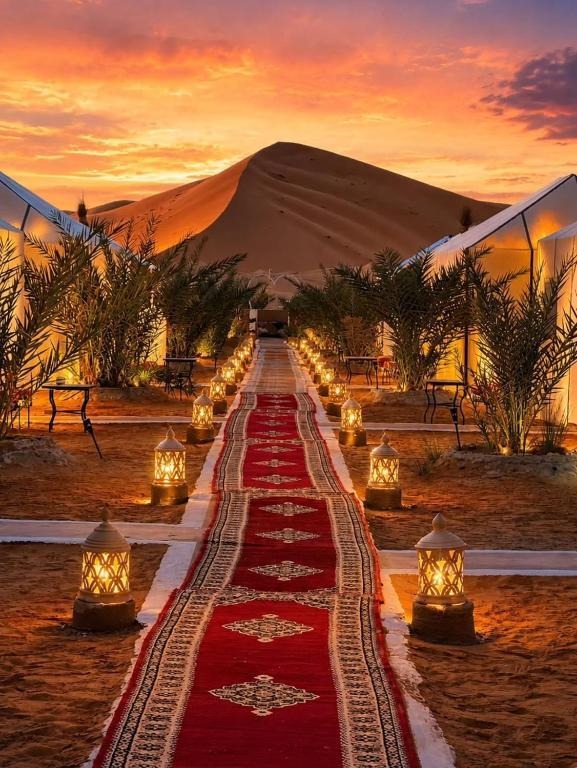
The High Atlas Mountains provide a striking contrast to Morocco’s larger cities. Mountain roads climb through changing scenery, valleys follow the contours of the terrain, and villages sit among slopes that look very different from the lowlands.
Some visitors prefer scenic drives with short stops at viewpoints. Others want to include walking or more active outdoor experiences. The right option depends on fitness, available time and local conditions.
Travel times deserve particular attention. A journey that looks short on a map may take considerably longer because of winding roads, elevation changes or stops along the way. Realistic driving estimates help prevent a schedule that leaves little room to appreciate the destination.
Anyone planning to walk should consider footwear, fitness and the conditions of the selected route. A mountain visit does not have to involve a strenuous trek; a short walk or a relaxed stop overlooking a valley may suit many travellers better.
Rural visits also call for cultural awareness. Ask before photographing people, respect private spaces and follow local advice about appropriate behaviour. Approaching villages with curiosity rather than treating residents as attractions makes for a more considerate visit.
Time in the mountains adds variety to a Morocco itinerary, particularly for travellers interested in the contrast between urban, rural and desert environments.
5. Plan a Sahara Desert Stay Properly
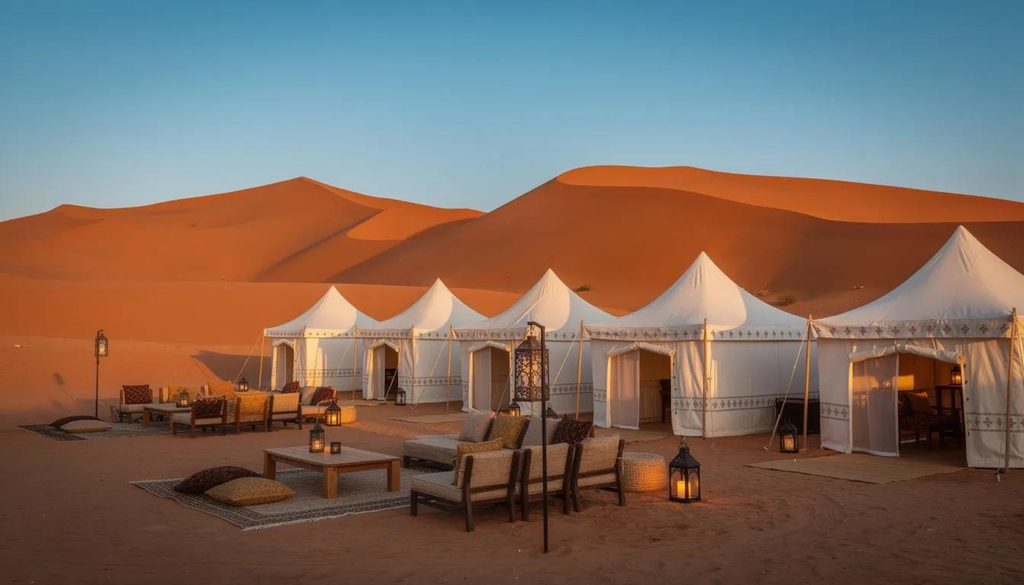
For many visitors, the Sahara is a major reason to travel to Morocco. The dunes around Merzouga and Erg Chebbi are especially striking at sunrise and sunset, when changing light brings out variations in the sand’s colour and texture.
Reaching the region from Marrakech involves a substantial journey, so the desert deserves more than a rushed overnight stop between long transfers. Planning sufficient time allows visitors to experience the landscape after arrival rather than spending most of their visit travelling.
The atmosphere changes as the day progresses. The heat and activity of the afternoon give way to cooler evening air, while early morning light gradually reveals the contours of the dunes. These quieter periods are often as memorable as organised excursions.
Before choosing a camp, ask practical questions. Are bathrooms private? Which meals are included? How is the camp reached? Are camel excursions included in the quoted price? What arrangements apply if weather or road conditions affect the schedule?
The answers matter because accommodation descriptions can vary considerably. Some travellers prioritise private facilities and a high level of comfort; others are happy with simpler arrangements because the landscape itself is the main attraction.
Temperatures can differ significantly between daytime and evening. Check local guidance and bring suitable clothing, sun protection and water for planned activities.
There is no single way to enjoy the dunes. One visitor may choose a camel excursion, while another may prefer walking, photography or simply watching the light change from camp.
Travellers comparing routes and arrangements can consider a private luxury desert tour from Marrakech to Merzouga as a starting point. The important questions concern the actual route, overnight arrangements, included activities and the time available to experience the desert.
6. Understand When Private Travel May Be Useful
Private transport is particularly useful when a journey involves several regions, long transfers or specific stops that do not fit easily into a fixed group itinerary.
Its practical advantage is flexibility. Travellers can discuss departure times, arrange suitable breaks and coordinate stops around the route, subject to road conditions and the agreed arrangements. A family may need frequent breaks, while visitors interested in photography might prefer additional time at selected viewpoints.
The type of service matters, too. A private driver does not necessarily provide specialist guiding, and entrance fees, meals, accommodation and optional activities may be separate charges. Confirm these details before booking.
It is also worth checking how the route works in practice. A tour that visits the same destinations as another may offer a different experience because of its overnight stops, driving schedule or the time allocated to each place.
Private travel is not automatically the best option for everyone. Travellers who prefer a fixed schedule or are comfortable using public transport may choose differently. Its value lies in how well the arrangements match the journey, not in the label itself.
For more on why flexible time can matter more than a packed itinerary, see our piece on why control over your time may be travel’s most meaningful luxury.
7. Travel With Cultural Awareness
A little preparation can make cultural encounters more comfortable for visitors and the people they meet. Learning a few greetings in Moroccan Arabic, commonly called Darija, is a useful starting point. Amazigh languages are also spoken in many communities, while French is widely used in various professional and commercial settings.
At religious sites, workshops and private homes, follow local guidance and ask permission before taking photographs. Dress expectations vary by location, so choose clothing appropriate to the setting.
Shopping provides another opportunity to approach interactions thoughtfully. Bargaining may be common in some markets, but not in every shop or situation. Asking questions politely and declining respectfully when something is not of interest helps keep exchanges comfortable.
Responsible travel also means recognising the difference between an organised cultural activity and everyday community life. Residents should not be expected to pose for photographs or make private spaces available to visitors.
Supporting locally run businesses, respecting natural environments and avoiding activities that place unnecessary pressure on wildlife are practical ways to travel more considerately.
8. Choose Accommodation That Fits the Journey
Morocco offers traditional riads, boutique hotels, larger resorts and desert camps. Each provides a different setting, and the most suitable choice depends on location, facilities and the type of experience travellers want.
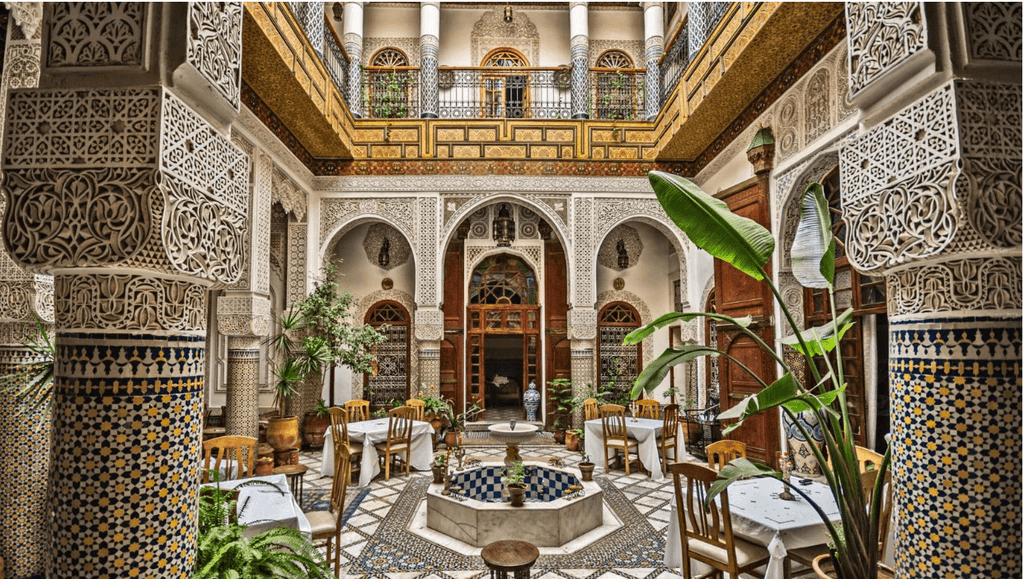
In a historic city, a riad can offer a sense of place through its courtyard, traditional architectural details and quieter atmosphere behind the entrance. Before booking, check the location, stairs, room layout, accessibility and distance from streets where vehicles can stop.
Larger hotels may suit visitors who prefer swimming pools, extensive facilities, lifts or easier vehicle access. In rural areas, proximity to planned activities and reliable transport arrangements may matter more than the number of amenities.
Desert accommodation requires particular attention. The description “luxury camp” does not explain everything travellers need to know. Confirm bathroom facilities, sleeping arrangements, meals, electricity and how guests are transported to the camp.
Families should check room configurations and suitability for children. Travellers with mobility or accessibility requirements
should discuss their needs before confirming a reservation.
Photographs can convey a property’s atmosphere, but the practical details determine whether it is the right fit. Choose accommodation for how well it supports the journey rather than relying solely on promotional descriptions.
9. Build a Realistic Itinerary
A good itinerary balances planning with flexibility. It should cover the places that matter most without turning each day into a sequence of transfers and check-ins.
Before confirming arrangements, consider the following:
- Available time: How many nights are available, and how many will involve substantial driving?
- Interests: Are culture, food, landscapes, outdoor activities or relaxation the main priorities?
- Comfort: What accommodation standards and activities suit the group?
- Season: How might weather affect walking, sightseeing or outdoor excursions?
- Budget: Which services are included, and which meals, transfers or activities cost extra?
- Flexibility: Is there room to spend longer at a place that proves especially interesting?
These questions are particularly important when combining the mountains with the Sahara. Both offer memorable landscapes, but the distances between them can make an overly ambitious route tiring.
Sometimes removing a destination improves the entire holiday. Spending longer in fewer places creates more opportunities to explore, enjoy meals without rushing and appreciate the atmosphere of each region.
Preparation before departure matters, too. Truly Expat’s pre-trip planning guide provides a relevant editorial resource for readers organising international travel. The aim is to settle important practical arrangements in advance while leaving room for unexpected discoveries.
10. Is Morocco Suitable for Families?
Morocco can offer families a varied holiday, with historic cities, gardens, coastal areas, mountain scenery and desert landscapes. The right itinerary depends on children’s ages, the group’s interests and how comfortably everyone manages longer journeys.
A guided walk through a historic neighbourhood, a cooking activity or time by the coast can provide a useful balance to sightseeing and transfers. Parents should check the duration and suitability of individual activities rather than assuming every excursion will suit every age group.
Before including a desert stay, families should understand the transfer duration, seasonal temperatures, accommodation facilities and demands of planned activities. Younger children may be more comfortable with fewer destinations and longer stays, while older children may enjoy a broader route combining landscapes, architecture, food and outdoor exploration.
Room arrangements, bathroom facilities, accessibility and any dietary requirements should be discussed before reservations are confirmed.
Families considering a tailored itinerary can explore private family tailor-made tour Morocco packages as a reference point for comparing possible arrangements.
The goal is not to follow a fixed family-travel checklist. It is to select experiences that suit the people taking the trip and allow everyone enough time to enjoy them comfortably.
11. When Should You Visit Morocco?
The most suitable time to visit depends on the regions included and the activities planned. Conditions in the cities, mountains and desert can differ considerably, so travellers should check seasonal guidance for each part of their route.
Visitors planning outdoor activities should consider daytime heat, access to shade and the need for water and suitable clothing. Mountain travellers should check local conditions and prepare for changes in temperature. Desert nights can feel very different from daytime conditions.
Busy travel periods can affect accommodation availability and the choice of activities. Booking ahead may provide more options, although the best lead time depends on the destination, season and style of travel.
Before confirming dates, consider how conditions could affect long drives, walking plans and time outdoors. Check whether particular attractions or activities operate on seasonal schedules, and review local guidance close to departure.
12. Make the Journey Personal
A successful Morocco holiday begins with an understanding of what each traveller hopes to take away from the experience.
Someone fascinated by architecture might want to spend extra time in Fes, while a food enthusiast may prioritise markets, regional dishes and opportunities to learn about local ingredients. Travellers drawn to landscapes might prefer the High Atlas and Sahara, while others may value the coast and the slower rhythm of seaside towns.
These priorities should shape the itinerary from the beginning. Before making detailed arrangements, establish travel dates, group size, approximate budget, accommodation preferences and the experiences that matter most. Families may need suitable room arrangements, while couples might prioritise architectural character, privacy or quieter settings.
Practical requirements also deserve attention. Luggage, dietary needs, mobility considerations, camp facilities and return journeys can influence which route is appropriate.
For visitors who want to explore different combinations of destinations, tailor-made tours in Morocco offer one approach to comparing possible journeys. The aim is to select experiences that reflect personal interests rather than adding more stops simply because they are available.
There is no need to settle every detail at once. Start by deciding what matters most, establish the practical boundaries of the trip and then choose the destinations that fit those priorities.
Conclusion: Explore Morocco at Your Own Pace
Morocco’s appeal lies in the contrast between its regions, the detail of its architecture, the richness of its food and the variety of landscapes within one country.
A rewarding journey does not need to cover every famous destination. It needs to bring together the experiences that matter most, with enough time to appreciate each place properly.
Choose a manageable number of destinations, approach cultural encounters with respect and leave room for the unexpected. Whether the highlight is a conversation with an artisan, an unhurried afternoon in a riad or sunrise over the dunes, a thoughtful pace makes these moments easier to appreciate.
For travellers comparing different styles of journey, luxury travel in Morocco offers another starting point for exploring possible experiences. The right choice depends on individual interests, practical needs and the kind of memories travellers hope to take home.
Sometimes the most memorable moments are the ones that cannot be scheduled: the scent of a meal prepared with care, an architectural detail noticed while wandering through a medina, or a changing view along a mountain road.
Planning Your Morocco Journey
Every traveller has a different idea of what makes a journey memorable. Whether you are drawn to historic medinas, mountain scenery or an overnight stay in the Sahara, discussing your priorities before booking can help you choose a route that suits your time, interests and preferred pace. Explore the possibilities with Tilila Travel when you are ready to start planning your Morocco journey.
Frequently Asked Questions
What should first-time visitors include in a Morocco travel guide?
Many first-time visitors benefit from choosing a historic city, adding a second region and allowing time for a contrasting landscape if the schedule permits. The best combination depends on available days, interests and comfort with longer transfers.
How many days are needed to explore Morocco?
It depends on the destinations included. A short break can focus on one city and its surroundings, while a longer holiday can combine several regions. Allow for transfer times rather than counting only the days available for sightseeing.
What are some meaningful cultural experiences in Morocco?
Visitors may enjoy learning about traditional craftsmanship, exploring local markets, trying regional food, taking a guided walk through a historic neighbourhood or spending time outside the major cities. Cultural encounters should always be approached respectfully.
Is a Sahara Desert stay suitable for every traveller?
Not necessarily. A desert visit can involve long transfers and conditions that may not suit everyone. Check journey times, seasonal temperatures, accommodation facilities and activity requirements before including it.
What should travellers check before choosing a riad or hotel?
Consider location, room configuration, stairs, accessibility, facilities and transport access. For desert accommodation, confirm bathroom arrangements, meals and transfer details rather than relying only on the property’s description.
Thanks for taking the time to read this article. I hope this post has given you the information you need. If you have any recommendations, tips or advice, I would love for you to share them in the comment section below!
This post may contain affiliate links, meaning we may receive a commission at no extra cost if you purchase through a link. Please see our full disclosure for further information.
Check out my Instagram page or join the Truly Expat Facebook group.
Running this blog takes a lot of coffee (and countless hours exploring every destination!). If you found this helpful and want to support more honest, detailed travel guides and itineraries, you can buy me a coffee. No pressure though – I’m just happy you’re here and hope you have an incredible adventure! 🙂

Latest Articles
- Morocco Beyond the Tourist Trail: A Guide to Culture, Landscapes and Local Experiences
- 9 Unique Cusco Tours That Show You a Different Side of Peru
- Mardi Himal Trek vs Everest View Trek: Which Himalayan Adventure Fits You Best?
- Planning a Luxury India Tour From the USA: Timing, Visas, Flights and Pace
- Planning a Memorable Branson Getaway With Fun Activities for the Whole Family