Having more time to travel does not automatically mean getting more time to enjoy the trip. A day can disappear surprisingly fast between transportation, reservations, scheduled tours, check-in times, and waiting for the next thing to begin.
Table of Contents
That is why luxury can start to mean something different as travel priorities change. A better seat or more elaborate hotel room may still be appealing, but having more control over your own time can feel just as valuable. Sometimes the real upgrade is deciding when to start the day, how long to stay somewhere, and when you have simply done enough.
This becomes especially relevant in retirement, when travel may no longer need to fit into a short vacation window. There can be more freedom to choose a slower rhythm and spend time according to personal interests rather than trying to make every day look full.
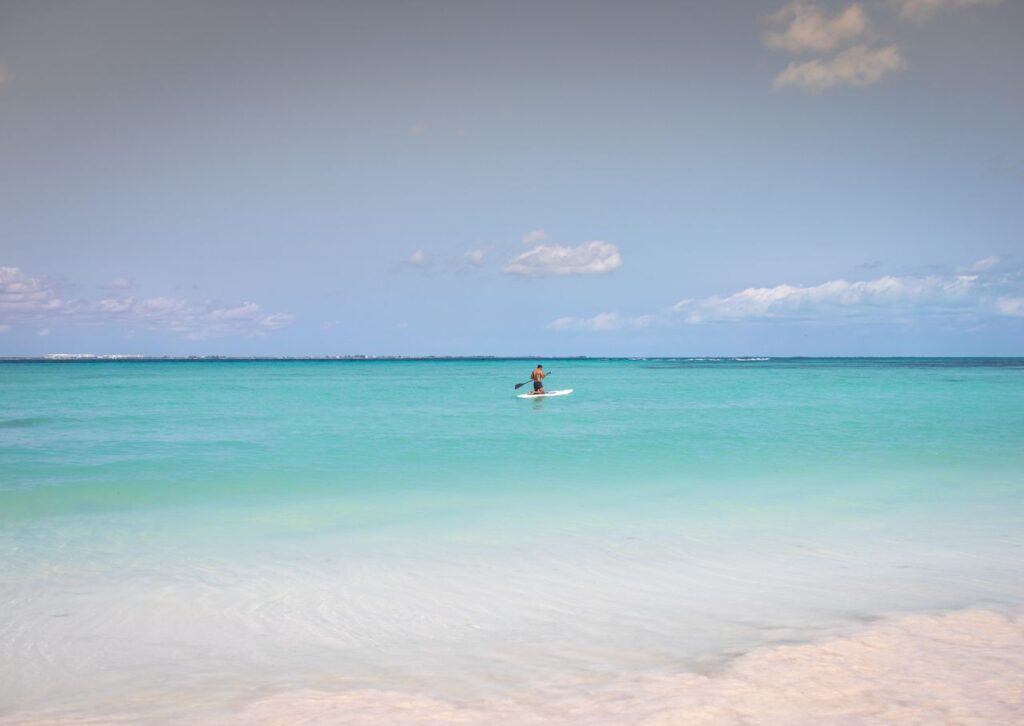
Luxury Changes When Time Becomes More Valuable
The Upgrade Is Not Always the Room
Travel luxury is often presented through visible extras. A larger room. A premium seat. A better view. A restaurant that requires a reservation weeks in advance.
Those things can absolutely make a trip special, but convenience can be a luxury too. Fewer unnecessary transfers, more privacy, a schedule that works for you, or simply not having to rush from one reservation to another may have a bigger effect on how enjoyable the day actually feels.
This does not mean every premium option is worth paying for. Quite the opposite. The useful question is whether an upgrade solves a problem you genuinely care about.
If a nicer room matters because you plan to spend quiet mornings there, that may be money well spent. If you are out exploring from breakfast until bedtime, the same upgrade may make very little difference. Travel becomes more personal when the decision starts with how you actually spend your time rather than what is traditionally labeled as luxurious.
Retirement Can Change the Way You Travel
Working life often trains people to travel within tight limits. There may be a few vacation days, a fixed return flight, and the feeling that every destination needs to be experienced as efficiently as possible.
Retirement can create a different opportunity. You may have more freedom to travel at your own pace, whether that means staying longer, scheduling fewer activities in a day, lingering over lunch, or simply leaving an afternoon open.
Of course, retirement does not create one universal style of travel. Some people want active days packed with museums, hiking, restaurants, and sightseeing. Others would rather choose one activity and spend the rest of the day enjoying the surroundings.
Neither approach is better. The important part is recognising that you no longer have to build a trip around someone else’s definition of making the most of it.

Start With the Pace You Actually Want
Think About Energy Before Attractions
It is easy to start vacation planning with a list of places you want to see. But before filling the calendar, consider what a comfortable day actually looks like for you.
Think about transportation time, walking, meals, weather, getting ready, and the distance between activities. The spaces between attractions are part of the trip too, even if they never appear in the vacation photos.
This is not simply an age-related consideration. Travelers of any age have different energy levels, preferences, and physical needs. One person may happily explore for ten hours. Another may enjoy the same destination much more with a long lunch and a quiet afternoon between activities.
So instead of asking how much you can fit into one day, ask how much you can genuinely enjoy.
Give Yourself Permission to Do Less
There is a strange pressure that sometimes follows us on vacation: if there is an empty afternoon, we assume we forgot to plan something.
But an open afternoon can be intentional.
It might become a walk, a nap, an unexpectedly good conversation, or a return visit to somewhere you enjoyed the day before. It might remain completely uneventful, and that is fine too. Rest does not have to be earned by exhaustion.
Choosing fewer activities can also make the experiences you keep feel more important. When every hour is scheduled, even something wonderful can begin to feel like another appointment.
Once you know the pace that feels right, the next question becomes much easier: where is extra convenience actually worth paying for, and where can you happily keep things simple?
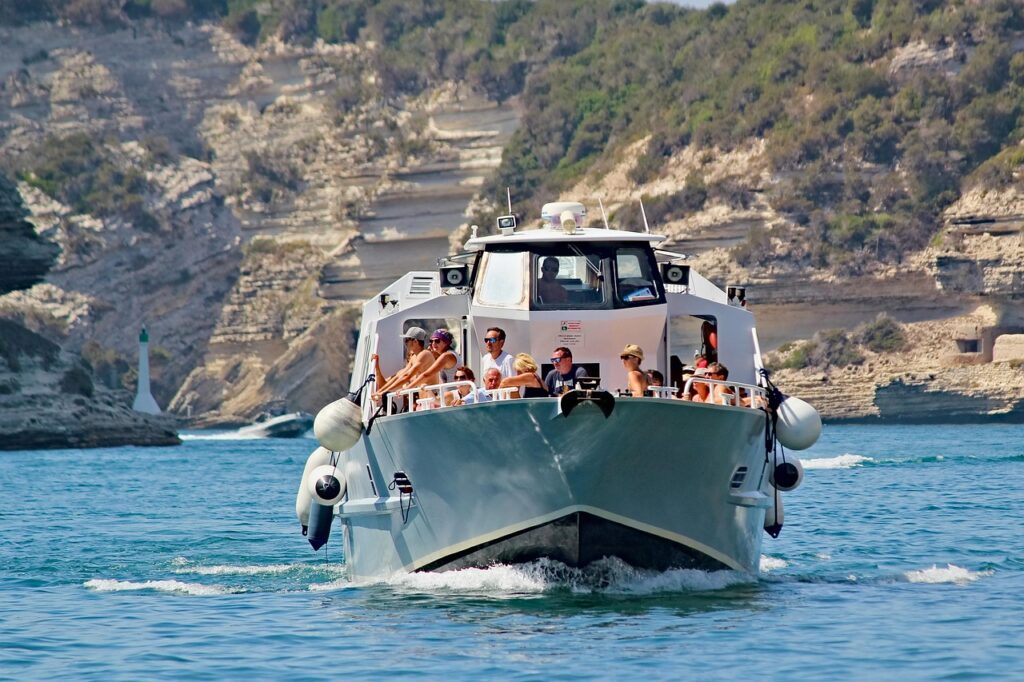
Decide What Control Is Actually Worth Paying For
Once you know how you want a trip to feel, it becomes easier to decide which upgrades are actually useful. The goal is not to pay more simply because something is labeled premium. It is to spend where greater convenience, privacy, or flexibility genuinely improves your experience.
For one traveler, that might mean choosing direct transportation instead of making several transfers. For another, it could mean booking a smaller-group experience or paying for an option that keeps several parts of an evening within one plan.
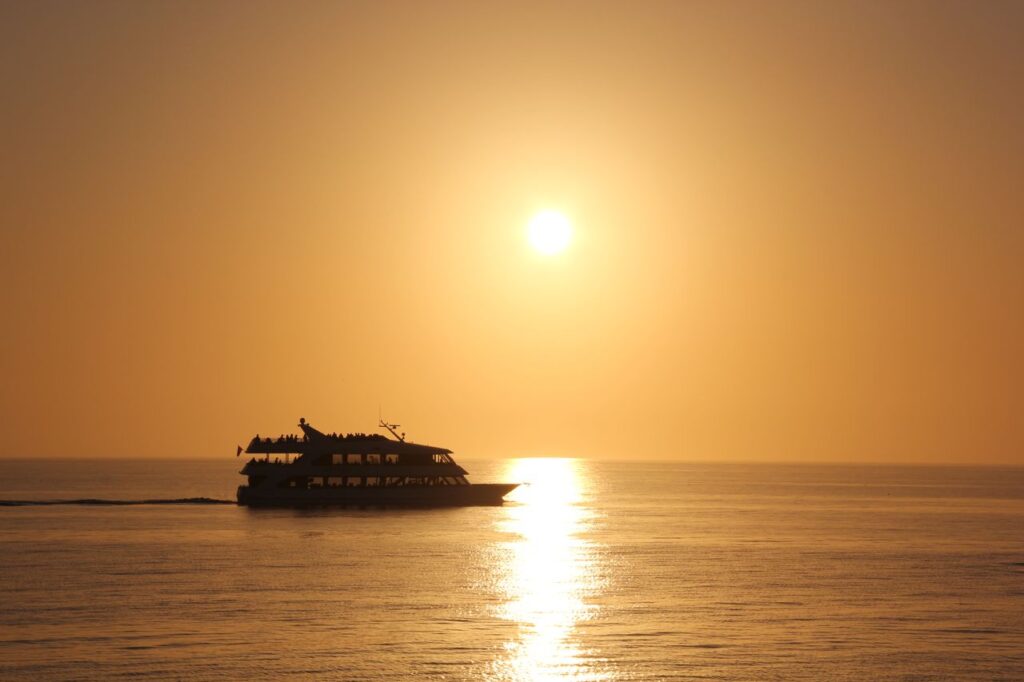
Consider a private sunset dinner cruise, for example. Some travellers may like the idea of combining time on the water, dinner, and an evening experience rather than coordinating several separate reservations. Others may prefer to explore independently and choose their own restaurant afterward.
Neither choice is automatically better. What matters is whether the added cost gives you something you actually value.
Ask Practical Questions Before You Book
Look Beyond the Description
Travel descriptions are designed to give you the highlights, but the small practical details often determine how comfortable an experience feels.
Before booking, look at the duration, schedule, boarding arrangements, transportation, seating, shade, food, facilities, cancellation terms, and what is actually included. Depending on the activity, there may be other questions that matter specifically to you.
If you have mobility considerations, dietary needs, health concerns, or other individual requirements, ask the provider directly before making a reservation. Do not assume an experience will meet your needs simply because it is private or marketed as luxurious.
A few questions ahead of time can prevent an attractive idea from becoming an inconvenient afternoon.
Compare the Experience, Not Just the Price
Price matters, but it rarely tells the whole story.
A lower-cost group excursion may offer exactly what you want, particularly if you enjoy meeting other travelers or prefer a fixed itinerary. Someone else may decide that privacy, a smaller group, or more control over the setting is worth spending more.
Compare what you are actually getting for the total cost. Look at the duration, inclusions, transportation, meals, group format, and anything else that affects your day. Then decide whether those differences matter to you.
The most expensive option is not automatically the best one, and the least expensive is not necessarily the smartest value. A good decision is simply the one that matches your priorities and budget.

A Familiar Destination Can Still Feel Different
You do not always need a brand-new destination to create a different kind of vacation.
A place you have visited before can feel surprisingly fresh when you change the pace. Maybe you skip the packed sightseeing schedule this time. Perhaps you choose one experience you have never tried, stay somewhere quieter, or leave an entire afternoon without plans.
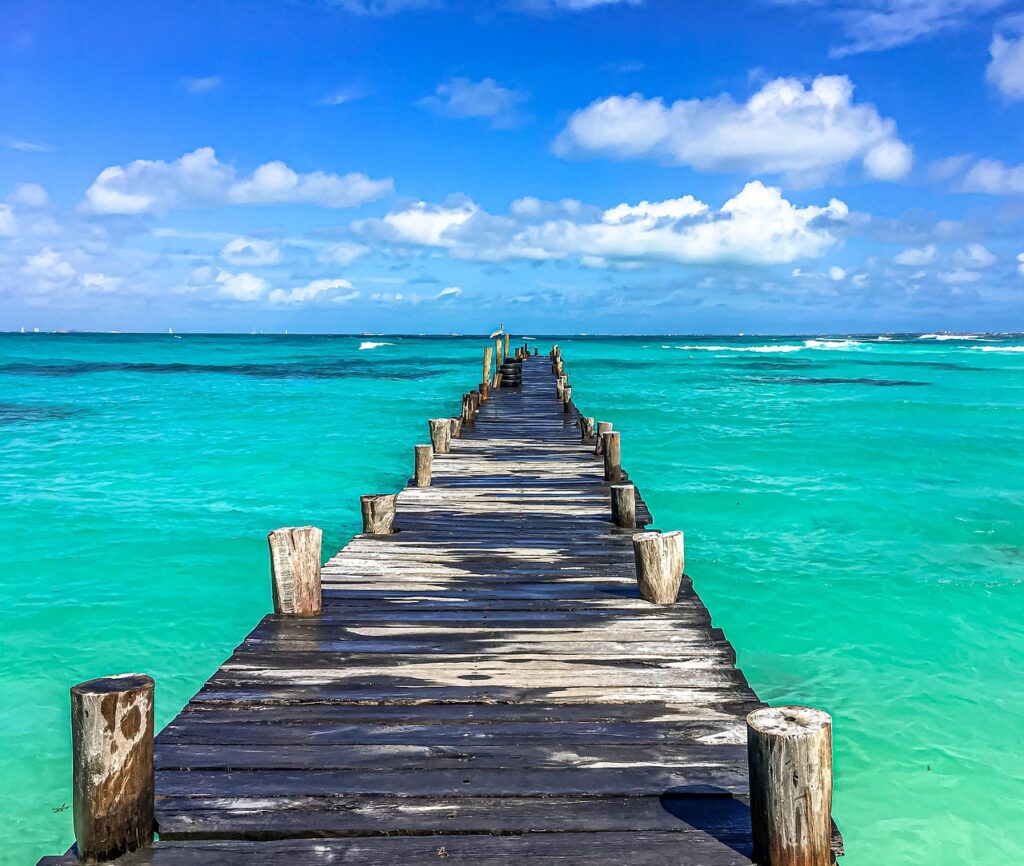
Cancun is a good example. A returning traveler might spend less time moving between attractions and instead choose one day centered around the water, a long meal, or simply enjoying the coastline at a slower pace.
While researching private outings, travellers may come across local operators such as Moana Cancun. As with any travel provider, the useful next step is not assuming it is the right fit, but reviewing the details and deciding whether the experience matches your own schedule, preferences, and needs.
That shift in perspective can make a familiar trip feel new without requiring you to chase a completely different destination.
Conclusion
Travel luxury is personal. For some people, it is a beautiful hotel room or an unforgettable meal. For others, the real luxury is having enough control over the day to enjoy it without constantly watching the clock.
Spend more where convenience or privacy genuinely adds something to your trip. Skip the upgrades that do not matter to you. And leave enough space in the schedule for rest, curiosity, or a change of plans.
After all, having more time to travel is valuable. Having the freedom to decide how you spend that time may be even better.
Thanks for taking the time to read this article. I hope this post has given you the information you need. If you have any recommendations, tips or advice, I would love for you to share them in the comment section below!
This post may contain affiliate links, meaning we may receive a commission at no extra cost if you purchase through a link. Please see our full disclosure for further information.
Check out my Instagram page or join the Truly Expat Facebook group.
Latest Posts
- Nar Phu Trek and Annapurna Circuit Trek: Two Himalayan Routes, One Deeper Journey
- A Guide to Himalayan Adventures in Nepal: Trekking, Helicopter Tours and Peak Climbing
- Annapurna Circuit Trek: What to Expect?
- Choosing Your Himalayan Adventure in Nepal: From Remote Treks to Peak Expeditions
- Exploring the Natural Wonders of New Zealand’s South Island