If you’ve spent any time reading about the Annapurna region, you’ve probably hit the same confusing moment. The Annapurna Circuit Trek is everywhere, but then someone mentions Nar Phu, and suddenly it’s unclear whether that’s a different trek, a variation, or just another name for the same trail.
Short answer: Nar Phu is a remote side route that can be added to the Circuit. It isn’t a replacement for it. The Circuit is the famous long loop through the Marsyangdi Valley, over Thorong La and down toward Mustang. The Nar Phu Trek peels off near Koto and heads into two hidden valleys with Tibetan-influenced villages, rough trails and very few other walkers. This article explains how the two fit together, what changes when you combine them, and who it suits.
Nar Phu Trek vs Annapurna Circuit Trek: What Is Actually Different?
In This Guide
The two routes share a mountain range and, if you combine them, part of the same journey. But they feel like different trips. One is a classic with a long track record. The other is quieter, tougher and a lot less polished around the edges.
The Annapurna Circuit at a Glance
The Annapurna Circuit is a long-distance Himalayan route that loops around the Annapurna massif. You climb the Marsyangdi Valley, pass through Manang, cross Thorong La, and drop into the dry, windy landscapes of the Kali Gandaki side near Mustang. The scenery changes a lot along the way, from green farmland to high desert, and there’s a long history of trekkers doing it, so lodges, tea houses and services are easy to find in most places.
What Makes the Nar Phu Trek Different?
Nar Phu goes the other way: off the main corridor and into the Nar and Phu valleys. The trail is narrower and often rougher. The villages are built of stone and show strong Tibetan influence, and you’ll notice far fewer trekkers than on the main Annapurna trail. Services are thinner too. That’s part of the appeal for many people, though it also means you plan a bit more carefully.
Where Nar Phu Fits Into the Annapurna Circuit
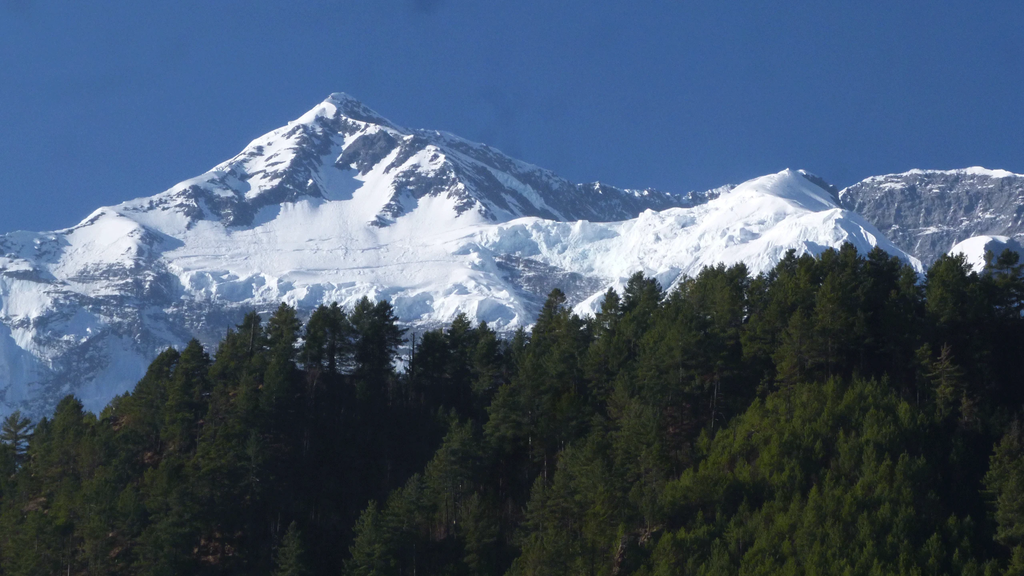
The Nar Phu section begins around Koto, a village on the way up the Marsyangdi Valley inside the Annapurna Conservation Area. From there you leave the main trail and follow the river into the Phu Valley, reach Phu village, then come back down and continue to Nar. After that, the route climbs over a high pass, which brings you out near Manang and back onto the standard Circuit.
People sometimes treat this as one extra sightseeing stop. It isn’t. The detour adds real days and real altitude, and the rhythm of the walk changes completely. Settlements get sparser, the trail gets rougher, and the feeling of being a long way from anywhere gets stronger. That’s worth knowing before you decide how much time to set aside.
A Practical Route Overview: How the Combined Trek Can Work
Rather than a strict day-by-day plan, think of the combined trek as a sequence. You travel from Kathmandu by road toward the Annapurna region and start walking around Koto. You do the Nar Phu loop first, cross the high pass back toward Manang, then continue up the main Circuit to Thorong La. After the pass you reach Muktinath and carry on down the Kali Gandaki side into lower Mustang.
The order is actually useful. Doing Nar Phu first means you gain altitude gradually before the biggest crossing, which is a better setup than rushing straight to the highest sections. Still, I’d allow extra days rather than squeezing the detour into a schedule that was built for the standard Circuit. Tight itineraries and high altitude are a poor mix.
Roads have also changed the classic Annapurna route in recent years, and vehicles now reach parts of the trail that used to be walked. How much of the road you use is a personal call, and the best plan depends on current trail conditions, how you’re acclimatizing and what transport is available when you go.
So, can Nar Phu be combined with the Annapurna Circuit? Yes. It just needs more time and more planning than the Circuit alone.
What the Trail Feels Like: Landscape, Villages and Culture
Early on, the valleys are green and damp, with forest and the sound of the river never far away. Gradually that gives way to something drier and more open. Trees thin out, the air sharpens and the mountains feel closer. By the time you reach Manang, the Annapurna Himalaya has turned into a big, bare, high-altitude landscape that looks nothing like where you started.
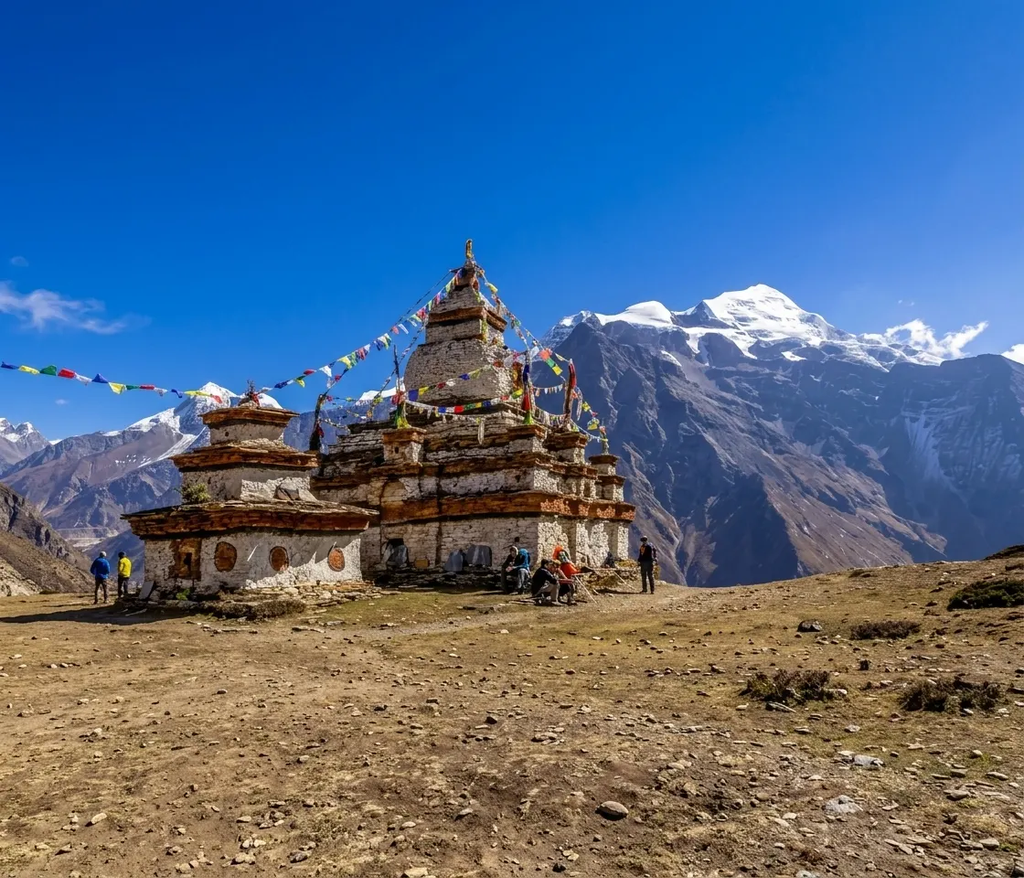
Nar and Phu add a different layer on top of that. The villages are stone-built, tight and low, set against steep dry hillsides. Buddhist culture is visible everywhere you look, from prayer flags to chortens to the old monasteries, and the Tibetan influence shows in the architecture and daily life. It feels like remote Nepal trekking in a way the busier sections rarely do.
What stays with you on foot isn’t a list of peaks. It’s the change from one valley to the next, and how quiet it can get.
How Difficult Is the Nar Phu and Annapurna Circuit Combination?
It’s demanding, and not just because of the distance. Days are long, climbs and descents are steep, and you spend a lot of time at high altitude. Thorong La is a serious crossing for anyone, and Nar Phu adds its own challenges with rougher terrain and a high pass of its own. You also have less backup out there if something goes wrong.
Being fit enough to walk is one thing. Being acclimatized is another, and the second matters more. Strong legs don’t protect you from altitude, and plenty of fit people struggle because they went up too fast. So give your body time.
Experienced trekkers will probably feel at home, and so will fit travelers who are comfortable walking many days in a row and handling changing weather and simple mountain lodges. If you’re new to multi-day trekking, the standard Circuit or a shorter route is usually a gentler first step.
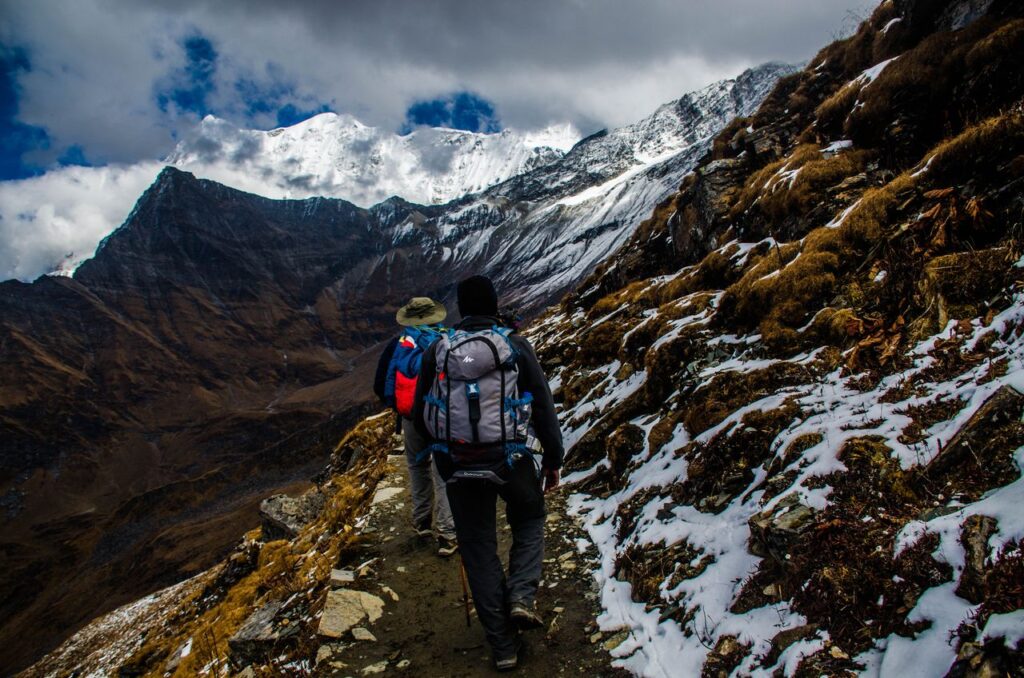
Best Time and Trail Conditions
Spring and Autumn
Spring and autumn are the popular seasons for good reason. Conditions are generally more stable, visibility is often better, and high passes are more manageable than at other times of year. If you want the most predictable window for crossing Thorong La, aim for one of these two.
Winter and Monsoon
Winter brings cold and the chance of snow complicating the high passes. The monsoon brings heavy rain, and that can affect trails and road access on the lower sections. In bad conditions, Nar Phu feels even more remote than usual, which isn’t always what you want. Conditions vary from year to year, so check current local information before you travel.
Permits, Guides and Practical Planning
The Annapurna Conservation Area requires a permit for the main route. Nar Phu is treated differently. It’s a restricted area with its own permit rules, so you shouldn’t plan it the same way you’d plan the standard Circuit. The requirements around guides and registered agencies have also changed over the years, so confirm the current rules before you book anything.
This is where a knowledgeable local professional really helps. A company like Nepal Independent Guide can help with route planning, permit questions and up-to-date trail conditions, which matter more than usual on a route that mixes road changes with remote sections.
Carry enough cash for the whole stretch, because services in the Nar Phu valleys are limited and you can’t count on finding an ATM. Transport and trail conditions can change at short notice, so leave a little slack in your plan.
What Should You Pack Differently for Nar Phu?
Most of your kit is the same as for any Himalayan trek, but the remote section makes preparation matter more. Bring broken-in trekking boots, warm layers, a waterproof shell and a sleeping bag rated for properly cold nights. A headlamp, water purification and trekking poles are all worth having.
Add sun protection, a basic first-aid kit, your personal medications and a backup battery for your phone. On a heavily serviced trail, forgetting something is annoying. In Nar and Phu, it can be hard to fix.
Which Trek Should You Choose?
Go for the standard Annapurna Circuit Trek if you want the classic experience, prefer established lodges and services, or don’t have a lot of time. It’s a great trek, and you won’t lose anything by choosing it.
Add Nar Phu if you want quieter trails, you’re drawn to remote villages and Himalayan culture, and you’re comfortable with a harder route. You’ll also need extra days in the plan. The two aren’t really competitors. Nar Phu simply adds a very different layer to an Annapurna Circuit journey.
Frequently Asked Questions About Nar Phu and Annapurna Circuit
Can you combine the Nar Phu Trek with the Annapurna Circuit?
Yes. Nar Phu can be built into a longer Annapurna itinerary. It takes extra time and planning, but plenty of trekkers do it.
How many days do you need for Nar Phu and Annapurna Circuit?
More than the standard Circuit alone. The exact number depends on your route, how well you acclimatize and how much of the road you use, so build in spare days instead of aiming for the minimum.
Is the Nar Phu Trek harder than the Annapurna Circuit?
It depends what you mean by harder. Nar Phu is more remote, rougher underfoot and has fewer services. The Circuit has the famous high crossing at Thorong La and a longer overall distance. Neither is simple, and they’re hard in different ways.
Do you need a guide for the Nar Phu Trek?
Nar Phu has different access and permit requirements from ordinary independent trekking, so you should confirm the current regulations before you leave. Rules do change.
What is the best time for the Nar Phu and Annapurna Circuit?
Spring and autumn are usually the best bet, mainly because high-pass conditions are more reliable then.
Is Nar Phu worth adding to the Annapurna Circuit?
If you care more about remote valleys, quiet trails and cultural depth than about finishing the classic Circuit as efficiently as possible, then yes, it’s well worth it.
Thanks for taking the time to read this article. I hope this post has given you the information you need. If you have any recommendations, tips or advice, I would love for you to share them in the comment section below!
This post may contain affiliate links, meaning we may receive a commission at no extra cost if you purchase through a link. Please see our full disclosure for further information.
Check out my Instagram page or join the Truly Expat Facebook group.
Latest Posts
- Nar Phu Trek and Annapurna Circuit Trek: Two Himalayan Routes, One Deeper Journey
- A Guide to Himalayan Adventures in Nepal: Trekking, Helicopter Tours and Peak Climbing
- Annapurna Circuit Trek: What to Expect?
- Choosing Your Himalayan Adventure in Nepal: From Remote Treks to Peak Expeditions
- Exploring the Natural Wonders of New Zealand’s South Island
Running this blog takes a lot of coffee (and countless hours exploring every destination!). If you found this helpful and want to support more honest, detailed travel guides and itineraries, you can buy me a coffee. No pressure though – I’m just happy you’re here and hope you have an incredible adventure! 🙂