This post may contain affiliate links. If you book through them, I may earn a small commission at no extra cost to you. Thank you for supporting Truly Expat Travel!
In This Guide
For centuries, Northern Vietnam was considered too wild and remote for most travellers. Mist-shrouded mountains, deep jungle valleys and rugged terrain kept this corner of Asia largely off the luxury travel map. Not anymore. Today, Northern Vietnam is quietly becoming one of Asia’s most compelling destinations for discerning travellers — with five-star hotels, world-class dining and immersive cultural experiences that sit right alongside some of the most breathtaking landscapes on the planet.
From the colonial grandeur of Hanoi to the mountain serenity of Sapa, the sacred hilltops of Yen Tu, the limestone karsts of Ninh Binh and the legendary islands of Ha Long Bay, this region rewards those who take the time to explore it properly. Here are the places that belong on every Northern Vietnam wishlist — and where to stay when you get there.
Luxury Travel in Northern Vietnam: Hidden Wonders, Five-Star Hotels and Unforgettable Experiences
Hanoi: An Ancient Capital with Serious Style
No Northern Vietnam itinerary begins anywhere other than Hanoi. Vietnam’s capital is a city of contradictions in the best possible way — motorbikes weave through tree-lined boulevards, French colonial architecture rises alongside Buddhist temples, and world-class restaurants sit beside street vendors serving $1 bowls of pho.
The Old Quarter is the heart of the action. Spend time wandering around Hoan Kiem Lake, browsing the local markets and settling into a street-side café with a glass of egg coffee — a Hanoi invention that sounds strange and tastes extraordinary.
Where to Stay in Hanoi
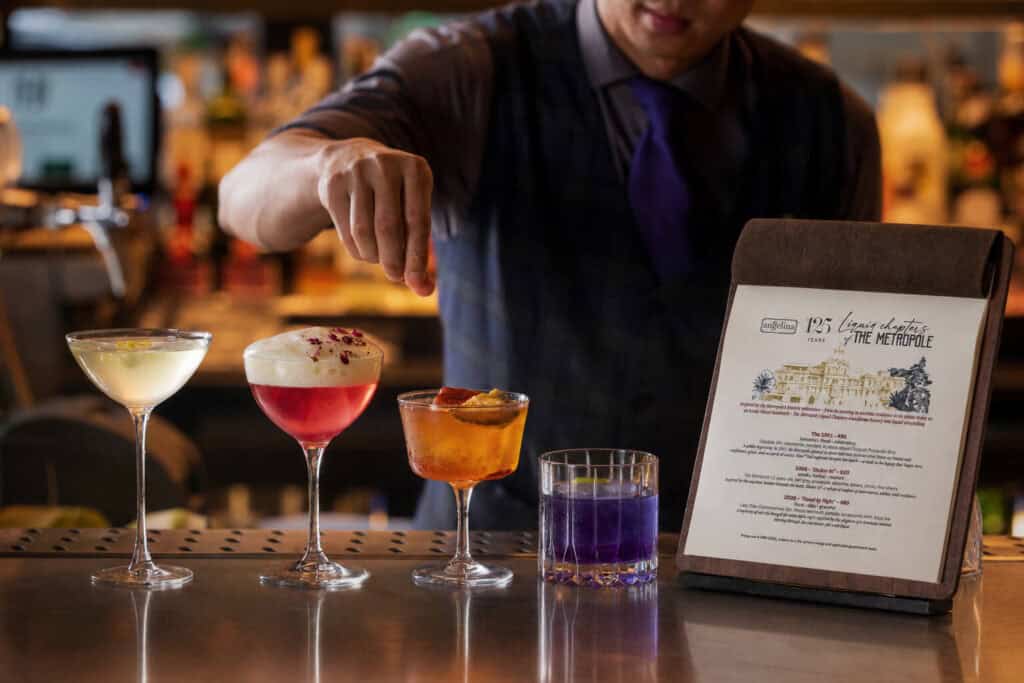
For the ultimate Hanoi experience, there’s really one address: Sofitel Legend Metropole Hanoi. This iconic property celebrates its 125th anniversary in 2026 and is genuinely one of the great historic hotels of Asia. Suites are named after famous former guests (Somerset Maugham and Charlie Chaplin both stayed here), the French cuisine at Le Beaulieu is exceptional, and the chic bar Angelina is the perfect spot for handcrafted cocktails after a day exploring the city. This is the kind of hotel that is a destination in its own right.
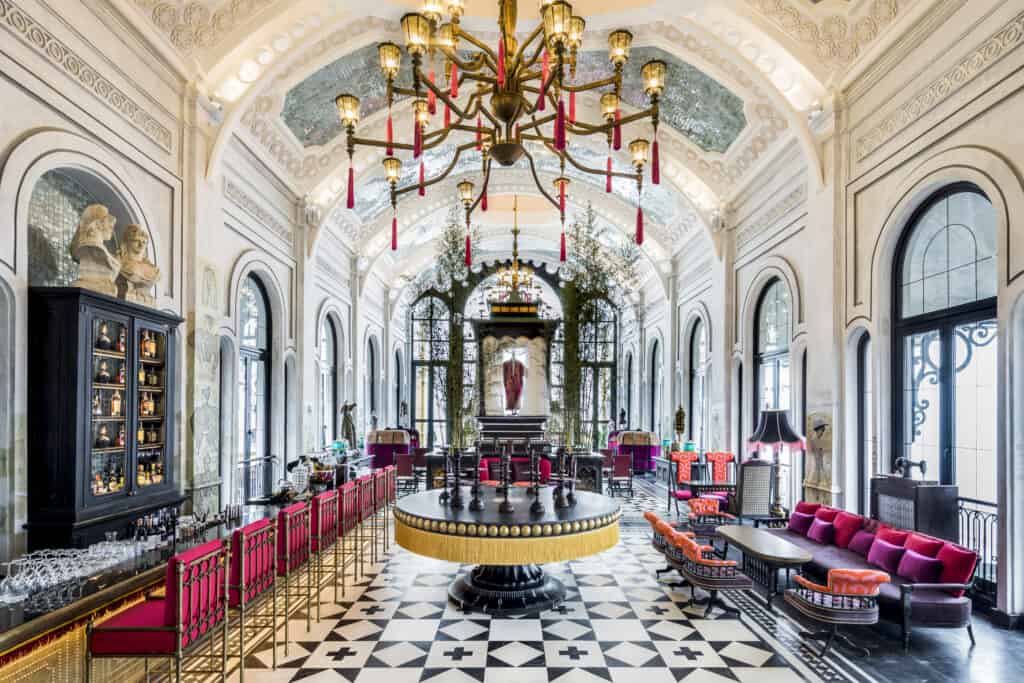
A short stroll away, Hotel de l’Opera Hanoi – MGallery Collection offers a more boutique experience steeped in Hanoi’s French spirit. Following a major renovation, the hotel has been refreshed with beautiful new Art Deco-inspired interiors inspired by “A Night at the Opera” — elegant, theatrical and utterly memorable.
Tip: Book Hanoi for a minimum of two nights to give yourself time to scratch the surface of the Old Quarter, take a day trip to the outskirts, and still enjoy a long, leisurely dinner. Plan your Hanoi trip here – Best things to do in Hanoi for first timers.
Sapa: Vietnam’s Mountain Sanctuary
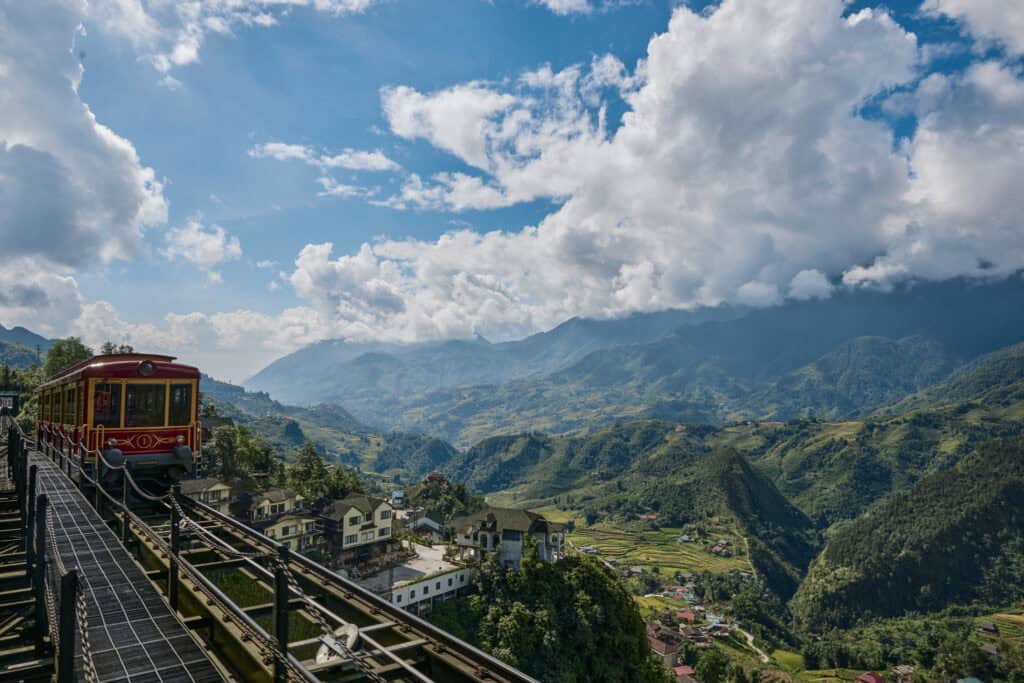
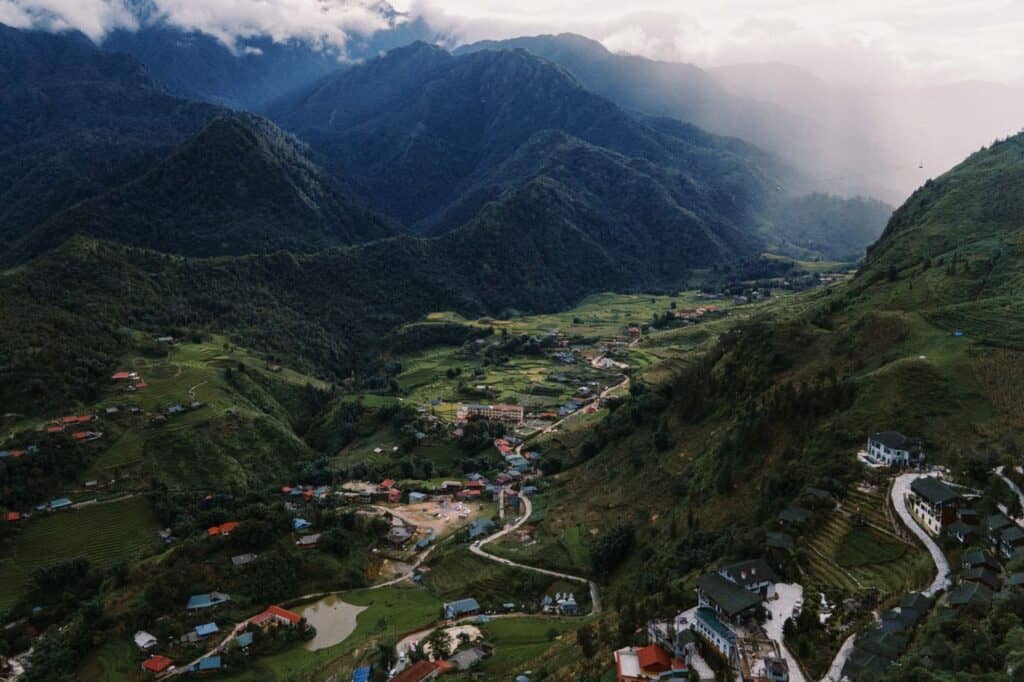
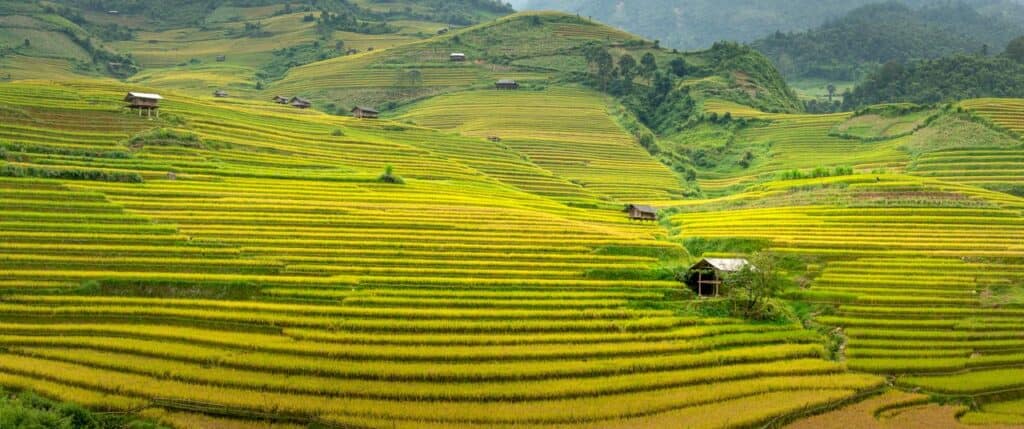
A few hours north of Hanoi (or a scenic overnight train ride), Sapa feels like stepping into another world entirely. Nestled in the Hoang Lien Son mountains at over 1,500 metres above sea level, the town sits at the edge of sweeping terraced rice paddies, lush valleys and ethnic minority villages where local markets sell everything from fresh produce to handmade silver jewellery.
The biggest draw is Mount Fansipan — at 3,143 metres, Vietnam’s highest peak. The Fansipan Cable Car whisks you from the valley floor to the summit in under 20 minutes, offering jaw-dropping views on clear days. Even on misty days (which are common), there’s something magical about emerging above the clouds.
Where to Stay in Sapa
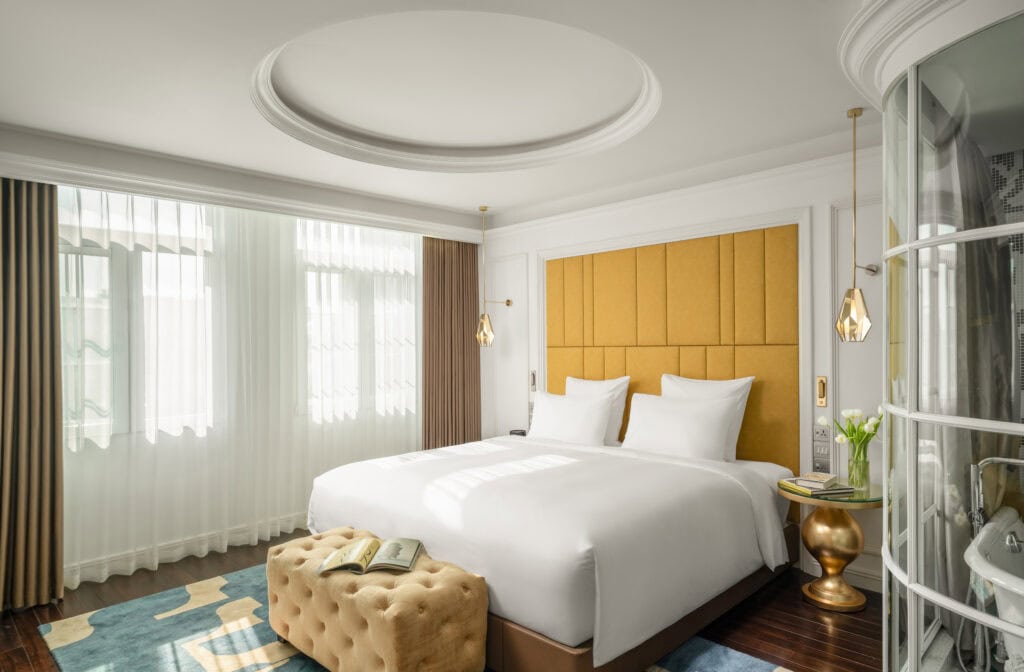
Hôtel de la Coupole – MGallery Collection is the standout choice. Designed by the legendary Bill Bensley, the interiors blend French haute couture style with indigenous ethnic influences — the result is unlike anywhere else you’ll stay. Rooms overlook the rolling hills, French cuisine is served at Chic, and Absinthe, the rooftop bar paying homage to the 1920s Parisian cabaret scene, is one of the coolest spots in the region.
Sapa is also emerging as a serious player on Asia’s cocktail scene — a guest shift collaboration between Absinthe and The Hudson Rooms (one of Asia’s 50 Best Bars) in July 2026 put the town firmly on the map for mixology lovers.
Tip: Allow at least two nights in Sapa. The mountain air is cool and crisp, trekking between villages takes time to do properly, and you’ll want a full day for the Fansipan cable car and summit.
Yen Tu: Hilltop Spirituality and Serenity
Most visitors to Northern Vietnam skip Yen Tu entirely, which is exactly why it’s worth going. The mountains here have held deep significance for Vietnamese Buddhists for centuries — this is a genuine pilgrimage site, not a tourist attraction dressed up as one.
The complex of UNESCO-inscribed temples, shrines and pagodas dates from the 13th century, and at the summit — more than 1,000 metres above sea level — the Dong Pagoda is a remarkable sight: constructed entirely of bronze and weighing over 60 tonnes.
Where to Stay in Yen Tu
Legacy Yen Tu – MGallery Collection is a genuinely special property. Unfolding across a lush valley like a 13th-century monastic complex, it offers a rare combination of luxury and authentic spiritual atmosphere. The An Tue Tinh spa is dedicated to holistic wellness, including yoga with mountain views, while Tho Quang Restaurant celebrates the purity of Vietnamese cuisine with locally sourced ingredients.
Tip: This is a destination for slow travel. Come for the peace, the landscapes and the sense of stepping outside everyday life. Two nights here will reset your perspective entirely.
Ninh Binh: The Other Ha Long Bay
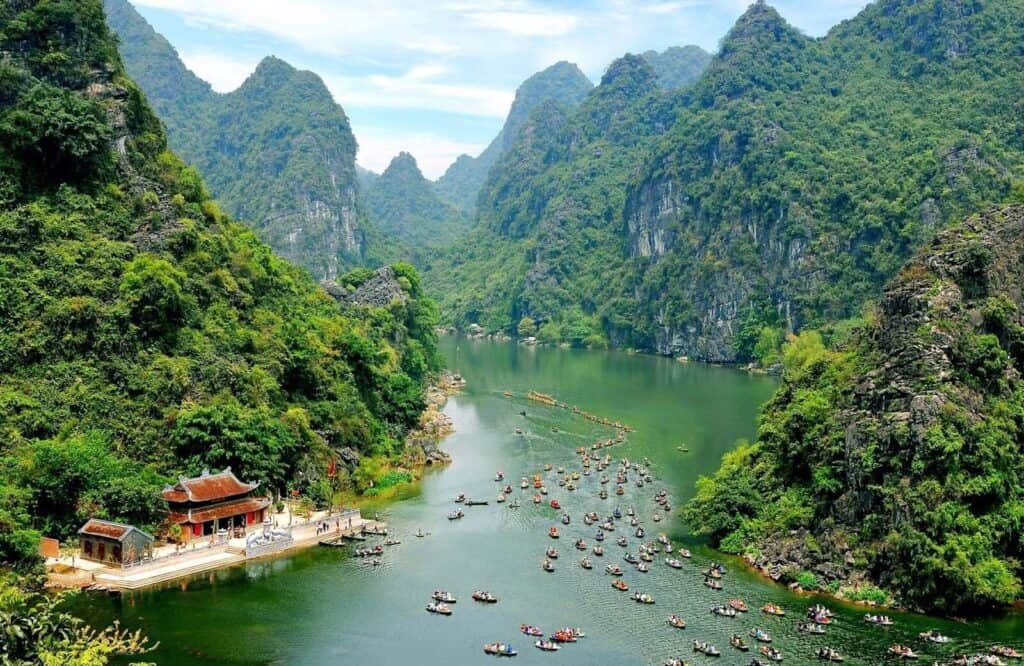
Often called “Ha Long Bay on land,” Ninh Binh is one of those places that stops you in your tracks. The landscape of limestone karsts rising from rice paddies and winding rivers has inspired Vietnamese poets and artists for centuries — and when you glide through it by traditional rowing boat, you’ll understand why.
The two unmissable boat trips are Trang An (a UNESCO World Heritage Site) and Tam Coc-Bich Dong, both extraordinary in their own right. After your time on the water, head to Hoa Lu — Vietnam’s capital in the 10th and 11th centuries — to explore its ancient pagodas, temples and royal tombs.
Where to Stay in Ninh Binh
The big news for 2026 is Pullman Ninh Binh, which opened in May and is the Red River Delta’s first internationally-branded hotel. With a spa, three swimming pools, six restaurants and a rooftop Champagne bar, it’s elevating the accommodation offering in Ninh Binh to a level the destination has never seen before.
Tip: Ninh Binh works well as a day trip from Hanoi, but staying overnight lets you experience the landscape at dawn and dusk — when the light is extraordinary and the crowds have gone.
Ha Long Bay: Linger Longer Than You Think
Ha Long Bay needs no introduction. Nearly 2,000 islands and islets, hidden lagoons, mysterious caves, white sand beaches — it’s one of those places that looks better in real life than in photographs, which is saying something.
Traditionally, Ha Long Bay was experienced with a day trip or an overnight boat tour. Both are fine, but neither does the destination justice. The opening of Ha Long’s first true luxury beach resort in 2025 has changed what’s possible here.
Where to Stay in Ha Long Bay
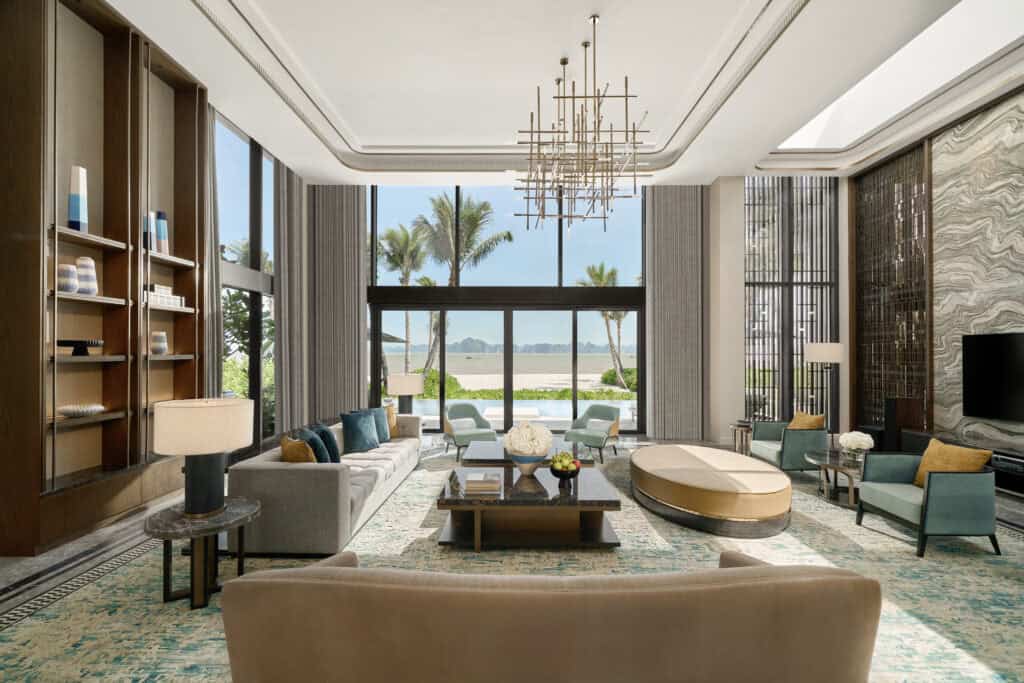
InterContinental Halong Bay Resort sits directly on the shore, with rooms, suites and villas overlooking the bay. There are multiple swimming pools, a Hidden Lagoon Spa, a kids’ club and several world-class restaurants — including Yulong Mansion, a sophisticated Chinese restaurant that opened in 2026. The showstopper, however, is the Halong Estate Villa: a six-bedroom beachside sanctuary that offers complete privacy for families or groups of friends. Unveiled in June 2026, it’s already becoming the most coveted address in Ha Long Bay.
Tip: Plan at least three nights in Ha Long Bay. A boat trip through the karsts, a beach day, a spa day and a sunset dinner on the terrace — you need time to do this place properly. If you want to stay overnight on a cruise – read the article “Everything you should know about a Halong Bay Cruise”
Why Northern Vietnam Should Be on Your Travel List
Northern Vietnam is one of those rare destinations where every type of traveller finds something that speaks to them. History lovers will be absorbed by Hanoi’s 1,000-year story. Nature seekers will be floored by Ha Long Bay, Ninh Binh and the Fansipan summit. Spiritual travellers will find something genuinely moving in the mountains of Yen Tu. And anyone who appreciates great food, great cocktails and beautifully designed hotels will find no shortage of those either.
The region is also increasingly easy to navigate. Hanoi is well connected internationally, domestic flights and an overnight train reach Sapa, and private transfers make getting between destinations comfortable rather than stressful. You don’t need to rush — pick the places that speak to you and give yourself enough time to actually settle in.
Frequently Asked Questions About Luxury Travel in Northern Vietnam
When is the best time to visit Northern Vietnam? September to November and March to May are generally considered the best times to visit. The weather is mild and visibility good — important for the Fansipan cable car and Ha Long Bay boat trips. Avoid the peak summer months (July–August) if you can, as rainfall is heavy and temperatures in Hanoi can be oppressively humid.
Do I need a visa to visit Vietnam? UK and most EU citizens can access Vietnam visa-free for up to 45 days (as of 2026), but always check the latest entry requirements before travelling as policies change. A valid passport with at least six months’ validity is essential.
How do I get between destinations in Northern Vietnam? Hanoi is the hub, with a well-connected network of options: domestic flights to Sapa (nearest airport: Lao Cai), an overnight train (a lovely experience in its own right), or private transfers. Ha Long Bay is around 3–4 hours from Hanoi by road; Ninh Binh around 2 hours. For a luxury multi-centre trip, a private car and driver is the most comfortable and flexible option.
Is Northern Vietnam safe for solo travellers? Yes, Vietnam is generally considered very safe for solo travellers, including solo women. The usual travel precautions apply — keep an eye on your belongings in busy markets, use reputable transport, and drink bottled water.
What currency is used in Vietnam? The Vietnamese dong (VND) is the local currency. Major credit cards are accepted at five-star hotels, but it’s worth carrying cash for markets, street food and smaller vendors. ATMs are widely available in Hanoi and tourist areas.
Can I combine Northern and Southern Vietnam in one trip? Absolutely. Domestic flights between Hanoi and Ho Chi Minh City are frequent and affordable, making a north-to-south (or vice versa) itinerary very practical. Many travellers spend a week in the north and a week in the south.
If you’re looking for a destination that combines extraordinary natural beauty with genuine cultural depth and a growing luxury infrastructure, Northern Vietnam belongs near the top of your list. It’s one of those places that surprises you — not just with what it looks like, but with how it makes you feel.
Have you been to Northern Vietnam? Drop a comment below — I’d love to hear your recommendations!
Follow Truly Expat Travel for more inspiration: 📸 Instagram 👍 Facebook ☕ Buy me a coffee
Latest Articles
- Umrah 2027: Essential Travel Documents Every Pilgrim Should Prepare
- 6 Beautiful Islands to Visit in East Indonesia in 2026
- The Best Things to Do in Tulsa, Oklahoma (And Why It’ll Surprise You)
- Stop Paying Roaming Fees: Why eSIMo Is the Travel eSIM I’ve Been Waiting For
- Retirement Travel Gets Better When You Stop Trying to See Everything