

Yokohama sits just 55 minutes south of Tokyo and delivers something Tokyo doesn’t—manageable scale with genuine character. One of Japan’s first ports opened to foreign trade in 1859, and you feel that history everywhere.
Table of Contents
Walking the cobbled streets of Motomachi, you’re exploring where East first met West. Wandering Chinatown, you’re tasting generations of cultural blending. The famous Ferris wheel glows against the waterfront at night. It’s enough to make you wonder why most visitors skip this city entirely.
One day works for first-time visitors. You’ll hit the main sights without rushing, eat genuinely good food at every stop, and understand why expats choose to stay. If you have more time, two days lets you relax and discover quieter neighbourhoods, but honestly, 24 hours captures the essence of what makes Yokohama special.
Running this blog takes a lot of coffee (and countless hours exploring every destination!). If you found this helpful and want to support more honest, detailed travel guides and itineraries, you can buy me a coffee. No pressure though – I’m just happy you’re here and hope you have an incredible adventure! 🙂


Getting to Yokohama from Tokyo
By Train (Easiest): The Minatomirai line from Tokyo’s central stations takes approximately 55 minutes to Motomachi Chukagai station—the most convenient arrival point for exploring Chinatown and the old town. You’ll walk from the station directly into the heart of what you came to see.
By Car: Driving takes about 30 minutes if traffic cooperates. Parking near Chinatown is straightforward with several stations nearby. If you’re renting, DiscoverCars handles bookings easily. However, for a single day, the train eliminates parking stress.
From Yokohama Station: If you arrive at Yokohama Station itself, you’re already perfectly positioned. The station is one of the world’s ten busiest—genuinely chaotic during rush hour, which is worth witnessing firsthand but admittedly overwhelming.

Your Perfect 1-Day Itinerary
Morning: Motomachi (Start Early)
Begin with an early morning stroll through Motomachi shopping street. Established in 1888 when foreign visitors arrived at Yokohama’s newly opened seaport, this street still feels like a European town transplanted to Japan. Cobbled streets, small boutiques, historic architecture that survived wars and modernisation.
Breakfast: Pop into Uchiki Pan, Japan’s very first bakery. A fresh pastry and coffee here sets the perfect tone—casual, genuinely good, unrushed. It’s what locals do, not what tourists queue for.
Pro tip: Arrive by 8:00 am before crowds gather and while bakeries are fully stocked.

Late Morning to Early Afternoon: Yokohama Chinatown (2-3 hours)
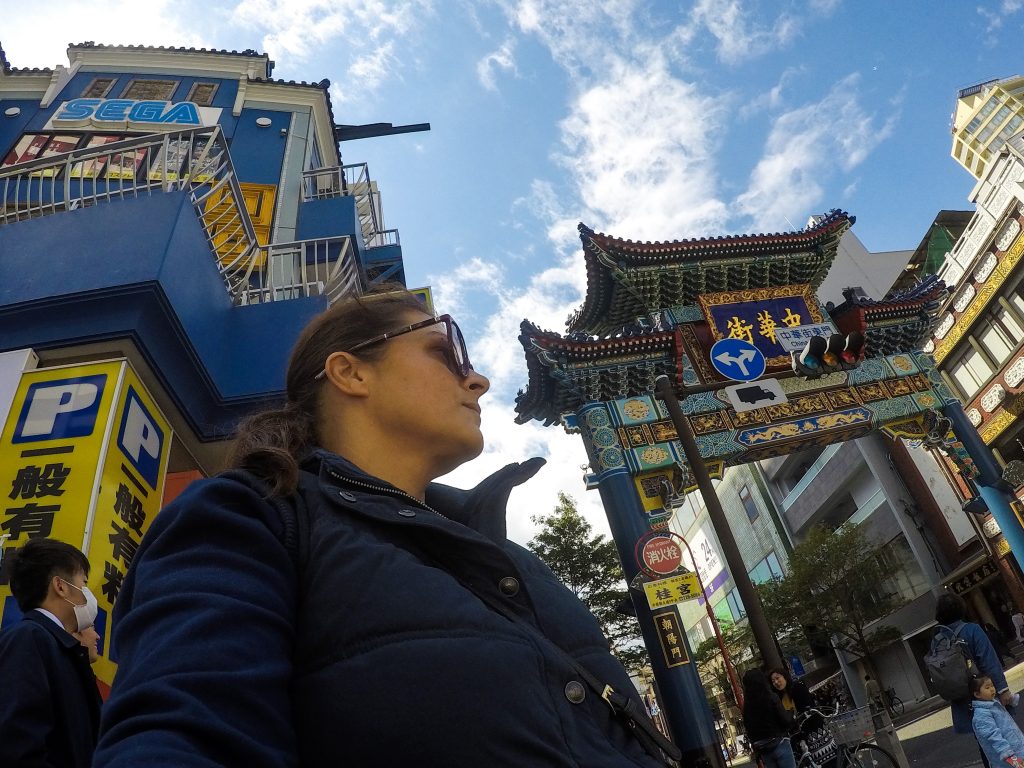
From Motomachi, it’s a short walk to Chinatown—Japan’s largest and genuinely bustling. This isn’t a tourist recreation. It’s an actual working Chinese community with real restaurants, herbalists, food vendors, and shops serving local populations alongside visitors.
The energy is palpable. Narrow lanes, red lanterns, aromatic food stalls, the constant hum of activity. You’ll see queues for popular restaurants at lunchtime, which is exactly where you should eat.
Lunch: The queues exist for reasons. Try pandaman chocolate steamed buns—pillowy, sweet, genuinely worth waiting for. Or grab xiao long bao (soup dumplings) from any packed restaurant. The quality is remarkably consistent across Chinatown because locals actually eat here.
Wandering tip: Ignore the main streets. Get deliberately lost in side alleys. You’ll find family-run shops, hidden restaurants, and genuine local life. This is where Chinatown becomes memorable.Pro tip: Go around 11:30 am to grab lunch before the serious crowds arrive around noon.

Afternoon: Choose Your Experience
Option 1: Yokohama Cosmo World (If Weather Cooperates)
Head to the Minato Mirai district and its iconic feature—the world’s largest clock-faced Ferris wheel. The amusement park itself is modest in size but entertaining, with enough to spend 2-3 hours if you’re actually using rides rather than just observing.
The Ferris wheel provides 360-degree views of Yokohama and Tokyo across the bay. A clear day reveals mountains. Cloudy days are moody and atmospheric in their own way. The wheel glows beautifully at night, so you could visit during afternoon and return for evening views. [PLACEHOLDER: GetYourGuide Yokohama Cosmo World tickets link]

Option 2: Cup Noodles Museum (If Weather Is Poor)
Located literally across the road from Cosmo World, the Cup Noodles Museum tells the story of how instant ramen became a global phenomenon. It’s more interactive than typical museums—you can book a time slot to make your own noodles, which is genuinely fun and surprisingly meditative.
Lunch here means trying different noodle styles, or eating the ones you just made yourself. The food court offers genuine variety without being overwhelming.
Pro tip: Arrive early to secure a noodle-making slot, especially if visiting weekends or during school holidays.

Late Afternoon: Yokohama Station and Takashimaya
Head to Yokohama Station in the Nishi Ward. This is where the day gets genuinely interesting if you embrace chaos. The station is ranked among the world’s ten busiest—genuinely astonishing crowds during evening rush hour (around 5:00-7:00 pm).
If you’ve timed it right, witnessing this human surge is unexpectedly fascinating. People flowing like organised rivers despite appearing chaotic. Japanese efficiency functioning at scale. It’s the opposite of relaxing but genuinely memorable.The Takashimaya department store adjacent to the station houses excellent restaurants and boutique shops. Browse if you’re interested in local products and design.

Dinner: Traditional or Contemporary
Traditional Option: Nagaska Sarashina Tahei on the 8th floor of Takashimaya serves some of the best soba noodles in Tokyo (yes, many say better than Tokyo’s). Running for over 100 years, this is where you taste continuity—the restaurant hasn’t fundamentally changed because it doesn’t need to.
Contemporary Options: The streets surrounding the station overflow with restaurants. Follow your instinct. Something that looks busy is probably good.
Pro tip: Make dinner reservations if eating at established restaurants during peak times. Casual street-level spots accommodate walk-ins.
Evening: Return to Cosmo World or Explore Further
If you didn’t visit the Ferris wheel earlier, return now. The wheel lit up against the night sky is genuinely stunning. The view across to Tokyo’s lights creates that “standing between two cities” feeling that defines Yokohama.
Alternatively, if you want authenticity over spectacle, spend evening wandering Chinatown again. The atmosphere completely transforms at night—neon signs reflecting in streets, different crowd energy, different restaurants opening for dinner service.
Practical Essentials
Weather: Yokohama has a humid subtropical climate. Summer (June-September) is hot and humid. Winter (December-February) is mild with rare snow. Spring (March-May) and autumn (September-November) are ideal. Pack layers and comfortable shoes you don’t mind getting wet.
Getting Around: The train system is comprehensive and English-signage friendly. Buy a Suica/PASMO for seamless train and bus travel across the day.
Internet: Airalo eSIM sorts your data for navigation, translation, and sharing. Arrive with eSIM already installed.
Insurance: SafetyWing covers unexpected mishaps so you can explore without worry.
Visa: Check iVisa for Japan requirements based on your nationality.
Accommodation: If staying overnight, the Yokohama Bay Sheraton sits conveniently across from Yokohama Station with easy access to everything.
Five Questions About Your Yokohama Day Trip
Ready to Explore Yokohama?
One day in Yokohama gives you something many Japan visitors miss—a city that feels authentically lived-in rather than designed for tourists. You eat genuinely good food without working hard to find it. You walk streets with actual history. You experience the energy of Japanese urban life at human scale.
Want personalised advice for your Yokohama or Japan trip? I can help you plan an itinerary tailored to your interests, whether it’s a day trip from Tokyo or a longer Japan adventure.
Schedule a consultation with meFollow along on Instagram @trulyexpattravel for real-time travel updates and daily life adventures, or join the Truly Expat Facebook community to connect with other women travellers planning their trips.
Affiliate Disclosure: This post contains affiliate links. If you book through them, I may earn a small commission at no extra cost to you—this helps me keep creating free, detailed travel guides. I only recommend services and products I genuinely use and trust after years of travel across Asia.
Pin it for later!