
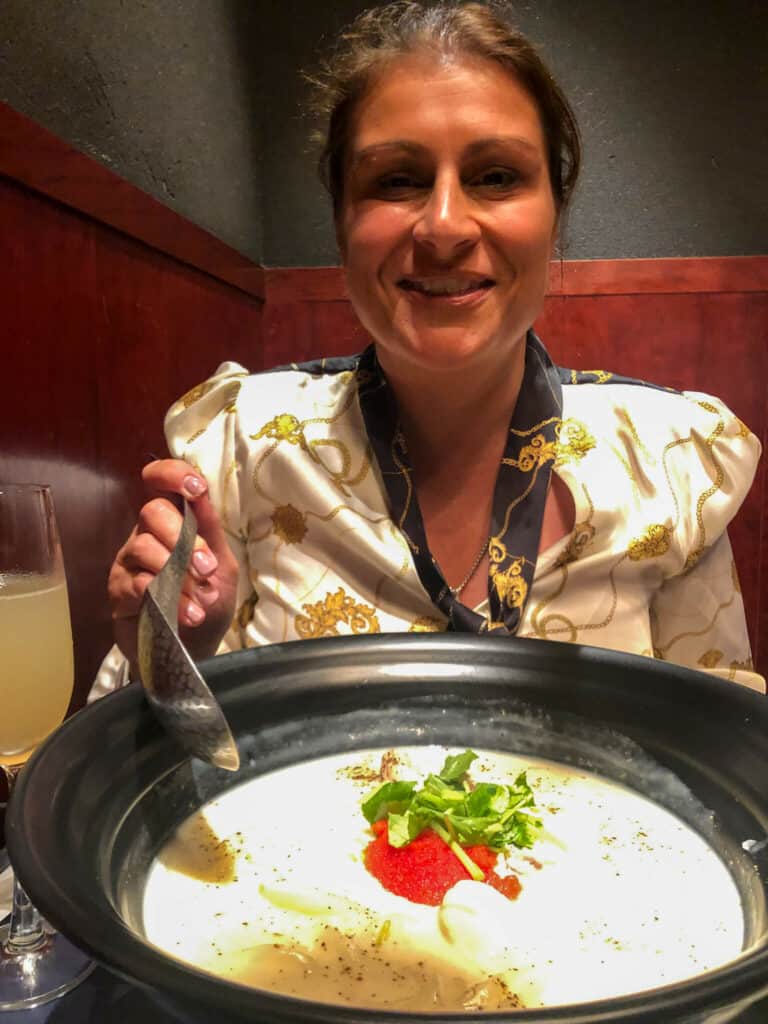


Osaka is called the “Kitchen of Japan” for genuinely good reasons. The food culture here transcends typical tourist consumption—it’s how locals actually live. From street food stalls to Michelin-starred restaurants, Osaka caters to every palate and budget. The city doesn’t just serve food; it celebrates it.
If you’re visiting Osaka, food should be front and centre of your itinerary. These five dishes represent Osaka’s culinary soul. Eat them. Experience them. Let them change your understanding of Japanese food.

Table of Contents
Essential Information Before You Go
Visa & Insurance: iVisa confirms Japan visa requirements. SafetyWing covers medical mishaps and travel disruptions.
Getting to Osaka: Direct flights from Singapore (6.5 hours) via Singapore Airlines, Scoot, Jetstar Asia Airways, Japan Airlines, or ANA.
Internet: Airalo provides reliable connectivity throughout your stay.
Getting Around for Food: Grab works reliably. Trains connect major food destinations efficiently. Walking through Dotonbori and surrounding food districts is genuinely the best way to discover vendors.
The 5 Must-Try Foods in Osaka
1. Takoyaki (Octopus Balls)—Street Food Essential
What it is: Piping-hot dough balls filled with diced octopus, green onions, pickled ginger. Cooked in round griddle moulds, topped with takoyaki sauce, mayonnaise, dried bonito flakes (which wave from heat—genuinely magical).
Why it matters: Takoyaki isn’t just Osaka’s most popular street food—it’s Osaka distilled into one bite. Crispy outside, creamy inside, perfectly balanced sweet and savoury. The first takoyaki you eat will shift your expectations about street food forever.
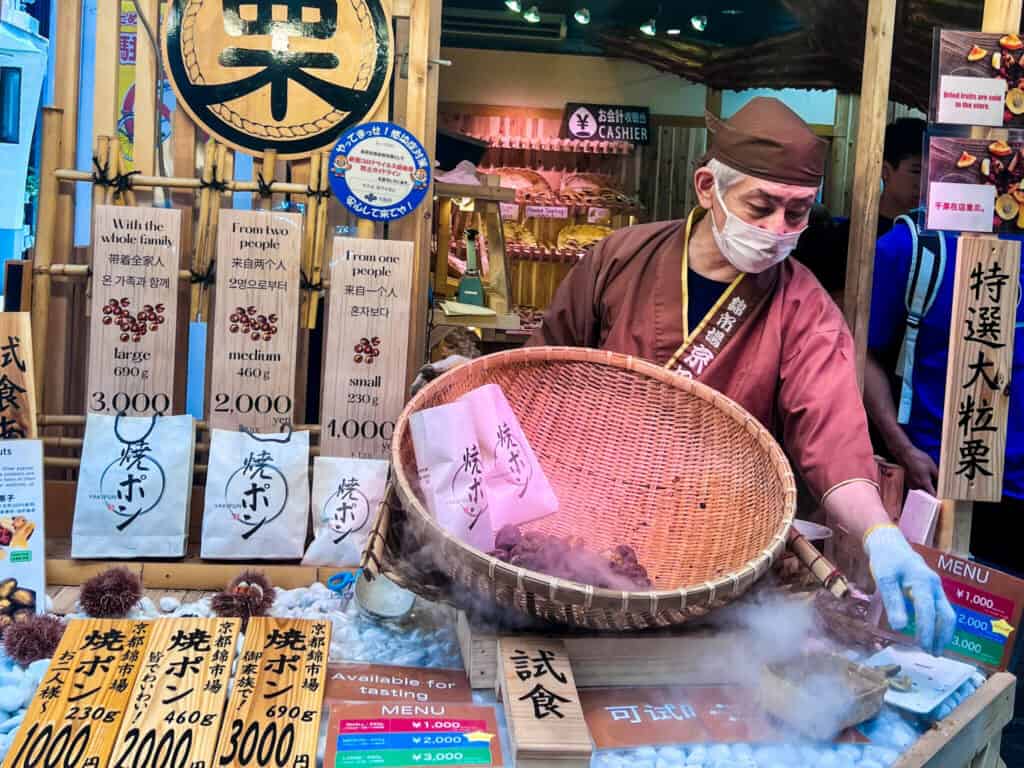
Where to find the best: Kuromon Ichiba Market (the “Kitchen of Osaka”). Vendors offer samples, competing for your business. Each stall claims to have the best—and honestly, they’re all genuinely good. The competition forces quality.Cost: Under ¥500 (USD 3-4) per serving.

2. Okonomiyaki (Savoury Pancake)—Customizable Comfort Food
What it is: Savoury pancake made with cabbage, batter, and your choice of toppings (pork belly, seafood, cheese, mushrooms). “Okonomi” literally means “what you like”—it’s a choose-your-own-adventure dish.
Why it matters: Okonomiyaki represents Japanese cooking philosophy perfectly: simplicity elevated to art. The core recipe is straightforward. Your preferences transform it into something uniquely yours. You’re not just eating—you’re collaborating with the chef on what you want.
What to choose: Start with pork belly (the traditional choice). Seafood is also exceptional. Cheese is unconventional but works beautifully. The chef will recommend based on what looks fresh that day.
Where to experience it: Street food stalls throughout Dotonbori prepare okonomiyaki before your eyes, cooking on massive hot plates. Watch the technique—it’s meditative. Kushikatsu Daruma is a renowned traditional okonomiyaki restaurant if you want formal dining version.
Cost: ¥800-1,200 (USD 5-8) at street stalls; ¥2,000+ (USD 13+) at restaurants.Pro tip: The chef’s technique matters enormously. Don’t just order and ignore—watch how they cook. The flipping motion, the timing, the sauce drizzle all affect final texture. Restaurant chefs make it look easy but clearly have years of practice.

3. Ramen—Comfort in a Bowl
What it is: Wheat noodles in rich broth. Osaka offers multiple styles: tonkatsu (pork bone) broth creates creamy richness; soy-based broths offer lighter, cleaner flavour. Toppings vary: soft-boiled egg, pork belly, bamboo shoots, green onions.
Why it matters: Ramen represents patience and technique. Quality ramen broths simmer for 12+ hours, extracting deep flavour from bones and aromatics. Each slurp tastes intentional—nothing accidental about it.
Which broth to choose: If you love richness, choose tonkatsu (pork bone). If you prefer cleaner flavours, choose shoyu (soy-based). First-timers often go tonkatsu—the creaminess is comforting and genuinely delicious.
Where to find it: Ramen Street at Osaka Station clusters several renowned ramen shops. You can’t go wrong—competition keeps quality high. Each shop has its specialty (one famous for tonkatsu, another for lighter broths, etc.). Try different shops if you’re returning to Osaka.
Cost: ¥800-1,500 (USD 5-10) per bowl.
Pro tip: Slurp loudly. In Japan, slurping noodles indicates enjoyment and actually cools the noodles as you eat. Eating quietly is considered disrespectful to the chef’s work.

4. Udon Noodles—Thick, Chewy Satisfaction
What it is: Thick wheat noodles (significantly thicker than ramen) served in hot broth with toppings. Common toppings include tempura, green onions, mushrooms, or simple egg.
Why it matters: Udon’s appeal is textural. The thickness creates genuinely different mouthfeel than ramen. Biting through udon noodles feels substantial, satisfying, almost meditative. The simplicity means broth quality becomes obvious—you taste everything clearly.
Why Osaka version matters: Kanto (Tokyo region) udon features thinner, softer noodles. Kansai (Osaka region) udon has thicker, chewier noodles. Osaka’s version is more textured, more interesting, genuinely superior if you appreciate noodle quality.
Where to find it: Umeda Hanamaru near Osaka Station is recommended, but genuinely good udon exists throughout the city. Local neighbourhood restaurants often serve better udon than tourist-targeted establishments.
Cost: ¥700-1,300 (USD 4.50-8.50) per bowl.Pro tip: Order tempura udon (with crispy fried tempura on top). The contrast between crispy exterior and hot broth creates dynamic texture throughout eating. Simple udon is also excellent, but tempura udon showcases ingredient quality.

5. Kobe Beef—Luxury Dining Experience
What it is: Beef from Kobe region (near Osaka). Known for exceptional marbling (fat distribution), tenderness, and rich flavour. Often served as thin slices you cook yourself at table (yakiniku style) or as beautifully plated restaurant dishes.
Why it matters: Kobe beef represents the pinnacle of Japanese beef. The marbling isn’t just aesthetics—it means flavour throughout every bite. The tenderness comes from genetics, diet, and specific raising practices. It’s genuinely different from other beef.
Reality check: Kobe beef is expensive. You’re paying for quality and scarcity. But trying it once genuinely changes beef expectations forever. The flavour is almost buttery, the tenderness remarkable.
Where to find it: Upscale restaurants throughout Osaka serve Kobe beef. Expect ¥8,000-20,000+ (USD 50-130+) per plate. It’s splurge territory, not everyday eating.
Pro tip: If budget is tight, try Wagyu beef (similar quality, less expensive) at street-food restaurants. You get the marbling experience without the luxury pricing. Or save Kobe beef for a special celebration meal.

Two Bonus Foods Worth Trying
Fugu (Blowfish)—Adventurous Eaters Only
Fugu is highly poisonous if prepared incorrectly. Only specially trained, licensed chefs prepare it. Osaka chefs are renowned for their fugu expertise—some of the best in Japan.
What to expect: Delicate, subtly sweet flavour. Firm texture. Served as sashimi (thinly sliced, raw) or tempura (deep-fried). The risk is part of the appeal—you’re eating something genuinely dangerous, prepared safely. It feels transgressive and adventurous.
Reality: Fugu tastes good but isn’t life-changing. The experience (eating poisonous fish safely) matters more than flavour. Try it if adventurous eating appeals to you.
Cost: ¥5,000-15,000+ (USD 30-100+) depending on restaurant.
Pro tip: Only eat fugu at specialized restaurants with evident fugu expertise. Prices should be high—that indicates proper training and quality. Cheap fugu is a red flag.

Sakura Mochi (Cherry Blossom Mochi)—Seasonal Dessert
Traditional Japanese dessert made with glutinous rice flour, sweet red bean paste (anko), and cherry blossom leaves. The pink colour comes from cherry blossom infusion. Wrapped in pickled cherry blossom leaf for unique flavour.
Why it matters: Seasonally, it represents spring in Japan. Cherry blossoms are cultural symbols, and eating sakura mochi during spring feels genuinely connected to the season. It’s not just food—it’s ritual.
When to eat it: Spring (March-May) when cherry blossoms bloom and sakura mochi is fresh. Eating it outside spring season feels disconnected.
Cost: ¥200-400 (USD 1-3) at street stalls or markets.Pro tip: Buy from Kuromon Ichiba Market where vendors prepare it fresh. The pickled cherry blossom leaf should be fresh enough to taste distinctive (not just decoration).

Best Ways to Experience Osaka’s Food
Option 1: Food Tours
Guided tours are genuinely valuable for first-time visitors:
- Local guides introduce vendors you wouldn’t find alone
- Explanations of dishes and history add context
- Guides handle ordering in Japanese
- You discover quality spots through curated selection
Available: Day tours, night tours, walking tour combinations, cooking classes.
Best for: First-timers, solo travellers, those wanting guaranteed quality without researching.
Option 2: Market Exploration
Kuromon Ichiba Market and Shinsekai allow independent exploration:
- Vendors offer samples freely
- Competition forces quality
- You discover at your own pace
- More affordable than guided tours
Best for: Budget travellers, adventurous eaters, those comfortable with trial-and-error discovery.
Option 3: Cooking Classes
Learn to cook Japanese dishes from local instructors:
- Hands-on experience with techniques
- Understanding ingredients and flavour profiles
- You eat what you create
- Social experience with other travellers
Best for: Food enthusiasts, those wanting to recreate dishes at home, immersive learners.
Frequently Asked Questions About Eating in Osaka
Ready to Eat Your Way Through Osaka?
Osaka’s food isn’t fancy or complicated—it’s genuine, flavorful, and genuinely satisfying. These five dishes represent the city’s culinary soul. Eat them. Experience them at their source. Let street food vendors teach you about Japanese food culture through their passion.
Come hungry. Stay curious. Slurp loudly. Experience Osaka like locals actually eat.
Want personalised advice for your Japan trip? Schedule time with me — I can help you plan an itinerary tailored to your interests, whether it’s a quick Osaka stopover or extended Japan adventure.
Follow along on Instagram @trulyexpattravel for real-time travel updates and daily life adventures, or join the Truly Expat Facebook community to connect with other travellers planning their trips.
Affiliate Disclosure: This post contains affiliate links. If you book through them, I may earn a small commission at no extra cost to you—this helps me keep creating free, detailed travel guides. I only recommend services and products I genuinely use and trust after years of travel across Asia.
Pin it for later!

Tried and Tested Recommendations
Visa – If you looking for an easy way to get a visa, or if you aren’t sure if you really need one in the first place. Ivisa makes the process easy, with a click of a button and few simple steps you will be able to sort out your visa requirements in a flash!
Insurance -We all know how important travel insurance is when you are abroad, but we also know how expensive it can be as well, right? Well, I am here to help solve both those problems. Safetywings is both affordable and reliable and better still easy to purchase. There are no hidden agendas, just choose the dates you will be away and check the coverage you need. It is that simple.
Car Hire– If you are planning to hire a car on your next trip, is the perfect solution, why? Because you will find it in most countries around the world and all mandatory fees are included in the price, so there are no hidden surprises.
E-sim– If you want to know the most affordable way to be connected when travelling, it is with an e-sim. I have to admit I have come late to the party on this one, and I wish I had known earlier as it would have saved me hundreds of dollars in the past. I have been using Airalo for the past few months now and it has been so easy to set up and use while I am away.
Airline Tickets– CheapOair is a leading provider of airline tickets, hotel rooms, rental cars and vacation packages with top travel brands to choose from globally. The CheapOair brand provides diversified travel services, however I highly recommend checking out their airline ticket options for best prices.