

Delhi isn’t like other capital cities. It’s simultaneously romantic, hectic, historical, artsy—everything at once, all the time. The city’s nickname, Dilwalon Ki Dilli (“Delhi of the large-hearted”), captures something true: there’s a generosity to this place that makes it memorable.
Table of Contents
From the grandeur of monuments to the chaos of street markets, from temples to tombs, Delhi rewards curious travellers willing to embrace rather than resist its intensity. A few days barely scratches the surface, but that’s exactly why most visitors return within months of leaving.
Old Delhi dates back to the Mughals (16th-17th centuries). New Delhi was designed in the 1930s-40s under British colonial rule. Walking between them is walking through centuries—the contrast itself is the experience.
Running this blog takes a lot of coffee (and countless hours exploring every destination!). If you found this helpful and want to support more honest, detailed travel guides and itineraries, you can buy me a coffee. No pressure though – I’m just happy you’re here and hope you have an incredible adventure! 🙂

Getting to New Delhi
By Air (Easiest): Air India, Singapore Airlines, and Vistara fly direct from Singapore in approximately 6 hours. Indira Gandhi International Airport is about 30 minutes from the city centre, though traffic conditions vary wildly.
From Airport:
- Private transfer: Ask your hotel to arrange before arrival. Eliminates negotiation stress.
- Rideshare: Uber and Ola operate reliably here.
- Metro: Accessible and affordable. Purchase a travel card on arrival.
- Airport buses: Run every 30 minutes. Both air-conditioned and non-air-conditioned options at different prices.

Getting Around Delhi
The metro is affordable and convenient with stations across the city. Public buses are popular with locals but crowded and mostly un-air-conditioned. Hiring a private guide or joining tours works best if you’re time-restricted. You’ll cover more ground with expert context.
Practical Essentials:
- Car hire: DiscoverCars for exploring at your own pace.
- Visa: iVisa confirms requirements instantly.
- Internet: Airalo eSIM provides connectivity throughout your trip.
- Insurance: SafetyWing covers unexpected mishaps.

Top Five Things to Do in New Delhi
1. South Delhi: India Gate & Lodhi Gardens
India Gate (officially Delhi Memorial) is the iconic sandstone arch dedicated to British Indian troops who died in wars from 1914-1919. It’s genuinely emblematic—people gather here, vendors sell snacks, locals relax on the lawns, tourists photograph the architecture. It captures Delhi’s energy in one location.
Lodhi Gardens sits nearby—a serene escape containing multiple tombs: Mohammed Shah’s Tomb, the Tomb of Sikandar Lodi, Shisha Gumbad, Bara Gumbad, and Athpula Bridge. Walking through feels like stepping backward in time amidst manicured gardens and remnants of empires.
Spend morning at India Gate watching the city wake up, then retreat to Lodhi Gardens’ quiet paths for contrast. The transition between chaos and calm within minutes defines Delhi.
Pro tip: Visit early morning (before 9:00 am) when it’s cooler and less crowded. Bring water.

2. Gandhi’s Legacy: Birla House & Memorials
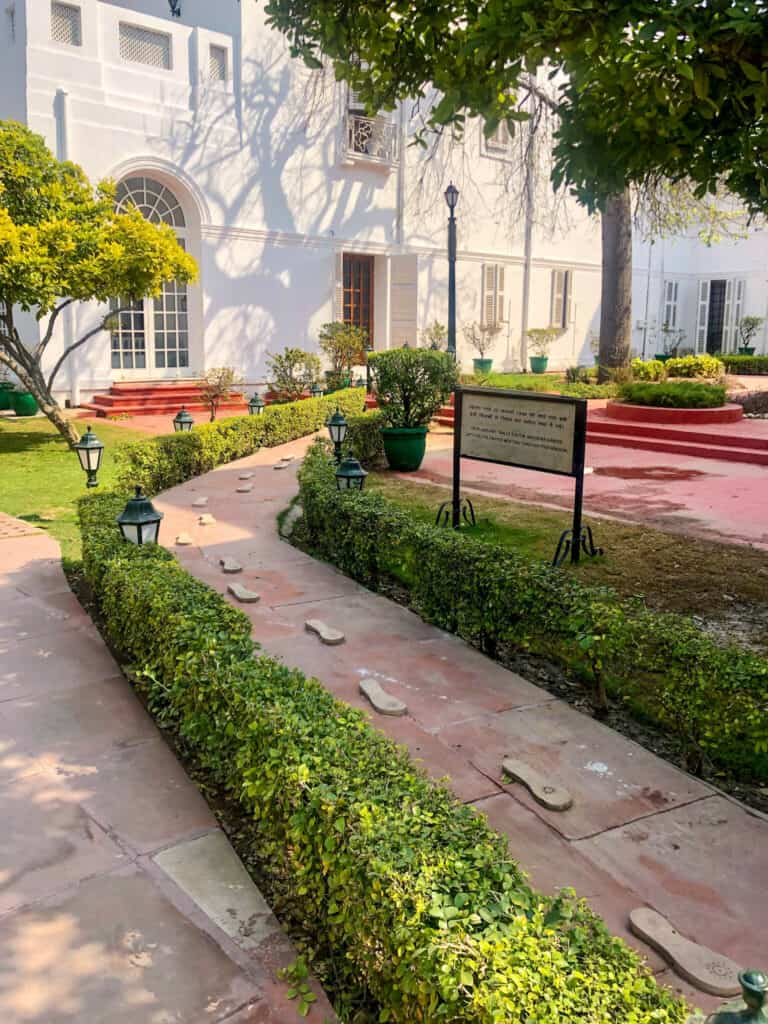
Birla House is where Mahatma Gandhi spent his final 144 days before assassination. Walking through the rooms where history happened—literally standing on the spot where he took his last breath—carries emotional weight. It’s not just a museum; it’s a pilgrimage for understanding modern India’s spiritual foundation.
Indira Gandhi Memorial Museum (the former Prime Minister’s residence, now memorial) operates Tuesday-Sunday, 10:30 am onwards. It’s less crowded than major tourist sites but profoundly meaningful.
Combine both for Gandhi’s Journey Half-Day Tour, which provides context and guidance without the scattered feeling of navigating solo. The story of these two figures—Mahatma and Indira—reveals India’s political and spiritual complexity.
Pro tip: Go with a guide if you want genuine insight rather than just visiting buildings. The stories matter more than the architecture here.

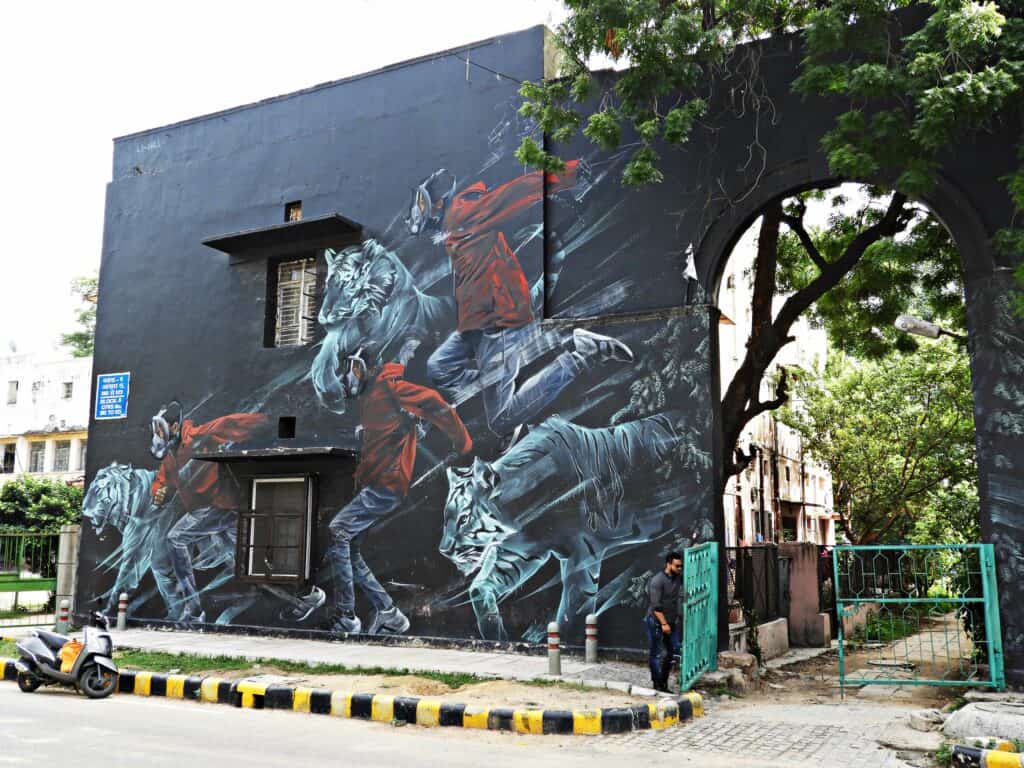
3. Street Art & Creative Energy: Lodhi Colony
Delhi’s creative heart beats in Lodhi Colony and surrounding streets—India’s first public art district featuring murals, installations, galleries, and emerging artists. Three hours covers the edgy, artsy areas beautifully.
The neighbourhood itself is pedestrian-friendly with wide roads and open spaces—genuinely rare in Delhi. You’ll discover galleries, coffee shops hidden in colonial buildings, vintage boutiques, and street art that demands second looks.
Combine this with Khan Market nearby—upscale shopping and excellent restaurants—for a full afternoon of wandering and eating well.
Pro tip: Go mid-morning or late afternoon to avoid peak heat. Comfortable walking shoes essential.
4. Eat Like a Local: Delhi Street Food Experience
Food tours are genuinely the best way to navigate Delhi’s overwhelming variety. Rather than guessing which vendors are safe or which dishes you’d actually enjoy, guides introduce you to established spots locals trust, explain what you’re eating, and help you order.
Delhi street food is exceptional—chaat (savoury snacks), samosas, momos, kebabs, lassi (yogurt drink). The flavours are genuine, the prices are cheap, and the experience is revealing about how the city actually lives.
Pro tip: Go hungry. Take photos. Don’t worry about finding “the best” place—they’re genuinely all good. Book tours in early evening when street vendors set up properly.

5. Hauz Khas Village: Medieval & Modern Blend
Hauz Khas Village is where history and modern Delhi collide naturally. Medieval Hauz Khas Fort sits next to art galleries, boutique shops, lakeside restaurants, and the peaceful Deer Park—genuinely green space in a concrete city.
You could spend an entire day here: exploring the fort ruins, browsing galleries, walking deer park paths, sitting lakeside watching the sunset. The lush lawns feel impossible in urban Delhi—the village is an oasis that somehow maintains authentic character despite being surrounded by the city.
Pro tip: Arrive late afternoon. Explore the fort as light fades, then settle at a lakeside restaurant for dinner. The energy transforms at night—it becomes more relaxed, more romantic, genuinely special.
This is where you’ll understand why Delhi is called the “city of love.”

Practical Tips for Your Delhi Visit
Weather: October-March is ideal (comfortable temperatures, minimal rain). April-September is hot, humid, sometimes monsoon. Plan accordingly.
Language: Hindi is official, but English is widely spoken in tourist areas. Learning basic phrases earns appreciation.
Money: Indian rupee. Check XE Currency Converter or similar for current rates. ATMs everywhere.
Safety: Delhi is safe for solo travellers with normal urban awareness. Don’t flash valuables. Be alert on crowded transport. Stay in well-lit areas at night.
Respect: Remove shoes at temples and homes. Dress modestly at religious sites (cover shoulders and knees). Photography often prohibited inside temples—ask first.
Where to Stay in New Delhi
Luxury Option: Taj Mahal New Delhi
Located right in the heart of the city, Taj Mahal New Delhi‘s five-star furnishings, impeccable service and a touch of Indian old-world charm is what you would expect from a luxury hotel. You’ll find Fitness centre, outdoor grounds, pool to ensure that your time in New Delhi is comfortable. Book here if you want pure comfort and heritage aesthetic.
Budget Option: Villa 33
Villa 33 is in Hauz Khas (quiet, prime location). They offer free airport shuttle, free wifi, clean comfortable rooms with included breakfast and have a friendly staff. You’ll get genuinely good value without sacrificing comfort or location.
Frequently Asked Questions About Visiting New Delhi
Conclusion
Delhi isn’t immediately comfortable. It’s loud, chaotic, confusing, overwhelming. By day three, it’s magnetic. You’ll understand why travellers return. The contradictions—beauty and chaos, history and modernity, wealth and poverty existing simultaneously—are what make it real, authentic, genuinely alive.
Come prepared for intensity. Leave changed.
Follow along on Instagram @trulyexpattravel for real-time travel updates and daily adventures, or join the Truly Expat Facebook community to connect with other travellers planning their trips.
Affiliate Disclosure: This post contains affiliate links. If you book through them, I may earn a small commission at no extra cost to you—this helps me keep creating free, detailed travel guides. I only recommend services and products I genuinely use and trust after years of travel across Asia.
Pin it for later!