

Kyoto is Japan’s cultural heart—a city that served as the nation’s capital for over 1,000 years before Tokyo took over. Walking through Kyoto, you feel history embedded in every stone. This isn’t just another Japanese city; it’s the container holding centuries of tradition, spiritual practice, artistic mastery, and cultural refinement.
Plan 3-4 days minimum to truly experience Kyoto. Rush through in two days and you’ll see sites but miss the soul. Kyoto rewards slow exploration—wandering temple grounds, sitting in gardens, participating in rituals, eating intentionally. These five activities represent the city’s essence. Do them thoughtfully, not frantically.
Table of Contents
Essential Information Before You Go
Visa & Insurance
iVisa confirms Japan visa requirements.
SafetyWing covers medical mishaps and travel disruptions.
Best Time to Visit
Cherry Blossom Season (Late March-Early April): Mild weather (10-18°C). Delicate pink blooms transform parks and temples. Peak tourism but genuinely magical. Must-see spots: Maruyama Park, Philosopher’s Path, Kiyomizu-dera.
Autumn Foliage Season (Late October-Early December): Cool weather (10-20°C). Stunning reds, oranges, golds. Peaceful atmosphere. Must-see spots: Kiyomizu-dera, Arashiyama, Tofuku-ji.
Both seasons are genuinely special. Spring feels hopeful. Autumn feels contemplative.

Getting to Kyoto
Fly to Osaka (6.5 hours from Singapore via Singapore Airlines, Scoot, Jetstar Asia Airways, Japan Airlines, or ANA).
From Kansai International Airport (KIX) to Kyoto:
- Shinkansen bullet train from Shin Osaka Station (15 minutes)—fastest
- Train + bus combination (just over 1 hour total)—economical
- Private transfer (under 1 hour)—convenient
Getting Around Kyoto
JR trains, privately-operated railways, buses connect efficiently. Grab works reliably. Walking is genuinely the best way to discover neighbourhoods.
Internet
Airalo provides reliable connectivity throughout your stay.
Currency & Tipping
Japanese Yen (¥) is official currency. Carry cash for smaller shops and cultural experiences. Tipping isn’t done in Japan—excellent service is expected and included in prices. A sincere thank you means more than money.

The 5 Must-Do Activities in Kyoto
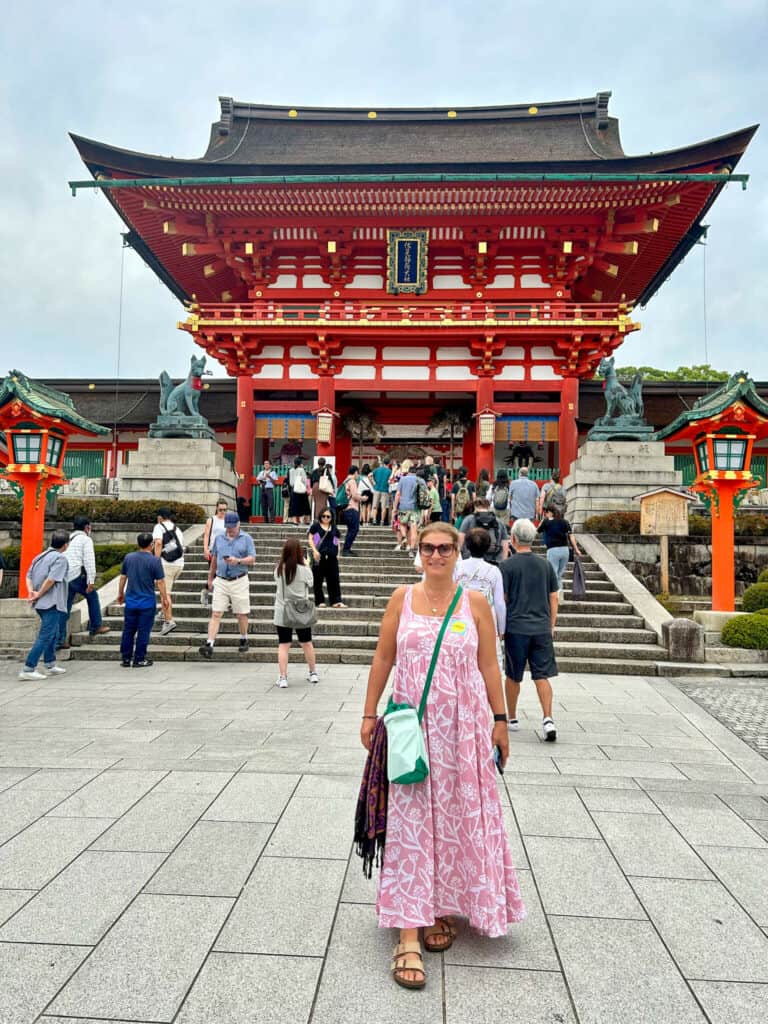
Fushimi Inari Shrine—Thousands of Vermilion Gates
What it is: UNESCO World Heritage site famous for thousands of vermilion torii gates winding through a forested hillside. The gates create a mesmerizing pathway that feels genuinely magical—like entering another world.
Why it matters: Fushimi Inari represents Japan’s spiritual traditions visually and physically. Walking through the gate tunnels, you’re participating in centuries of pilgrimage tradition. The experience is both meditative and awe-inspiring.
What to Experience:
- Torii Gate Tunnels: Walk through the vermilion tunnels. The repetition creates genuinely peaceful atmosphere. Each gate was donated by someone or a business—centuries of accumulated devotion.
- Hiking to Summit: The pathway to the summit offers panoramic views of Kyoto spread below. The hike takes 30-90 minutes depending on how far you go. Even partial climbs reward you with perspective.
- Inari Taisha Shrine: At the base, the main shrine honours Inari (deity of rice and prosperity). The architecture and energy are genuinely spiritual.
- Photography: The gates create genuinely stunning photographs—especially with morning light or when fewer crowds are present.
Pro Tip: Visit early morning (7:00-8:00 am), especially during cherry blossom season (March-May). Wear comfortable hiking shoes. Bring cash for donations (¥100-500) if you want to contribute. The shrine is genuinely peaceful before 9:00 am; after, crowds arrive steadily.
Cost: Free to enter. Optional donations ¥100-500.
Duration: 2-3 hours for full experience.

Traditional Tea Ceremony—Meditative Cultural Ritual
What it is: A formal, ritualistic preparation and serving of matcha (powdered green tea). A tea master guides you through each meticulous step—whisking the powder, observing specific movements, appreciating silence and simplicity.
Why it matters: Tea ceremony represents Japanese aesthetics fundamentally—harmony, simplicity, respect, appreciation of beauty in every aspect of life. Participating rather than observing transforms your understanding of Japanese culture.
What to Experience:
- Tea Master Guidance: Professional guides explain each step in English. You understand the philosophy and purpose behind seemingly small movements.
- Matcha Preparation: You’ll whisk matcha yourself (or observe the master doing it). The process is meditative—the sound of the whisk, the colours changing, the focus required.
- Contemplation: After preparation, there’s genuine stillness. You sit with your tea, the master, perhaps other participants, in peaceful silence. It’s genuinely restorative.
- Seasonal Context: Tea ceremonies emphasize seasons—spring ceremonies differ from autumn ceremonies. The setting, utensils, and even the sweets served reflect the season.
Pro Tip: Book in advance—tea ceremonies fill quickly. Arrive 5-10 minutes early showing respect for punctuality. Wear comfortable clothes that allow sitting on the floor (or request a chair if needed). Cost varies ¥3,000-8,000 (USD 20-50) depending on venue and formality.
Duration: 60-90 minutes typically.

Arashiyama Bamboo Grove—Fairytale Forest
What it is: A natural bamboo forest 7km west of downtown Kyoto. Towering bamboo stalks create a canopy casting dappled sunlight on the forest floor. The atmosphere is genuinely surreal—peaceful, otherworldly, genuinely beautiful.
Why it matters: The bamboo grove represents Kyoto’s natural beauty juxtaposed with urbanity. Within 15 minutes of the city, you’re in a forest feeling genuinely removed from modern Japan. It’s a genuine escape.
What to Experience:
- Peaceful Forest Walk: Stroll slowly through bamboo groves. The serenity is palpable—the sound of rustling leaves, the play of light, the stillness create genuine meditative atmosphere.
- Photography: The aesthetic is genuinely photogenic. Early morning and late afternoon light creates stunning colours and shadows.
- Tenryu-ji Temple: Just outside the bamboo grove sits Tenryu-ji Temple featuring a stunning Zen garden. Combine visits for comprehensive Arashiyama experience.
- Local Restaurants: Arashiyama area has excellent restaurants serving traditional cuisine. Take time for lunch.
Pro Tip: Visit early morning (7:00-8:00 am) or late afternoon (after 4:00 pm) to avoid midday crowds. The bamboo grove becomes genuinely touristy at noon—early/late visits are genuinely peaceful. Combine with Tenryu-ji Temple for full-day immersion.
Cost: Free to explore. Tenryu-ji Temple ¥800 (USD 5-6) entry. Meals ¥1,000-3,000 (USD 7-20).
Duration: 2-3 hours including temple visit.

Gion—Historic Geisha District
What it is: Kyoto’s famous geisha district featuring narrow cobblestone streets lined with traditional wooden machiya (wooden) houses. This is where geisha and maiko (apprentice geisha) live and work.
Why it matters: Gion represents preserved traditional Japanese aesthetics and lifestyle. Walking these streets, you genuinely step back in time—the architecture, the atmosphere, the energy all reflect centuries of tradition maintained.
What to Experience:
- Machiya Houses: Traditional wooden structures with latticed windows, wooden facades, architectural details. The craftsmanship is genuinely impressive—each detail intentional.
- Geisha/Maiko Sightings: Geisha and maiko gracefully move through streets in traditional dress, heading to evening appointments. Respectful observation and photography is acceptable if done discreetly.
- Boutique Shops: Quaint shops sell traditional crafts, local foods, souvenirs. Browse and discover.
- Local Restaurants: Gion has excellent traditional restaurants. Making reservations in advance ensures access to quality establishments.
- Atmosphere: Even without specific activities, the district’s energy is genuinely special—peaceful evening atmosphere, traditional beauty, cultural significance.
Pro Tip: Visit early evening (5:00-7:00 pm) for best chance to see geisha and maiko in traditional dress. Be respectful and discreet with photography—they’re people, not attractions. Photograph respectfully or ask permission before photographing anyone.
Cost: Free to walk district. Meals ¥2,000-8,000+ (USD 13-50+) depending on restaurant.Duration: 2-3 hours for leisurely exploration.

Nishiki Market—”Kyoto’s Kitchen”
What it is: A bustling traditional market filled with food stalls, shops, vendors, local delicacies. Nishiki Market is where locals actually shop for food—it’s genuine, energetic, authentically Kyoto.
Why it matters: Nishiki Market reveals how locals actually eat and live. Rather than observing Kyoto from temples and gardens, you participate in daily Kyoto life—shopping, sampling food, experiencing contemporary culture.
What to Experience:
- Street Food Sampling: Try takoyaki, okonomiyaki, local snacks, fresh sashimi, grilled seafood. Each vendor has specialties. Ask what’s fresh that day.
- Pickled Vegetables: Kyoto is famous for tsukemono (pickled vegetables). Browse different varieties and sample local styles.
- Fresh Produce: Beautiful seasonal produce sold directly by vendors. The quality and variety are genuinely impressive.
- Local Delicacies: Matcha sweets, traditional tofu, local spices, seafood—genuine Kyoto food culture.
- Authentic Atmosphere: The market is genuinely local—not staged for tourism but functioning community marketplace where Kyoto residents actually shop.
Pro Tip: Come genuinely hungry and bring cash—many vendors don’t take cards. Go mid-morning (10:00-11:00 am) or mid-afternoon (2:00-3:00 pm) to avoid breakfast and lunch rushes. Budget ¥2,000-4,000 (USD 13-25) for extensive sampling.
Cost: ¥1,000-4,000 (USD 7-25) depending on how much you sample.Duration: 90 minutes to 2 hours.

Practical Day-by-Day Strategy
- Day 1: Fushimi Inari (morning), settle into neighbourhood, explore local area
- Day 2: Arashiyama Bamboo Grove (early morning), Tenryu-ji Temple, lunch, local exploration
- Day 3: Tea ceremony (morning), Gion evening stroll, dinner
- Day 4: Nishiki Market (morning), temple of choice, day trip (optional)
This pacing allows immersion rather than rushing between sites.
Five Questions About Visiting Kyoto
Ready to Experience Kyoto Authentically?
Kyoto isn’t a destination for box-checking. It’s a city requiring presence—showing up early to temples, sitting in gardens, participating in ceremonies, eating thoughtfully, wandering neighbourhoods without agenda. These five activities represent Kyoto’s essence, but the experience comes from how you approach them.
Come with curiosity. Arrive early. Move slowly. Sit quietly. Participate fully. You’ll leave with memories and understanding, not just photographs.
Want personalised advice for your Japan trip? Schedule time with me — I can help you plan an itinerary tailored to your interests, whether it’s a quick Osaka stopover or extended Japan adventure.
Follow along on Instagram @trulyexpattravel for real-time travel updates and daily life adventures, or join the Truly Expat Facebook community to connect with other travellers planning their trips.
Affiliate Disclosure: This post contains affiliate links. If you book through them, I may earn a small commission at no extra cost to you—this helps me keep creating free, detailed travel guides. I only recommend services and products I genuinely use and trust after years of travel across Asia.
Pin it for later!

You may also like
Important Information
Visa – If you looking for an easy way to get a visa, or if you aren’t sure if you really need one in the first place. Ivisa makes the process easy, with a click of a button and few simple steps you will be able to sort out your visa requirements in a flash!
Insurance -We all know how important travel insurance is when you are abroad, but we also know how expensive it can be as well, right? Well, I am here to help solve both those problems. Safetywings is both affordable and reliable and better still easy to purchase. There are no hidden agendas, just choose the dates you will be away and check the coverage you need. It is that simple.
Car Hire– If you are planning to hire a car on your next trip, DiscoverCars is the perfect solution, why? Because you will find it in most countries around the world and all mandatory fees are included in the price, so there are no hidden surprises.
E-sim– If you want to know the most affordable way to be connected when travelling, it is with an e-sim. I have to admit I have come late to the party on this one, and I wish I had known earlier as it would have saved me hundreds of dollars in the past. I have been using Airalo for the past few months now and it has been so easy to set up and use while I am away.
Airline Tickets– CheapOair is a leading provider of airline tickets, hotel rooms, rental cars and vacation packages with top travel brands to choose from globally. The CheapOair brand provides diversified travel services, however I highly recommend checking out their airline ticket options for best prices.