Two Himalayan Treks, Two Very Different Experiences
Choosing a Himalayan trek sounds like the fun part of planning, right up until you open a dozen tabs and everything blurs together. Mountains, tea houses, prayer flags, steep stairs. So which one actually fits your time off, your knees, and your idea of a good week?
In This Guide
Two routes come up again and again: the Mardi Himal Trek in the Annapurna region and the Everest View Trek in Khumbu. Both put you face to face with big peaks. That’s roughly where the similarity stops. Mardi Himal is a forest-and-ridge climb toward a high base camp tucked below Machhapuchhre. The Everest View Trek is a shorter introduction to Sherpa country, with Namche Bazaar, monasteries and a shot at seeing Everest, without committing to the full Everest Base Camp trek.
Neither is better across the board. Your fitness, your calendar and the way your body copes with altitude will matter more than any brochure.
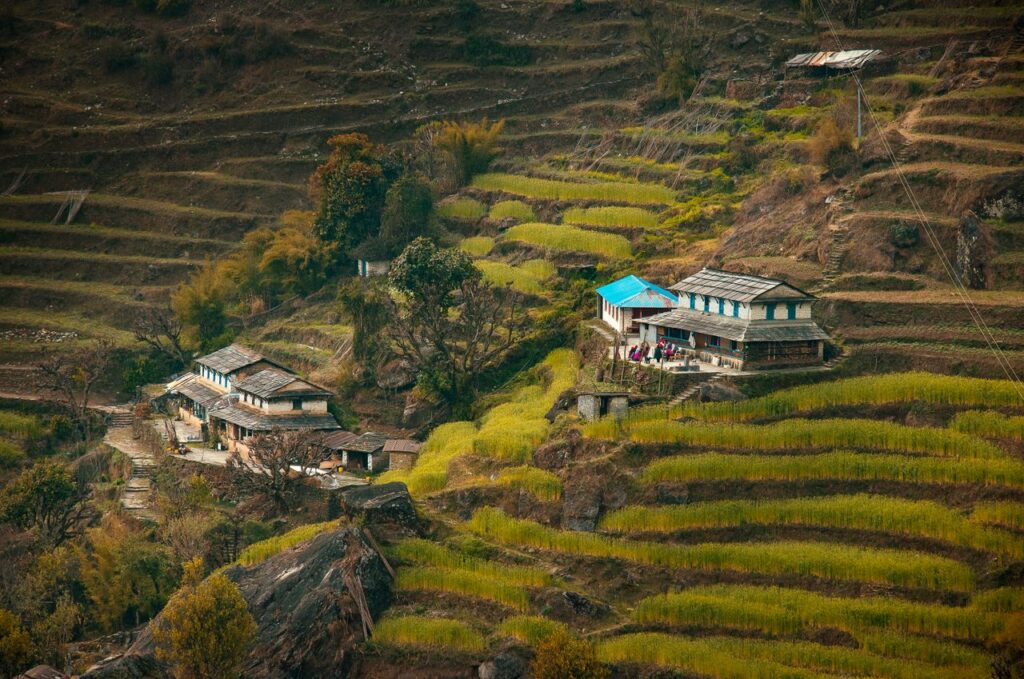
Mardi Himal Trek vs Everest View Trek: The Main Differences
Before getting into each route, it helps to see where they really split. Scenery is the obvious one. Days on the trail, effort, and how high you sleep are the ones people tend to overlook.
Route, Scenery, and Overall Experience
The Mardi Himal Trek is all about the Annapurna side of Nepal. You walk through woodland, climb onto a long ridgeline, and keep looking up at mountain faces that feel surprisingly close. The Everest View Trek is a different mood altogether. It runs through the Khumbu, where Sherpa villages, stone-walled fields, monasteries and suspension bridges are as much a part of the day as the peaks.
One route is mostly about landscape. The other mixes landscape with a strong cultural thread. That alone settles it for some people.
Duration, Difficulty, and Altitude
Mardi Himal usually takes around four to six days on the trail, depending on where you start and how the itinerary is built. Everest View itineraries often run five to seven days once you count the Kathmandu leg, though that varies a lot between operators. So don’t compare names. Compare the actual walking days, day by day.
On height, Mardi Himal Base Camp sits at roughly 4,500 metres. Everest View itineraries have no single high point. It depends on where you spend your highest night and which viewpoint you reach, so check the specific plan you’re looking at.
What Makes the Mardi Himal Trek Worth Considering?
Forest Trails, Mountain Ridges, and Annapurna Views
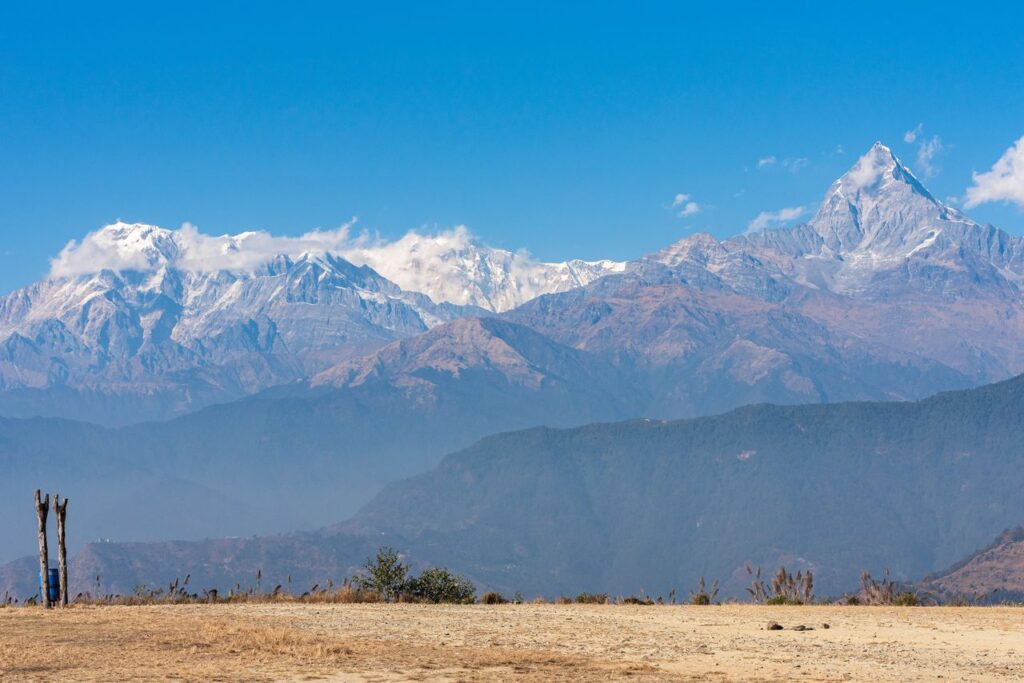
The first stretch is shady and green, with rhododendron and oak forest, moss on the trees and the occasional clearing. Then the trees thin out and the trail climbs into open ridge country. This is where the mountains take over. Machhapuchhre, often called Fishtail, dominates the scene, with Annapurna South and neighbouring peaks filling in the horizon.
Mardi Himal also tends to feel calmer than some of Nepal’s better-known trekking corridors. Calmer isn’t the same as empty, though, so don’t expect to have the ridge to yourself in peak season.
What the Trail Feels Like on the Ground
Here’s the honest part. The trek is short on paper, but it climbs steadily, and a lot of it is stone steps and uneven ground. Weather can swing fast on the ridge. Many people finish tired in a satisfied way, and some finish a bit surprised.
Lodges get more basic as you go higher, and facilities differ from place to place. Trekking poles help, especially on the descent. Pack warm layers even if the lower forest feels mild. And don’t judge a day by its distance alone. A short day with a long climb can be harder than a long flat one.
Who Should Choose Mardi Himal?
It suits people who like changing scenery, who want close mountain views without signing up for a long expedition, and who are comfortable with steady uphill walking and nights at higher elevation.
Why the Everest View Trek Offers More Than Mountain Photography
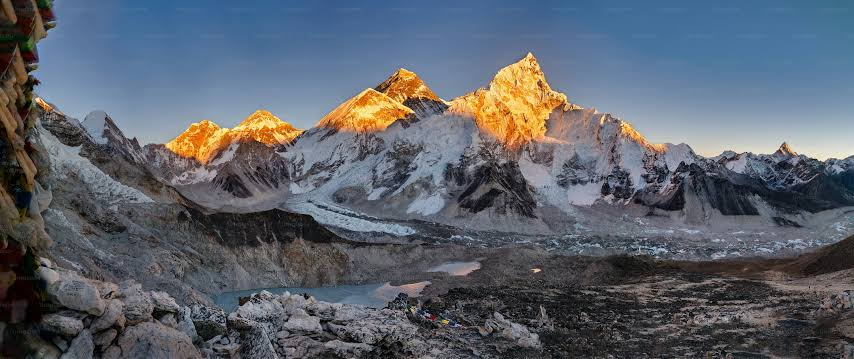
Experiencing the Khumbu and Sherpa Culture
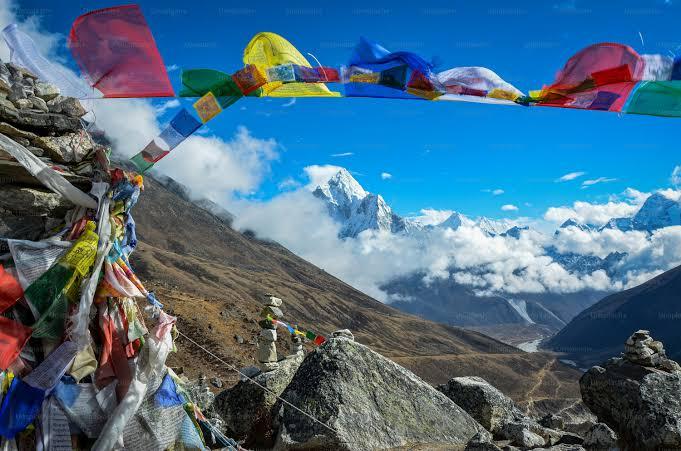
What stays with a lot of people isn’t a single mountain view. It’s the walk itself. Prayer flags snapping in the wind, mani walls you pass on the left, yaks on the trail, villages where life carries on around the trekkers. Namche Bazaar is the main hub, a steep, busy town built into a hillside, and a natural place to spend an acclimatisation day.
On itineraries that include it, Tengboche Monastery is another highlight. It’s worth remembering that these are living communities, not scenery. Dress modestly at monasteries, ask before taking photos of people, and walk around mani walls the traditional way.
If the monasteries and prayer flags of the Khumbu appeal to you, you’ll find more of that spirit across the border in our guide to visiting Bhutan, the Himalayan Kingdom.
Everest Views Without the Full Base Camp Trek
If you’re short on time, or you simply don’t want to walk all the way to Everest Base Camp, this route is a sensible middle ground. You still get into the Khumbu and still have a chance to see Everest and its neighbours.
Only a chance, though. Views depend on cloud, season and the viewpoint you choose. And “Everest View Trek” isn’t one fixed itinerary. The highest point and the amount of walking change from one package to the next, so read the details.
Who Is This Trek Best For?
It’s a good fit for travellers who care about culture as much as mountains, who prefer a shorter trip in the Everest region, and who are willing to take altitude seriously even when the trek is short.
Which Trek Is More Difficult: Mardi Himal or Everest View?
Neither wins as “the easy one.” Difficulty depends on your walking experience, how much height you gain each day, trail conditions, the weather, and how well you acclimatise.
Mardi Himal has steep climbs and some exposed sections near the upper viewpoints. The Everest View Trek may involve fewer days than a full Base Camp trip, but altitude can still hit you through headaches, poor sleep, low appetite and flat energy. And standing at a high viewpoint doesn’t mean you’re acclimatised. You might have just gone up quickly.
So go up gradually, rest when your body asks for it, and keep some flexibility in the plan. If symptoms of altitude sickness turn serious, stop ascending and get medical help. That isn’t negotiable.
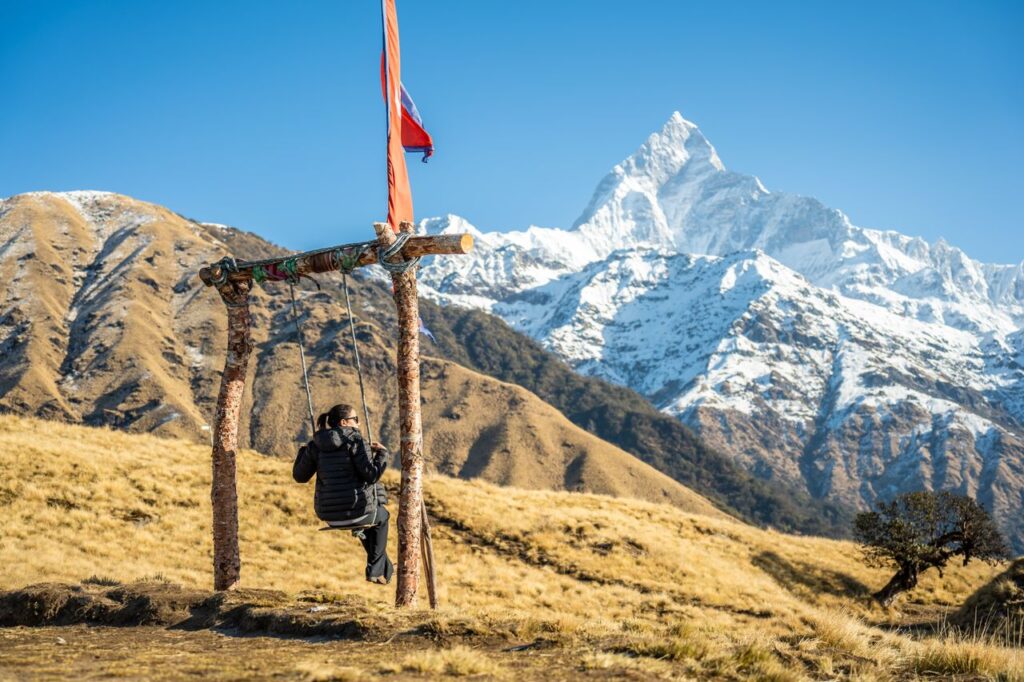
Best Time to Visit: Weather, Visibility, and Trail Conditions
Spring and Autumn
Spring, roughly March to May, brings flowering plants at lower elevations and a softer feel to the hills. Autumn, roughly September to November, is the busiest season because visibility is often good. Still, neither season promises clear skies. Mountains make their own weather.
Monsoon and Winter Considerations
Monsoon means rain, cloud, slippery paths, and leeches in the lower forest, particularly on the Mardi Himal route. Winter can bring cold nights, snow and tougher conditions higher up. In the Everest region, flights are weather-dependent, so delays and schedule changes happen. Check current forecasts before you go and leave a little slack in your plans.
Permits, Accommodation, Transport, and Budget Planning
Permits and Local Requirements
The Annapurna and Everest regions have different permit requirements, and a permit for one doesn’t cover the other. Rules also change from time to time, so confirm what’s needed through official Nepal tourism or park authorities before you travel.
Getting to the Trailhead
Mardi Himal trips usually begin with a road journey from Pokhara to a starting point that depends on your route. Everest View itineraries commonly start in Kathmandu and use a flight to Lukla, although arrangements vary. Lukla flights are famously weather-sensitive, so ask what the backup plan is if yours is delayed.
What to Budget For
Think about transport, lodging, meals, guide or porter services, permits, insurance and your own gear. I won’t quote a single number here, because costs swing with the itinerary, group size, service level and season. When you compare packages, check exactly what’s included before you compare prices.
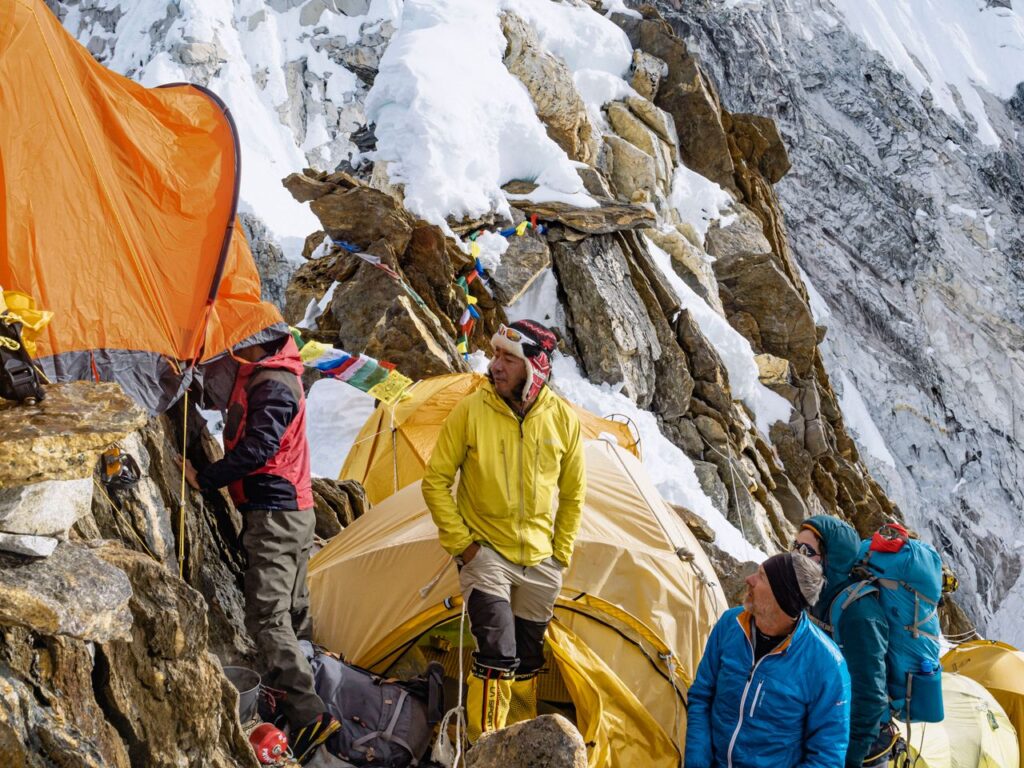
Practical Advice From the Trail: What Many First-Time Trekkers Overlook
Break in your boots before you land in Nepal. Blisters on day two can ruin a trip. Bring layers, waterproofs, sun protection and a reusable water bottle.
Choose travel insurance that clearly covers trekking at your intended altitude, including emergency evacuation. Read the small print. Ask about guide arrangements, lodge standards, meals and emergency procedures before you pay.
And don’t rush uphill just to keep to a schedule. A shorter itinerary doesn’t cancel the need for fitness or altitude awareness. It just means fewer days to get it wrong.
Mardi Himal Trek or Everest View Trek: How to Make Your Decision
Think about what you want from the trip. If you want to walk through Annapurna landscapes and work your way toward dramatic viewpoints on foot, Mardi Himal is the stronger match. If you’d rather experience the Khumbu, Sherpa culture and Everest scenery in a fairly short window, go for the Everest View Trek.
If time is tight, count total travel days, not just trekking days. If altitude worries you, talk to a qualified medical professional and pick a sensible itinerary. Travellers comparing itinerary details and arrangements can also look at what Adventure Great Himalaya offers as one source among others.
Choose the Trek That Matches Your Travel Style
These two treks offer different ways into Nepal’s mountains. Mardi Himal gives you Annapurna scenery and a long, rewarding ridge walk. The Everest View Trek pairs Khumbu views with Sherpa culture in a shorter format.
Before you book, compare the real route, the highest overnight elevation, the walking hours, what’s included, and what happens if the weather turns. Then pick the one that sounds like your kind of trip. There isn’t a wrong answer, only a better fit for you.
Still deciding where Nepal fits into your wider travels? Our guide to the best Asian countries to visit can help you plan what comes before or after your trek.
Frequently Asked Questions
Is the Mardi Himal Trek harder than the Everest View Trek?
It depends on the itinerary. Altitude, daily ascent, trail conditions and your own fitness all change the answer, so compare the specific plans rather than the names.
How many days are needed for the Mardi Himal Trek?
Plan on roughly four to six days of trekking, plus extra time to get to and from Pokhara.
Can you see Mount Everest on the Everest View Trek?
Yes, from suitable viewpoints, but it isn’t guaranteed. Visibility depends on the weather and the route you choose.
Which trek is better for beginners?
Both can work for reasonably prepared beginners on a suitable itinerary. Neither is effortless, though, so train a little beforehand.
What is the best season for these treks?
Spring and autumn are the popular windows. Weather and trail conditions still vary from year to year.
Do I need a guide for either trek?
Check the current rules and local requirements before you go. Even where it isn’t strictly required, a qualified guide helps with navigation, local knowledge and day-to-day decisions.
Thanks for taking the time to read this article. I hope this post has given you the information you need. If you have any recommendations, tips or advice, I would love for you to share them in the comment section below!
This post may contain affiliate links, meaning we may receive a commission at no extra cost if you purchase through a link. Please see our full disclosure for further information.
Check out my Instagram page or join the Truly Expat Facebook group.
Running this blog takes a lot of coffee (and countless hours exploring every destination!). If you found this helpful and want to support more honest, detailed travel guides and itineraries, you can buy me a coffee. No pressure though – I’m just happy you’re here and hope you have an incredible adventure! 🙂

Latest Posts
- Mardi Himal Trek vs Everest View Trek: Which Himalayan Adventure Fits You Best?
- Planning a Luxury India Tour From the USA: Timing, Visas, Flights and Pace
- Planning a Memorable Branson Getaway With Fun Activities for the Whole Family
- Beyond the Great Ocean Road: a winter campervan loop from Melbourne to the Grampians and Wilsons Promontory
- What 16 Hours to Vancouver Does to Your Skin