
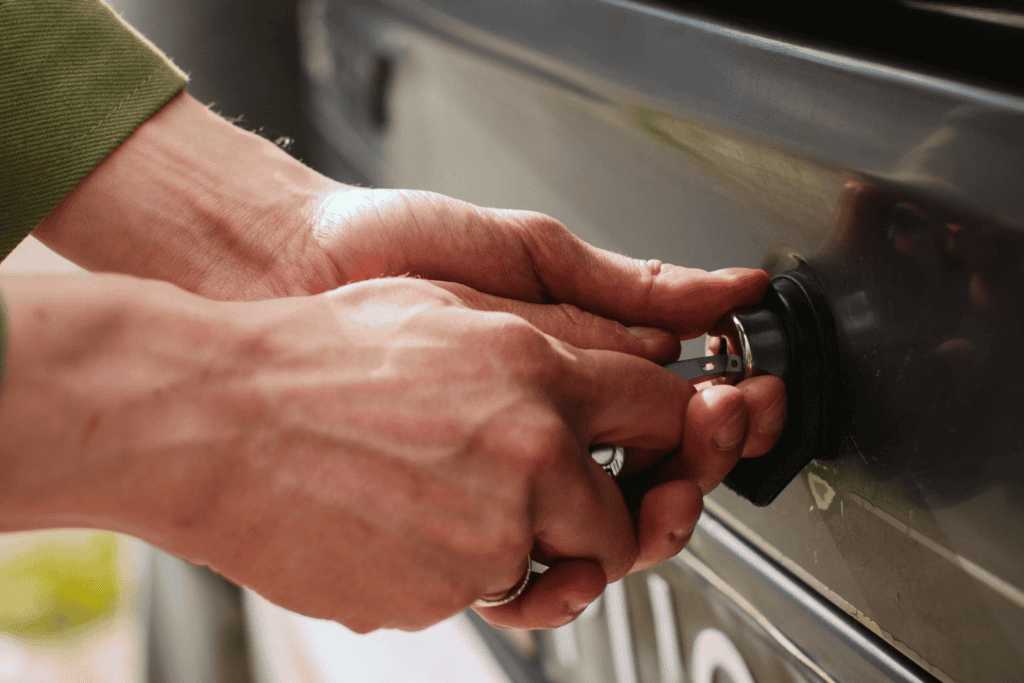
A kingpin is the steel pivot pin that locks a fifth-wheel trailer to its towing vehicle, and it is both the structural heart of the connection and the most exposed security weak point on any fifth-wheel rig. For trailer owners who store, haul, or travel with high-value cargo, understanding what the kingpin does, how it can be compromised, and how to protect it is a non-negotiable step in trailer ownership. This guide covers kingpin anatomy, theft vulnerability, and the security measures that matter most.
What Does a Kingpin Do on a Fifth-Wheel Trailer?
The kingpin is the single point of contact between a fifth-wheel trailer and the towing truck’s hitch plate. It handles every towing force, from forward momentum to lateral sway, which makes it both mechanically critical and structurally exposed. When the trailer is unhitched and parked, that same exposed pin becomes the primary access point for theft.
Keeping the kingpin secured when the trailer is parked is one of the most direct theft-prevention steps an owner can take. Companies like AMPLock offer a king pin lock engineered to fit directly over the kingpin and block the jaw of any fifth-wheel hitch from re-engaging, making it physically impossible to tow the trailer away without a key.
How the Kingpin Connects to the Fifth-Wheel Hitch
The kingpin slides into the jaw mechanism of a fifth-wheel hitch mounted in the truck bed. A spring-loaded jaw closes around the pin’s neck and locks it in place, creating a rigid coupling point. The connection is designed to tolerate significant stress while remaining releasable from the cab with a handle or lever.
The coupling is directional: the pin enters from the rear as the truck reverses under the trailer. A properly latched connection produces an audible click. Without that confirmation, the pin is at risk of disengaging while moving, which is why the kingpin’s integrity directly affects road safety as well as security.
What Makes the Kingpin Different From a Ball Coupler?
A ball coupler connects to a rounded hitch ball mounted on the truck’s receiver. It sits at the rear of the vehicle and connects to the tongue of a bumper-pull trailer. A kingpin, by contrast, is a fixed steel pin that mounts to the front undercarriage of a fifth-wheel or gooseneck trailer and couples into a hitch plate sitting in the truck bed.
The key difference is geometry and load distribution. A ball coupler creates a single pivot point at the back of the truck, which causes the trailer’s weight to act as a lever arm. A kingpin-and-fifth-wheel setup positions the coupling point over the rear axle, distributing weight more evenly and allowing for longer, heavier trailers. The 2 systems require different security hardware because the coupling mechanisms, pin diameters, and exposed geometries are completely different.
What Are the Different Types of Kingpin Configurations?
Kingpins are not universal. The industry uses a handful of standard sizes and mounting configurations, and the type on your trailer determines which security hardware will actually fit.
Standard 2-Inch vs. Extended Kingpin: What Is the Difference?
The most common configuration is the 2-inch diameter kingpin, used on the vast majority of recreational fifth-wheel trailers and many commercial semi-trailers. It’s the industry baseline, and most fifth-wheel hitches are designed around it.
An extended kingpin sits lower than a standard one, adding height between the pin head and the trailer’s skid plate. Extended kingpins appear on certain gooseneck-to-fifth-wheel adapters and some heavy-duty commercial trailers. The diameter is often the same, but the additional length changes which locks will fit flush against the trailer. Using a standard-length lock on an extended kingpin leaves a gap that defeats the lock’s purpose.
How Do You Identify Your Kingpin Type Before Buying a Lock?
Start by measuring the pin diameter at the widest point and the distance from the pin head to the bottom of the trailer’s skid plate. These 2 measurements determine both the lock bore size and the required jaw depth. Your trailer’s owner’s manual typically lists the kingpin specification, and the manufacturer’s part number stamped on the kingpin itself can confirm the exact model.
If neither source is available, a visual inspection with a caliper takes less than 5 minutes. Confirming the spec before purchasing a lock prevents the most common fit error: buying a lock rated for a 2-inch pin when the trailer has a specialty configuration.
If you’re newer to towing and want a broader introduction to vehicle-based travel — including what to check before you hit the road — this guide to motorhome rental tips for beginners covers the essentials well.
Why Is the Kingpin a Target for Trailer Theft?
The kingpin’s design prioritizes fast coupling under normal conditions. That same ease of engagement makes it straightforward for a thief with a compatible fifth-wheel hitch to drive away with an unsecured trailer in under a minute. A parked fifth-wheel with no visible security hardware is, for practical purposes, an unhitched and unguarded asset.
How Do Thieves Exploit an Unprotected Kingpin?
A thief needs only a pickup truck with a fifth-wheel hitch, 60 seconds to back under the trailer, and an unobstructed kingpin. The coupling process requires no tools and produces no distinguishing sound in an open lot or campground. Once the pin latches, the truck drives away with a legally towed-looking load.
Most fifth-wheel theft follows this pattern because it requires no forced entry, no cutting, and no visible damage. The theft registers as a missing vehicle rather than a crime scene, which delays the response window significantly.
What Do Theft Statistics Tell Us About Fifth-Wheel Vulnerabilities?
Trailer theft is a persistent problem across North America. Recreational and commercial trailers represent high-value, low-risk targets because they’re often stored outdoors, away from surveillance, and left unattended for extended periods. The absence of a visible deterrent is the single most reliable predictor of theft opportunity.
A fifth-wheel trailer parked without a kingpin lock communicates to a potential thief that no resistance is present. A physical lock forces a thief to abandon the trailer or spend time on a noisy, tool-intensive removal that significantly increases exposure risk.
How to Protect a Trailer Kingpin From Theft
Effective protection requires a combination of a physical lock and correct fitment. A lock that doesn’t sit flush against the trailer’s skid plate leaves a leverageable gap. A correctly fitted lock removes the mechanism a thief relies on.
What Is a Kingpin Lock and How Does It Work?
A kingpin lock is a hardened steel device that clamps over the exposed kingpin and physically blocks the jaws of a fifth-wheel hitch from engaging. Most designs use a disc or cylinder lock mechanism to secure the device to the pin. When locked, the body of the device sits between the pin and any incoming hitch jaw, making coupling impossible without the key.
The most effective designs are custom-molded to the specific kingpin diameter rather than relying on adjustable-fit mechanisms. A universal-fit lock uses internal spacers or movable jaws to accommodate different pin sizes, which introduces tolerances that can be exploited. A purpose-built lock with no internal play is mechanically more resistant.
How Do You Choose the Right Kingpin Lock for Your Trailer?
The first criterion is fitment: the lock must match your kingpin’s diameter and skid plate clearance exactly. A lock that fits with excessive clearance can be shimmed or forced out. The second criterion is cylinder type. Pin-tumbler cylinders are the industry baseline and adequate for most use cases. Disc-detainer cylinders offer higher pick resistance and are worth specifying for trailers that travel frequently or park in high-risk areas.
Material grade matters as well. The lock body should be solid ductile iron or hardened steel rated to resist cutting and drilling attempts. Check for a warranty that covers both the cylinder and the body, not just a replacement policy, because a reputable manufacturer stands behind both the mechanism and the material.
Installation and Maintenance Best Practices
Installing a kingpin lock takes under 2 minutes. Lower the trailer’s landing gear until the kingpin hangs freely, position the lock around the pin, and engage the lock cylinder. The device should sit flush against the skid plate with no visible gap.
Maintenance is minimal. Lubricate the cylinder every 6 months with a graphite-based lubricant. Avoid oil-based sprays, which attract dust and can gum the cylinder over time. Inspect the lock body for surface corrosion after extended outdoor storage, especially in coastal or winter climates where road salt accelerates oxidation.
Key Takeaways for Fifth-Wheel Trailer Owners
The kingpin is the structural and security pivot point of every fifth-wheel connection. Its exposed design, which makes hitching fast and convenient, also makes it the most accessible entry point for trailer theft. A correctly fitted kingpin lock closes that gap directly: it sits over the pin, blocks hitch engagement, and removes the 60-second theft window entirely.
Choosing the right lock means confirming your kingpin’s diameter and skid plate clearance before purchasing. A custom-fit, hardened-steel device with a quality disc-detainer cylinder provides the best combination of fitment precision and pick resistance available in the category.
Frequently Asked Questions About Kingpins and Trailer Security
What Is the Difference Between a Kingpin and a Ball Coupler?
A kingpin is a fixed steel pin on the underside of a fifth-wheel or gooseneck trailer that couples to a hitch plate mounted in a truck bed. A ball coupler is a socket that fits over a rounded hitch ball mounted to the rear of a tow vehicle. The 2 systems use completely different geometry, load distribution, and security hardware.
Can Any Kingpin Lock Fit My Trailer?
Not all kingpin locks are interchangeable. The lock must match your kingpin’s specific diameter, typically 2 inches for most recreational trailers, and the gap between the pin head and the skid plate. Measure both dimensions before purchasing to ensure a flush, gap-free fit.
How Secure Is a Kingpin Lock Against Power Tools?
A hardened-steel kingpin lock body resists most cutting and drilling attempts that can be completed quickly and quietly in an exposed location. No lock is unconditional, but the combination of a solid body and a quality disc-detainer cylinder raises the effort and time required to a level that deters opportunistic theft.
Do I Need a Kingpin Lock If My Trailer Is Parked in a Secure Lot?
A monitored lot with gated access reduces theft risk but doesn’t eliminate it. Surveillance cameras and fencing deter casual theft, but a determined thief with the right truck can still couple and exit before an alert is acted upon. A kingpin lock adds a physical layer that a surveillance system alone cannot provide.
Is a Kingpin Lock Compatible With a Keyed-Alike System?
Some manufacturers offer keyed-alike configurations, meaning the kingpin lock shares the same key as your coupler lock, hitch lock, or trailer door lock. This eliminates the need to carry multiple keys and simplifies security management for owners with several lock points on a single trailer or across a fleet.
Thanks for taking the time to read this article. I hope this post has given you the information you need. If you have any recommendations, tips or advice, I would love for you to share them in the comment section below!
This post may contain affiliate links, meaning we may receive a commission at no extra cost if you purchase through a link. Please see our full disclosure for further information.
Check out my Instagram page or join the Truly Expat Facebook group.
Running this blog takes a lot of coffee (and countless hours exploring every destination!). If you found this helpful and want to support more honest, detailed travel guides and itineraries, you can buy me a coffee. No pressure though – I’m just happy you’re here and hope you have an incredible adventure! 🙂

Latest Articles
- Planning a Luxury India Tour From the USA: Timing, Visas, Flights and Pace
- Planning a Memorable Branson Getaway With Fun Activities for the Whole Family
- Beyond the Great Ocean Road: a winter campervan loop from Melbourne to the Grampians and Wilsons Promontory
- What 16 Hours to Vancouver Does to Your Skin
- Nar Phu Trek and Annapurna Circuit Trek: Two Himalayan Routes, One Deeper Journey