Travel issues are beyond the crowded cities, luxury resorts, and famous tourist spots. Today many travellers are going for quiet destinations that present open spaces, local culture, and a greater connection with nature. Rural outdoor adventures, which are a great break from the routine, also allow travellers to see places that are very much in their true, less commercial form.
However, travellers often see that travel to remote areas requires more care than what is needed for a typical vacation. Also, there are limited services, unexpected weather, and foreign terrain, which may at any time transform a great adventure into a stressful situation if travellers aren’t well prepared. But with due care in planning, which is given ahead of time, travellers may have a safe, comfortable, and confident trip.
This shift toward quieter, more meaningful destinations is part of a broader movement in travel — one we explore in our look at current travel trends, where off-the-beaten-path adventures and immersive cultural experiences are increasingly leading the way.
This guide goes over what travellers should do in order to prepare for a rural outdoor adventure and what to think through before heading out to less developed areas.

Research the destination thoroughly.
In terms of planning any rural trip, the first step is to research the destination. With respect to remote areas, which may be far from the beaten path, travelers will find that transport options are more limited, internet access is perhaps nonexistent, and also travelers will see very different local customs.
Before travelling, research before going out.
- Weather conditions during your travel dates
- Road accessibility and transportation routes
- Local emergency services
- Mobile network coverage
- ·Nearby accommodations and fuel stations
- Cultural expectations and local regulations
Knowing the area well, which in turn reduces surprises and also brings about more realistic trip planning.
Pack Practical Clothing and Gear
Outdoor travel includes variable weather, rough terrain, and long periods of time spent out. What travelers pack is more important than how it looks.
Essentials usually include:
- Waterproof outerwear
- Durable walking shoes or boots
- Lightweight layers for temperature changes
- Flashlights or headlamps
- Portable chargers
- First-aid supplies
- Reusable water bottles
- Navigation tools or offline maps
Travellers in cold and mountainous areas also have to be prepared for sudden weather changes which may occur at any time including during the warm season.
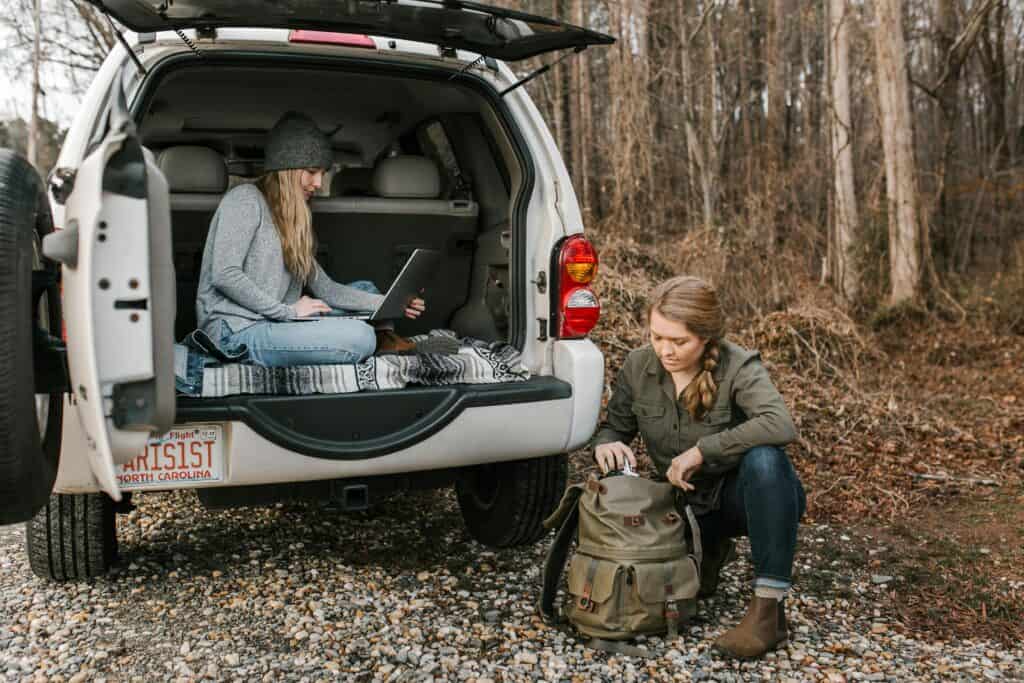
Plan Transportation Carefully.
Transportation is an issue in remote travel destinations. Public transit may not have a set schedule, and instead travellers will also see that at times they have to jump in the car to drive long distances on rural roads.
Before departure: Departure time:.
- Confirm vehicle reliability if driving
- Download offline directions
- identify fuel stops in advance
- Keep emergency contact information available
- Allow for extra time in case of delays
- In many rural areas travelers can’t fully count on navigation apps, which at times have no signal for great lengths of time.
Understand Outdoor Safety Basics
Outdoor adventure tourism, which includes hiking trails, forests, lakes, or remote countryside, is a feature of this type of travel. It is also very important that travelers prepare for safety issues that may present in these environments, which may be unfamiliar to them.
Here is some key information on precautions:.
- Inform someone about travel plans
- Avoid isolated areas after dark
- Carry emergency supplies
- Stay aware of local wildlife
- Monitor weather forecasts regularly
- Follow marked trails whenever possible
Being ready does not take away from the adventure—it just allows travellers to have a more confident experience.
Respect Local Communities and Traditions
In rural areas, what many travelers appreciate most about travel is the opportunity to experience the true local culture. In smaller communities, which are very different from large cities, travelers find unique traditions, foods, and lifestyles.
Travellers can approach these experiences with respect by:.
- Supporting local businesses
- Following photography etiquette
- Respecting cultural customs
- Avoiding disruptive behaviour
- Learning basic local phrases when possible
Meaningful travel experiences are a result of connecting with local people, which in turn may not include the popular tourist spots.
Prepare for Limited Connectivity
Many remote travel destinations have little to no internet access, which is in fact one of the appeals of them to travelers who want a break from digital. Also before departure there requires better preparation.
Helpful steps include the following: Here are some steps that are helpful:.
- Download offline maps
- Save hotel reservations offline
- Keep printed travel documents
- Carry money when credit won’t be available
- Store emergency contacts in the phone’s directory
Travellers that plan for poor connections see much less stress during the trip. Choosing the right apps before you leave is just as important as any item in your bag — our guide to the 10 apps that make travelling easier covers the best tools for offline navigation, translation, and staying organised when signal disappears.”
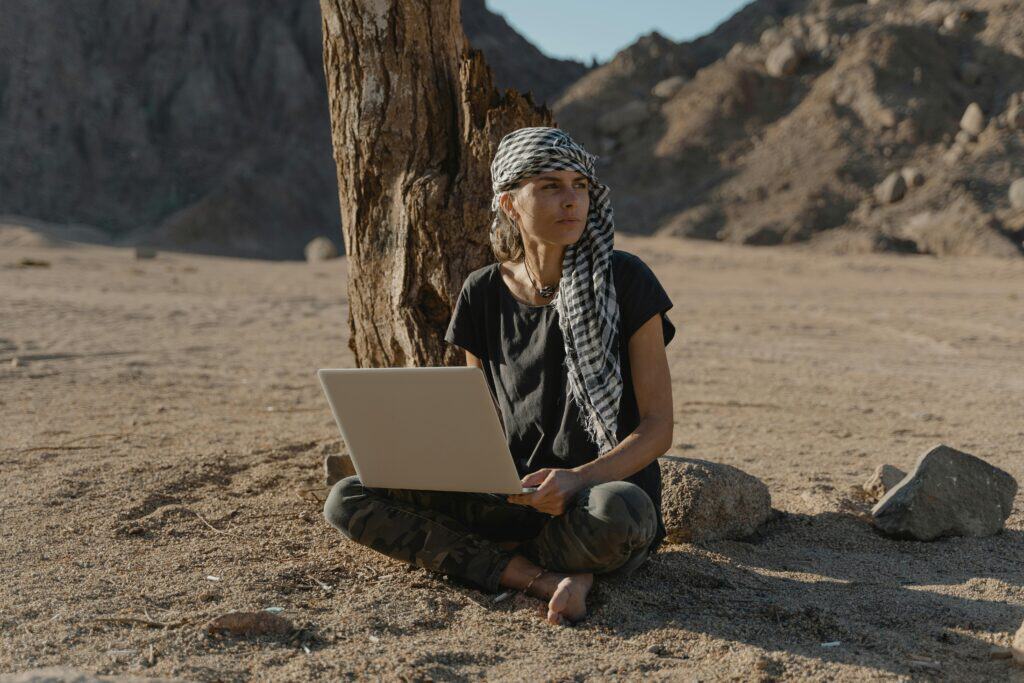
Choose Reliable Outdoor Equipment
Sure, gear that is of good quality may greatly improve the outdoor experience. As travelers move through the forest, over mountain ranges, along country roads, or to remote campsites that are far from help, they will see that proper equipment does a great deal in terms of visibility, navigation, and safety, which in turn makes the activity a more pleasurable one.
For travellers that are going into remote settings in early morning or evening and for low-light outdoor situations, reliable optics and visibility gear are also a good add-on. Choices like the Pinty red dot scope can be useful for budget-conscious travelers looking for dependable visibility support during outdoor activities.
Outdoor enthusiasts use them for their practicality, in which the equipment is suitable for recreational outdoor adventures and travel in rural settings.
Stay Flexible During the Journey
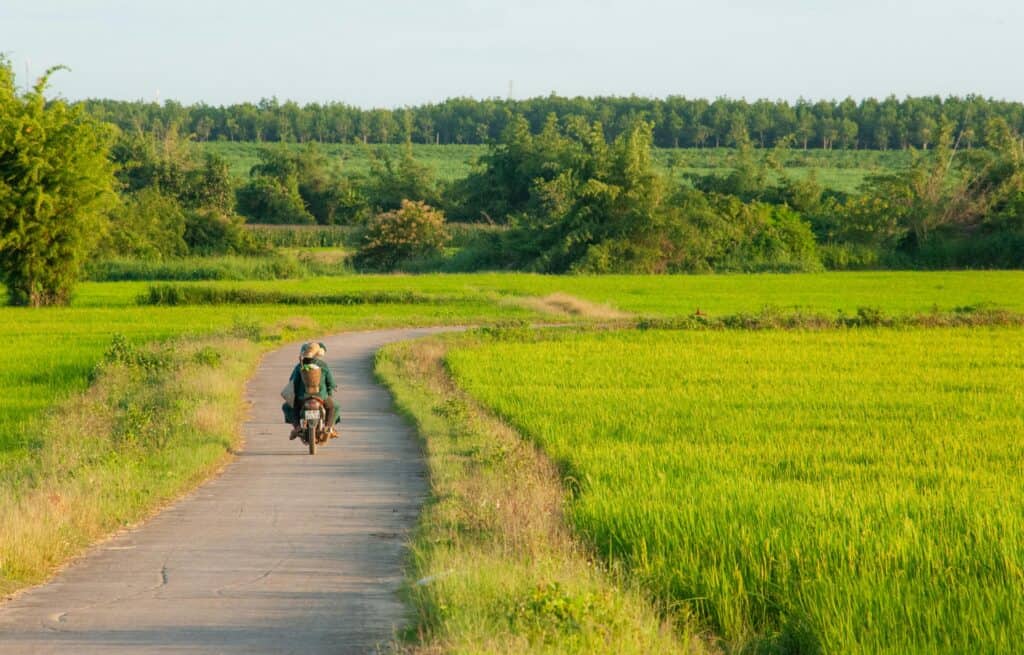
Rural travel is for the most part not as smooth as planned. Weather issues, last-minute changes to transport, and unanticipated closure of roads are very much a part of what outdoor adventure travel presents.
Maintaining flexibility, which in turn helps travellers enjoy the trip as they are better able to handle small setbacks. Also, in many cases, what travelers consider unexpected elements turn out to be the most unforgettable parts of the trip.
Slow travel allows for the discovery of out-of-the-way places, local chats, and experiences that don’t make it into a set itinerary.
Final Thoughts
Rural outdoor getaways allow travelers to see nature up close and to learn about local culture, and while these may be more of a challenge to plan, they usually turn out to be more rewarding and memorable.
By doing research, bringing the right gear, working with local communities, and getting ready for what Mother Nature will throw at them, travellers report back that they have safer, more enjoyable trips. The preparation completed before departure allows travellers to enjoy the trip for what it is instead of for what may go wrong—which, in the end, is what makes for great travel.
Thanks for taking the time to read this article. I hope this post has given you the information you need. If you have any recommendations, tips or advice, I would love for you to share them in the comment section below!
This post may contain affiliate links, meaning we may receive a commission at no extra cost if you purchase through a link. Please see our full disclosure for further information.
Check out my Instagram page or join the Truly Expat Facebook group.
Running this blog takes a lot of coffee (and countless hours exploring every destination!). If you found this helpful and want to support more honest, detailed travel guides and itineraries, you can buy me a coffee. No pressure though – I’m just happy you’re here and hope you have an incredible adventure! 🙂

Latest Articles
- Umrah 2027: Essential Travel Documents Every Pilgrim Should Prepare
- 6 Beautiful Islands to Visit in East Indonesia in 2026
- The Best Things to Do in Tulsa, Oklahoma (And Why It’ll Surprise You)
- Stop Paying Roaming Fees: Why eSIMo Is the Travel eSIM I’ve Been Waiting For
- Retirement Travel Gets Better When You Stop Trying to See Everything