Marrakech delivers everything you imagine when you picture Morocco—vibrant souks, stunning palaces, fragrant gardens, and that incredible energy you can only find in the Red City. After spending time exploring this magical destination, I’m sharing the experiences that actually matter, without the overwhelm. Whether you’re planning your first visit or returning for more, here’s what you need to know to make the most of your time in Marrakech.
Getting Your Bearings in the Red City
Marrakech divides into two distinct areas. The Medina is the ancient walled city where you’ll find most historic sites, traditional riads, and those famous souks. It’s chaotic, authentic, and where you’ll want to base yourself for a first visit. The newer Ville Nouvelle offers modern hotels, restaurants, and shopping, but you’ll miss the authentic atmosphere. I always recommend staying in the Medina—yes, it’s intense, but that’s exactly what makes Marrakech so captivating.
The city works brilliantly as a 3-4 day destination, though you could easily spend longer if you’re adding desert trips or Atlas Mountains excursions. Most major sights cluster within the Medina, which is largely walkable, though you’ll want taxis for airport transfers and evening outings to restaurants outside the old town.
Jemaa el-Fnaa: The Heart of Marrakech
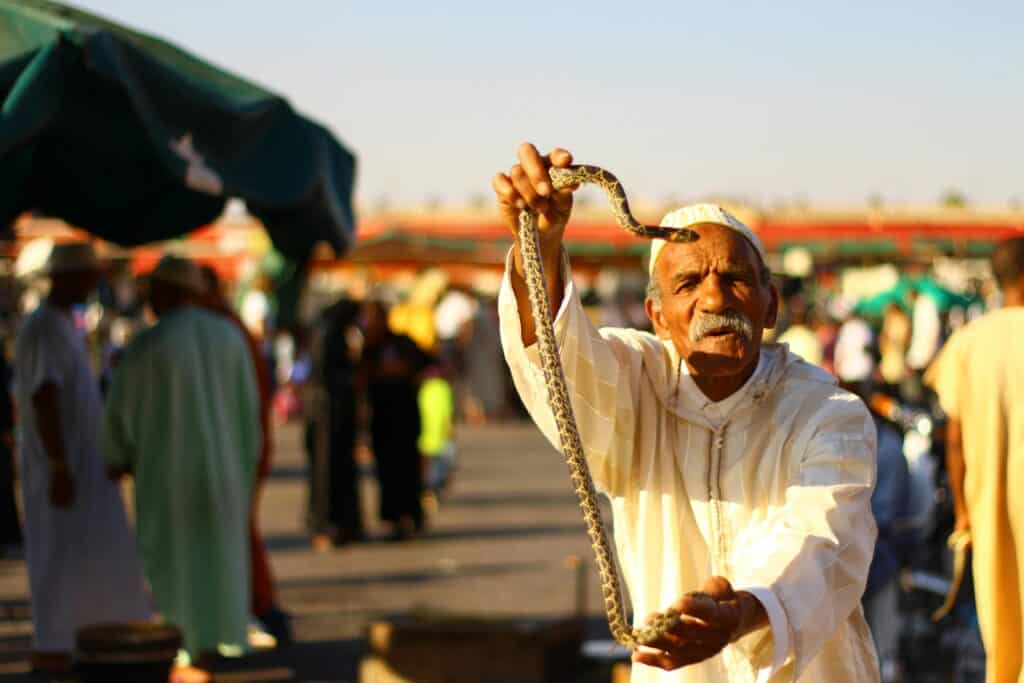
This central square transforms throughout the day. Mornings bring orange juice vendors and quieter stalls, while evenings explode into a sensory overload of food stalls, snake charmers, musicians, and storytellers. It’s touristy, yes, but it’s also genuinely fascinating and unlike anywhere else.
A few practical tips from experience: avoid the main square juice vendors who water down their drinks—head to smaller side streets for authentic fresh pomegranate or orange juice. Watch out for unsolicited henna applications or people trying to drape monkeys on your shoulders for photos. These aren’t free, and the animal treatment concerns me. Simply say “no thank you” firmly and keep moving.
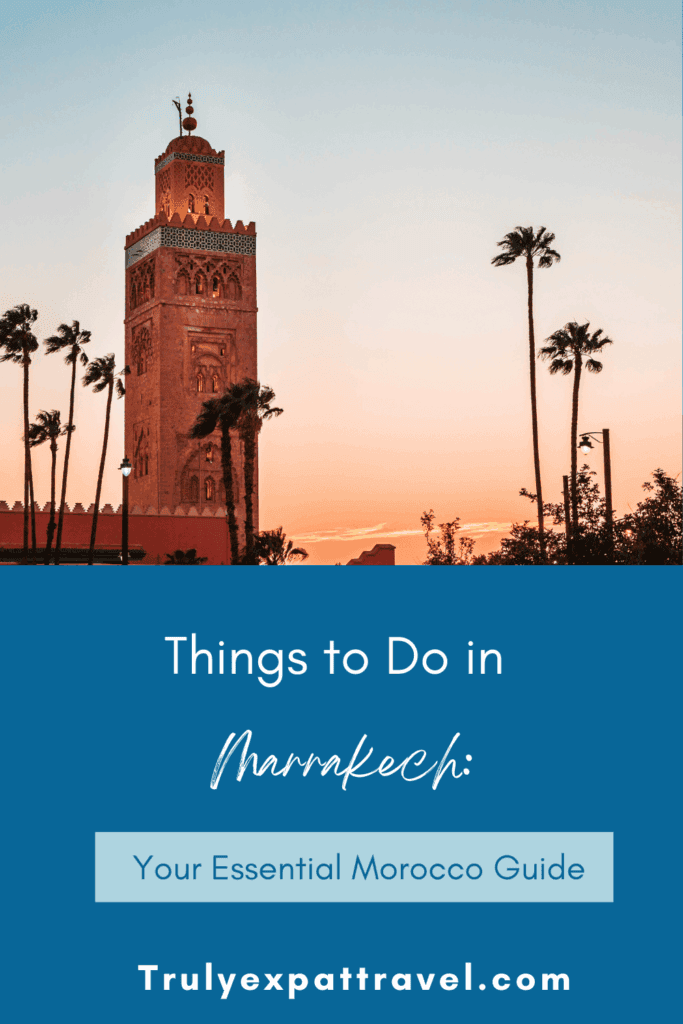
The best way to experience Jemaa el-Fnaa? Grab a table at one of the surrounding rooftop cafés around sunset. You’ll get spectacular views of the square’s energy without the chaos, plus sunset over the Koutoubia Mosque is genuinely beautiful. Otherwise take a guided walking tour of the area to understand the history of Marrakech as well as get an understanding of the area.
Exploring the Souks Without Losing Your Mind
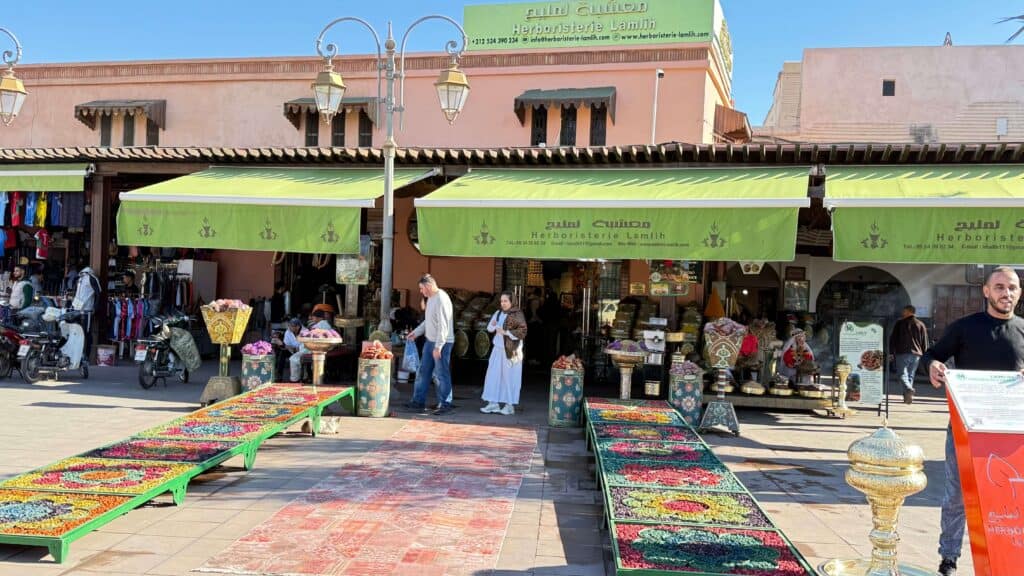
The souks form a massive maze of market streets selling everything imaginable—spices, textiles, leather goods, traditional lamps, argan oil, and plenty you don’t need but suddenly want. It’s the kind of shopping experience where you can easily lose hours wandering from one section to another.
Here’s what I’ve learned: expect initial prices to be inflated, sometimes double or triple what locals pay. Haggling isn’t just acceptable, it’s expected. I usually aim for around half to two-thirds of the opening price, and walking away often brings the seller after you with a better offer. Don’t feel pressured—if you’re not comfortable negotiating, thank them and move on.
The best buys? Beautiful ceramic dishware, soft leather bags and shoes, argan oil products, traditional Moroccan lamps, and textiles. Just remember you’ll need to fit everything in your luggage or ship it home.
Bahia Palace: Morocco’s Architectural Masterpiece
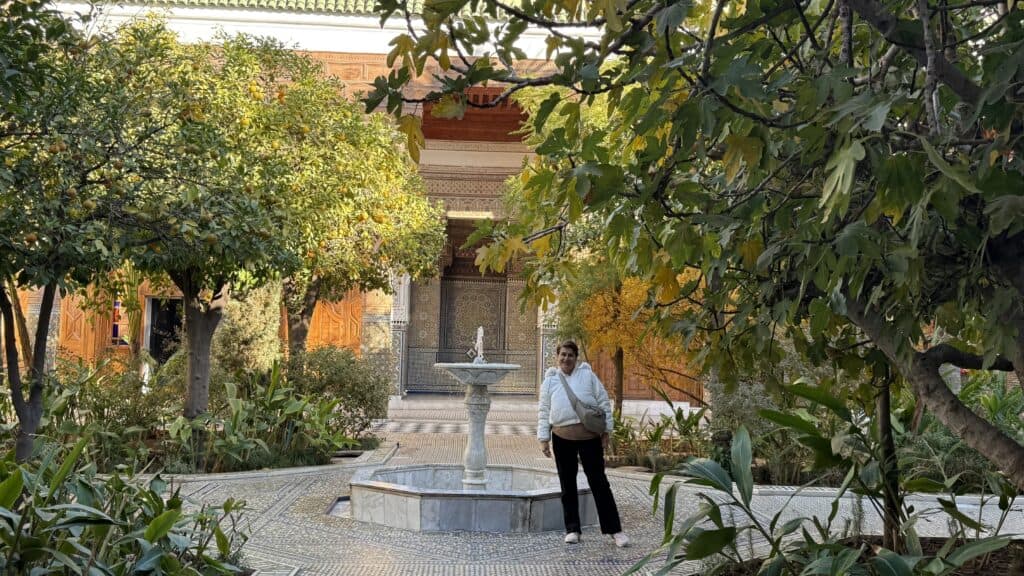
This 19th-century palace showcases the best of Moroccan craftsmanship—intricate tile work, carved cedar ceilings, and peaceful courtyards with orange trees. It was built for a grand vizier’s harem and concubines, and the attention to detail is extraordinary.
Allow at least an hour to wander through the rooms and courtyards. The palace gets packed mid-morning with tour groups, so arrive right when it opens or late afternoon for a more peaceful visit. The tile work and painted ceilings are Instagram-worthy, but more importantly, they offer a glimpse into how wealthy Moroccans lived during this period.
Jardin Majorelle: Yves Saint Laurent’s Blue Paradise
This electric-blue garden oasis offers a complete contrast to the Medina’s intensity. French artist Jacques Majorelle created it in the 1920s, and fashion designer Yves Saint Laurent later purchased and restored it. The cobalt blue buildings against cacti and tropical plants create an almost surreal atmosphere.
You’ll need to book timed entry tickets in advance through their website—they don’t sell tickets at the entrance. Standard garden admission runs around 170 dirhams. The site also includes the Pierre Bergé Museum of Berber Arts and the YSL Museum if you want to explore further.
It’s located outside the main Medina, about a 10-15 minute taxi ride. Visit early morning or late afternoon to avoid the worst crowds and harsh midday sun. The garden is stunning but small, so you won’t need more than an hour unless you’re visiting the museums too.
Ben Youssef Madrasa: Islamic Architecture at Its Finest
This 14th-century Quranic school is one of Marrakech’s most impressive historical sites. Students once studied Islamic law and theology here, and walking through the intricate courtyard and tiny student cells gives you a real sense of that history.
The carved stucco work, geometric tile patterns, and cedar wood details are absolutely breathtaking. This is one place where you’ll want to take your time looking up at the ceilings and studying the craftsmanship. The madrasa isn’t huge, but the artistry deserves at least 30-45 minutes.
Bacha Coffee: A Luxurious Break from the Chaos
When the Medina’s intensity becomes too much, Bacha Coffee offers the perfect escape. This stunning coffee house feels like stepping into another era entirely—think Belle Époque glamour with Moroccan touches, all housed in a beautiful historic building.
The space itself is gorgeous, with high ceilings, elegant furnishings, and an atmosphere that encourages you to slow down. They offer hundreds of coffee varieties from around the world, plus pastries and light meals. Yes, it’s pricey by Moroccan standards, but the experience justifies the cost. I found it the perfect spot for a mid-afternoon break, especially when I needed air conditioning and a moment of calm.
Book ahead if you can, especially for their terrace seating. It’s become incredibly popular, and walk-ins often face a wait during peak times.

Day Trip Worth Your Time
Atlas Mountains and Berber Villages
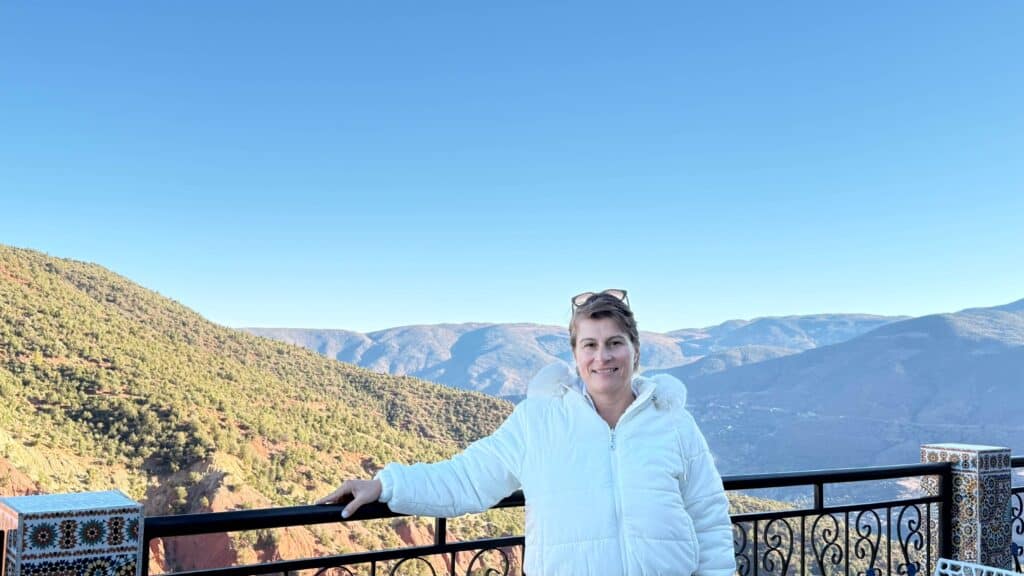
The High Atlas Mountains provide a complete change of scenery from the city. Day trips typically visit traditional Berber villages, stopping at viewpoints and maybe including a short hike to waterfalls. Some tours include lunch in a Berber home.
The drive itself is spectacular, winding through mountain passes with incredible views. If you’re interested in hiking, longer treks can be arranged, or you could spend a night in the mountains at a traditional guesthouse.
Traditional Hammam Experience
A hammam is Morocco’s version of a bathhouse, and it’s where locals go for their weekly scrub and social time. You’ll find hammams in every neighbourhood, from basic local spots to luxury hotel versions.
For first-timers, I’d suggest a mid-range hammam that caters to tourists—you’ll get clear instructions and won’t feel lost. The experience typically includes time in steam rooms followed by a vigorous scrub (gommage) that removes an alarming amount of dead skin. It’s incredibly refreshing and an authentic Moroccan tradition worth experiencing.
Where to Stay
Traditional riads offer the most authentic experience—these are converted houses built around a central courtyard, often with rooftop terraces. Staying in a well-run riad means you’ll have hosts who can arrange taxis, make restaurant reservations, and provide invaluable local advice. The architecture is beautiful, and many include breakfast.
Luxury hotels like La Mamounia or Mandarin Oriental offer incredible service and amenities if you prefer that level of comfort. They’re typically outside the Medina but provide free shuttles.
Practical Information
Money: Use ATMs (Al Barid bank reportedly doesn’t charge foreign fees) rather than airport exchange counters. Carry cash as many souks and smaller restaurants don’t accept cards.
What to Wear: Morocco is relatively relaxed, but covering shoulders and knees shows respect, especially at religious sites. Bring comfortable walking shoes—you’ll cover serious ground on those cobblestone streets.
Best Time to Visit: Spring (March-May) and autumn (September-November) offer the most pleasant temperatures. Summer gets extremely hot, while winter evenings can be surprisingly chilly.
Safety: Marrakech is generally safe for tourists, though petty theft happens in crowded areas. Keep valuables secure, be aware of your surroundings, and trust your instincts if something feels off.
Making the Most of Your Visit
Marrakech rewards those who embrace its intensity rather than fighting it. The Medina will overwhelm you at times—that’s normal. Take breaks in quiet gardens or rooftop cafés when you need to reset. Don’t try to see everything in one day. And remember that getting slightly lost in the souks is part of the experience—you’ll always find your way back to a landmark eventually.
The city has incredible energy, beautiful architecture, fantastic food, and experiences you won’t find anywhere else. Yes, it can be challenging—the crowds, the haggling, the sensory overload—but that’s also what makes it so memorable.
Frequently Asked Questions
How many days do you need in Marrakech? Three to four days gives you enough time to explore the main sights, do a day trip, and soak up the atmosphere without feeling rushed. Two days works if you’re short on time, while five days allows for multiple day trips and a more relaxed pace.
Is Marrakech safe for solo female travellers? Yes, Marrakech is generally safe for solo women. Dress modestly, stay confident, and don’t hesitate to firmly decline unwanted interactions. Many women travel Marrakech solo without issues.
Do you need a guide in Marrakech? Not necessarily. Major sites are easy to visit independently, though a guide can provide valuable context and history. For the souks, you’ll be approached by unofficial “guides” offering help—these usually expect payment, so only accept if you’re comfortable negotiating a price first.
What’s the best area to stay in Marrakech? The Medina offers the most authentic experience and puts you walking distance from major sights. Riad Zitoun or areas near Jemaa el-Fnaa work well for first-time visitors. If you prefer modern amenities and a quieter atmosphere, consider Hivernage or Gueliz.
Can you drink alcohol in Marrakech? Yes, though Morocco is a Muslim country. Riads, international hotels, and some restaurants serve alcohol, but you won’t find it widely available like in Western countries. Respect local customs by drinking discreetly and never in public spaces.
Ready to Book Your Marrakech Adventure?
Marrakech offers experiences you simply can’t replicate anywhere else—from bargaining in thousand-year-old souks to sipping mint tea while watching sunset over the city. Start planning your trip, book your accommodation early (especially if travelling during peak season), and prepare for a destination that will challenge and delight you in equal measure.
Follow along on Instagram where I share real-time travel updates, behind-the-scenes moments from tours, and daily life in Singapore.
Join the Truly Expat Facebook community—a supportive space for travellers to ask questions, share tips, and connect before trips.
Affiliate Disclosure: This post contains affiliate links. If you book through them, I may earn a small commission at no extra cost to you—this helps me keep creating free, detailed travel guides. I only recommend services and products I genuinely use and trust after years of travel across Asia.
Running this blog takes a lot of coffee (and countless hours exploring every destination!). If you found this helpful and want to support more honest, detailed travel guides and itineraries, you can buy me a coffee. No pressure though – I’m just happy you’re here and hope you have an incredible adventure! 🙂

Pin It For Later
Latest Posts
- The Best Things to Do in Tulsa, Oklahoma (And Why It’ll Surprise You)
- Stop Paying Roaming Fees: Why eSIMo Is the Travel eSIM I’ve Been Waiting For
- Retirement Travel Gets Better When You Stop Trying to See Everything
- Why Control Over Your Time May Be Travel’s Most Meaningful Luxury
- Buyan Lakeside Villas: The Cooler, Quieter Side of Bali Nobody Told You About