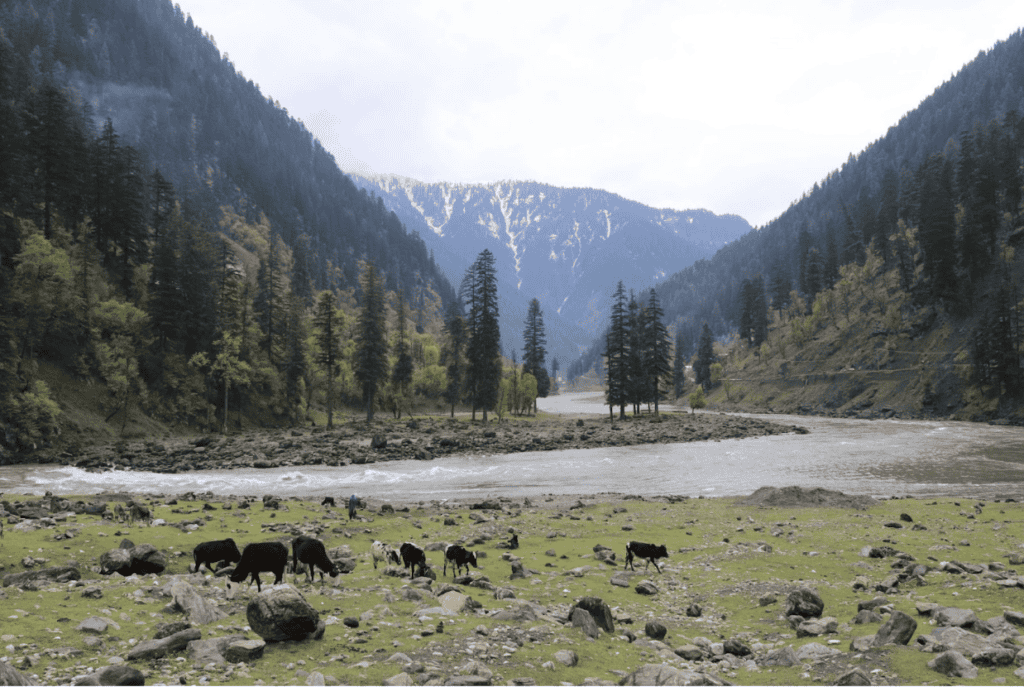


Kashmir is genuinely one of India’s most stunning destinations—sparkling lakes, saffron fields, meadows, orchards, snow-capped mountains. But getting there and getting around requires planning.
Kashmir’s mountain geography means transport options matter—flights offer speed, trains provide comfort (once you reach Jammu), buses connect locals and tourists, rental cars offer flexibility. This guide covers genuinely practical transport options for getting to and exploring Kashmir.
The key is understanding that Kashmir isn’t isolated—it’s well-connected by multiple transport options, each offering different benefits. Choose based on your budget, timeline, comfort preferences, and adventure appetite.
Klook.comTable of Contents
Essential Information Before You Go
Best Time to Visit: Summer (May-September): Clear weather, accessible roads, warm temperatures. Perfect for exploring.
Winter (December-February): Snow transforms landscape, skiing available in Gulmarg. Roads can be challenging.
Monsoon (July-August): Beautiful green landscapes but rain and occasional landslides.
Currency & Language: Indian Rupee (INR) is official currency. Hindi and English widely spoken. Kashmiri spoken locally. Most tourist areas understand English.
Transportation to Kashmir
1. By Air—Fastest & Most Convenient
Why choose: Flying is genuinely the fastest way to reach Kashmir. Direct flights from major Indian cities to Srinagar’s Sheikh ul-Alam International Airport take 2-4 hours.
What to know:
- Flight options: Daily flights from Delhi, Mumbai, Kolkata, Bangalore via major airlines (IndiGo, Air India, SpiceJet, Go Air).
- Flight duration: Delhi to Srinagar approximately 2 hours, Mumbai approximately 3 hours, Kolkata approximately 2.5 hours.
- Airport location: Sheikh ul-Alam International Airport is approximately 15km south of Srinagar city.
- Airport transport: Taxis available outside terminal (negotiate fare or book through your hotel in advance).
Pro Tip: Book flights in advance for better rates. Summer season is peak—book early. Monsoon season (July-August) sometimes sees flight cancellations due to weather. Morning flights are often cheaper than evening flights.
Cost: INR 3,000-8,000 (USD 36-95) depending on season and advance booking.
2. By Train—Comfortable & Scenic
Why choose: Trains offer comfortable journey with scenic views. However, there’s no direct train to Srinagar—you travel to Jammu Tawi, then continue by road.
What to know:
- Jammu Tawi Station: The closest major train station, approximately 300km south of Srinagar. Connected to Delhi, Kolkata, Mumbai, and other Indian cities.
- Train options: Multiple trains connect major Indian cities to Jammu (Rajdhani Express from Delhi, regular trains from other cities).
- Journey to Srinagar: From Jammu, travel to Srinagar by bus (approximately 6-7 hours), shared jeep (approximately 5-6 hours), or private taxi (approximately 5 hours).
- Direct train progress: A direct train to Srinagar is in development. The Banihal-Qazigund railway tunnel is completed, connecting to Kashmir Valley eventually.
- Scenic route: The journey from Jammu through Pir Panjal mountains via Banihal Tunnel is genuinely scenic. The mountain landscape during daylight is spectacular.
Pro Tip: Combine train journey (Delhi to Jammu) with road journey (Jammu to Srinagar). Overnight train allows arrival in Jammu next morning, then travel to Srinagar. The Jammu-Srinagar road is well-maintained but winding—bring motion sickness medication if prone.
Cost: Jammu Tawi train tickets INR 500-3,000 (USD 6-36) depending on class and advance booking. Jammu to Srinagar transport INR 500-1,500 (USD 6-18).
3. By Road—Flexible & Scenic
Why choose: Road journey is genuinely scenic and offers flexibility. Multiple options exist depending on budget and comfort preferences.
What to know:
Major routes: Jammu to Srinagar via NH 1-A (main highway, approximately 290km). Jawahar Tunnel shortens journey through Pir Panjal mountains.
Road condition: National highways are well-maintained. Mountain roads have curves and bends. Winding sections require careful driving.
Transportation options:
- JKSRTC buses: State-operated, affordable, regular departures
- Private buses: More comfortable, premium options available
- Shared jeeps/taxis: Flexible, affordable for small groups, common local transport
- Private rental cars: Most flexible, most expensive option
Jammu to Srinagar journey:
- Shared jeep: INR 400-600 (USD 5-7) per person, approximately 5-6 hours
- Private taxi: INR 4,000-6,000 (USD 48-72) for full car, approximately 5 hours
- JKSRTC bus: INR 300-500 (USD 3.60-6), approximately 6-7 hours
- Private deluxe bus: INR 600-1,000 (USD 7-12), approximately 5-6 hours
Mountain driving: The winding roads are genuinely scenic but genuinely challenging. If renting, ensure you’re comfortable with mountain driving. Road conditions can change seasonally.
Pro Tip: Shared jeeps offer best value and social experience—you meet locals and other travellers. Private cars offer most comfort and flexibility. Overnight buses save hotel night but involve sleep deprivation. Daytime travel allows enjoying the scenery.
Cost: INR 300-6,000 (USD 3.60-72) depending on transport type chosen.

Transportation Within Kashmir
1. Taxis & Cabs—Comfortable Private Transport
Why choose: Taxis offer comfortable, private transportation. You control pace and stops. Negotiating fares is important.
What to know:
Fare negotiation: Always negotiate fares in advance. Agree on price before starting journey. Meters are not commonly used. Haggling is normal practice.
Booking options:
- Negotiate directly with driver
- Book through your hotel (usually most reliable, slightly more expensive)
- Travel agency bookings (reliable, adds service fee)
Flexibility: Hire taxi for few hours, full day, or multi-day trips. Daily rates (approximately INR 2,000-4,000 / USD 24-48) are more economical than hourly rates.
Areas accessible: Taxis reach everywhere—Srinagar city, Dal Lake, Gulmarg, Pahalgam, Sonamarg, nearby villages.
Pro Tip: Negotiate day rates rather than hourly rates for better value. Hotel concierge usually arranges fair rates. Pre-arrange taxis for early morning departures. Confirm payment method before departure (cash vs. digital payment).
Cost: INR 1,500-2,500 (USD 18-30) for 4-6 hour journey, INR 2,500-4,000 (USD 30-48) for full day.

2. Local Buses—Budget-Friendly & Social
Why choose: Local buses are genuinely affordable and genuinely authentic. You meet locals and experience genuine Kashmir life.
What to know:
- JKSRTC buses: State-operated Jammu and Kashmir State Road Transport Corporation runs most routes. Affordable, regular schedules.
- Coverage: Buses connect Srinagar to Gulmarg, Pahalgam, Sonamarg, Leh, Jammu, and surrounding towns.
- Comfort level: Basic but functional. Air-conditioned buses available on some routes. Expect crowding during peak hours.
- Winding roads: Mountain routes have curves and bends. Motion sickness is common—bring medication if prone.
- Social experience: Buses offer chance to interact with locals, observe genuine Kashmir culture, experience authentic travel.
Pro Tip: Buses depart early morning (5:00-7:00 am) for long journeys. Overnight buses available on some routes. Book in advance during peak season. Carry snacks and water. The winding roads offer scenic views but require patience.
Cost: INR 200-1,000 (USD 2.40-12) depending on destination and distance.
3. Rental Cars—Maximum Flexibility
Why choose: Renting offers maximum flexibility—you control pace, schedule, and route. Genuinely best for exploring at your own rhythm.
What to know:
- Where to rent: Rental agencies throughout Srinagar and at airport. Advance booking online often cheaper.
- Vehicle options: Economy cars, SUVs, premium vehicles available.
Requirements:
- Valid international driving permit or driving license from home country
- Passport
- Credit card for deposit
Insurance: Comprehensive insurance recommended. Check what’s included in rental.
Road familiarity: Mountain driving requires comfort with winding roads. Roads are well-maintained but require careful driving.
Petrol/fuel: Plan refuelling on longer journeys. Stations are available on main routes but less frequent in remote areas.
Parking: Available in main towns. Some attractions have free parking.
Pro Tip: Book in advance for better rates. Automatic transmission cars cost more—manual is standard. Hire driver if uncomfortable with mountain roads (approximately INR 1,500-2,000 / USD 18-24 daily). Navigate using offline maps (Google Maps downloads work).
Cost: INR 2,500-8,000 (USD 30-95) per day depending on vehicle type and rental company.
4. Shared Jeeps—Affordable & Flexible
Why choose: Shared jeeps are genuinely popular with locals and tourists. Affordable, flexible, social experience. Leave when full (typically 4-6 people).
What to know:
- How it works: Vehicles depart when full of passengers. No fixed schedule. You wait at designated jeep stands.
- Routes: Connect Srinagar to Gulmarg, Pahalgam, Sonamarg, and surrounding areas.
- Comfort level: Basic but functional. Crowded when full. Mountain roads can be bumpy.
- Fare negotiation: Fares are somewhat flexible depending on negotiation skills and crowding.
- Reliability: Genuinely reliable for reaching destinations. Departure times are unpredictable (depends on filling).
Pro Tip: Shared jeeps depart early morning for most routes. Go to jeep stand early for better chances of quick departure. The social experience is genuinely authentic. Meeting locals and other travellers is part of the adventure.
Cost: INR 300-800 (USD 3.60-9.50) per person depending on distance.
5. Bike Rentals—Adventure Option
Why choose: Renting a bike offers genuine adventure and maximum flexibility. Explore at your own pace.
What to know:
- Where to rent: Rental shops throughout Srinagar. Day or multi-day rentals available.
- Types available: Motorcycles (geared and automatic), scooters.
- Requirements: Driving license, helmet (provided), sometimes passport.
- Road conditions: Mountain roads are scenic but require careful riding. Weather can change quickly.
- Safety considerations: Wear helmet always. Ride defensively. Mountain roads demand focus.
- Insurance: Check if rental includes insurance. Additional insurance available.
- Fuel: Petrol stations available on main routes. Carry extra fuel for remote areas.
Pro Tip: Start with easier routes before attempting challenging mountain passes. Ride during daylight hours. Carry weather-appropriate clothing (mountains are cold even in summer). Offroad bikes are available for adventure seekers—these require experience.
Cost: INR 1,000-2,500 (USD 12-30) per day depending on bike type.
Klook.com6. Shikara Boats—Lake Transportation
Why choose: Shikaras are traditional wooden boats on Dal and Nigeen lakes. Genuinely unique Kashmir experience.
What to know:
- Dal Lake: Srinagar’s largest lake. Shikaras navigate amongst floating gardens and houseboats.
- Nigeen Lake: Quieter, more peaceful than Dal Lake. Fewer tourists.
- Experience: Boat ride reveals lake life, houseboats, local culture, surrounding Himalayan views.
- Duration options: Short rides (1-2 hours) to full-day explorations.
- Booking: Book through hotel, tour operators, or directly with boat owners at launch points.
- Houseboat stays: Many visitors combine Shikara rides with houseboat accommodation (genuinely popular).
Pro Tip: Early morning rides (6:00-8:00 am) offer peaceful atmosphere and best light. Negotiate prices directly or book through established operators. Spring (April-May) offers best weather. Winter sees fewer boats operating.
Cost: INR 300-1,500 (USD 3.60-18) per person depending on duration and boat type.

Five Questions About Kashmir Transportation
Ready to Explore Kashmir?
Kashmir’s transportation options offer something for everyone—fly for speed, train for comfort, drive for flexibility, use local transport for authenticity. Choose based on your budget, time, and adventure appetite. The journey to and within Kashmir is part of the experience.
📲 Follow Along
Follow along on Instagram where I share real-time travel updates, behind-the-scenes moments from tours, and daily life in Singapore. Join the Truly Expat Facebook community — a supportive space for women travellers to ask questions, share tips, and connect before trips.
- Instagram: @trulyexpattravel
- Facebook: Truly Expat
Affiliate Disclosure: This post contains affiliate links. If you book through them, I may earn a small commission at no extra cost to you—this helps me keep creating free, detailed travel guides. I only recommend services and products I genuinely use and trust after years of travel across Asia.
See my full affiliate disclosure for details.
Pin it for later