

Two days at Temple Tree Resort taught me that slowing down reveals more than rushing through a packed itinerary ever could. I arrived expecting a pleasant heritage hotel experience and left understanding why some travellers return here season after season, building entire Langkawi visits around this place. If you’re wondering how to spend a weekend at Temple Tree—or whether 48 hours is enough to appreciate what makes it special—here’s exactly what I did, what surprised me, and what I’d actually recommend prioritising.
This isn’t a minute-by-minute schedule to follow rigidly. It’s the rhythm I found that balanced cultural activities with those precious slow moments—like soaking in a wooden tub whilst afternoon rain drums overhead, or watching monitor lizards glide through mangrove channels as the sun sets.
Running this blog takes a lot of coffee (and countless hours exploring every destination!). If you found this helpful and want to support more honest, detailed travel guides and itineraries, you can buy me a coffee. No pressure though – I’m just happy you’re here and hope you have an incredible adventure! 🙂

Day 1: Arrival and First Impressions
Late Morning Arrival (Just Before Lunch)
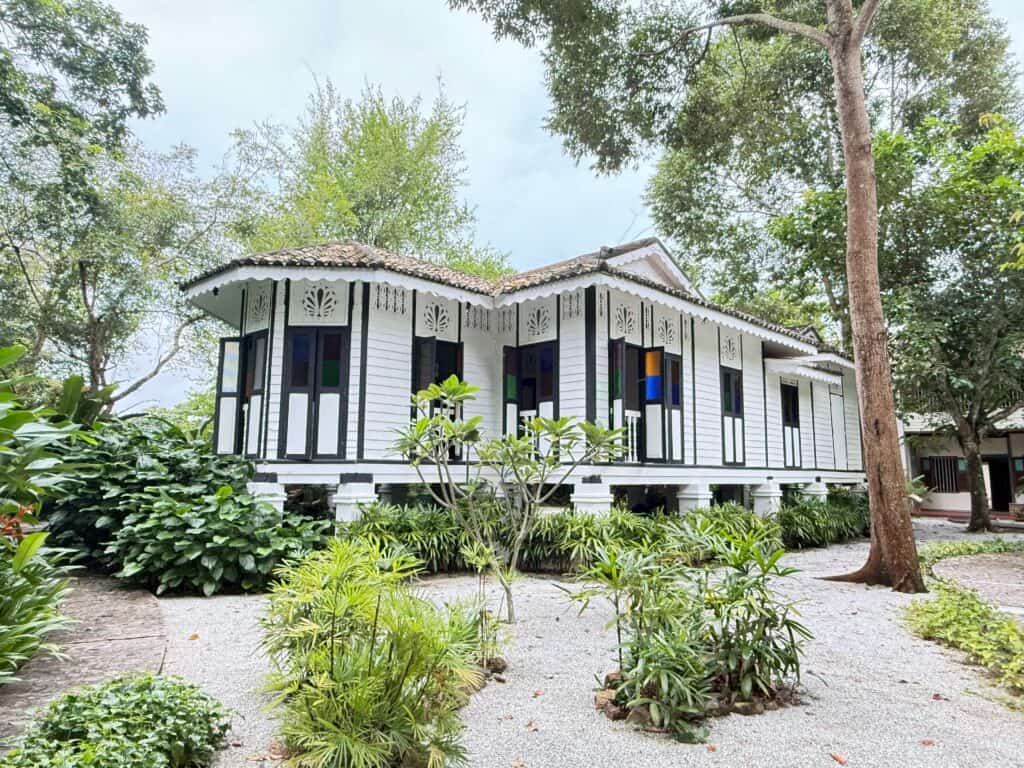
We arrived at Temple Tree mid-morning after a short drive from Langkawi Airport. The resort sits within a century-old coconut plantation, and the immediate atmosphere shift from busy Pantai Cenang felt significant—suddenly you’re surrounded by tropical greenery and these extraordinary wooden heritage houses that look like they’ve grown organically from the landscape.
Lunch at the Resort: That Laksa Moment
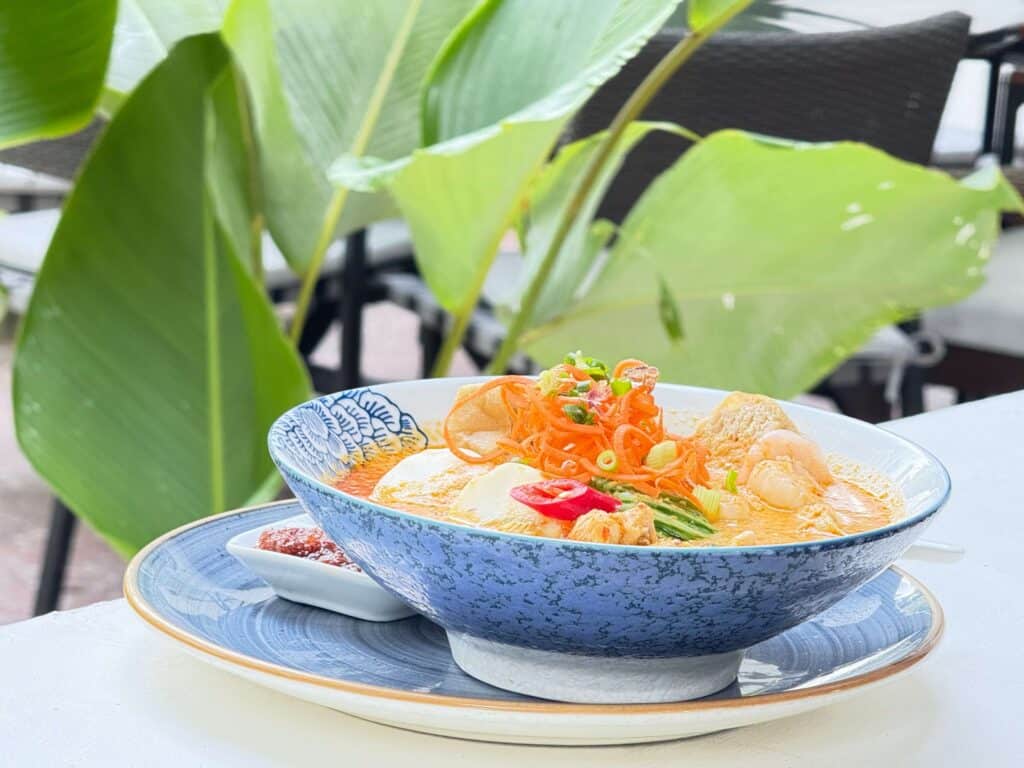
I’m quite particular about laksa after years living across Asia, so I wasn’t expecting the resort version to impress me. I was completely wrong. The laksa served at lunch was genuinely amazing—rich coconut broth, proper spice balance, fresh ingredients. It set the tone for understanding that Temple Tree takes Malaysian cuisine seriously rather than offering watered-down hotel food.
Exploring the Penang House
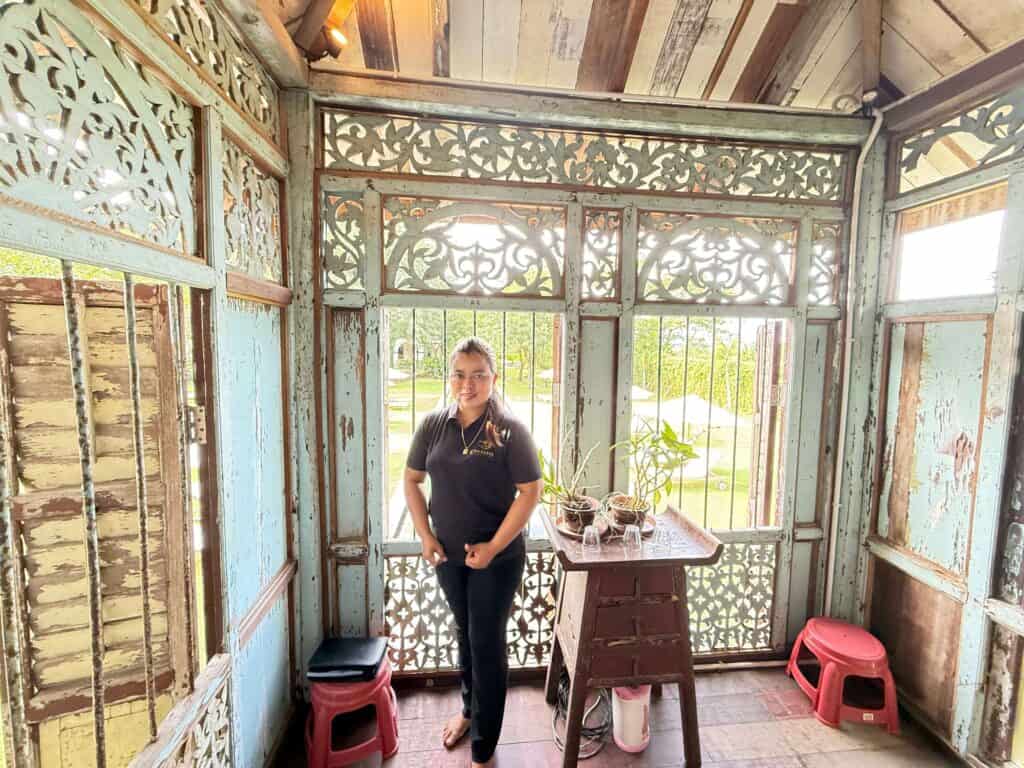
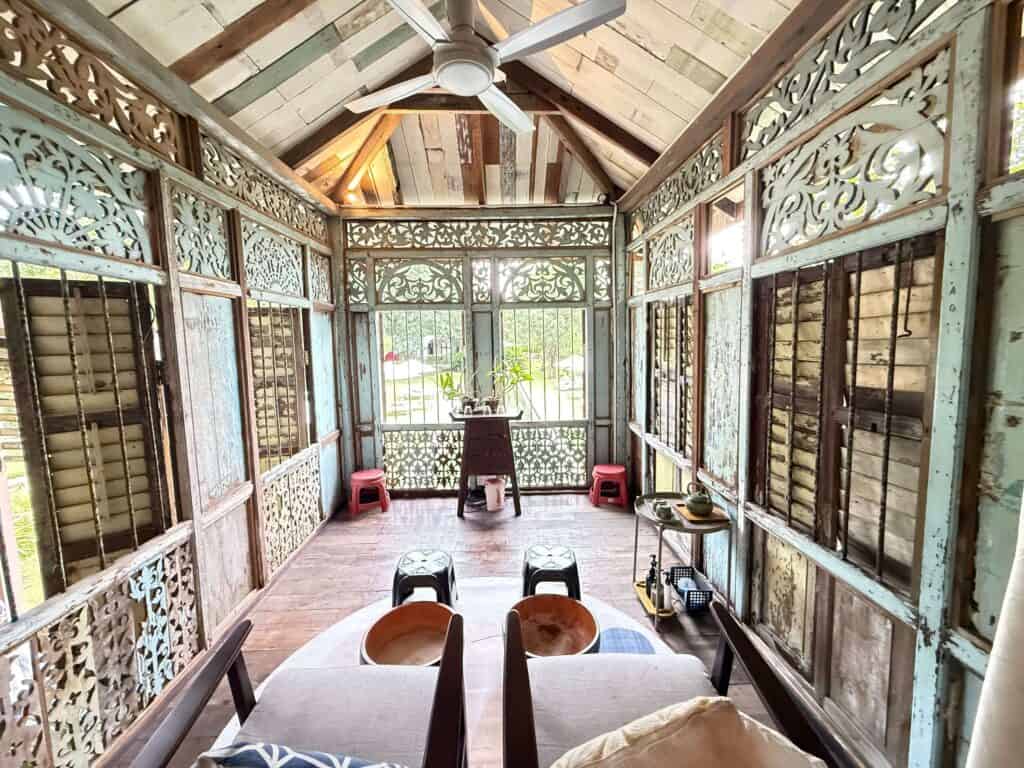
After lunch, we headed to our accommodation, and walking into the Penang House genuinely took my breath away. Photos don’t capture the feeling of stepping inside a structure over a century old where every detail—the wide rustic floorboards, the vibrant Peranakan tiles, the way light filters through traditional shuttered windows—tells stories of families who lived here generations ago.
I spent the early afternoon just absorbing the space. There’s a British colonial influence woven through the Malay architecture that creates this unique aesthetic I’m particularly drawn to. Not too grand, not minimal—just right. We rested, unpacked properly rather than living out of suitcases, and let the slower pace of heritage resort life settle over us.
Sundowner Mangrove Boat Tour (Late Afternoon)
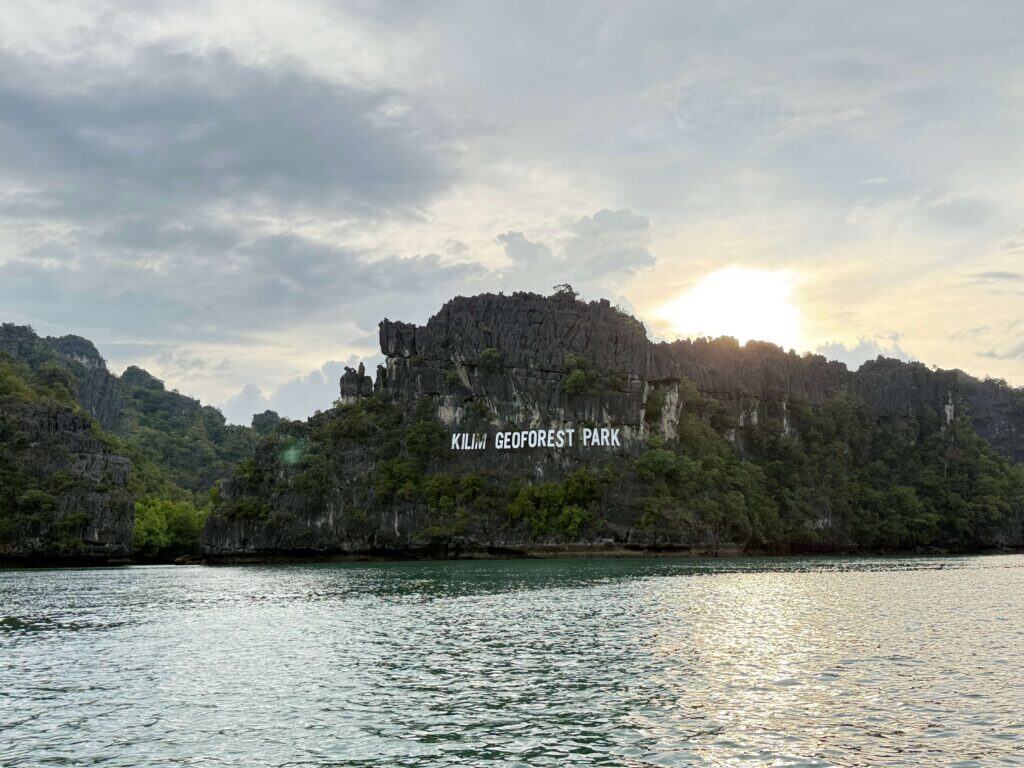
Around 4pm, we headed out for a mangrove boat excursion timed to catch the sunset. This was peaceful in the best possible way—gliding through narrow channels whilst your guide points out wildlife you’d never spot alone.
We saw monkeys moving through the canopy, several monitor lizards (astonishingly large creatures) slipping into the water, and multiple eagle species including the famous Brahminy kites Langkawi is known for. Other bird species I couldn’t identify created a constant soundtrack. The sunset painted everything in warm tones, and the silence between our guide’s explanations felt restorative after busy travel days.
Dinner at The Fat Frog
Rather than dining at the resort, we ventured to The Fat Frog for dinner—a local favourite that serves creative vegetarian and vegan cuisine. We sampled broadly across the menu: mushroom rendang that rivalled any meat version I’ve tasted, perfectly cooked sautéed vegetables, and several other dishes that proved plant-based Malaysian food can be just as complex and satisfying as traditional preparations.
The atmosphere felt relaxed and welcoming—exactly right for our first evening when we wanted good food without formality. We returned to Temple Tree around 9pm, enjoyed the evening plantation sounds from our veranda, and slept remarkably well in that century-old house.
Day 2: Immersion and Discovery
Morning Bike Ride Through Kampong
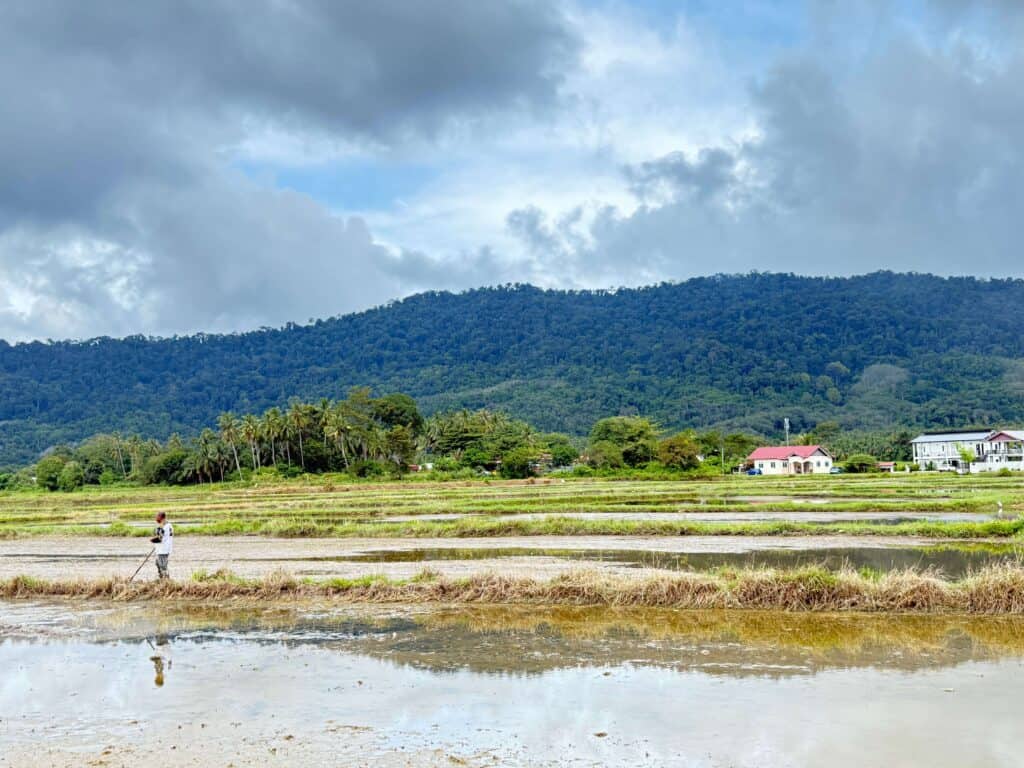
Day two began with the two-hour bike ride the resort arranged through local kampong villages. We set off around 9am, and yes—it was hot. This is tropical Malaysia. But pedalling slowly through rice fields and plantations whilst local residents went about their morning routines felt genuinely rewarding.
You’re moving at the perfect pace to actually observe village life rather than viewing it through tour bus windows. People waved. We navigated around chickens. The lush greenery surrounding these quieter areas of Langkawi revealed itself slowly, and I appreciated the immersive quality of the experience despite working up quite a sweat.
High Tea in the Colonial House
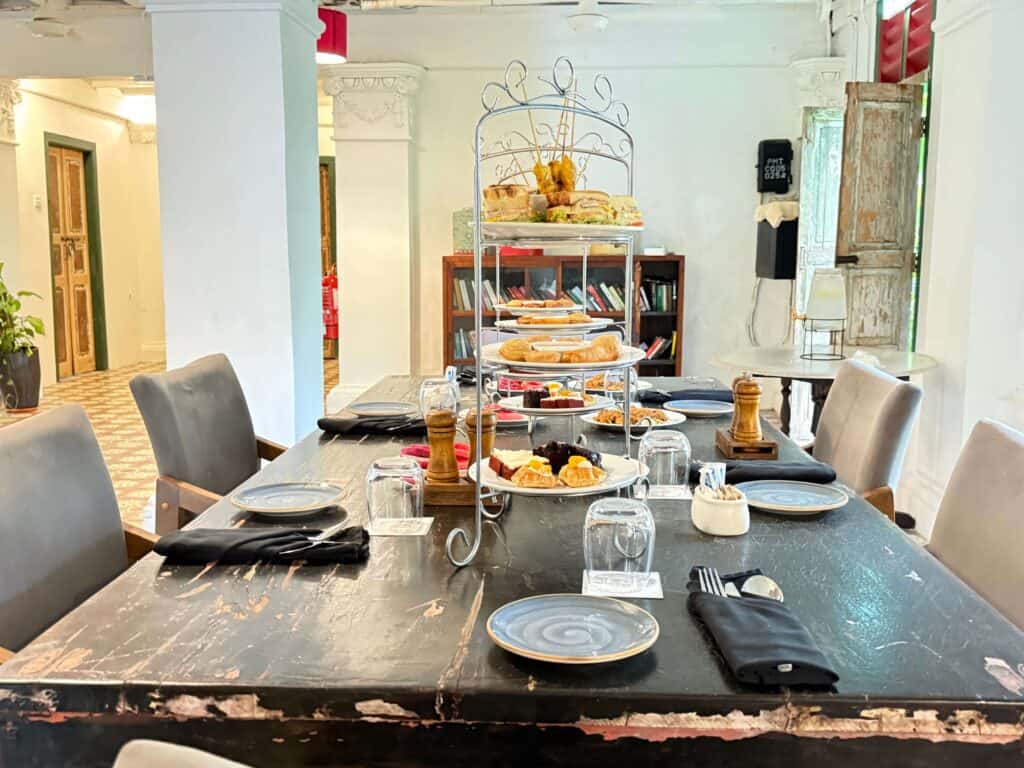
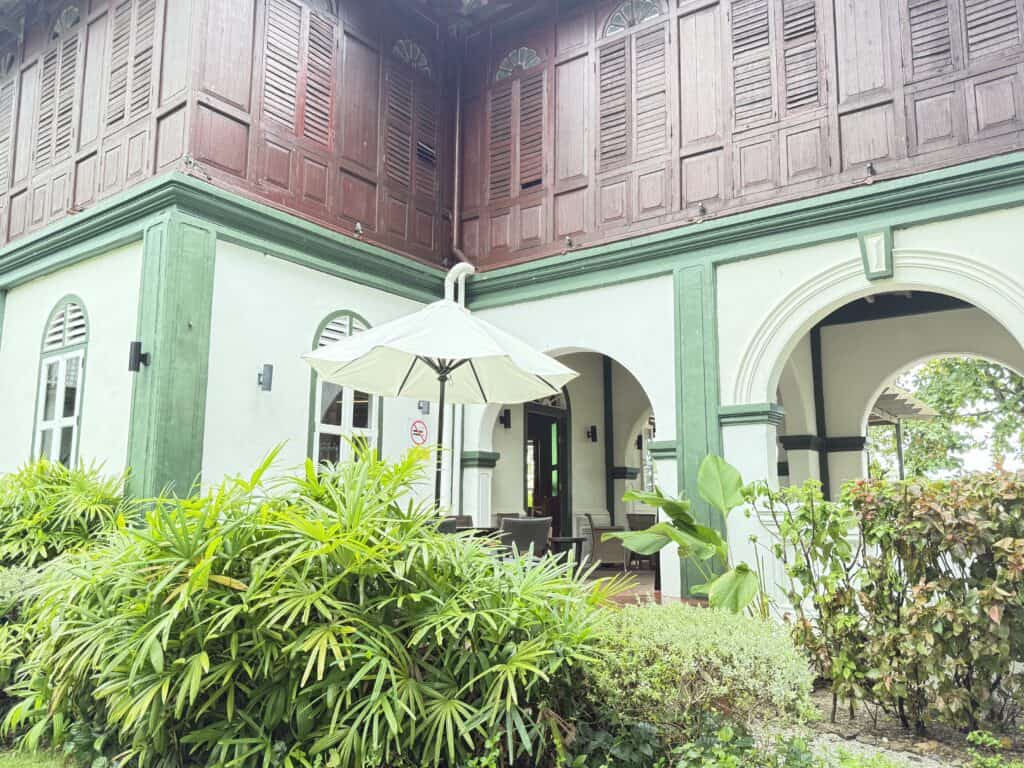
After showering and changing, we enjoyed high tea around 1pm in the Colonial House—the property that leans towards traditional Chinese-Peranakan style with its distinctive architecture and period furnishings.
The spread included expected British-style items (scones, finger sandwiches, proper tea) alongside Malaysian surprises like curry puffs and samosas that added local flavour. It’s a lovely hybrid reflecting Malaysia’s multicultural heritage, and sitting in that beautifully restored space enjoying the blend of traditions felt special.
The Afternoon Bath That Changed Everything
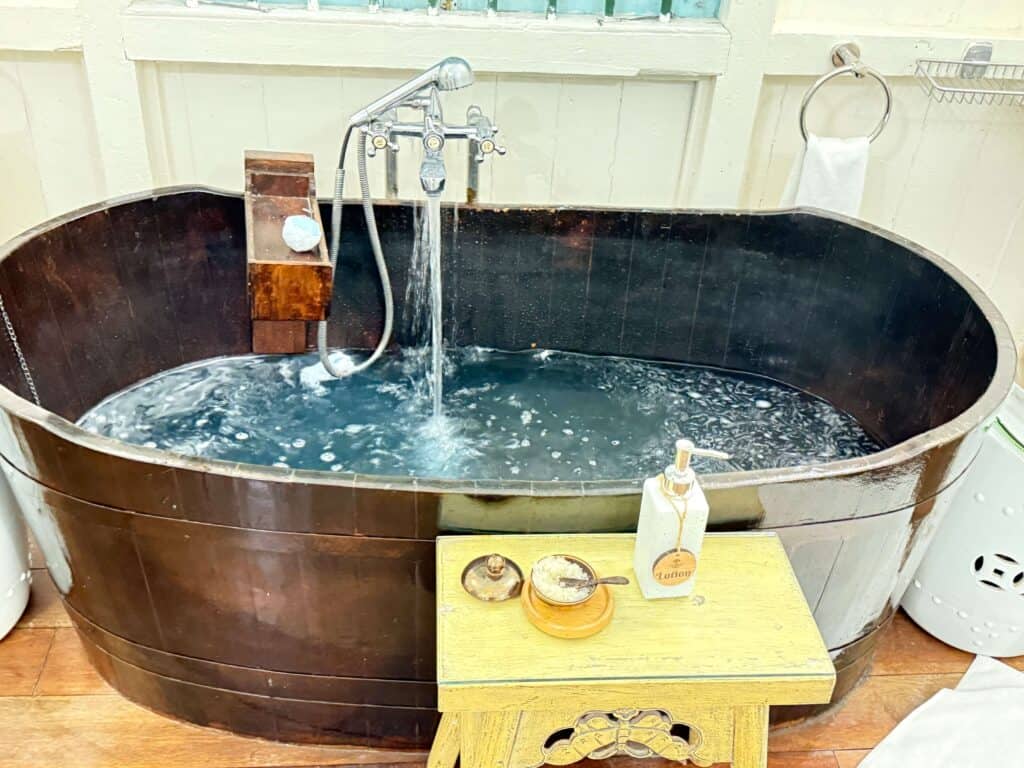
Here’s where my weekend transformed from pleasant to genuinely memorable. Around 2pm, whilst everyone else napped or read, I drew a bath in the Penang House’s gorgeous wooden tub. Rain started falling—that intense tropical downpour that sounds like applause on heritage roofs.
Soaking in warm water inside century-old timber, listening to rain drum overhead and trickle through the plantation outside, feeling completely disconnected from email and schedules… this slow afternoon moment while it rained became my favourite part of the entire trip. It’s the kind of experience luxury marble bathrooms in five-star hotels simply cannot replicate.
This is what I mean about slowing down revealing more. If I’d packed the afternoon with activities, I’d have missed this perfect, restorative pause.
Cooking Class: Making Ondeh-Ondeh (5pm)
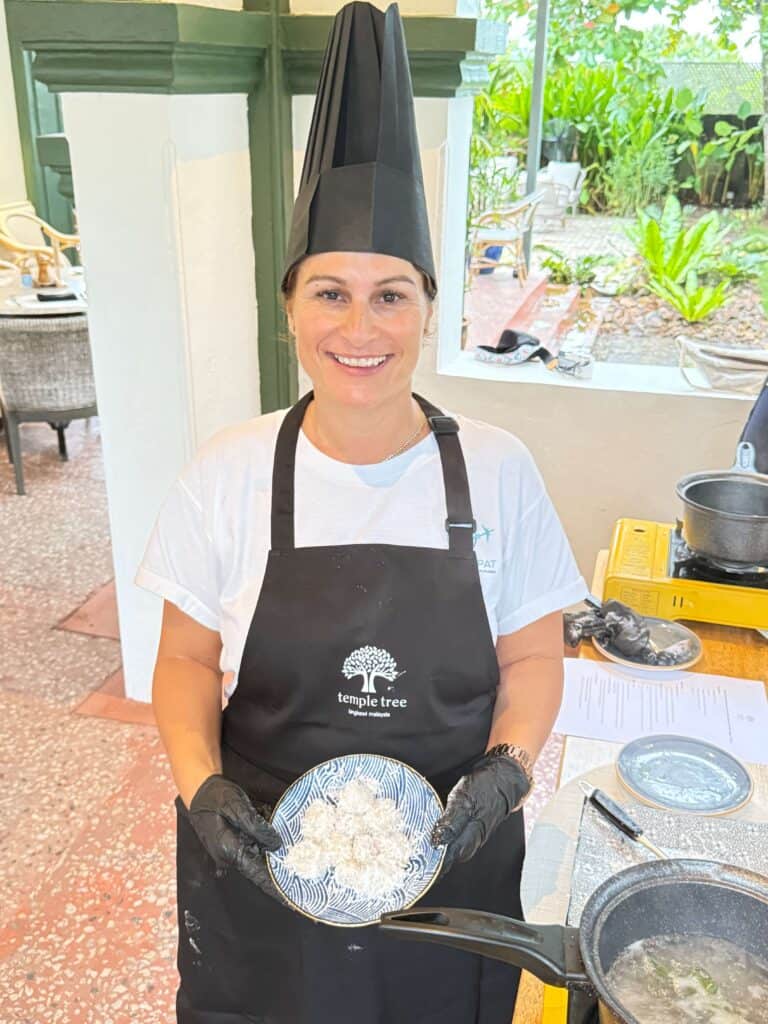
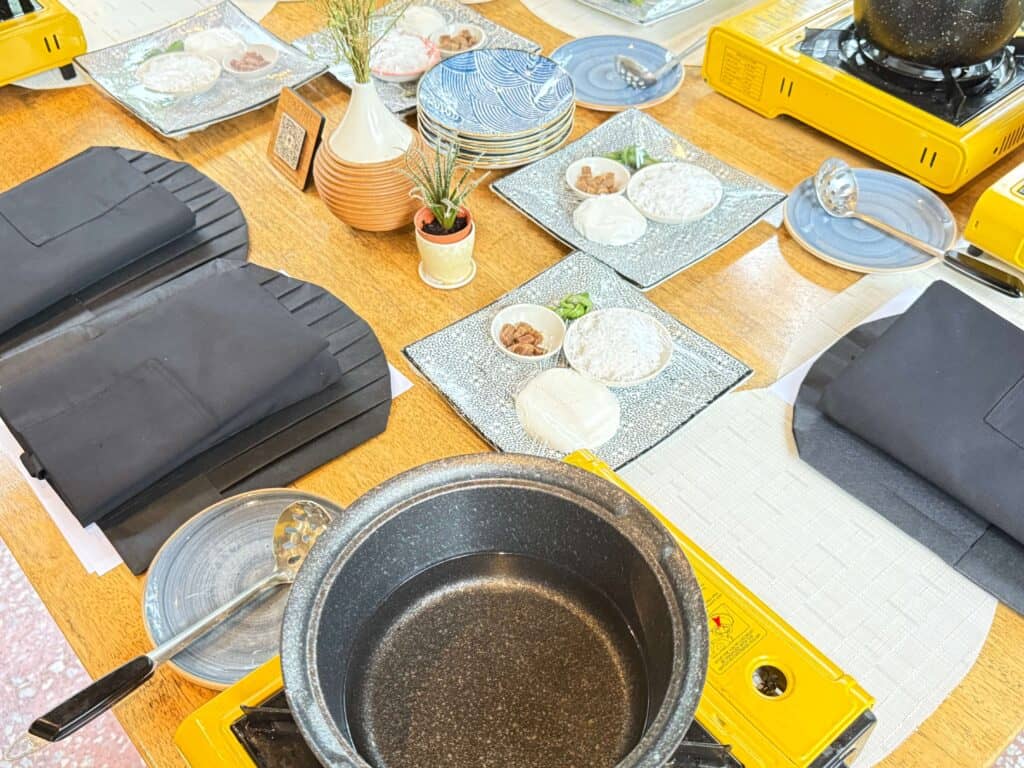
Around 5pm, we joined the cooking class to learn making ondeh-ondeh—those addictive little pandan coconut balls filled with palm sugar that burst sweetly in your mouth. The instructor was patient, explaining the technique for getting dough consistency right, sealing the filling without it leaking, and achieving that distinctive green colour naturally from pandan leaves.
It’s hands-on rather than demonstration-style, and genuinely fun in an authentic way rather than staged for tourists. I’ve attempted making them at home since and haven’t quite matched the resort’s version yet, which tells you there’s real skill involved despite the simple appearance.
Pre-Dinner Cocktail
After cleaning up from the cooking class, we headed to the bar around 6pm for sundowners. I ordered their signature Paloh Margarita—well-balanced, tequila-forward without being harsh, with enough citrus to stay refreshing in the tropical heat. Sitting in the heritage surrounds with a proper cocktail whilst the plantation cooled into evening felt civilised and relaxing.
Heritage Dinner at Paloh Restaurant
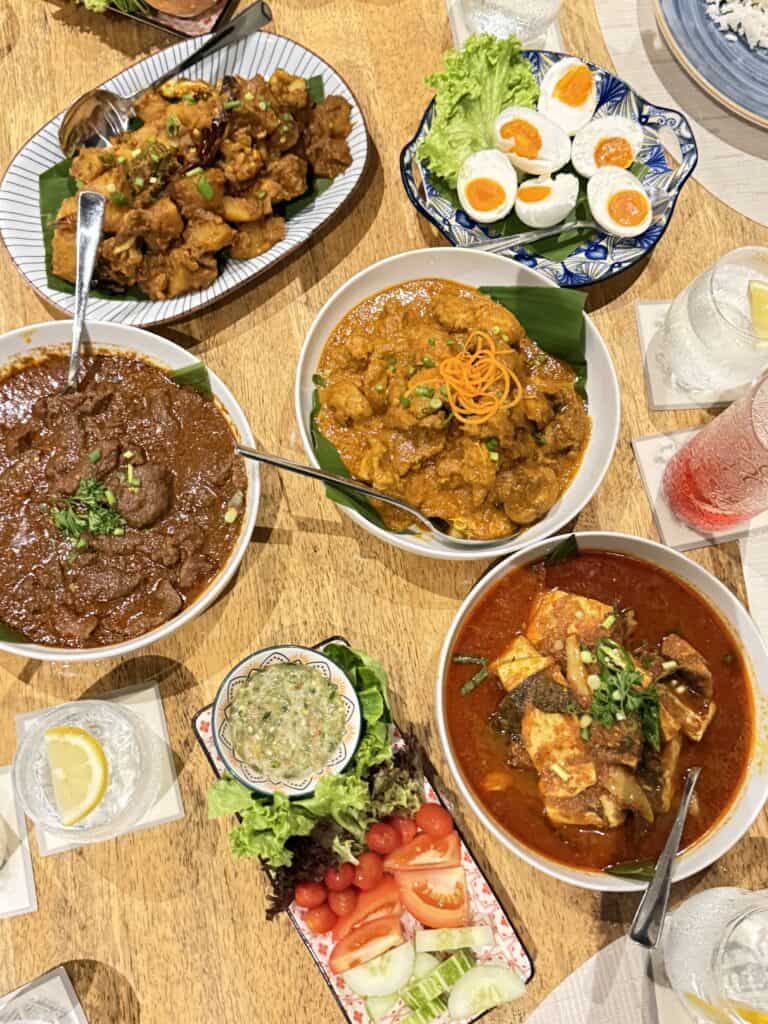
Dinner at the resort’s Paloh Restaurant let us taste through Malaysian heritage favourites. We shared nasi putih with udang masak lemak (prawns in rich, spicy turmeric coconut gravy), plus several traditional dishes. Everything tasted home-cooked rather than commercialised, though they’ll adjust spice levels if you ask.
For dessert, the sago mango gula melaka showcased tropical fruit perfectly—sweet mango with sago pearls in palm sugar syrup. Simple ingredients, beautifully executed.
Dream Forest Night Walk (Evening)
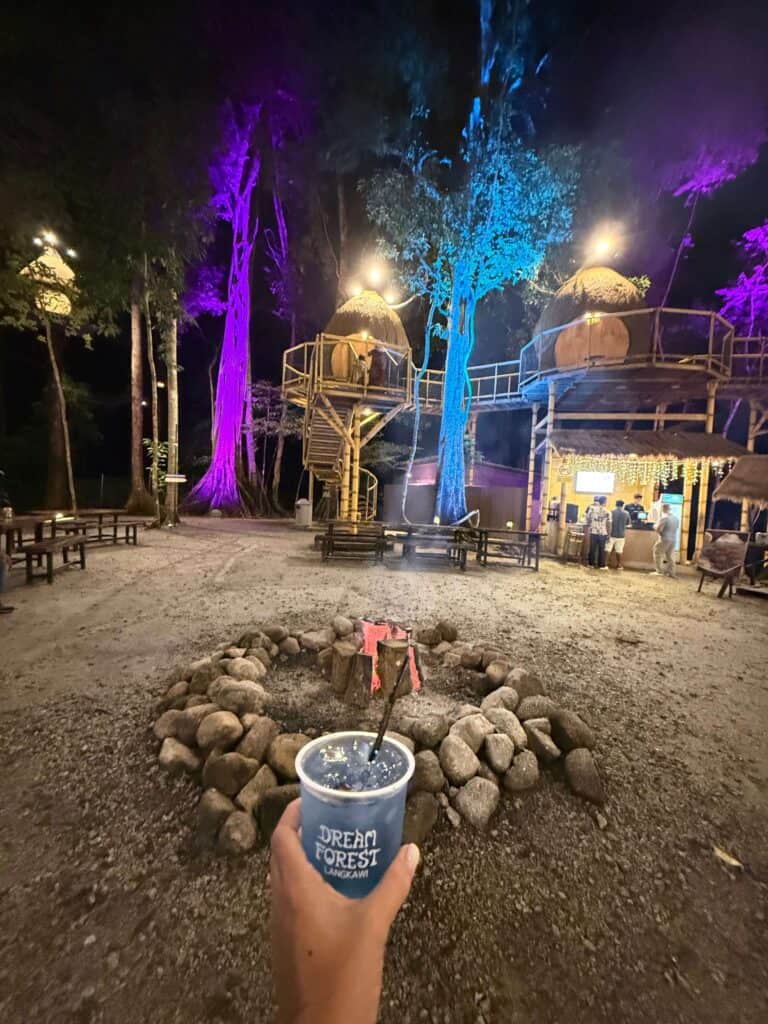
After dinner, we ventured to Dream Forest Langkawi for the enchanted rainforest night walk. Moving through the forest after dark was lit up with loads of lights made it magical.
We learned about three historical legends connected to the forest—stories passed down through generations that gave context to why locals view this landscape as special. Halfway through, we stopped to roast s’mores over a fire (unexpected and delightful) and tried butterfly pea flower drink, which glows an otherworldly blue colour under torchlight.
Day 3: Departure Morning
Morning Massage (8:30am)
I booked a massage for 8:30am before checkout—perhaps unusually early, but we had a flight to catch. The resort spa delivered exceptional treatment even at that hour. Skilled hands working out travel tension in a peaceful heritage setting felt like the perfect conclusion to our stay.
I’ve experienced countless spa treatments, and this ranked among the genuinely restorative ones rather than just going through motions.
Checkout and Departure (10am)
We checked out around 10am feeling genuinely reluctant to leave. Two days had given us enough time to appreciate Temple Tree’s character without feeling rushed, though I could easily have stayed longer.
The short drive back to Langkawi Airport felt like re-entering the regular world after a brief escape into something slower and more culturally rich.
What I’d Recommend Prioritising
If you’re planning two days at Temple Tree Resort, here’s what matters most based on my experience:
- Build in slow time. My rainy afternoon bath moment happened because I wasn’t over scheduled. Temple Tree rewards slowing down rather than rushing between activities.
- Do the cooking class. It’s hands-on, educational, and you’ll actually learn technique rather than just watching demonstrations. Plus you get to eat what you make.
- Mix resort dining with local restaurants. The resort food is excellent, but experiencing places like The Fat Frog adds variety and supports local businesses.
- Say yes to the mangrove tour. Even if you’re not typically a “nature activity” person, the peaceful quality and wildlife encounters make it worthwhile.
- Consider the night forest walk if you’re comfortable with adventure. It’s safe, well-guided, and offers perspectives on jungle ecosystems you won’t get elsewhere.
Practical Essentials
Packing: Proper insect repellent for outdoor activities, comfortable walking shoes for the bike ride and night walk, light breathable clothes—it’s tropical and humid.
Booking activities: Reserve cooking classes and tours when you book your room, especially during peak season. Limited spots fill quickly.
Timing: Visit during shoulder season for ideal weather, attentive staff, and fewer crowds. Peak season (December-March) brings higher rates but guaranteed sunshine.
Internet: Airalo eSIM sorts your data for navigation and translation.Insurance:SafetyWing covers mishaps so you can relax.
Frequently Asked Questions About Your Temple Tree Weekend
Ready for Your Heritage Escape?
Temple Tree Resort Langkawi offers something increasingly precious in modern travel—authentic cultural connection without sacrificing comfort. Two days gave me cooking skills, cultural insights, peaceful nature encounters, and that unforgettable rainy afternoon in a wooden tub that I’m still thinking about weeks later.
You’re supporting heritage preservation by staying here. You’re learning about Malaysian architectural traditions, culinary heritage, and kampung life in hands-on ways rather than observing from tour buses.
Need help planning your Malaysia itinerary? Having lived in Kuala Lumpur for over three years, I can help you make the most of your time in Malaysia. Book a consultation and we’ll create a personalised plan that suits your travel style and interests.
Follow along on Instagram @trulyexpattravel for real-time travel updates and daily life adventures, or join the Truly Expat Facebook community to connect with other women travellers planning their trips.
Affiliate Disclosure: This post contains affiliate links. If you book through them, I may earn a small commission at no extra cost to you—this helps me keep creating free, detailed travel guides. I only recommend services and products I genuinely use and trust after years of travel across Asia.Read full disclosure.
Pin It For Later
Latest Posts
- Incline Village Cabin Rentals, Nevada: Honest Travel Tips, Best Picks & What to Expect
- Where to Stay in Istanbul: The Best Areas (Without Regretting Your Booking)
- 10 Things to Do in Istanbul – A Friendly Guide First Time Travellers
- Women Only Morocco Tour 2026 – 2 Spaces Left
- The Best Areas to Stay in Kraków — And Where I Stayed