


Ipoh gives you everything Penang offers—colonial architecture, street art, incredible food—without the crowds or tourist fatigue. I’ve spent enough time in both cities to tell you that Ipoh feels more authentic, more relaxed, and honestly, just as rewarding. The limestone karsts create this dramatic backdrop everywhere you look, the coffee culture is unmatched, and you can actually find parking. Whether you’re spending a day or a long weekend, here’s what you need to know to make the most of your visit.
Two days is ideal. One day covers the main sights—old town, a cave temple, street art, and several excellent meals. Two days lets you explore Tambun farms, relax at The Banjaran, and settle into Ipoh’s rhythm. Day-trippers from Kuala Lumpur or Penang should focus on the old town and one cave temple, then head back without rushing.
Running this blog takes a lot of coffee (and countless hours exploring every destination!). If you found this helpful and want to support more honest, detailed travel guides and itineraries, you can buy me a coffee. No pressure though – I’m just happy you’re here and hope you have an incredible adventure! 🙂
The 10 Essential Ipoh Experiences
1. Start With White Coffee and Kaya Toast
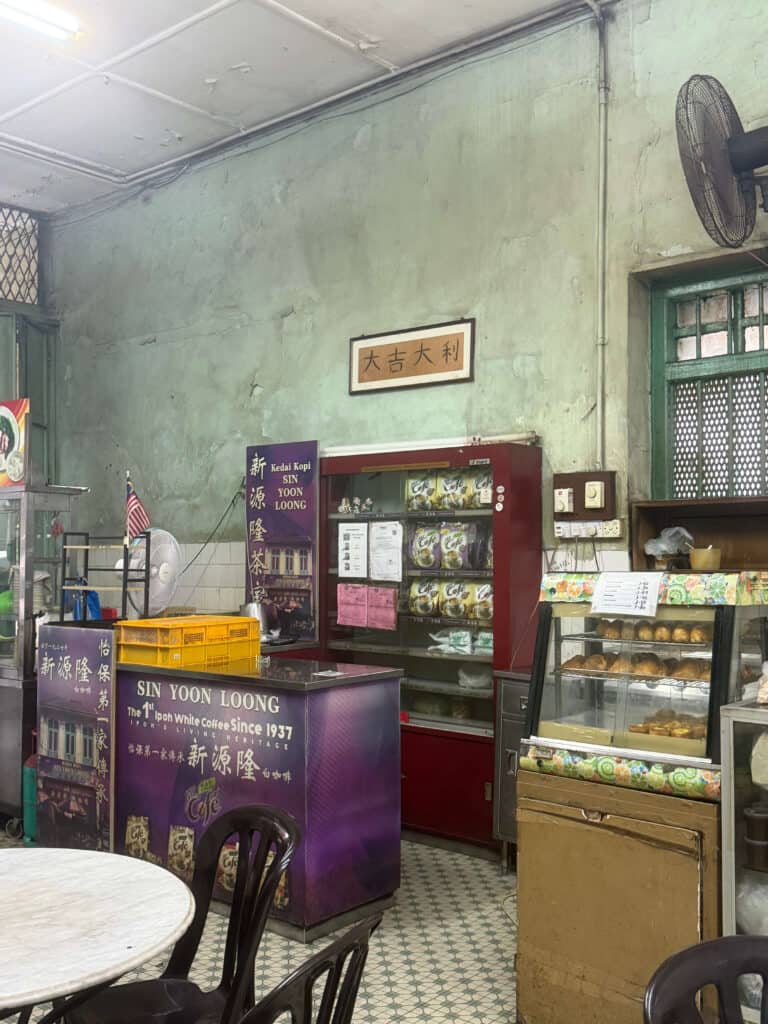
Skip the early temple rush. In Ipoh, mornings begin properly with white coffee—a local invention where Hainanese immigrants roasted coffee beans in margarine to create a smoother, less bitter brew with caramel notes.
The most authentic kopitiam where locals gather is Kedai Kopi Sin Yoon Loong (Ipoh’s first white coffee since 1937) at 15A Jalan Bandar Timah. Don’t confuse it with the touristy shop next door. Pair your coffee with kaya toast (coconut jam and butter on toasted bread). It’s simple, perfect, and sets the tone for your day.Pro tip: Arrive by 8:00 am. After 9:00 am, the local crowd and tourist groups appear.
2. Hunt for Street Art at Your Own Pace
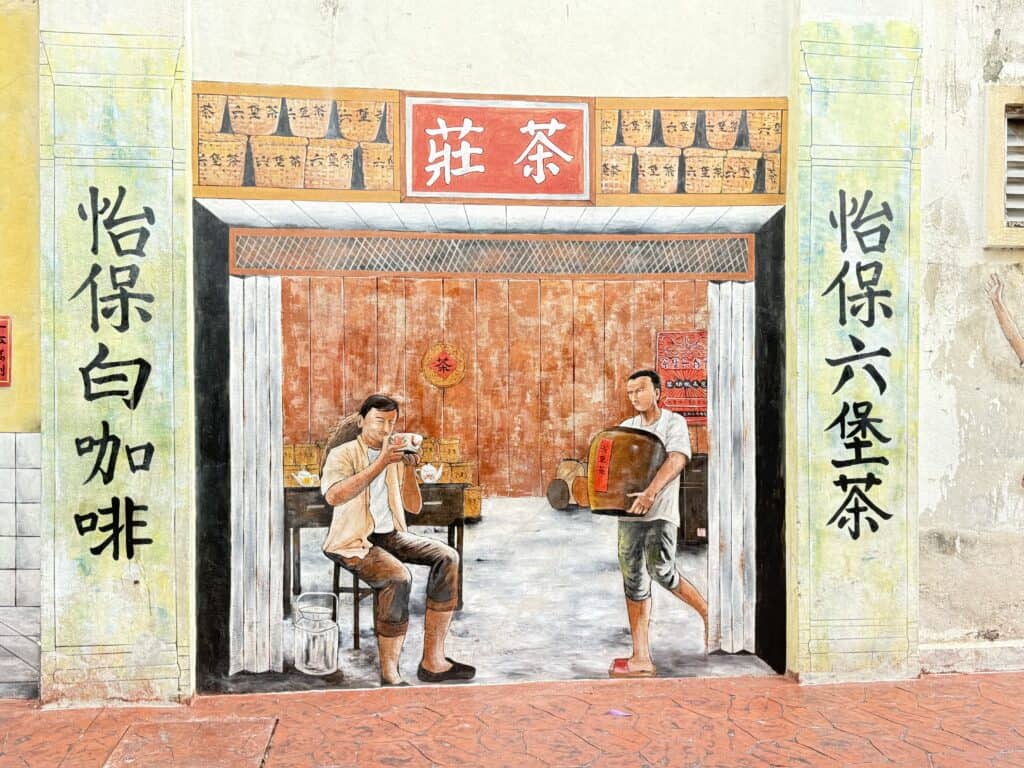
Ernest Zacharevic (yes, the Penang murals artist) worked in Ipoh too. His pieces around Mural Art’s Lane and the old town depict trishaws, children playing, and old Ipoh life. The difference from Penang? You won’t queue for photos. You’ll often have the street to yourself.
The art quality matches Penang’s, but the experience is far more pleasant. Don’t just tick off the famous pieces—wander side streets where locals and curious travellers find the best murals.
3. Eat Dim Sum at Foh San Restaurant
Foh San might serve Malaysia’s best dim sum. The system confuses first-timers: grab a table, order tea, then approach the counters displaying steaming baskets. Point to what looks good (or follow what locals choose), and everything gets marked on your docket.
It opens at 6:00 am. By 9:00 am it’s packed with families, newspapers being read, pots of tea being refilled. This is what authentic travel actually looks like—no Instagram moments, just genuinely good food and local life happening around you.
Pro tip: Go before 8:00 am to avoid crowds and get the freshest dim sum selections.
4.Visit Perak Cave Temple (Perak Tong)
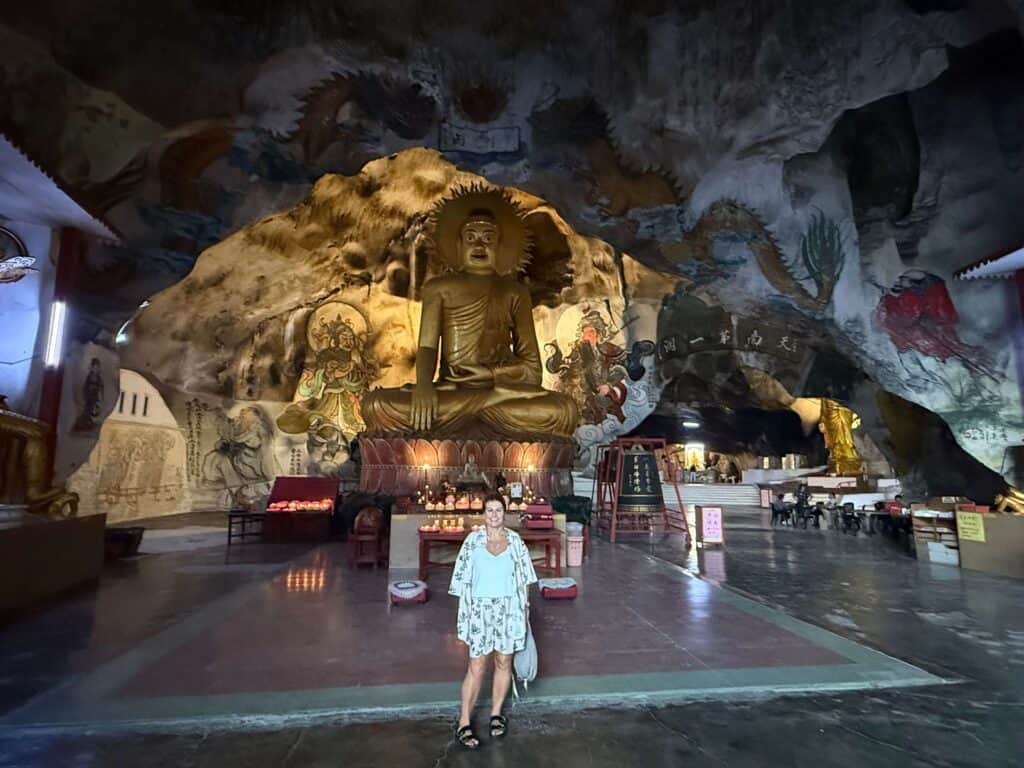
Perak Cave Temple, founded in 1926, is Ipoh’s most iconic cave temple. You’ll walk through gardens with ornamental pools before reaching the impressive red and white façade nestled against limestone cliffs.
Inside, the massive cavern houses a 40-foot golden Buddha flanked by guardian deities, with vibrant murals depicting Buddhist teachings. The real highlight? Taking the 450-step challenge to the summit for panoramic views across Ipoh. The stairs get steep, headroom gets low, but the views justify the effort.
Visit early morning (8:00-9:00 am) when it’s cooler and quieter. Entry is free, though donations are appreciated.
Pro tip: Weekdays are significantly quieter than weekends.
5. Explore Concubine Lane and Market
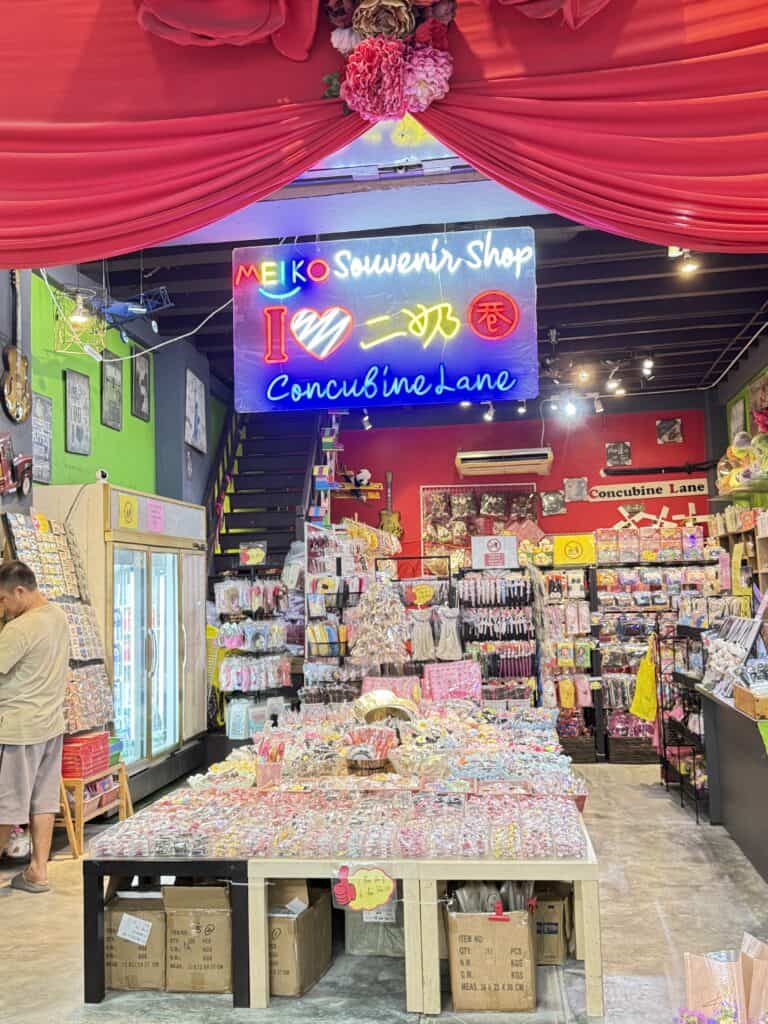
Every guide mentions the history—wealthy tin barons housing mistresses here. Whether true or tourist legend, today Concubine Lane (and its neighbours, Market Lane and Wife Lane) buzz with small shops, cafés, and weekend market stalls.
Look for What to Wear (Malaysian-designed clothing) and craft shops selling genuinely local products rather than mass-produced souvenirs. It’s touristy but worth an hour of wandering.
Pro tip: Visit on weekends when market stalls operate and the atmosphere feels more energetic.
6. Walk the Heritage Trail
Ipoh’s colonial architecture tells the story of tin wealth. It was once called the “City of Millionaires,” and you see it everywhere—stunning train station (Moorish revival architecture), Town Hall, High Court, and dozens of beautifully weathered shophouses.
The old town is small enough to explore intuitively. Grab a coffee, look up at the buildings, duck down interesting alleyways. The joy is discovering your own favourite corners.
Pro tip: Ask your hotel for a heritage trail map, or simply wander. Getting lost is part of the experience.
7. Visit Ho Yan Hor Museum
Located across from Concubine Lane, this free museum tells the story of Malaysia’s most trusted herbal tea brand, founded by Dr. Ho Kai Cheong in 1941. The museum occupies the original two-storey shophouse where he started his business, complete with 100-year-old staircases and a preserved traditional kitchen.
The 30-minute self-guided tour takes you through Dr. Ho’s journey from Chinese physician to successful entrepreneur. You’ll see original documents, antiques from the business, and learn about the 24 herbal ingredients in his famous flu remedy (five remain a mystery). The building is beautifully restored with interpretive boards in English, Chinese, and Malay.
Staff serve complimentary tastings of four to six herbal tea varieties at the end—refreshing, aromatic, and perfect for relieving body heat. There’s no hard selling, though you can purchase teas if interested.
Important: Book ahead via WhatsApp (+60 12-248 4517) or phone (+60 5-2412048) to reserve your time slot. Groups are limited to 20 people. Tours run 10:00 am to 4:00 pm Tuesday through Sunday (closed Mondays). The museum is air-conditioned—a welcome break from Ipoh’s heat.
8. Discover Tambun’s Fruit Farms
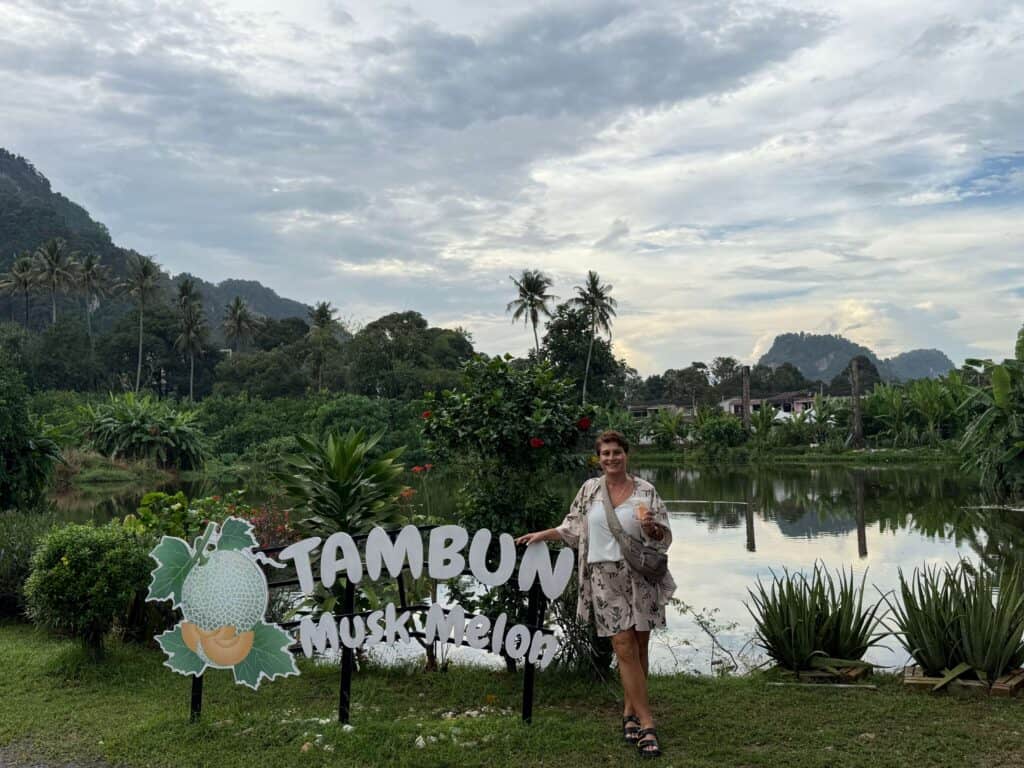
Just outside Ipoh, Tambun offers unique agritourism. Tambun Musk Melon Agro Farm is Malaysia’s largest Japanese musk melon plantation. Free guided tours take you through greenhouses where you’ll learn how they grow these premium melons in tropical conditions—each plant produces just one fruit in its 70-day lifetime.
Right across the road, GoChin Pomelo Agro Farm has been growing pomelos for over 20 years on 7.3 hectares. Entry is free. Walk under mature pomelo trees, see fruit at different growth stages, and try other tropical fruits like custard apple and guava. Both farms sell fresh juice and fruit to take away.
Pro tip: Visit early morning to avoid the heat. Musk melon greenhouses can reach 50°C in summer.
9. Experience The Banjaran Hotsprings Retreat
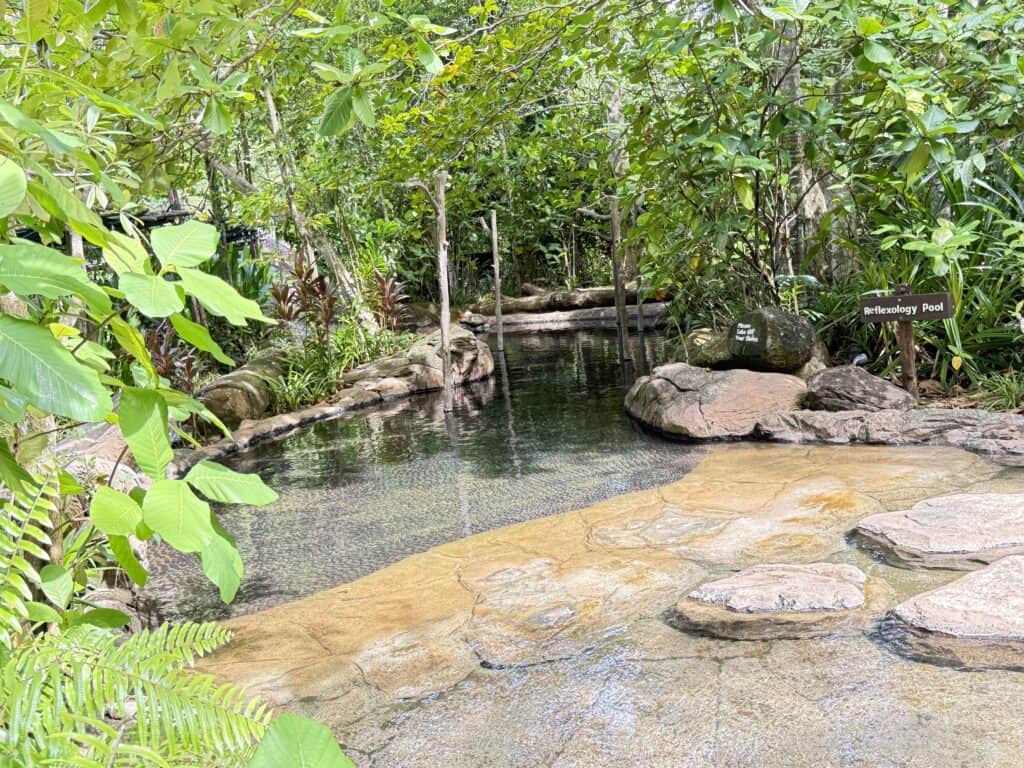
If you’re not staying overnight at this luxury resort (villas start at RM1,850), the day pass offers exceptional value. Book through Klook(around SGD 100-106 per person) for 10:00 am to 7:00 pm access to geothermal hot springs pools, thermal steam cave, ice bath, meditation cave, Crystal Cave, doctor fish pool, fitness centre, and swimming pool.
The day pass includes RM150 credit for spa treatments or lunch at Pomelo Restaurant. The setting is spectacular—260-million-year-old limestone cliffs, cascading waterfalls, and three million litres of geothermal water billowing up daily from underground. Bring your own swimwear; lockers, bathrobes, towels, and shower facilities are provided. Note: only guests aged 12 and above are permitted.
Pro tip: Arrive early to claim one of the hot spring tubs overlooking the lake. They’re intimate rather than crowded.
10. Try Ipoh’s Legendary Food
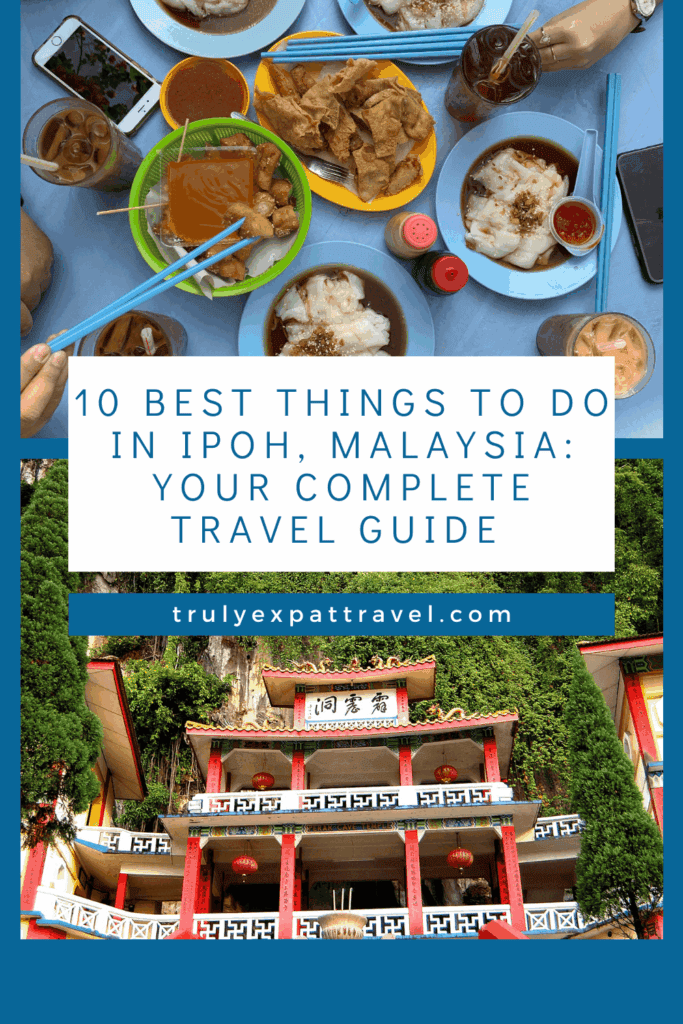
Beyond white coffee and dim sum, try tauge ayam (poached chicken with bean sprouts—Lou Wong is famous), salt-baked chicken, Ipoh hor fun (flat rice noodles in clear soup), and curry mee. The food isn’t fancy or Instagrammable. You’ll often eat on plastic stools in un-air-conditioned spaces.
But it’s some of the most flavourful, well-prepared food in Malaysia. Trust local recommendations, eat where you see queues, and don’t worry about finding “the best” place—they’re all genuinely good.
Getting to Ipoh
From Singapore:
- Flight (fastest): Direct flights from Changi to Sultan Azlan Shah Airport take 1 hour 10 minutes. Scoot and Batik Air operate this route (SGD 70-100 one-way). From airport to city centre is only 6km—a Grab costs under RM20. Total journey time: about 4-5 hours.
- Bus (most economical): Direct buses from Golden Mile Complex take 8-12 hours depending on border times (SGD 30-40). StarMart Express, Sri Maju, and Super Nice Express operate this route. Buses are comfortable with reclining seats and air-conditioning. Avoid Friday evenings and holiday weekends to reduce border delays.
- Private car: Around SGD 400-600 for 6-7 hours via Johor. Works well if travelling with a group or wanting to stop at Malacca en route.
From Kuala Lumpur: Train from KL Sentral takes 2.5-3 hours, costs under USD 10. It’s comfortable, runs frequently, and drops you right in town.
From Penang: Ferry to Butterworth, then bus or train (1 hour 45 minutes).
From Cameron Highlands: Buses run regularly (3 hours).
Klook.comPractical Essentials
- Weather: Hot and humid year-round. Plan activities for early morning and late afternoon, leaving midday for lunch and rest.
- Walking: Old town is flat and walkable. Cave temples require climbing—stairs are steep but manageable if you’re reasonably fit.
- Accommodation: Book old town hotels for walkability and authentic atmosphere.
- Transport: Walk within old town. Use Grab for temples and outlying attractions. It’s cheap and eliminates taxi fare negotiations.
- Cash: Many kopitiams and market stalls are cash only. ATMs are plentiful.
- Internet: Airalo eSIM sorts your data for navigation and translation apps.
- Insurance: SafetyWing covers mishaps so you can actually relax.
Frequently Asked Questions About Ipoh
Ready to Experience Ipoh?
Ipoh rewards curious travellers who appreciate authenticity over Instagram moments. Coffee shops serve locals first and tourists second. Temples remain places of worship, not just photo opportunities. “Slow travel” isn’t a marketing term—it’s simply how life unfolds here.
Before your trip, sort the practical bits: book accommodation in old town, arrange travel insurance, pre-book The Banjaran day pass and any tours through Klook. Then relax into the experience. Ipoh doesn’t require rigid planning—it’s best discovered by following your instincts, local recommendations, and the smell of good coffee.
Want personalised advice for your Ipoh trip? Schedule time with me — I can help you plan an itinerary tailored to your interests and travel style.
Follow along on Instagram@trulyexpattravel for real-time travel updates and daily life adventures, or join the Truly Expat Facebook community to connect with other women travellers planning their trips.
Affiliate Disclosure: This post contains affiliate links. If you book through them, I may earn a small commission at no extra cost to you—this helps me keep creating free, detailed travel guides. I only recommend services and products I genuinely use and trust after years of travel across Asia.
Pin It for Later