

Osaka is Japan’s second-largest city and genuinely underrated compared to Tokyo and Kyoto. It’s the “Kitchen of Japan”—famous for food culture—but there’s far more than eating.
Table of Contents
Osaka Castle dominates the historical landscape. Dotonbori’s neon chaos reflects genuine Japanese urban energy. Free walking tours reveal neighborhoods most tourists miss. The food scene alone justifies visiting. If you’ve done Tokyo and want something different—less crowded, more authentic, equally exciting—Osaka is where you go.
The best time to visit is March-May when cherry blossoms transform the city and temperatures range 15-20°C. Spring brings Hanami festivals where locals gather under blooming trees for celebrations and picnics. But honestly, Osaka works year-round for those willing to embrace its unique character.
Running this blog takes a lot of coffee (and countless hours exploring every destination!). If you found this helpful and want to support more honest, detailed travel guides and itineraries, you can buy me a coffee. No pressure though – I’m just happy you’re here and hope you have an incredible adventure! 🙂

Essential Information Before You Visit
Visa & Insurance
iVisa confirms Japan visa requirements for your passport. SafetyWing covers medical mishaps and travel disruptions.
Getting to Osaka
Direct flights from Singapore (6.5 hours) via Singapore Airlines, Scoot, Jetstar Asia Airways, Japan Airlines, or ANA. Kansai International Airport (KIX) sits just under 1 hour from downtown Osaka.
From Airport to City:
- Private transfer: Easiest option. Takes ~60 minutes, can be booked online
- Train + Subway: Nankai Airport Express to Namba Station (40-45 minutes), then Midosuji Line subway to your destination (10-15 minutes). Budget 60-70 minutes total
- Car hire: Option if staying several days.
Getting Around Osaka
Grab works reliably. Trains and subways are efficient and affordable—get a reloadable IC card. Walking covers most neighborhoods for short visits.
Internet
Airalo eSIM provides reliable connectivity throughout your stay.

6 Unforgettable Things to Do in Osaka
Osaka Castle: History & Panoramic Views
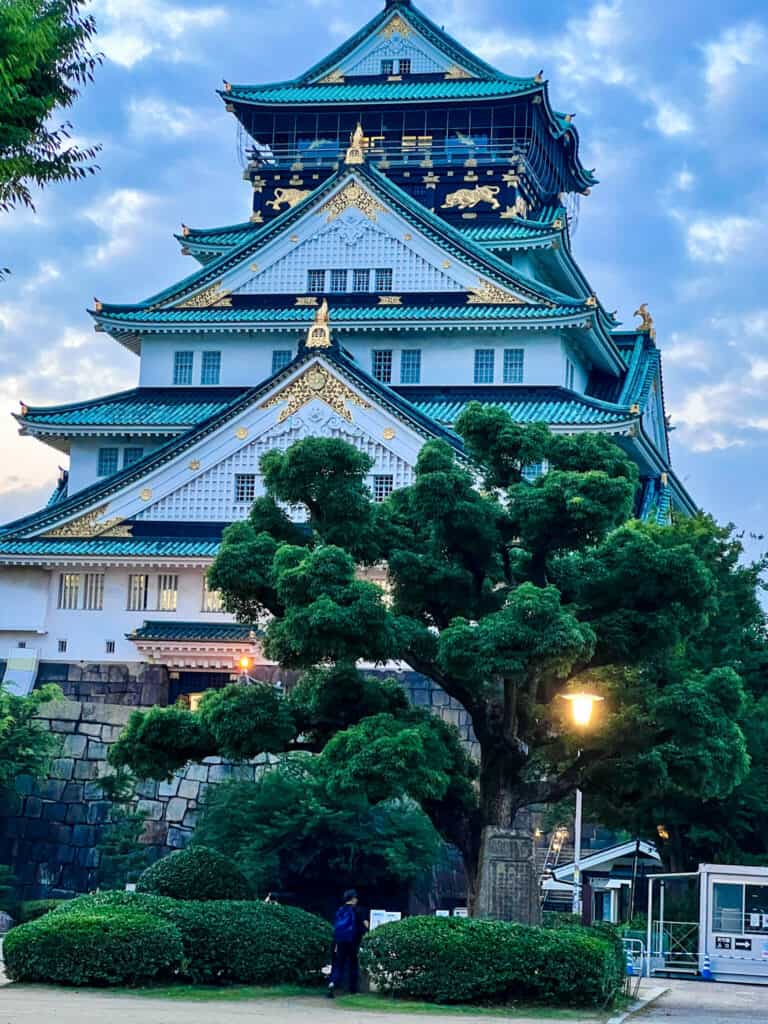
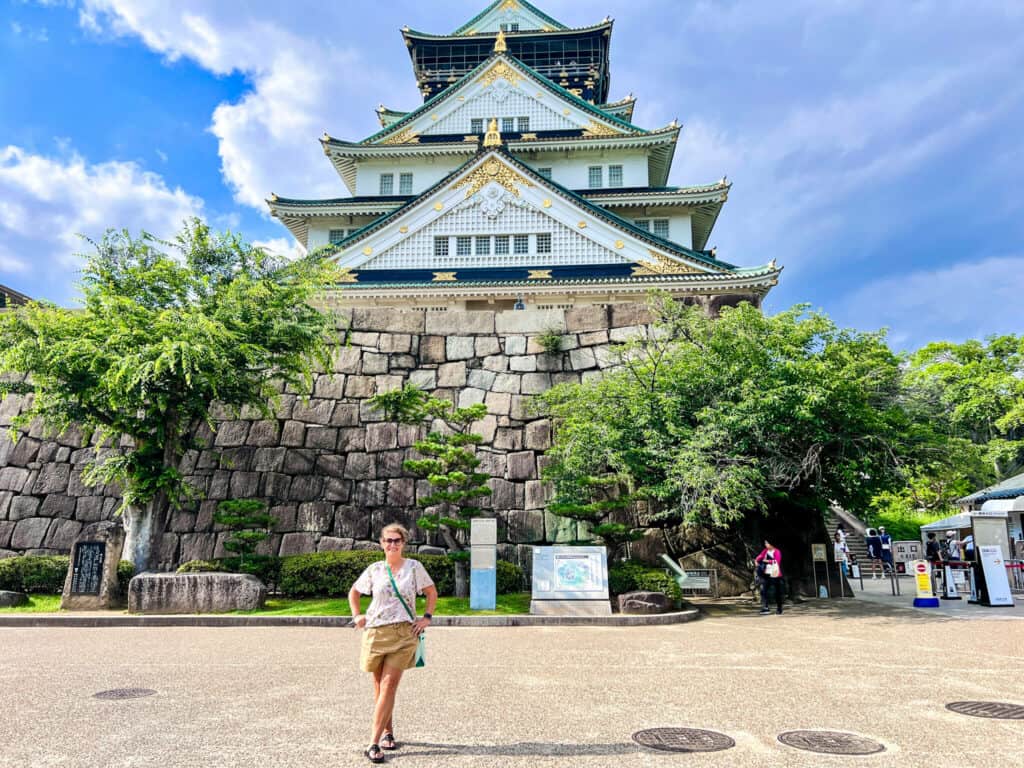
Osaka Castle (Osaka-jo) is one of Japan’s most famous landmarks—genuinely iconic. Built in the late 16th century during the Azuchi-Momoyama period, this fortress played a vital role in Japan’s unification.
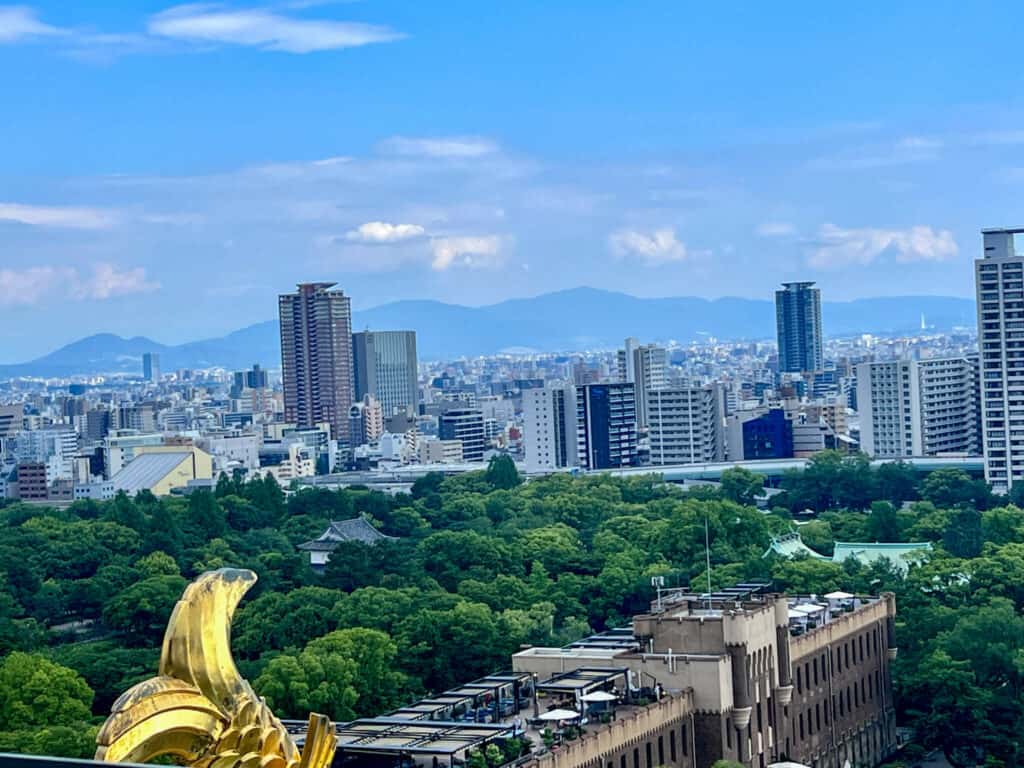
The structure showcases traditional Japanese architecture: towering walls, intricate wooden interiors, elegant rooftops. Inside, a museum explores history. The lookout deck offers panoramic city views—on clear days, you see distant mountains.
Osaka Castle Park adjacent to the castle spans 100+ hectares of green space. Meticulously manicured gardens, beautiful moats, peaceful ponds create serene atmosphere contrasting the city’s energy. During spring, cherry blossoms transform the park into something genuinely magical.
Spend 2-3 hours exploring the castle interior and another hour walking the park. Come early morning (before 9:00 am) to avoid crowds.
Pro tip: The park is genuinely peaceful in early morning—you’ll have it almost to yourself.
Osaka Free Walking Tour: Local Knowledge
The Osaka Free Walking Tour might be the best value in the city. Local guides lead you through vibrant neighbourhoods, historic temples, hidden gems, markets, entertainment districts. You’ll try local street food, interact with residents, learn traditions and customs.
The tour is genuinely free—you tip if you enjoyed it (most people do). This model works because guides are passionate and knowledgeable, not rushing tourists through sites.
What you’ll experience:
- Bustling markets reflecting local life
- Serene temples as actual spiritual spaces
- Historic landmarks with real context
- Modern entertainment districts with contemporary energy
- Street food conversations with vendors
This is how you experience cities like locals rather than through guidebook glasses.
Pro tip: Book in advance. Popular tours fill quickly, especially on weekends.
Dotonbori: Energy & Entertainment
Dotonbori is Osaka’s beating heart—chaotic, vibrant, genuinely alive. The entertainment district overflows with restaurants, shops, bars, pachinko (pinball) arcades. Colourful neon signs create visual feast. Streets buzz with energy.
Why it matters:
- Food scene: Every Japanese street food you’ve heard of exists here. Quality is consistently high because locals eat here constantly
- The Glico Running Man: This iconic neon sign (giant runner) defines Dotonbori visually
- Nightlife: Bars, restaurants, clubs create pulsing energy evening onwards
- Shopping: Boutiques, department stores, souvenir shops throughout
Walk slowly, eat frequently, embrace the chaos. Get deliberately lost in side streets—you’ll find tiny restaurants, hidden bars, genuine local experiences.
Pro tip: Go mid-afternoon to experience both daytime and evening energy. Arrive early evening for dinner before nighttime crowds peak.

Street Food: The “Food Capital of Japan”
Osaka’s street food scene justifies visiting alone. These aren’t casual snacks—they’re culinary art.
Must-try dishes:
- Takoyaki (Octopus Balls): Dough balls filled with octopus, tempura scraps, green onions, pickled ginger. Topped with takoyaki sauce, mayo, bonito flakes. Crispy outside, creamy inside.
- Okonomiyaki (Savoury Pancake): Cabbage, batter, meat/seafood/cheese grilled on hot plate. Topped with sauce, mayo, bonito flakes. Think omelette meets pancake—genuinely delicious.
- Kushikatsu (Deep-fried Skewers): Meat, seafood, vegetables on skewers, light batter, fried until crispy. Served with tangy dipping sauce. Options range from beef/shrimp to cheese/quail eggs.
- Yakisoba (Stir-fried Noodles): Wheat noodles, cabbage, onions, meat/seafood, savoury sauce. Quick, satisfying, genuinely flavourful.
- Taiyaki (Fish-shaped Pancake): Sweet pancake filled with red bean, custard, chocolate, or sweet potato. Popular dessert at street stalls.
Street food is genuinely safe—locals eat here constantly, which is your quality assurance. Book a food tour for guided introduction to vendors and dishes.
Pro tip: Go hungry. Try multiple dishes from different stalls. Don’t overthink—just eat what looks good.

Tombori River Cruise: Seeing Osaka Differently
The Tombori River winds through the city, offering unique perspective on Osaka’s architecture and energy. Evening cruises are genuinely special—neon lights from Dotonbori reflect in water, creating surreal atmosphere.
What you’ll experience:
- Shimmering lights reflecting off water
- Futuristic buildings creating modern backdrop
- The iconic Glico Running Man sign from water level
- Mesmerizing neon signs from different perspective
- Lively street energy combined with peaceful water
On board, you can eat from riverside restaurants—Japanese cuisine served while floating. It’s genuinely romantic and peaceful despite the city’s chaos surrounding you.
Afternoon cruises offer different atmosphere than evening. Choose based on whether you want daylight views or evening neon magic.
Pro tip: Book evening cruises for the full neon experience. Arrive early for good seating if cruises get crowded.

Harukas 300 Observatory: Osaka From Above
Harukas 300 Observatory sits on floors 58-60 of the Abeno Harukas skyscraper—Osaka’s tallest building. Breathtaking panoramic views reveal the entire city, Osaka Castle, surrounding regions, and on clear days, even distant Awaji Island.
What sets it apart:
- 360-degree views: Complete city perspective
- Sky Garden: Lush green space with trees and plants on the top floor—genuinely peaceful escape
- Projection mapping technology: Cutting-edge feature bringing views to life through wall projections
- Sky Dining 300: Restaurant where you eat while viewing the city
The observatory combines technical innovation with natural beauty—uniquely Osaka.
Spend 1-2 hours. Go late afternoon for both daylight views and sunset, then stay as night lights emerge. It’s genuinely magical watching the city transform.
Pro tip: Book skip-the-line tickets in advance during peak season. Go around 4:00 pm to capture both daylight and evening energy.

Where to Stay in Osaka
Luxury: Osaka Marriott Miyako Hotel
Located in the iconic Abeno Harukas building. Stunning panoramic views. Elegant spacious rooms with modern amenities. Multiple dining options (Japanese and international). Fitness centre, spa, rooftop bar. Convenient location near major attractions. Perfect if you want luxury combined with strategic location.
See prices and availability here
Budget-Friendly: Luxcare Hotel
Modern hotel within walking distance of Osaka Castle. Japanese and international hospitality blend. Spacious elegantly designed rooms. Japanese restaurant and casual café. Great location, top-notch facilities, genuinely good value. Perfect if you want comfort without luxury pricing.
See prices and availability here

Frequently Asked Questions About Visiting Osaka
Ready to Experience Osaka?
Osaka isn’t Tokyo’s shadow—it’s a distinct city with unique energy, exceptional food, genuine character, and fewer tourists than you’d expect from Japan’s second-largest metropolis. Spring brings cherry blossoms and comfortable weather. The food scene justifies visiting alone. The castle, free walking tours, and river cruises round out the experience.
Give Osaka three days. Eat extensively. Walk neighborhoods. Embrace the neon chaos of Dotonbori. Watch the city from above. You’ll understand why Osaka locals love their city so fiercely.
Want personalised advice for your Osaka or Japan trip? Schedule time with me — I can help you plan an itinerary tailored to your interests, whether it’s a quick Osaka stopover or extended Japan adventure.
Follow along on Instagram @trulyexpattravel for real-time travel updates and daily life adventures, or join the Truly Expat Facebook community to connect with other women travellers planning their trips.
Affiliate Disclosure: This post contains affiliate links. If you book through them, I may earn a small commission at no extra cost to you—this helps me keep creating free, detailed travel guides. I only recommend services and products I genuinely use and trust after years of travel across Asia.
Pin it for later!