Most visitors picture Bali as beaches, cafés and sunset drinks, so when they decide to hike, they treat it like any other afternoon plan. They turn up at the wrong hour, pick the spot everyone else is picking, and set off in shoes meant for the pool deck. By the time the heat and the crowds arrive, the walk has turned into something to endure, and many people leave believing that hiking in Bali is overrated.
This article offers a better approach to choosing where to hike. It compares the spots travellers ask about most, from the Mount Batur sunrise trek to the Campuhan Ridge Walk and the quieter waterfall valleys around Munduk, and it explains how to match each one to your fitness, the season and the part of the island where you are staying.
Choosing a Hiking Spot in Bali Starts With Timing, Not Fitness
In This Guide
Ask people why a Bali hike went badly and fitness is rarely the answer. The reasons are the hour they started, the season they picked and the shoes on their feet. Bali sits about eight degrees south of the equator, so the sun rises at around six in the morning throughout the year, and by nine the humidity is heavy enough to make a gentle slope feel punishing.
A strong hiker who starts at noon will usually suffer more than an average walker who starts at dawn. Once you accept that timing is the real variable, the other decisions become simple: which spot, which month and which side of the island to sleep on.
What Counts as a Hiking Spot in Bali?
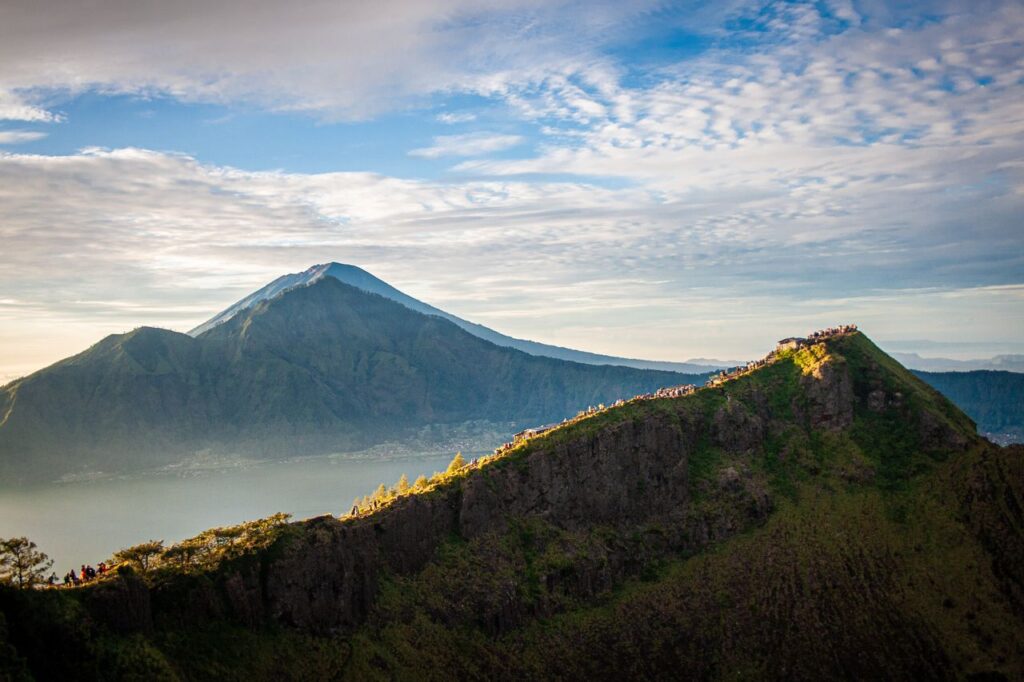
A hiking spot in Bali can be a volcanic slope, a high ridgeline, a rice terrace, a jungle path or a waterfall valley, and the one you choose shapes the whole day. The island is small, yet its terrain changes quickly. Two big volcanoes dominate the east and northeast, Mount Batur at 1,717 metres and Mount Agung at 3,031 metres, a band of cool highlands runs through the middle, and farmland and coast fill the space between.
The spots that travellers search for most include the Mount Batur sunrise trek, the Campuhan Ridge Walk near Ubud, the Mount Agung climb, the waterfall trails around Munduk, the long staircase down to Sekumpul Waterfall, and the paths through the Jatiluwih rice terraces, which belong to a UNESCO World Heritage landscape. Quieter options include Mount Abang on the rim of the Batur caldera and the forest trails of West Bali National Park.
Why People Should Hike in Bali?
Most people arrive in Bali for the beaches, yet the trails are often what they talk about long after the trip ends. The island rewards anyone willing to leave the coast on foot, and the reasons come down to four things.
Variety Packed Into a Small Area
Bali puts an unusual amount of variety into a small space. In a single week you can watch the sun rise over an active volcano, stroll a ridge between two river valleys and stand under a waterfall, and rarely spend more than a couple of hours in a car between them.
A Cultural Layer on Every Trail
Trails pass small temples, offerings left on stone steps and farmers tending terraces that their families have worked for generations, so even a short walk gives context that a beach day cannot.
Cooler Air at Altitude
Kintamani and the northern highlands are noticeably cooler than the coast, which makes physical effort more comfortable and gives the hotter parts of the day somewhere to hide.
A Hike Gives the Trip a Shape
A holiday built around beach clubs can blur together, while one early climb gives you a story to tell and a good reason to rest well afterwards. Because every spot offers a different mix of these rewards, choosing well is worth a little planning.
Seven Steps to Choose the Right Hiking Spot in Bali
Choose the right season
Bali’s dry season runs roughly from April to October, and the wet season from November to March. In the dry months the trails are firmer, summits clear more often and sunrise views are more reliable. The wet months make steps slippery and cloud can swallow a summit view entirely, although the waterfalls are at their fullest and the countryside is at its greenest. Hiking in January is perfectly possible if you accept a slower pace, start earlier to stay ahead of afternoon storms and keep the plan flexible.
Pick a base, then pick the spot
Where you sleep decides how much of your morning goes to driving. Ubud sits close to Campuhan, the Tegallalang area and the road up to Kintamani, so a hike from there can begin with a short ride. The south coast is a different story. Seminyak is roughly two hours from the Mount Batur trailheads, depending on traffic, which means a sunrise climb starts with a drive at around two in the morning.
Plenty of travellers accept that trade, and the plan works best when the days on either side are slow ones. Others skip the long drive by basing themselves in Ubud, where a morning on the trail can end at a table instead of in a car. A good Ubud resto serving fresh, healthy food, with choices for vegetarian or gluten free diets, makes a better reward for tired legs than another hour of traffic. If you still prefer the south coast, split the stay and sleep closer to the mountain on the nights you plan to climb.
If the waterfall trails around Munduk are on your list, the cool, quiet hills of the north make a far better base than the coast, and our guide to Buyan Lakeside Villas shows what staying beside the lake is really like.
Match the spot to your fitness
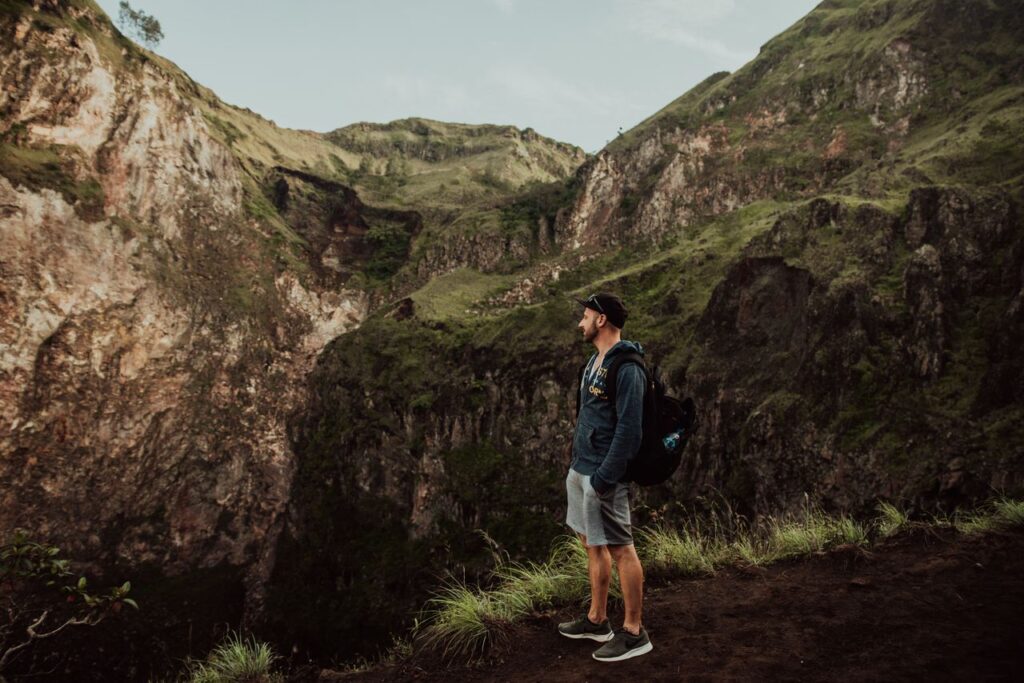
The Campuhan Ridge Walk near Ubud is the easy option, a paved path of roughly two kilometres each way with very little climbing. It takes 45 to 90 minutes and is best in the early morning or late afternoon, when the light is soft and the path is quiet.
Mount Batur and nearby Mount Abang sit in the moderate tier. Batur is about two hours of climbing on loose volcanic ground, usually in the dark, to a summit at 1,717 metres, while Abang offers a quieter route along the crater rim. Mount Agung is the demanding one, with steep rock, a very early start and eight to twelve hours on the move, so it suits only experienced hikers and is sometimes closed for volcanic activity or ceremonies.
Decide whether you need a guide
The rules differ by route. Campuhan, Jatiluwih and many waterfall paths can be walked on your own. At Mount Batur, local guide associations operate the climbing routes and independent climbing is generally not permitted, and Mount Agung also requires a guide. People often ask about hiking in Bali without a guide, and the short answer is yes for easy routes and no for the volcanoes.
A good guide also knows where the path really is, when the weather is about to turn and the stories behind the places you pass. Rules change, so confirm the current arrangements locally before you travel.
Pack for the spot you chose
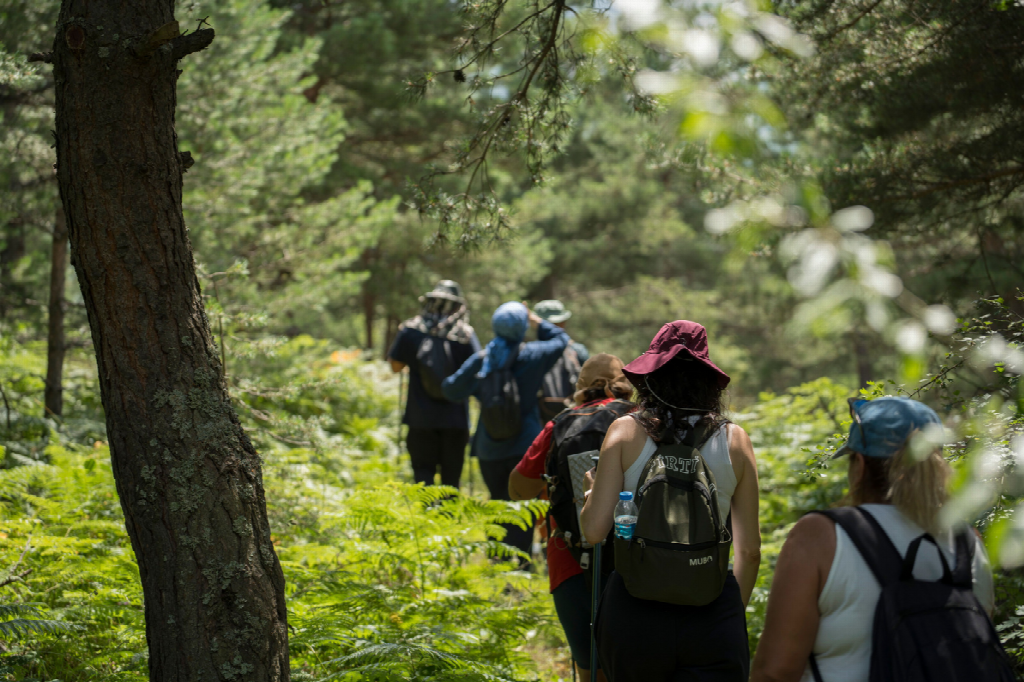
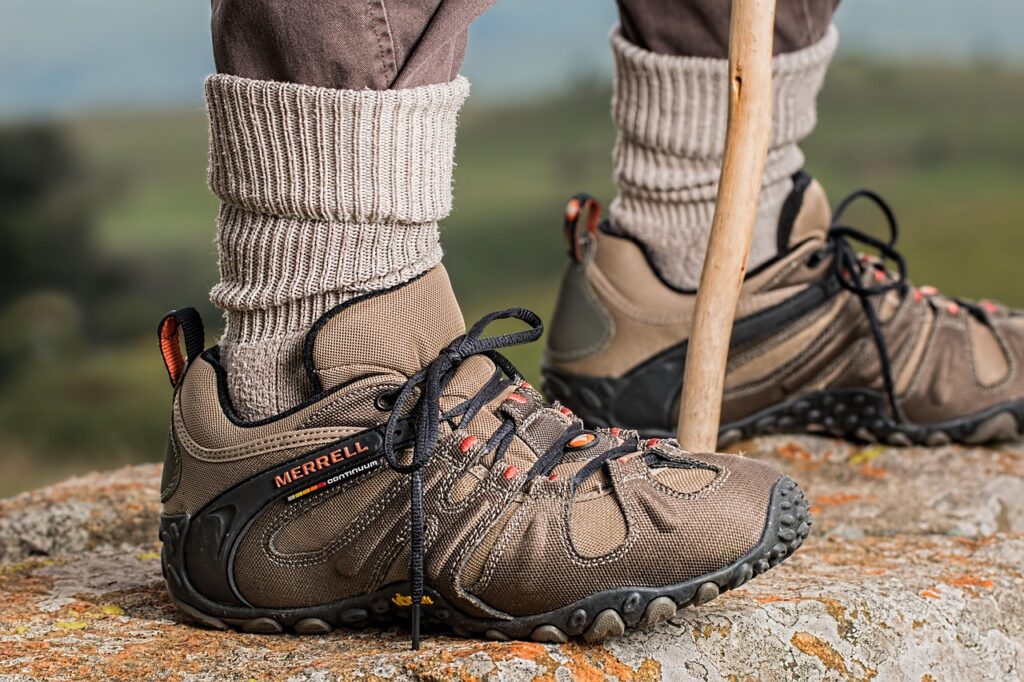
Summits are cooler and windier than the coast, so wear a breathable shirt with a light jacket or fleece on top. Closed shoes with real grip matter more than anything else you carry, and flip flops are a common reason for falls. Bring a headlamp for climbs that begin before dawn, at least a litre of water per person, a few snacks, a rain jacket in the wet season, sun protection, insect repellent for forested trails and a little cash for entrance fees and tips. A dry bag for your phone is cheap insurance.
Plan the recovery
The hike usually ends by nine or ten in the morning, and how well you recover depends partly on where you are staying. After a climb you want a proper breakfast, plenty of water, electrolytes and maybe plasters for blisters or something for sore muscles, and none of that is easy when the nearest shop is a long ride away.
Choosing luxury accommodation in Ubud Bali puts you in an area where supermarkets, pharmacies and cafés are easy to reach, so you can restock quickly and spend the rest of the day sleeping, swimming and enjoying a late lunch.
Respect the place you choose
Mountains and temples are sacred in Balinese Hindu life, and the trails often cross ground that matters to local people. Dress modestly near temples and carry a sarong if you plan to enter one. Never step over the small offerings left on paths and steps, keep your voice low near shrines, and carry every piece of rubbish back out with you. Avoid climbing during ceremony closures and follow your guide’s instructions, since they know which areas are off limits on any given day.
Frequently Asked Questions
Is hiking in Bali suitable for beginners?
Yes. The Campuhan Ridge Walk and the Jatiluwih rice terraces need little more than comfortable shoes. Mount Batur works for reasonably active beginners who go slowly with a guide.
What is the best time of year for hiking in Bali?
The dry season from April to October gives the most reliable conditions. At any time of year, the early morning is the best part of the day to be on a trail.
How long does the Mount Batur sunrise trek take?
The climb takes about two hours, followed by time at the summit for sunrise and the descent. From the south coast, count on roughly eight hours from pickup to return.
Do I need a guide for the Mount Agung hike?
Yes. The route is steep, often climbed in darkness, and subject to closures, so a licensed local guide is required.
What should I wear on a Bali hike?
Wear layers, closed shoes with good grip and a hat for the descent. Add a rain jacket in the wet season and a headlamp for any climb that starts before sunrise.
Are there good hikes near Seminyak or Canggu?
The mountain trails are a long drive away, but the rice field paths around Canggu and the clifftop walkways at Uluwatu make pleasant gentle walks for a rest day.
If you are staying on that side of the island, our round-up of things to do in Seminyak on the weekend will help you fill the days either side of a hike.
Choose a Spot That Fits Your Morning
Hiking in Bali rewards anyone who respects the clock. Start early, pick a spot that fits your legs, bring the right gear, listen to local guides and leave room for a slow afternoon, and the hike becomes the part of the trip you talk about longest. Whether it is a gentle stroll along Campuhan at first light or a climb to the Batur summit with the island waking up below you, the formula stays the same.
Running this blog takes a lot of coffee (and countless hours exploring every destination!).If you found this helpful and want to support more honest, detailed travel guides and itineraries, you can buy me a coffee. No pressure though – I’m just happy you’re here and hope you have an incredible adventure! 🙂

This post may contain affiliate links, meaning we may receive a commission at no extra cost if you purchase through a link. Please see our full disclosure for further information.
Check out my Instagram page or join the Truly Expat Facebook group.
Latest Posts
- How to Choose the Right Hiking Spot in Bali?
- Is an All-Inclusive Holiday a Good Choice for Solo Travellers Over 50?
- How Can I Prevent Sea Sickness on a Whale Watching Tour?
- Is a Private Guided Tour Better Than a Group Tour for Exploring Australia After 60?
- Finding Your Own Kind of Adventure in Your 50s and Beyond