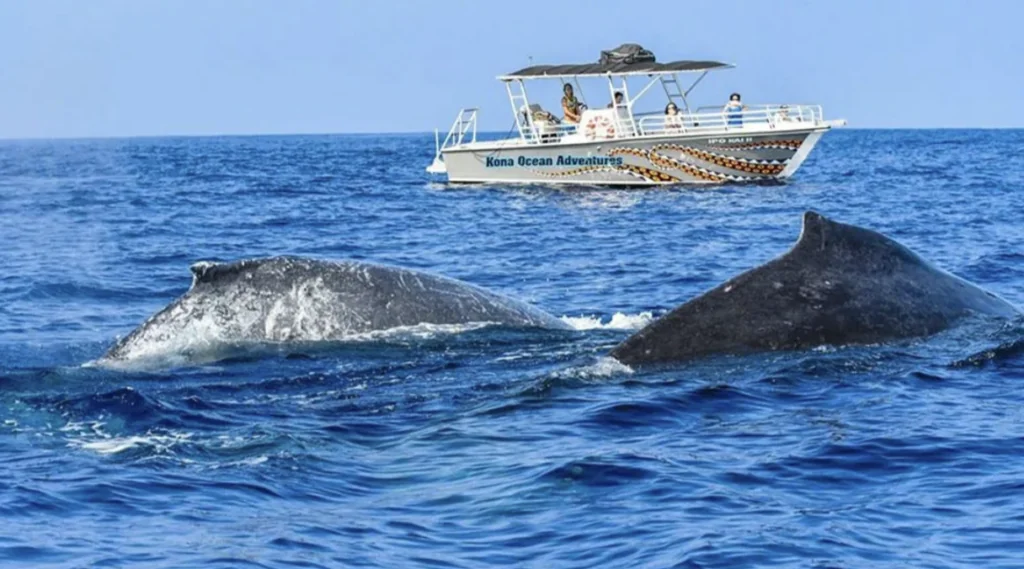
Imagine heading out for a whale-watching trip; you might be excited to see humpback whales surfacing nearby. However, after spending some time on the water, the gentle rocking of the boat starts making you feel dizzy, nauseous, and uncomfortable. What should have been an enjoyable experience can quickly turn into an unpleasant one.
The good news is that a little preparation can make a difference. Consider Kailua-Kona, a town on the west coast of Hawaii Island. The waters along the Kona coast are popular for ocean excursions, offering visitors a chance to experience Hawaii’s rich marine life. However, changing ocean conditions can make some passengers more susceptible to seasickness. If you’re travelling with family, our guide to things to do in Hawaii with kids has more ideas for your time on the islands.
Since whale watching tours in Kailua-Kona involve spending several hours aboard a boat, it’s worth taking a few precautions before setting out. Eating the right foods, choosing a suitable seat, staying hydrated, and considering motion sickness medication can help reduce discomfort and make your whale-watching experience more enjoyable.
Understanding Why Sea Sickness Happens
In This Guide
Sea sickness occurs when your brain receives conflicting signals from your eyes and inner ear. While your body senses the boat moving with the waves, your eyes may see a relatively stable boat interior, triggering nausea, dizziness, sweating, and fatigue.
Even experienced travellers can experience motion sickness, particularly when the ocean becomes choppy or the boat moves continuously.
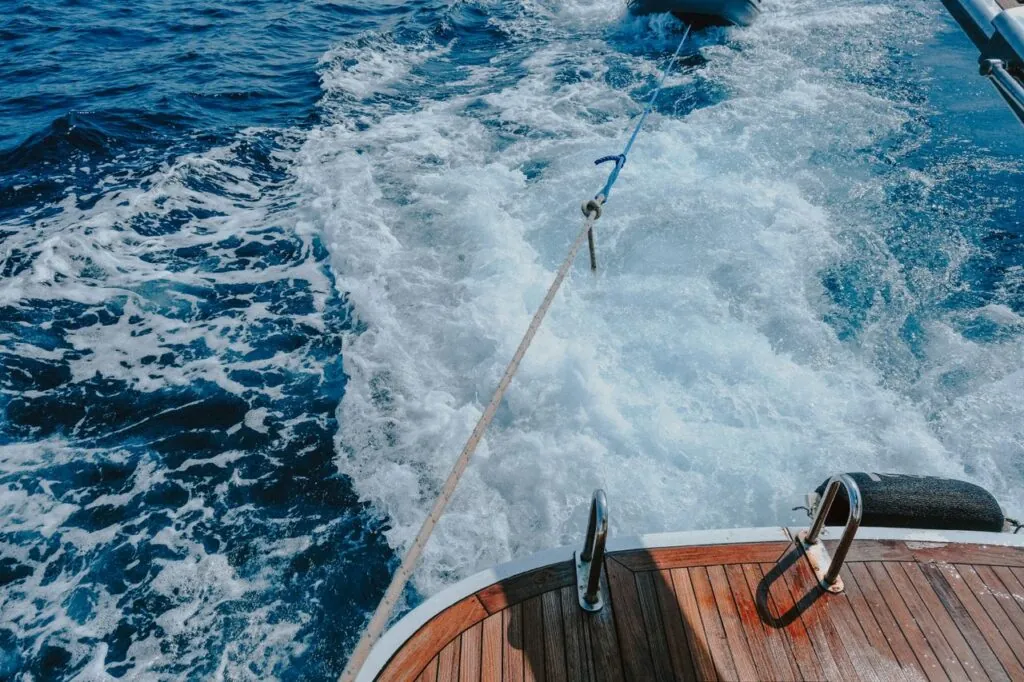
Practical Ways to Prevent Sea Sickness on Whale Watching Tours
A few simple precautions before and during your trip can help you feel more comfortable.
Eat a Light Meal Before Boarding
Avoid boarding on an empty stomach, but stay away from heavy, greasy, or spicy meals. Instead, choose something light, such as toast, crackers, or fruit, before heading out.
Choose the Right Seat
Where you sit can influence how much boat movement you feel. Consider these tips:
- Choose a seat near the middle of the boat, where movement is generally less noticeable.
- Stay on the open deck if weather conditions permit.
- Avoid spending too much time inside enclosed cabins.
Stay Hydrated
Drink enough water before and during the trip. Dehydration can make nausea feel worse, so carry a water bottle and take small sips throughout the excursion.
Keep Your Eyes on the Horizon
Looking at a fixed point on the horizon helps your brain better understand the boat’s movement. Avoid reading, scrolling through your phone, or looking down for extended periods.
Consider Motion-Sickness Medication
Over-the-counter motion sickness medications may help prevent symptoms. Some need to be taken before boarding to work effectively. Consult a healthcare professional about the right option.
Get Enough Rest Before the Trip
A poor night’s sleep can make seasickness harder to manage. Get adequate rest the night before and avoid excessive alcohol before your excursion. The same tips work on any boat trip, from a whale watching tour to an overnight Halong Bay cruise.

FAQs About Sea Sickness on Whale Watching Tours
1. Are morning whale watching tours better for sea sickness?
Not necessarily. Ocean conditions can change throughout the day, so morning departures for whale watching tours in Kailua-Kona are not automatically smoother. Ask the tour operator about typical sea conditions and departure options.
2. Does wearing one earplug stop seasickness?
Some people suggest wearing one earplug to reduce motion sickness, but there is limited scientific evidence supporting this method. Looking at the horizon and getting fresh air are more reliable approaches.
3. How long does seasickness last after a boat trip?
Sea sickness usually subsides within a few hours after getting off the boat. However, symptoms may last longer in some people, depending on their sensitivity to motion.
Running this blog takes a lot of coffee (and countless hours exploring every destination!). If you found this helpful and want to support more honest, detailed travel guides and itineraries, you can buy me a coffee. No pressure though – I’m just happy you’re here and hope you have an incredible adventure! 🙂

This post may contain affiliate links, meaning we may receive a commission at no extra cost if you purchase through a link. Please see our full disclosure for further information.
Check out my Instagram page or join the Truly Expat Facebook group.
Latest Articles
- How Can I Prevent Sea Sickness on a Whale Watching Tour?
- Is a Private Guided Tour Better Than a Group Tour for Exploring Australia After 60?
- Finding Your Own Kind of Adventure in Your 50s and Beyond
- How the Three C’s of Guest Experience Strengthen Customer Loyalty
- Should You Go Snowmobiling on a Full Stomach?