
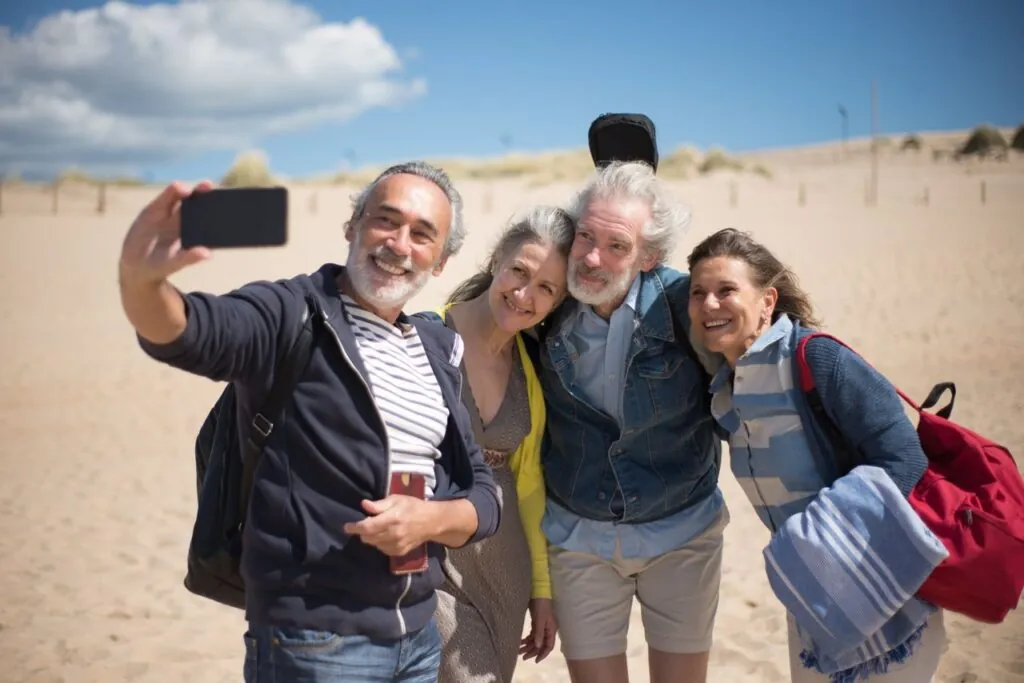
Travel has a funny way of turning adventure into a competition. The highest climb, the longest hike, the most remote destination, the activity that makes everyone back home say, “You actually did that?”
In This Guide
There is nothing wrong with loving those kinds of experiences. But adventure does not need to be measured by difficulty, and getting older does not mean choosing between pushing yourself to the limit and staying safely inside what you already know.
Sometimes adventure is simply doing something unfamiliar because it genuinely interests you.
Adventure Changes When You Stop Comparing It
The word “adventure” carries a lot of baggage. Travel marketing often pairs it with physical extremes, adrenaline, or dramatic landscapes that require serious effort to reach.
That can make perfectly interesting experiences seem somehow less adventurous by comparison.
One traveller might happily spend a week trekking at altitude. Another may feel a genuine sense of discovery navigating a new city alone, swimming somewhere unfamiliar, learning to cook a regional dish, or getting on a boat when they have always preferred solid ground.
None of these experiences needs to compete with the others.
After years of travelling, many people become better at recognising the difference between what sounds impressive and what they actually enjoy. That self-knowledge can be useful. You may still want challenges, but perhaps you are more selective about which ones deserve your energy.
And honestly, that can make travel more interesting rather than less.
You do not have to choose the hardest version
There is often more than one way to experience the same destination.
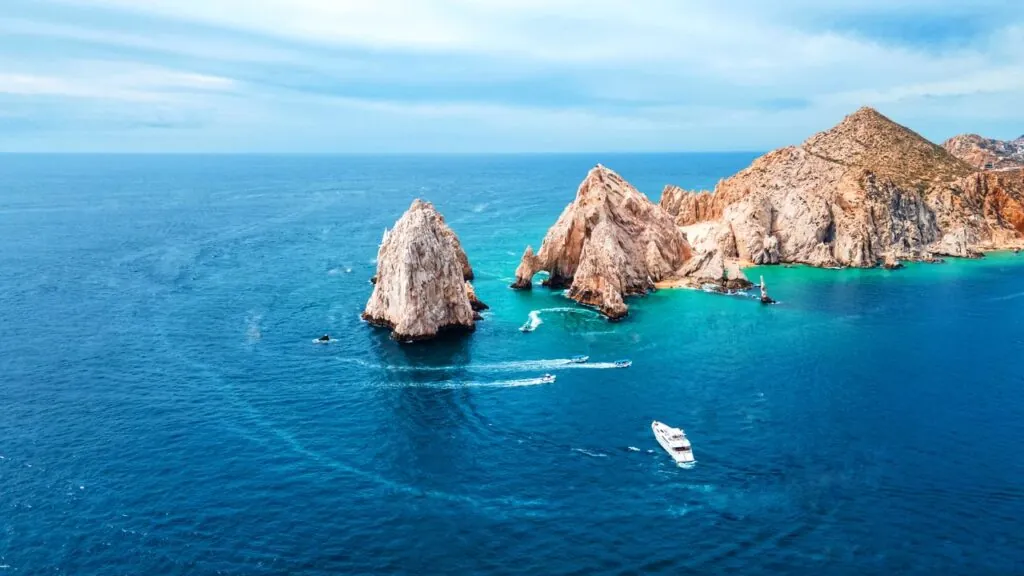
A mountain region might offer demanding multi-day treks alongside shorter walks and scenic routes. A coastal trip could include swimming, snorkelling, sailing, or simply spending time offshore and seeing the landscape from the water.
Choosing the less demanding option does not automatically make the experience less meaningful.
The goal is not to earn the trip. You already booked it. You are allowed to choose the version that fits your interests, energy, confidence, and the way you want the day to feel.
That can be especially helpful when travelling with a partner or friends. One person may want more activity while another prefers to take things slowly. Neither person needs to “win” the itinerary.
The better question is whether everyone has a way to enjoy the destination without feeling dragged into somebody else’s idea of adventure.
Ask What You Want From the Experience
Before booking something unfamiliar, it helps to move beyond asking whether you are capable of doing it.
Capability matters, of course, but so does desire.
Do you actually want to spend several hours doing this? Does the environment appeal to you? Would you prefer guidance or more independence? Are you excited by the activity itself, or mostly by the idea of saying you did it afterwards?
Interest is a better starting point than pressure.
It can also help to think about how active you want the day to be. Maybe you want something physically engaging after several quiet days. Perhaps the opposite is true, and you would rather choose an experience that still feels new without requiring your full energy from morning to evening.
There is no universally correct answer. The useful answer is the one that reflects how you want to travel now.

Comfort and curiosity can exist together
Comfort sometimes gets treated as the opposite of adventure, but the two work perfectly well together.
You can want clear logistics and still try something you have never done. You can prefer a smaller or more private setting while exploring somewhere completely unfamiliar. You can appreciate a comfortable hotel and still spend the next day outdoors doing something that makes you slightly nervous.
Curiosity does not require discomfort for its own sake.
In fact, removing unnecessary friction can make it easier to focus on the part that actually feels adventurous. If transport, timing, or group dynamics are causing more stress than the experience itself, that may be a sign to look for a different format rather than abandon the idea completely.
Travelling after 50 does not need to become more cautious by default, just as it does not need to become more ambitious to prove a point.
It can simply become more personal.
And sometimes the best adventures are the ones that give you several ways to participate, so trying something new does not have to mean doing it exactly like everyone else.
Look for Experiences With More Than One Way to Participate
One of the easiest ways to make an unfamiliar activity feel more approachable is to choose an experience that does not require everyone to participate in exactly the same way.
This matters especially when travelling with a partner or friends. One person may be ready to jump straight into the activity, while someone else wants to observe first, take photographs, or simply enjoy being somewhere new.
Different levels of participation can still belong to the same experience.
That flexibility can remove some of the unnecessary pressure around trying something unfamiliar. Nobody has to prove they are the most adventurous person in the group, and nobody needs to sit out simply because their preferred pace looks different.
The water does not have to be an all-or-nothing experience
Coastal travel is a useful example because being on the water can offer several ways to engage with the same setting.
In Cabo, one traveller might be excited about a private snorkeling experience with flexibility for different comfort levels, while someone else may be more interested in seeing the coastline, taking photos, or spending time offshore without making snorkelling the focus of the day. If you’re still deciding what to see and do there, our guide to exploring Cabo San Lucas is a good place to start.
The important part is understanding what the experience actually involves before booking it.
Trying something new should still feel like a choice.
That means asking practical questions rather than assuming everyone will want the same thing once they arrive. If getting into the water is important to you, make that part of the decision. If simply being out on the coast sounds more appealing, that matters too.
Adventure becomes much more enjoyable when participation is based on curiosity rather than expectation.
Research the Experience, Not Just the Destination
Knowing that you want to visit Cabo, Morocco, Japan, or anywhere else tells you surprisingly little about how you will actually spend your time there.
A destination can support dozens of very different travel styles.
Before booking an unfamiliar activity, look beyond the destination photos and read about what the experience involves. How long does it last? How active is it? Is equipment involved? Will you be part of a larger group or something smaller? What parts of the day require participation, and where is there more flexibility?
The details often determine whether an activity suits you.
Reviews can also be useful when read carefully. Instead of searching for proof that something is universally “amazing,” look for comments from travellers whose priorities resemble yours. Their experiences can reveal useful questions to ask, even if no review can guarantee exactly how your own day will go.
Local context can answer the questions a destination guide cannot
General travel guides are excellent for understanding a place, but they cannot always explain the practical details of a specific local experience.
This is where direct research becomes helpful. Travellers comparing private coastal activities in Los Cabos, for example, may come across local operators such as La Isla Cabo while looking at the different ways a day on the water can work. And if you’re still choosing a base, see our guide on where to stay in Los Cabos to find an area that suits your pace.
The point is not to find somebody who will make every decision for you. It is to get enough information to make your own decision comfortably.
Ask the questions that matter to you, even if they seem minor. Knowing what to expect can make the unfamiliar part feel exciting rather than unnecessarily stressful.

Let Your Definition of Adventure Keep Evolving
Travel preferences are not permanent personality traits.
You may have loved fast-paced group tours ten years ago and now prefer more independence. Perhaps you once avoided anything involving water and suddenly feel curious about snorkelling. Maybe comfort matters more than it used to, while your interest in unfamiliar experiences has actually grown.
There is no contradiction there.
Experience often makes travellers more selective, not less adventurous.
The more you travel, the easier it becomes to recognise which challenges feel worthwhile and which ones simply drain energy you would rather spend elsewhere.
You are allowed to enjoy the version that suits you
There is no prize for choosing the hardest option.
Adventure can be a demanding trek, but it can also be taking the first solo trip you have considered for years, getting into unfamiliar water, learning something new, or choosing a destination that once felt outside your comfort zone.
What matters is that the experience belongs to you.
Travel after 50 does not need to look quieter, safer, bolder, or more ambitious than travel at any other age. It can simply reflect what interests you now.
And perhaps that is the most useful definition of adventure: something unfamiliar that you genuinely want to experience, approached on terms that allow you to enjoy it rather than prove something by doing it.
Running this blog takes a lot of coffee (and countless hours exploring every destination!). If you found this helpful and want to support more honest, detailed travel guides and itineraries, you can buy me a coffee. No pressure though – I’m just happy you’re here and hope you have an incredible adventure! 🙂

This post may contain affiliate links, meaning we may receive a commission at no extra cost if you purchase through a link. Please see our full disclosure for further information.
Check out my Instagram page or join the Truly Expat Facebook group.
Latest Articles
- How Can I Prevent Sea Sickness on a Whale Watching Tour?
- Is a Private Guided Tour Better Than a Group Tour for Exploring Australia After 60?
- Finding Your Own Kind of Adventure in Your 50s and Beyond
- How the Three C’s of Guest Experience Strengthen Customer Loyalty
- Should You Go Snowmobiling on a Full Stomach?