Travelling abroad looks very different from how it did a generation ago. Better transport links, digital tools and a flood of information have made far-flung places much easier to reach. Package holidays and crowded tourist hotspots are no longer the only options on the table. Plenty of travellers now prefer building their own routes, seeking out local culture and getting a feel for daily life in another country. A couple in Manchester can plan a fortnight in rural Portugal from the sofa in a single evening.
As travel opens up, visitors’ expectations are shifting too. Today’s travellers place a high value on flexibility, memorable experiences and sensible planning when choosing where to go and how to get there.
The Growing Popularity of Independent Travel
In This Guide
Going it alone has never been more popular. Instead of sticking to a rigid tour timetable, many visitors now shape their trips around their own interests, budgets and the time they have.
Booking sites, blogs and online guides have made solo planning far less daunting. Before setting off, travellers can compare places to stay, work out local transport, find good places to eat and pick the sights they most want to see. A quick search can turn up a family-run guesthouse that no brochure ever mentioned.
That freedom also opens doors to quieter corners of the world. Rather than sticking only to big cities, some travellers weave small towns, fishing villages and countryside stops into their plans. A detour to a hilltop village in Tuscany can end up being the highlight of the whole holiday.
Technology Has Made Travel Planning Easier
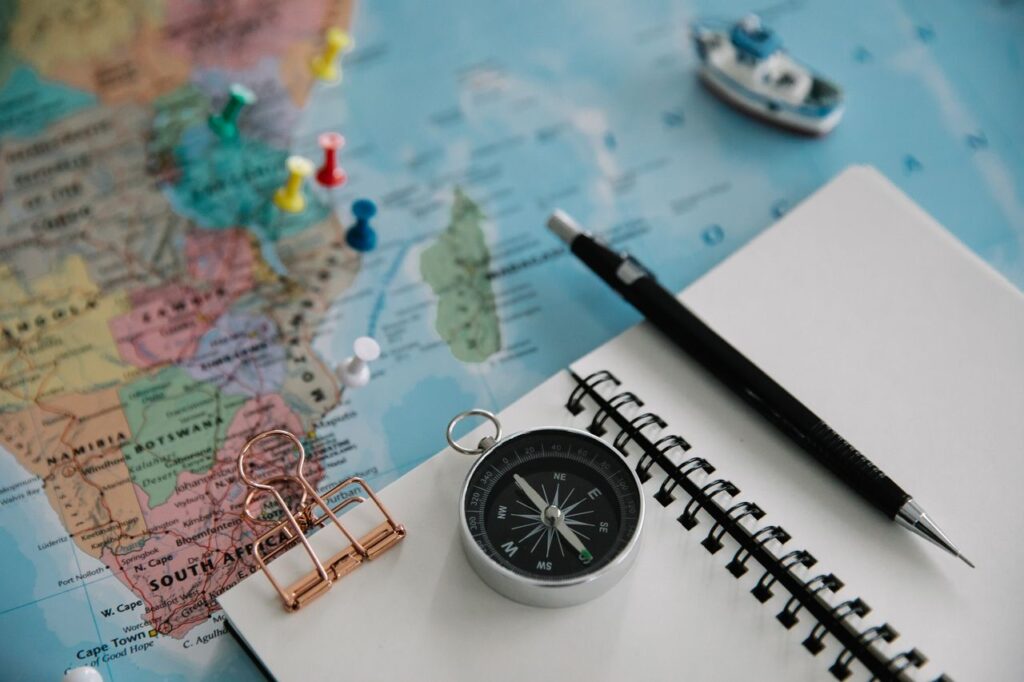
Phones have become the modern traveller’s best companion. They offer maps, translation apps, booking tools and live updates on trains and buses. Those tools can make a strange city feel far less intimidating. Ordering dinner in Tokyo is much easier with a translation app pointed at the menu.
Online platforms also let people size up a destination through reviews, photos and first-hand stories from earlier visitors. That insight helps travellers make sensible choices about where to stay, what to do and how to get around. A dozen honest reviews can steer a family away from a hotel next to a building site.
Technology still can’t do all the work, though. Key details such as visa rules, entry requirements, travel insurance and local safety advice are best checked with official, trustworthy sources.
Cultural Experiences Are Becoming More Important
Sightseeing alone no longer satisfies many travellers. More and more people hope to grasp the customs, cooking and way of life of the places they visit.
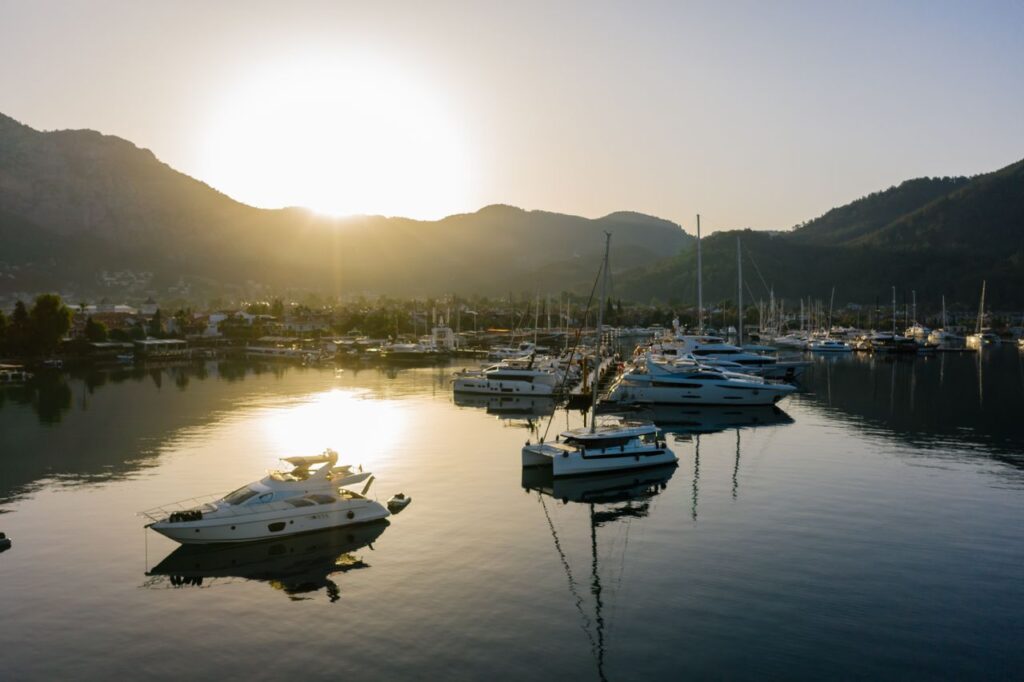
Local markets, cookery classes, historic quarters, museums and festivals all reveal a destination beyond its famous landmarks. Coastal spots can also offer time on the water, from snorkelling trips to sailing. For example, a private yacht experience for travellers who want adventure with more personal space can offer a fresh way to take in the coastline while enjoying extra freedom and privacy. Watching the sun set over a quiet bay without a crowd elbowing for the best view is a memory that lasts.
Showing respect goes a long way. Picking up a few local words, dressing appropriately and following the rules on photography all help visitors and residents feel at ease with each other. A word of thanks in the local language often earns a warm smile.
The Influence of International Communities
People move around the world more than ever, and many destinations now have thriving international communities. Expats, overseas students, remote workers and long-stay travellers often build up a wealth of local knowledge.
They can share practical tips on getting around, which neighbourhoods to explore, local etiquette and handy services. That kind of advice is especially useful for visitors keen to see how a place really works away from the tourist trail. A remote worker in Lisbon might know the one café where locals actually eat breakfast.
Travel magazines and online forums make those viewpoints easy to find. Hearing from people who know a place well helps travellers set realistic expectations before booking anything.
Sustainable Tourism and Responsible Decisions
Tourism’s growth brings real responsibilities. Caring for the environment and for local communities now sits high on many travellers’ minds.
Flights, hotels, transport and activities can all add to the strain on the planet. Choosing trains or buses where possible, spending money with local businesses, cutting down on waste and treating protected areas with care all make a difference. A refillable water bottle in a hot climate saves dozens of plastic bottles over a week.
In busy destinations such as Cancún, visitors can also look into smaller tours and excursions run by local people. Private experiences with Cancún operators such as Moana may suit travellers who want to see the area through more tailored arrangements. Weighing up what each activity involves, how safety is handled, its environmental impact and what’s included helps visitors choose wisely. If you’re still deciding how to base yourself in the region, our guide on choosing between a cruise or a resort for a family Caribbean holiday weighs up the pros and cons of each.
Responsible travel also means thinking about the people who live there. Following conservation rules, giving wildlife plenty of space and avoiding activities that exploit people or animals all matter. A dolphin seen in the wild beats any captive show.
Travel Is Becoming More Personalised
One-size-fits-all holidays are fading. More and more people now pick destinations and activities that match their own passions instead of following the same well-worn plan as everyone else.
Some travellers put food and culture first, while others chase hiking trails, striking buildings, spa breaks or historic sites. Families often need easy transport and child-friendly places to stay, whereas solo travellers may care most about accessibility and loose schedules. A couple of foodies might plan an entire trip around one famous street market. And if you’re over 50, it’s worth remembering that adventure after 50 doesn’t have to look like anyone else’s version of adventure – it can be shaped entirely around you.
That variety has pushed tour firms and local experts towards more tailor-made trips. It has also made careful research a vital part of planning.
The Importance of Practical Preparation
Easier travel doesn’t mean less homework. Checking that passports are valid, visas are sorted and entry rules are understood well before departure remains essential. Plenty of trips have stalled at the check-in desk over a passport that expires too soon.
Getting to grips with the local weather, currency, transport and healthcare can also head off avoidable headaches. Travel insurance may offer extra protection against surprise medical bills, cancellations or disruption, depending on the policy. A sprained ankle on a mountain path is far less stressful with the right cover in place.
Building some slack into the itinerary pays off too. Delays, bad weather and unexpected opportunities can all reshape a trip, so leaving room to adapt usually makes for a calmer journey.
Conclusion
International travel keeps evolving as technology, cultural curiosity and global mobility shape how people discover new places. Today’s travellers have more information at their fingertips and more chances to create trips that truly reflect who they are.
From self-planned routes and cultural experiences to responsible choices and careful preparation, a good trip abroad involves far more than ticking off famous sights. It’s about understanding new surroundings, respecting the people who live there and meeting the unfamiliar with an open mind.
As these trends grow, trips abroad look set to become even more flexible, personal and focused on experiences, giving people richer ways to see the world. The map can show the way. Only the traveller can turn the journey into a story worth telling.
Running this blog takes a lot of coffee (and countless hours exploring every destination!). If you found this helpful and want to support more honest, detailed travel guides and itineraries, you can buy me a coffee. No pressure though – I’m just happy you’re here and hope you have an incredible adventure! 🙂

This post may contain affiliate links, meaning we may receive a commission at no extra cost if you purchase through a link. Please see our full disclosure for further information.
Check out my Instagram page or join the Truly Expat Facebook group.
Latest Posts
- How International Travel Is Changing the Way People Explore New Destinations
- Adventure After 50 Does Not Have to Look Like Anyone Else’s Version of Adventure
- Cruise or Resort? How To Choose for a Family Caribbean Holiday
- Authentic Cave Houses (yposkafa) vs. Modern Villas in Santorini: A Comparative Analysis of Microclimate and Comfort
- Where to Stay in Budapest Before a Danube River Cruise