Busan is the kind of city that sneaks up on you. You fly in expecting a pleasant stopover between Seoul and the airport, and you leave wondering why you didn’t plan more time. South Korea’s second city has beaches, mountains, seafood markets, ancient temples and some of the most colourful street art in Asia — all packed into a surprisingly walkable, incredibly affordable city. Here’s what’s genuinely worth your time.
Quick answer: The absolute must-dos in Busan are Gamcheon Culture Village, Jagalchi Fish Market, Haedong Yonggungsa Temple and Haeundae Beach. But stay for the rest — there’s far more here than most itineraries give credit for.
🏨 “Search the best hotels in Busan for your dates”
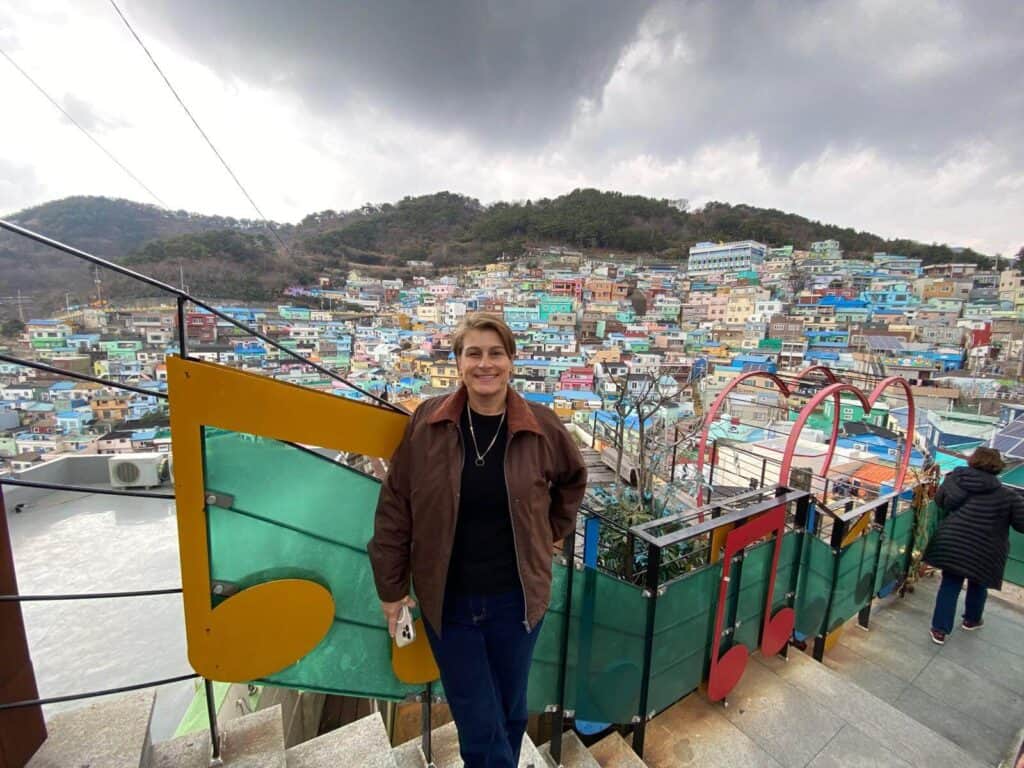
1. Get Lost in Gamcheon Culture Village — Busan’s Rainbow Hillside
This is the one you’ve probably seen on Instagram, and it does look exactly like the photos — which is saying something. Gamcheon is a hillside neighbourhood of pastel-coloured houses that was originally built by a religious community in the 1950s. Today it’s full of small art installations, independent cafés, quirky murals and tiny alleyways that go nowhere and everywhere at once. Go early to avoid the crowds. A basic map is available at the entrance for a small fee — get it, it’s worth it.
🎟️ Tours: Book a Gamcheon Village + Busan highlights guided tour
2. Wake Up Early for Jagalchi Fish Market — Korea’s Biggest Seafood Market
Jagalchi is not a tourist attraction, it’s a working market, and that’s exactly what makes it wonderful. Rows of stalls piled with live creatures you may or may not be able to identify, vendors who have been here since before sunrise, and the most extraordinary array of fresh seafood in Korea. Head upstairs to the indoor section for a sit-down meal. Order the hoe (raw fish platter) — you won’t regret it.
3. Visit Haedong Yonggungsa Temple — A Buddhist Temple on the Sea
Most Korean temples sit in mountain forests. This one clings to dramatic coastal cliffs overlooking the East Sea, and it is genuinely one of the most beautiful things I’ve seen in all of Korea. The approach via the staircase along the cliff edge is spectacular. Go early morning for the best light and far fewer people.
🎟️ Day Tours: Busan city highlights day tour including Haedong Yonggungsa and Gamcheon
4. Walk Across Gwangan Bridge at Night — Busan’s Most Dramatic View
The Diamond Bridge at night is Busan’s signature photograph. It’s lit up in colour-shifting lights that reflect across Gwangalli Beach, and the whole scene is just spectacular. Take a stroll along Gwangalli Beach in the evening — the vibe is relaxed, there are beach bars and food stalls, and the view of the bridge doesn’t cost a thing.
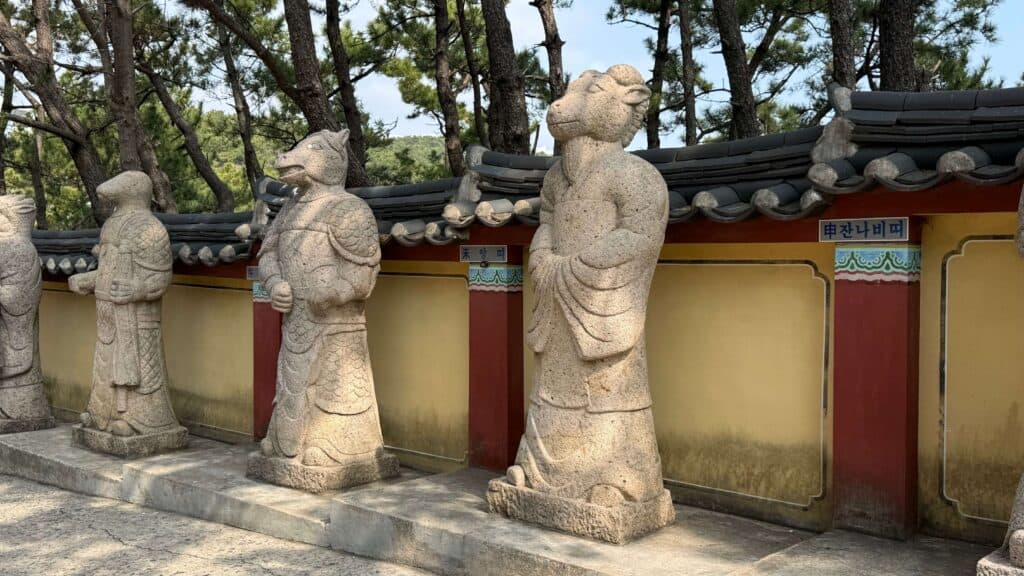
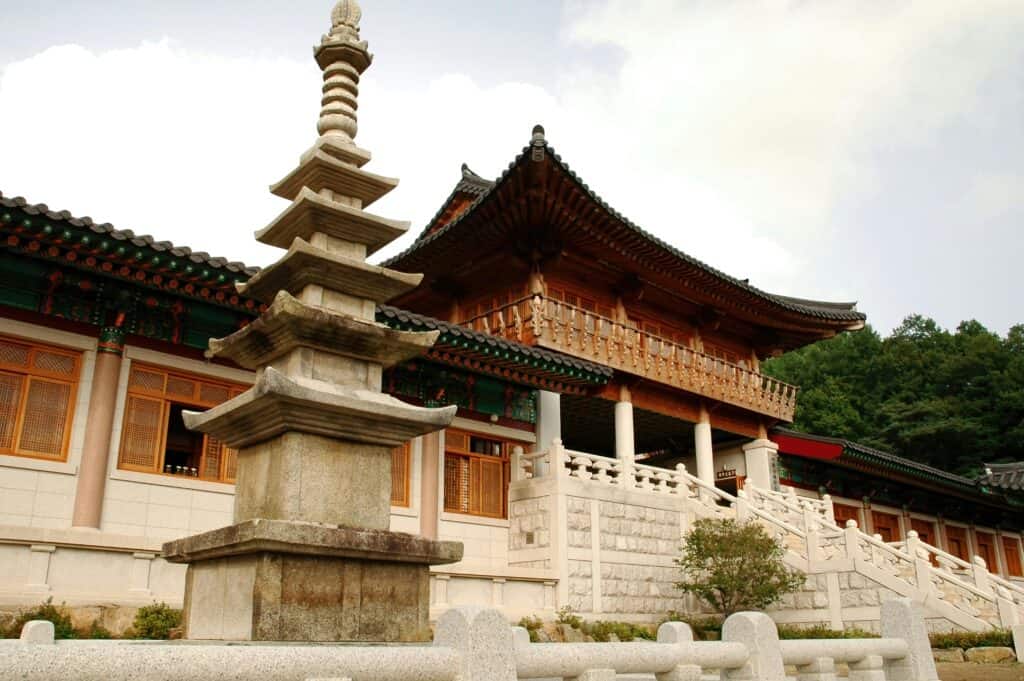
5. Spend a Morning at Beomeosa Temple — Old Korea Without the Tourist Crowds
If Haedong is Busan’s photogenic coastal temple, Beomeosa is its soul. One of the oldest Buddhist temples in Korea, built in 678 AD, it sits in the mountains north of the city and feels genuinely removed from the pace of modern Busan. Take the subway and walk the forested path up — it’s part of the experience.
6. Hit Haeundae Beach — More Than Just a Pretty Shoreline
Haeundae is Busan’s most famous beach and in summer it is absolutely packed. But outside peak season it’s a lovely stretch of sand with good cafés, great seafood restaurants and a high-end hotel strip behind it. The nearby BIFF Square — named for the Busan International Film Festival — is worth a wander. And the local market just back from the beach is excellent for street food.
🏨 Haeundae Hotels: Browse beachfront hotels in Haeundae, Busan
7. Take the Songdo Cable Car for Views Over the Bay
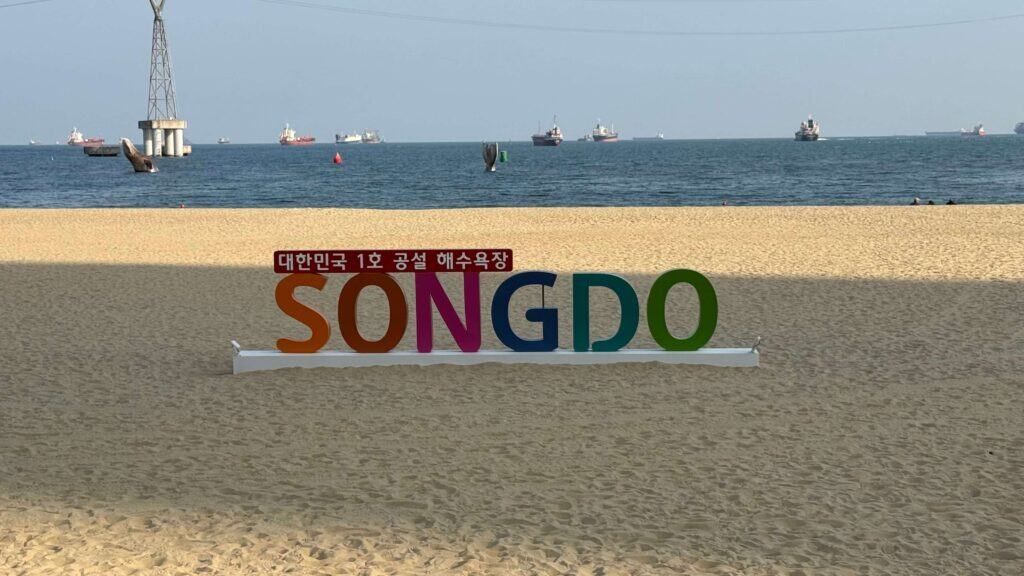
Opened fairly recently, the Songdo Sky Capsule runs over the sea along the Songdo Coastal Walking Path, giving you extraordinary views back over Busan and the bay. There’s also a cable car that crosses the water. It’s not expensive, it’s not crowded on weekdays, and the views from the capsule are excellent.
8. Eat Your Way Through Gukje Market — Busan’s Best Street Food Neighbourhood
Right next to Jagalchi, Gukje (International) Market is a sprawling covered market with food stalls at every turn. Look for ssiat hotteok — a warm, sesame and seed-filled pancake that is one of the best things you’ll eat in Korea — and the bindaetteok (mung bean pancakes). It’s casual, local and utterly delicious.
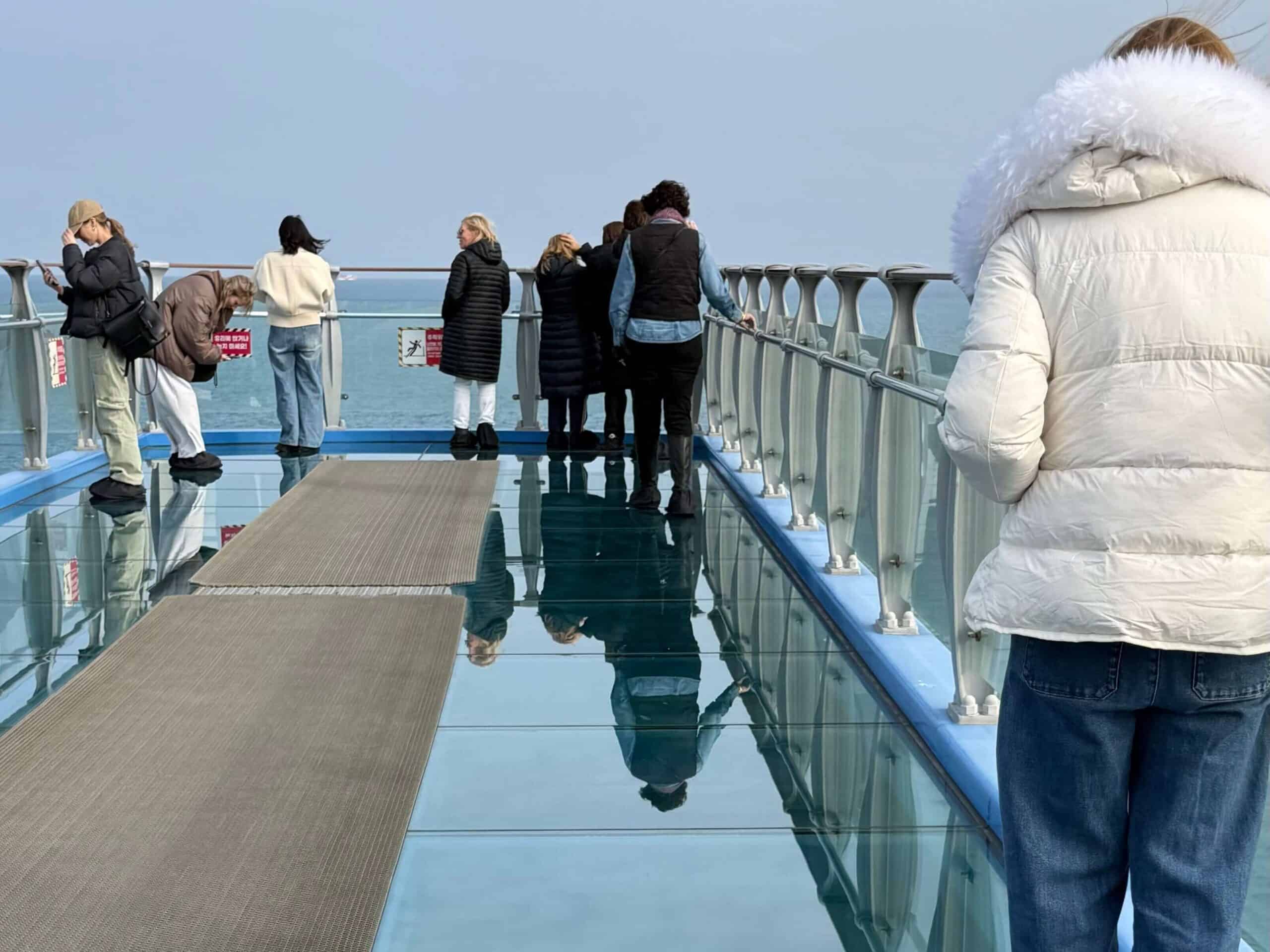
9. Busan Skywalk — Walk on Glass Above the East Sea
The Oryukdo Skywalk is one of those experiences that sounds simple on paper and stops you completely in person. A glass-floored walkway extends out over the cliffs above the East Sea, with nothing beneath your feet but a very long drop to the waves. It’s free to visit, which makes it one of the best value experiences in the city. Slip plastic covers go over your shoes at the entrance — a practical touch that does nothing to reduce the drama of stepping out over the edge. Go late afternoon for the best light and a quieter crowd.
10. Busan Tower — The Best View in the City (and It’s Free After Dark)
Busan Tower sits at the top of Yongdusan Park in the heart of the city and gives you one of the best panoramic views of the harbour, the bridges and the surrounding hills. The observation deck is worth it at any time of day, but come at dusk and stay for the lights — the view over the port and across to the islands as the sun goes down is genuinely spectacular. The park itself is pleasant to wander through, with locals doing exactly what locals do in Korean parks — sitting, snacking, taking photographs of the resident pigeons with inexplicable enthusiasm. It’s a calm, unhurried spot right in the middle of a very busy city.

5 Frequently Asked Questions About Things to Do in Busan
How many days do you need in Busan to see everything?
Three days is a comfortable minimum to cover the highlights without rushing. Five days lets you go deeper — add day trips to nearby Tongyeong or explore the outer islands. If you only have two full days, prioritise Gamcheon, Jagalchi, Haedong Temple and Gwangalli Beach.
Is Busan walkable, or do you need taxis to get around?
Busan is best navigated by a combination of subway and occasional taxi. The metro is clean, cheap and covers most of the major sights. Taxis are affordable when you need them. Walking between districts isn’t really practical — the city is spread across valleys and hills. Download Kakao Maps before you arrive.
Is Busan expensive compared to Seoul?
Generally, Busan is slightly cheaper than Seoul, particularly for food and accommodation. Seafood at the markets is extraordinary value. Budget travellers can eat extremely well for under 15,000 won per meal. Accommodation in mid-range hotels runs from about 60,000–120,000 won per night depending on location and season.
What is Busan best known for?
Busan is best known for its beaches (particularly Haeundae), its seafood and fish markets (Jagalchi being the largest in Korea), the Busan International Film Festival, Gamcheon Culture Village, and coastal temples. It’s also Korea’s major port city, which gives it a different, grittier energy to Seoul.
What’s the best time of year to visit Busan?
Spring (April–June) and autumn (September–November) are the best times. Summers are hot and humid with beach crowds at peak in July and August. Winters are cold but manageable, and the city is far quieter — you’ll have the temples and markets largely to yourself.
Ready to Book? Here’s Your Next Step
Busan really doesn’t need much convincing. Book your flights, give yourself at least three nights, and let the city do the rest. If you’re combining it with Seoul, the KTX high-speed train makes the 2.5-hour journey between the two cities very easy — and very affordable if you book in advance.
🚆 Transport: Book your Seoul–Busan KTX train tickets
✈️ Flights: Find the best flights to Busan
Pin It For Later
Latest Posts
- What 16 Hours to Vancouver Does to Your Skin
- Nar Phu Trek and Annapurna Circuit Trek: Two Himalayan Routes, One Deeper Journey
- A Guide to Himalayan Adventures in Nepal: Trekking, Helicopter Tours and Peak Climbing
- Annapurna Circuit Trek: What to Expect?
- Choosing Your Himalayan Adventure in Nepal: From Remote Treks to Peak Expeditions
Follow along on Instagram where I share real-time travel updates, behind-the-scenes moments and travel tips and recommendations.
Join the Truly Expat Facebook community — a supportive space for travellers to ask questions, share tips, and connect before trips.
Affiliate Disclosure: This post contains affiliate links. If you book through them, I may earn a small commission at no extra cost to you — this helps me keep creating free, detailed travel guides. I only recommend services and products I genuinely use and trust after years of travel across Asia.
Running this blog takes a lot of coffee (and countless hours exploring every destination!). If you found this helpful and want to support more honest, detailed travel guides and itineraries, you can buy me a coffee. No pressure though – I’m just happy you’re here and hope you have an incredible adventure! 🙂