Seoul is one of those cities that sounds overwhelming on paper — enormous, fast-paced, written in a script you can’t read — but the moment you arrive, something clicks. The public transport is one of the best in the world, the food is extraordinary, the history runs deep, and the people you meet along the way makes it all feel very manageable. Having spent years living and travelling across Asia, I can tell you: Seoul belongs on your list, and five days is just enough to fall properly in love with it. Here’s exactly how I’d spend them.
Powered by GetYourGuide
Before You Go: The Practical Bits
Table of Contents
Getting in: Most visitors from the UK, Australia, US, Canada, Singapore, and most of Europe are currently exempt from the K-ETA (Korea Electronic Travel Authorisation) requirement until 31 December 2026 — meaning you can enter visa-free for up to 90 days with just your passport. You will, however, need to complete the e-Arrival Card online up to 72 hours before landing — it’s free, takes five minutes, and is done at e-arrivalcard.go.kr. Do this before you fly; it speeds things up at immigration.
Note: From January 2027, the K-ETA will likely be required again. If you’re travelling after that date, check the latest requirements before booking.
Getting around: Get a T-Money card at the airport or any convenience store. It works on the subway, buses, and even some taxis. The Seoul Metro is clean, safe, English-friendly, and genuinely one of the easiest ways to move around a major city anywhere in Asia.
Money: Korean Won (KRW). Cash is still useful — some smaller restaurants and market stalls are cash only. Most major places accept cards. ATMs are everywhere.
When to go: Spring (March–May) for cherry blossoms; autumn (September–November) for golden foliage and cooler days. Summer is hot and humid. Winter is cold but atmospheric.
Day 1: Gyeongbokgung Palace, Bukchon Hanok Village & Insadong
Welcome to Seoul — and 600 years of history before lunch.
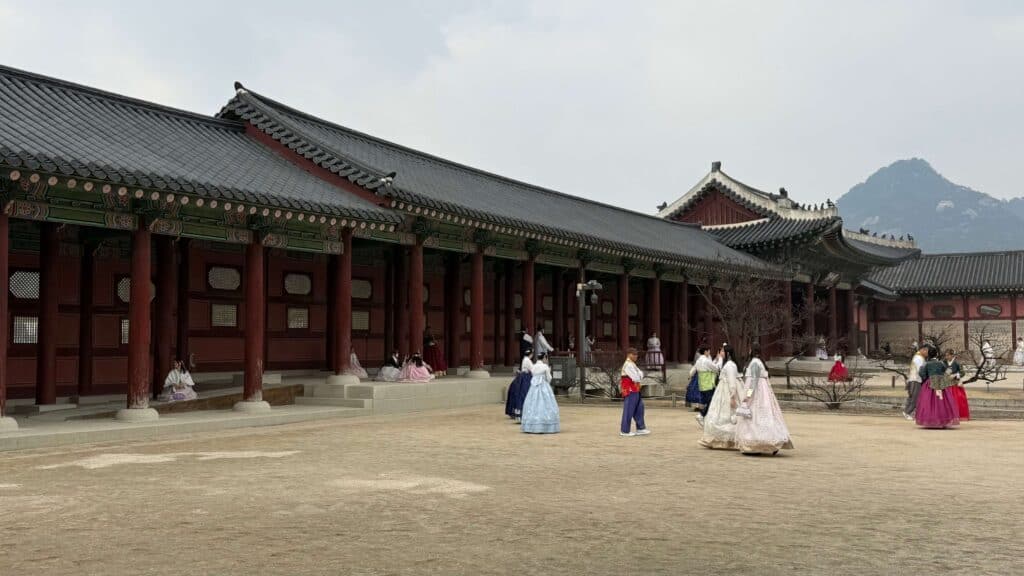
Start at Gyeongbokgung Palace — the largest and most impressive of Seoul’s five grand royal palaces, dating back to 1395. Arrive before 10am to catch the Changing of the Royal Guard ceremony (free, held at 10am and 2pm daily). If you want to hire a hanbok (traditional Korean dress) to wear around the palace, you’ll get free entry — and it makes for genuinely lovely photos. Hanbok rental shops line the streets outside the main gate.
Allow at least two hours here. The grounds are enormous and the architecture is stunning against the backdrop of Bugaksan Mountain.
From there, walk up to Bukchon Hanok Village — a hillside neighbourhood of beautifully preserved traditional Korean houses (hanok) still used as homes and guesthouses today. It’s hilly and the alleys are narrow, so take it slowly. Early morning or late afternoon light is the most beautiful here.
End your afternoon in Insadong — a neighbourhood of art galleries, tea houses, traditional craft shops, and excellent street food. It’s relaxed, walkable, and a lovely introduction to a quieter side of Seoul. Stop for a proper sit-down tea ceremony if you can.
Evening: Gwanghwamun & Cheonggyecheon Stream
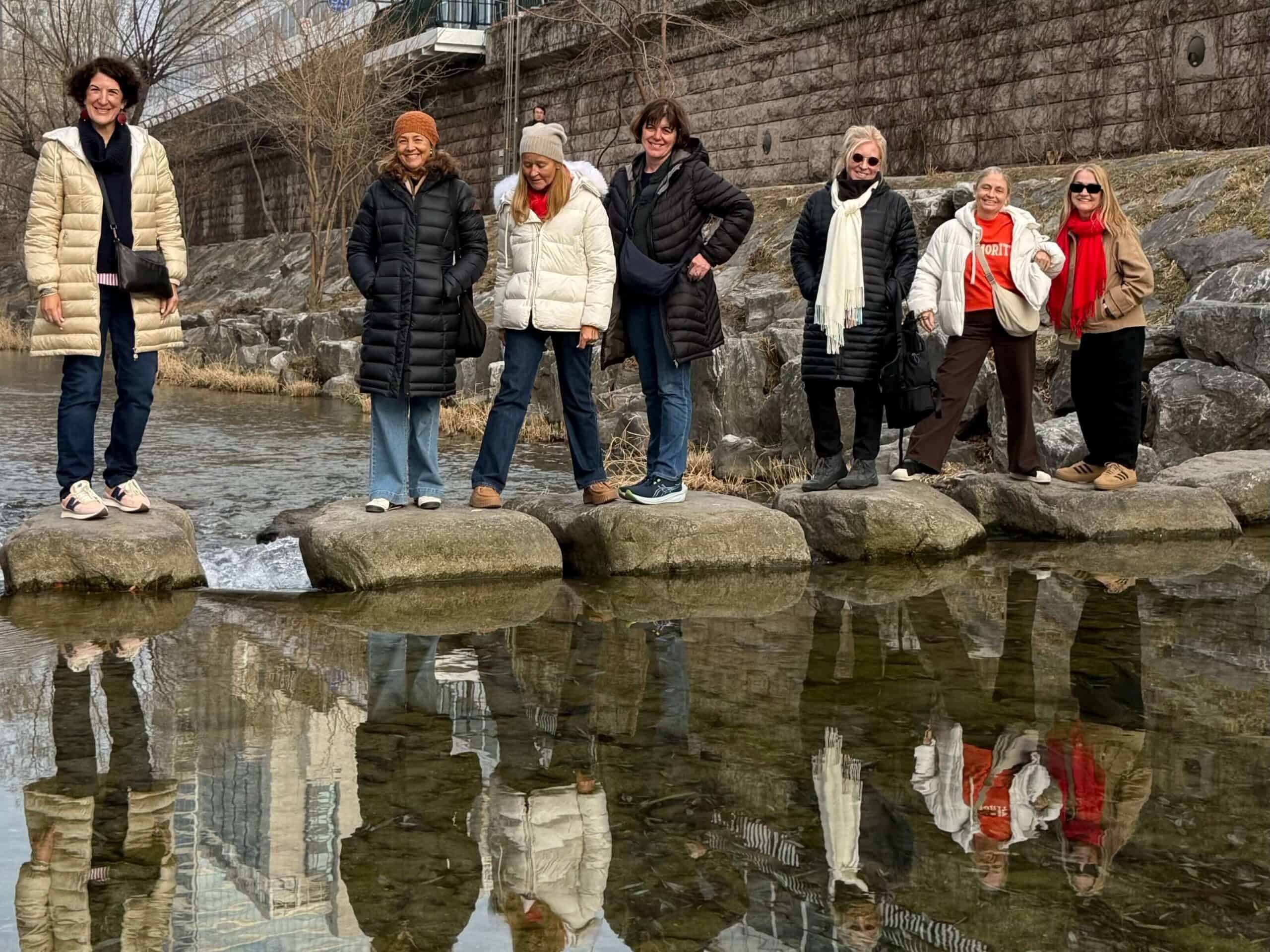
As the sun goes down, wander along the Cheonggyecheon Stream — a beautifully restored urban waterway running through central Seoul. It’s lit up at night and surrounded by locals taking evening walks. A perfect, easy way to end your first day.
Day 2: Markets, Street Food & Myeongdong
The day Seoul feeds you — and feeds you well.
Start at Gwangjang Market — one of Seoul’s oldest and most beloved traditional markets. Forget the tourist-facing sections and head straight to the food hall. For breakfast, try bindaetteok (mung bean pancakes), mayak gimbap (tiny addictive seaweed rice rolls), or pajeon (scallion pancakes). The vendors here have been doing this for decades and the quality is extraordinary.
After the market, take the subway to Myeongdong — Seoul’s most famous shopping district. Yes, it’s busy and yes, it’s touristy, but it’s also one of the best places in the world to stock up on Korean skincare and beauty products. Innisfree, Sulwhasoo, Laneige, Dr. Jart — they’re all here, often with staff who’ll give you samples and help you find the right products. Even if you’re not a skincare devotee, it’s fascinating just to walk through.
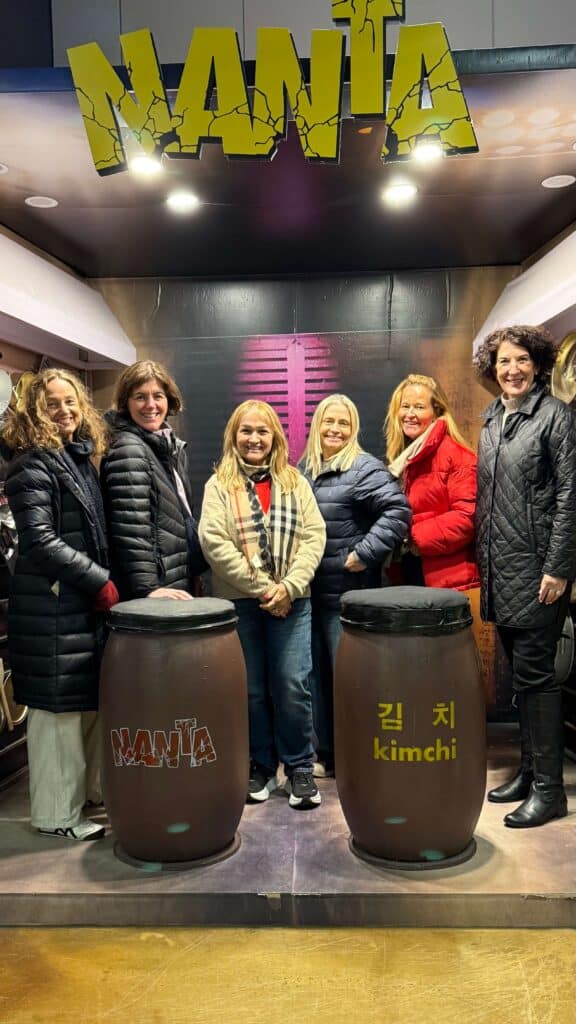
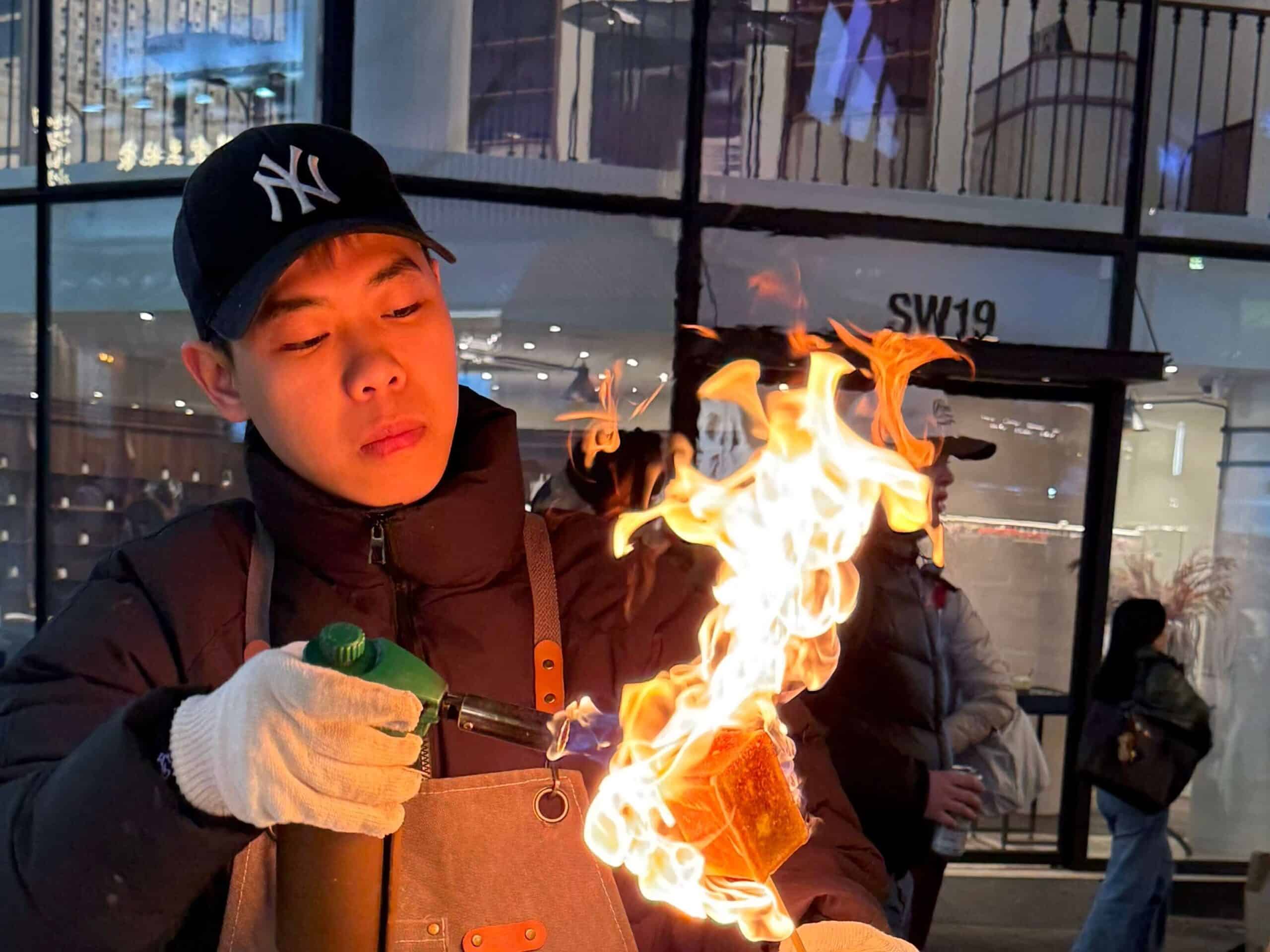
Myeongdong Night Market kicks off in the early evening along the main street — tteokbokki (spicy rice cakes), hotteok (sweet pancakes filled with brown sugar), and tornado potatoes, all eaten standing up on the street. This is exactly where you should be at dusk on Day 2. Finish the day with the Nanta show, its an iconic show has been running for years, book your ticket online and ensure you arrive around 40 minutes before the show starts.
Day 3: The DMZ — The Most Thought-Provoking Day of Your Trip
History you can’t learn from a book.
Set your alarm early. Today is your DMZ day, and it is unlike anything else you’ll do in Seoul — or anywhere else, for that matter.
The Demilitarised Zone (DMZ) is the 4km-wide buffer strip that has divided the Korean peninsula since the armistice of 1953. Standing at the border between South and North Korea, looking across at one of the world’s most closed countries just metres away, is an experience that stays with you. It’s sobering, fascinating, and genuinely unlike anything you’ll encounter as a traveller.
A guided tour from Seoul is by far the best and easiest way to do this — it’s a restricted military area and independent access is not permitted. Most tours depart early from central Seoul (usually around 7–8am) and return by early evening, making it a comfortable full day.
What You’ll See
The Joint Security Area (JSA) — also known as Panmunjom — is the only point along the DMZ where North and South Korean soldiers stand face to face. The blue UN conference buildings straddle the border, and you’ll have the surreal experience of stepping briefly into the northern side of one of those buildings. It is, genuinely, one of the strangest and most memorable moments available to any traveller.
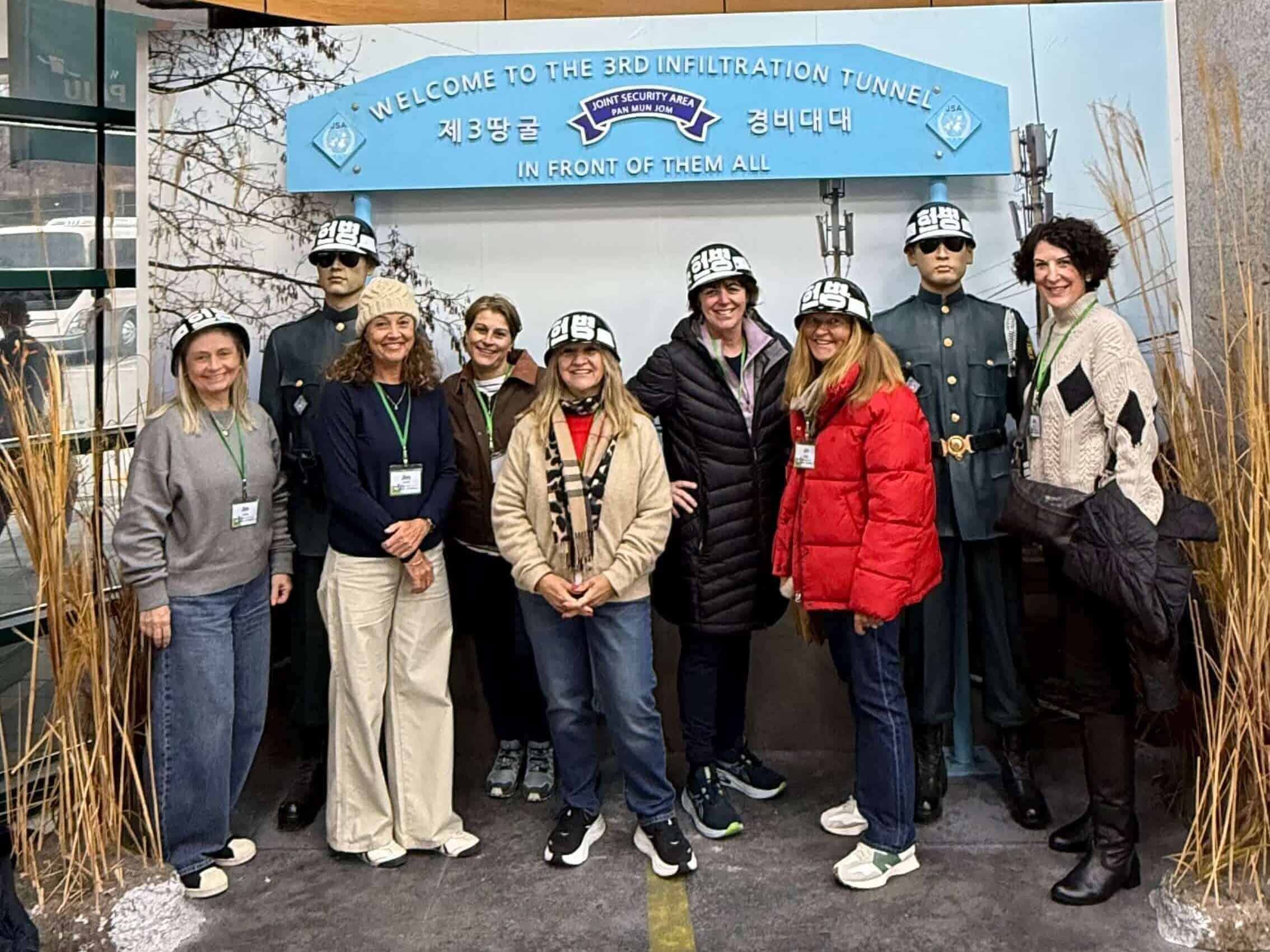
The 3rd Infiltration Tunnel is a tunnel discovered in 1978, dug by North Korea heading south under the DMZ. You descend into it wearing a hard hat — it’s low, narrow, and very real. A quiet reminder of just how close conflict still sits beneath the surface here.
Dora Observatory offers a panoramic view across the border into North Korea — binoculars available — where you can see the city of Kaesong and the famous Propaganda Village (known locally as Peace Village, though no one actually lives there). It’s an eerie, unforgettable view.
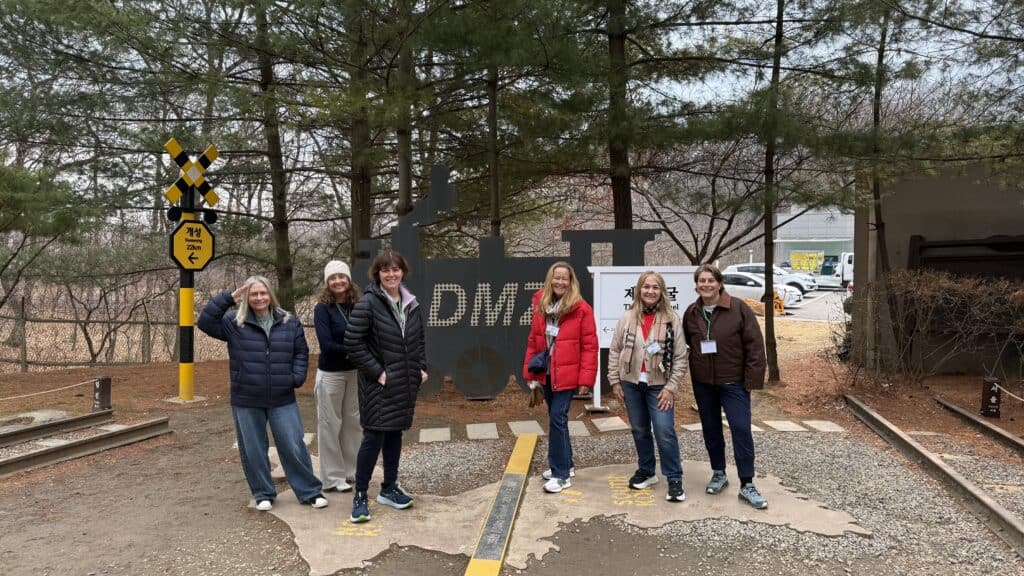
Dorasan Station — the last train station on the South Korean side of the border, built in hope of eventual reunification. Trains haven’t run north from here since 2008. The ticket hall still sells souvenir tickets stamped “To Pyongyang.” It’s the kind of detail that makes you feel the weight of the whole situation.
Practical Notes
Tours depart from various points in central Seoul — many include hotel pick-up from Myeongdong or nearby. Dress conservatively (no shorts, no sleeveless tops — this is a military area with dress codes enforced). Bring your passport — it is required for entry. Photography rules are strict and vary by location; follow your guide’s instructions carefully.
Note that access to the JSA specifically can sometimes be restricted at short notice due to political or security situations. This is rare but worth knowing — your tour operator will advise if there are any changes.
Evening: Itaewon & Dinner at Vatos Urban Tacos
After a day that heavy, you want good food and good company — and Itaewon delivers both. Seoul’s most international neighbourhood is a short taxi or subway ride from most DMZ tour drop-off points, and the perfect place to decompress.
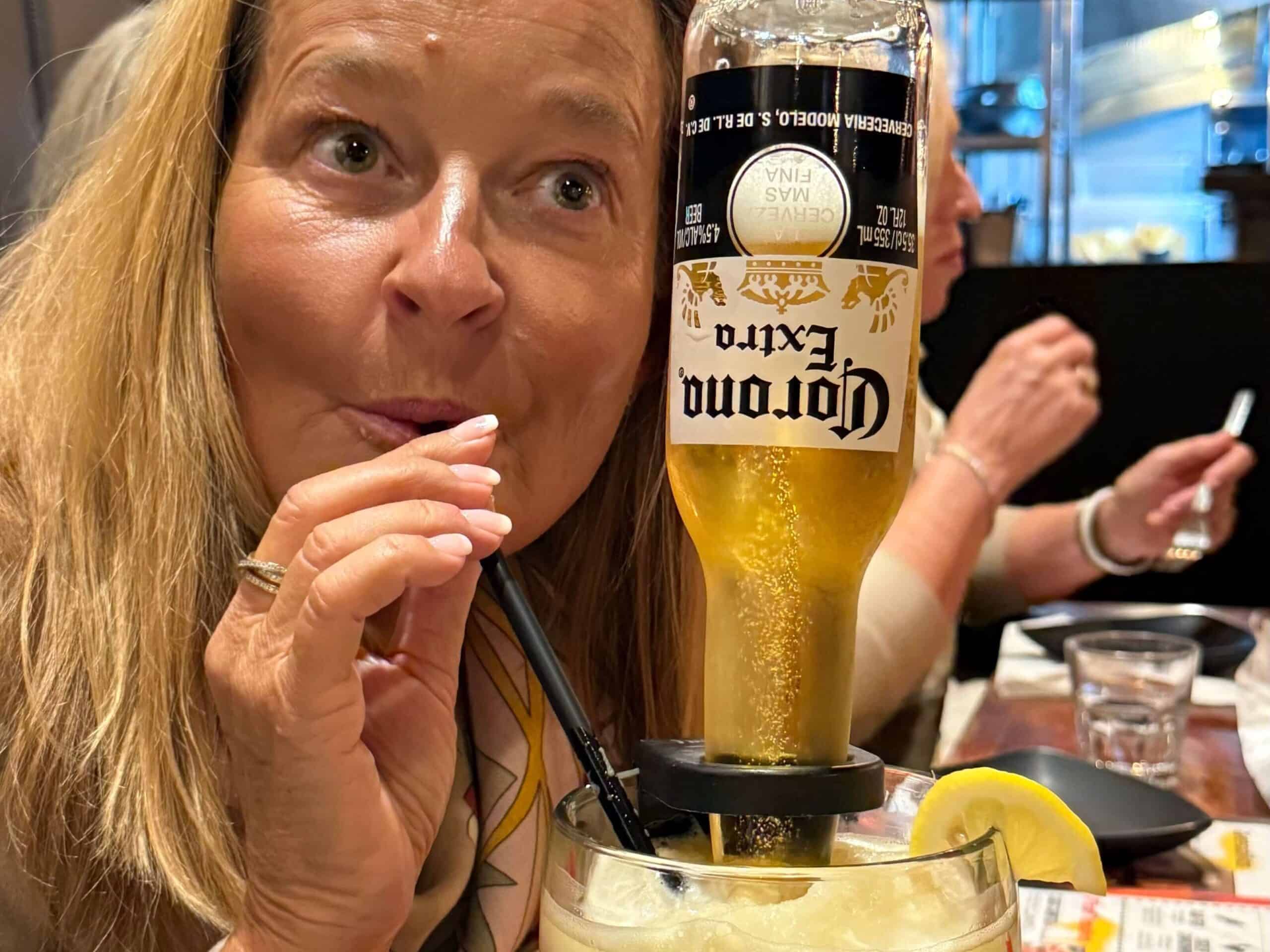
Head to Vatos Urban Tacos on Itaewon-ro 15-gil — a Seoul institution founded by Korean-Americans from California and Texas, and always packed for good reason. Start with the kimchi carnitas fries (non-negotiable), then order two or three tacos — the galbi short rib and baja fish are both excellent. The giant fruit makgeollitas are fun and dangerous in equal measure.
It gets busy. Make a booking so you don’t miss out.
Address: 1 Itaewon-ro 15-gil, 2nd Floor — Exit 1 from Itaewon Station, straight ahead and up the hill on the right.
Day 4: Gangnam, Seongsu & a Different Side of Seoul
The modern city — polished, creative, and full of surprises.
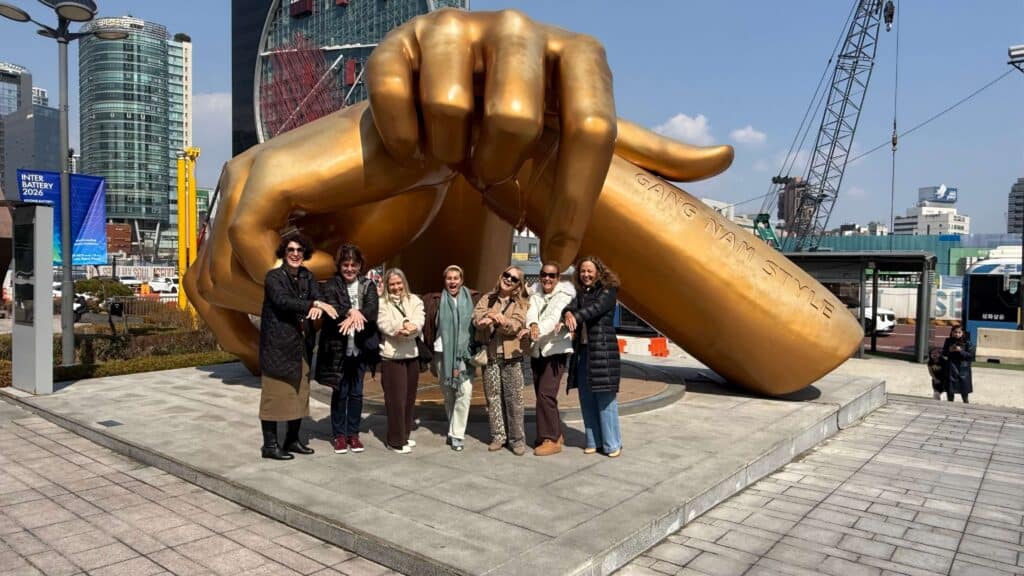
Day 4 is for the Seoul that lives beyond the palaces and the tourist trail. Start in Gangnam — the upscale southern district made internationally famous by a certain song, but genuinely worth a visit for its wide boulevards, high-end shopping, and the extraordinary Starfield Library inside COEX Mall (floor-to-ceiling bookshelves in an underground atrium — it’s as dramatic as it sounds). Nearby, Bongeunsa Temple sits right in the middle of the Gangnam skyline — a 1,000-year-old Buddhist temple surrounded by glass towers, and somehow even more beautiful for the contrast.
After lunch, cross to Seongsu — Seoul’s answer to Brooklyn. This former industrial district has transformed into the city’s hippest creative neighbourhood, full of concept stores, specialty coffee shops, art spaces, and some of the most Instagrammable interiors you’ll ever walk into. Walk along the main shopping street, stop at a café, and spend the afternoon at whatever pace feels right.
If you have time and energy, the small traditional alley neighbourhood of Ikseon-dong (on your way back north) is lovely in the early evening — narrow lanes, old hanok buildings converted into wine bars and tiny restaurants, and a genuinely romantic atmosphere after dark.
Day 5: Changdeokgung Palace, the Secret Garden & Hongdae
One last palace, one last neighbourhood — and send-off noodles.
Save Changdeokgung Palace and its famous Secret Garden (Huwon) for your last full day. This is a UNESCO World Heritage Site and, many would argue, even more beautiful than Gyeongbokgung. The palace itself is exquisite, but the Secret Garden is the real draw — 78 acres of landscaped royal garden with pavilions, lotus ponds, and ancient trees. You must join a guided tour to enter the Secret Garden, and it’s absolutely worth booking ahead.
Book Changdeokgung Palace and Secret Garden guided tour in advance, slots fill quickly
After the palace, take the subway to Hongdae for your last afternoon. This is Seoul’s university district — young, creative, and buzzing with energy. Street performers, independent boutiques, quirky cafés, and at weekends, K-pop fan busking outside the subway exits. It’s the best neighbourhood in Seoul for an afternoon of wandering without a fixed plan.
Have your farewell dinner here — Korean fried chicken and a cold Hite or Cass beer at a casual chicken restaurant (chimaek — chicken and maekju/beer — is a genuine Seoul institution), or find a pojangmacha (street tent bar) for soju and skewers under the fairy lights.
You’ve earned it.
Practical Tips for Your Seoul Trip
Where to stay: Myeongdong for first-timers (central, great transport links, fabulous street food on your doorstep). Insadong for a slightly quieter base near the palaces and traditional culture. Hongdae if you want a youthful, creative vibe.
Getting to the city from Incheon: The AREX Airport Express runs directly to Seoul Station in around 43 minutes. A T-Money card gets you on seamlessly. Limousine buses also run to Myeongdong and other central areas. Book your Private airport transfer before you arrive to ensure it is hassle free.
Apps to download: Naver Map (better than Google Maps for walking directions in Seoul), Kakao T (for taxis), Papago (translation), and the official T-Money app.
Tipping: Not expected or practised in South Korea. No need.
Shoes: Comfortable ones. Seoul involves a lot of walking and a lot of stairs. This is not the trip for new heels.
5 Frequently Asked Questions About Visiting Seoul
Do I need a visa to visit South Korea in 2026? Most visitors from the UK, US, Australia, Canada, Singapore, and most of Europe don’t need a visa for stays up to 90 days. The K-ETA requirement is currently waived until 31 December 2026 for citizens of 67 countries. You will need to complete the free e-Arrival Card online before you fly — don’t skip this. Check requirements closer to your travel date as these policies can change.
Is Seoul easy to get around without speaking Korean? Very much so. The subway system has full English signage and announcements. Naver Map works brilliantly for walking and transit directions. Many restaurant menus have photos or English translations, and younger Seoulites especially are happy to help. Download Papago for translation — it’s better than Google Translate for Korean.
Is Seoul safe for solo female travellers? Seoul consistently ranks among the safest cities in the world, including for solo female travellers. The streets are well-lit, the subway runs late, and CCTV is extensive. Use your common sense as you would anywhere, but there’s no need for excessive caution here.
What’s the best time of year to visit Seoul? Spring (late March to May) is spectacular for cherry blossoms and mild weather. Autumn (September to November) brings beautiful foliage and comfortable temperatures. Summer is hot and humid. Winter is cold but atmospheric, with Christmas markets and fewer crowds. I’d avoid the school holiday peaks in July and August if possible.
Can I do a day trip from Seoul? Absolutely. The Suwon Hwaseong Fortress is about 30 minutes by train and makes an excellent half-day trip. Nami Island is popular and beautiful, especially in autumn. Jeonju (famous for traditional hanok and bibimbap) is a couple of hours by KTX high-speed train and well worth an overnight. The DMZ and JSA (Demilitarised Zone) tours from Seoul are also significant and thought-provoking.
Affiliate Disclosure: This post contains affiliate links. If you book through them, I may earn a small commission at no extra cost to you — this helps me keep creating free, detailed travel guides. I only recommend services and products I genuinely use and trust after years of travel across Asia.
Read More
- A Day Trip to the DMZ from Seoul — What to Expect and Why You Should Go
- 5 Days in Seoul: The Perfect Itinerary for First-Timers (and Those Who Just Can’t Get Enough)
- Where to Stay in Seoul: The Best Areas (So You Don’t Waste a Single Day)
- 10 Best Things to Do in Seoul (What’s Actually Worth Your Time)
- Incline Village Cabin Rentals, Nevada: Honest Travel Tips, Best Picks & What to Expect
Follow along on Instagram where I share real-time travel updates, behind-the-scenes moments, and travel tips and recommendations.
Join the Truly Expat Facebook community — a supportive space for travellers to ask questions, share tips, and connect before trips.
Running this blog takes a lot of coffee (and countless hours exploring every destination!). If you found this helpful and want to support more honest, detailed travel guides and itineraries, you can buy me a coffee. No pressure though – I’m just happy you’re here and hope you have an incredible adventure! 🙂

Pin It For later