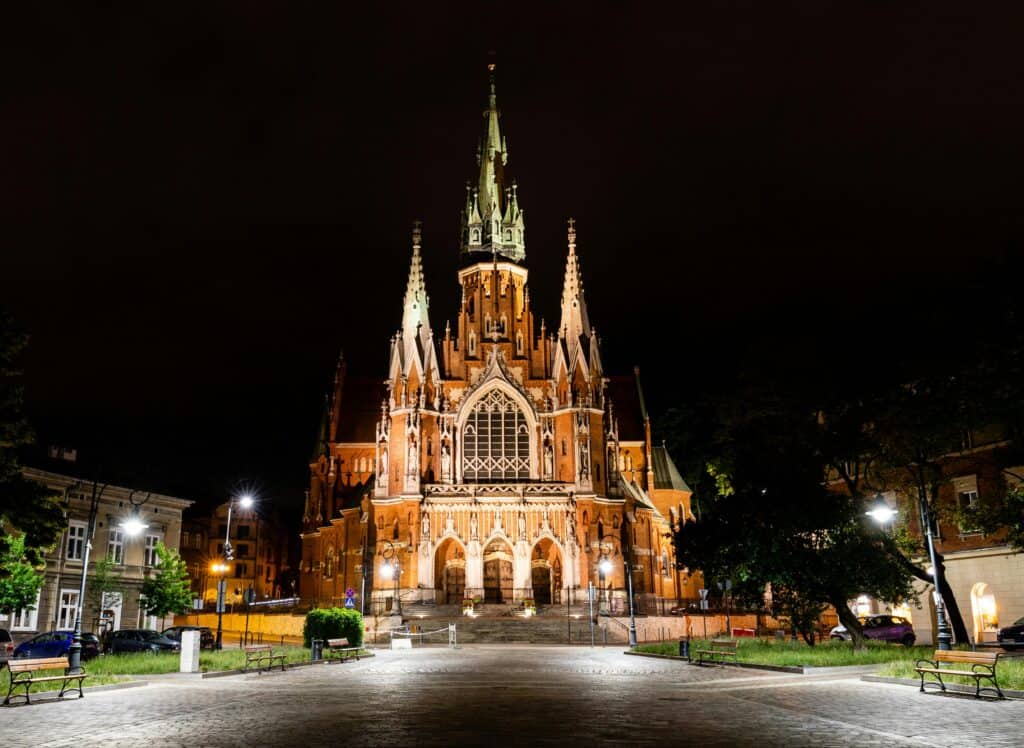
Five days in Kraków is the sweet spot. It’s enough time to properly absorb this city — the beauty of the Old Town, the weight of its wartime history, the unexpected charm of the Jewish Quarter, and one genuinely jaw-dropping underground cathedral made entirely of salt. This itinerary is designed so you’re not rushing, not overwhelmed, and not spending every evening wondering what you missed. Let me walk you through it day by day.
Day 1: Old Town, Wawel Castle & Getting Your Bearings
Table of Contents
Start slowly. This city rewards it.
Your first day is about falling in love with Kraków at your own pace. Begin with a proper Polish breakfast near the Main Market Square (Rynek Główny) — look for places serving jajecznica (scrambled eggs with kielbasa) and good coffee. You’re not in a rush.
Morning: Wawel Royal Castle & Cathedral
Head to Wawel Hill first thing, before the crowds arrive. The castle complex is where Polish kings lived and ruled for centuries, and it’s as impressive as it sounds — grand state rooms, royal private apartments, a stunning cathedral, and views over the Vistula River that make you want to linger.
The Cathedral is free to enter but pay for the underground crypt, where you’ll find the tombs of Polish kings, national heroes, and Pope John Paul II. It’s intimate, quiet, and genuinely moving.
Give yourself at least two hours here — more if you’re buying multiple tickets for the interior rooms.
Afternoon: Old Town & the Cloth Hall
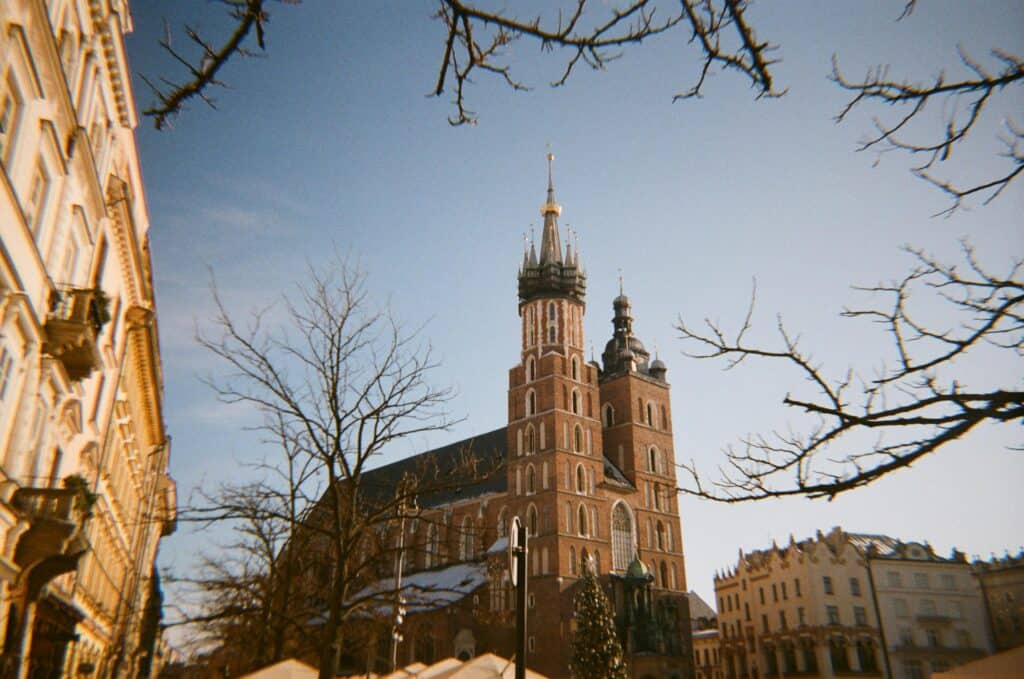
Walk back down into the Old Town and simply explore. The Main Market Square (Rynek Główny) is one of the largest medieval squares in Europe, and it’s beautiful from every angle. Pop inside St. Mary’s Basilica — don’t miss the famous altarpiece by Veit Stoss — and time your visit to hear the hourly trumpet call from the tower.
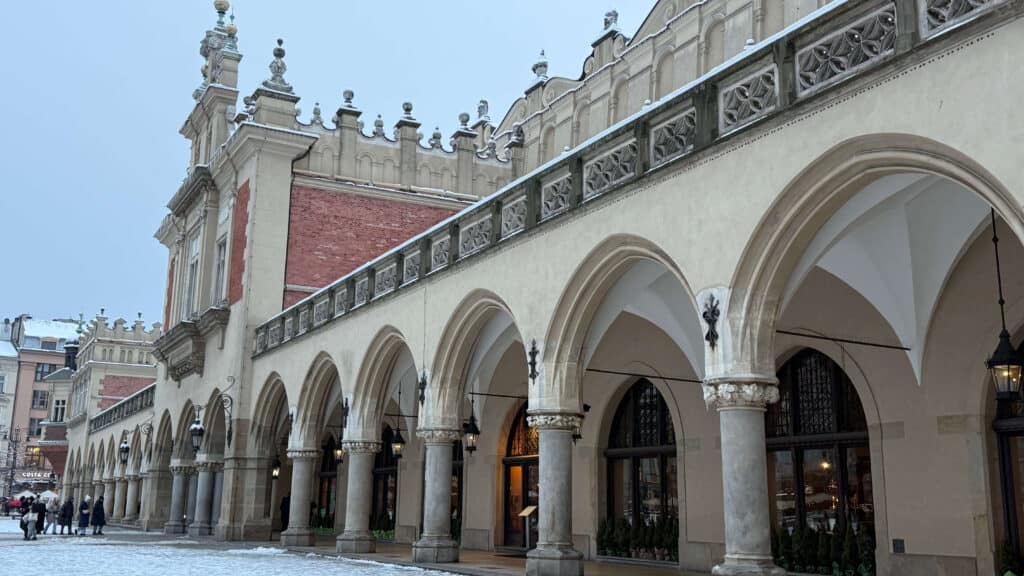
Wander through the Cloth Hall (Sukiennice) in the middle of the square. It’s a good spot for Polish amber jewellery, linen goods, and folk craft souvenirs — quality is decent and prices are fair if you take your time.
Evening: Dinner in the Old Town
For your first dinner, sit somewhere just off the main square — one or two streets back where the prices drop and the atmosphere gets more local. Try żurek (sour rye soup in a bread bowl) and pierogi. You’ll be ordering them again before the week is out.
Day 2: Schindler’s Factory, the Kraków Ghetto & Kazimierz Jewish Quarter
The most emotionally rich day of your trip — and one of the most important.
Block this day for history. Not just any history — the specific, personal, human story of what happened to Kraków’s Jewish community during World War II. It is heavy. It is essential. And Kraków tells this story extraordinarily well.
Morning: Schindler’s Factory Museum
Start at Oskar Schindler’s Enamel Factory (Fabryka Emalia Oskara Schindlera) in the Zabłocie district. This is not a museum about the film — it’s a profoundly well-constructed exhibition about the German occupation of Kraków between 1939 and 1945, told through photographs, personal testimony, objects, and immersive reconstructed scenes.
Walk slowly. Read everything. I went in expecting to spend an hour and stayed for nearly three.
Book tickets in advance — this one sells out, especially between April and October.
Late Morning: The Kraków Ghetto — Plac Bohaterów Getta & the Eagle Pharmacy
From Schindler’s, it’s a short walk or taxi to Plac Bohaterów Getta (Ghetto Heroes Square) in the Podgórze district. This was the main assembly point during the liquidation of the Kraków Ghetto, where thousands of Jewish residents were gathered for deportation.
Today the square is marked by 33 oversized metal chairs — each representing 1,000 victims. There’s no big sign explaining what to feel. You won’t need one.
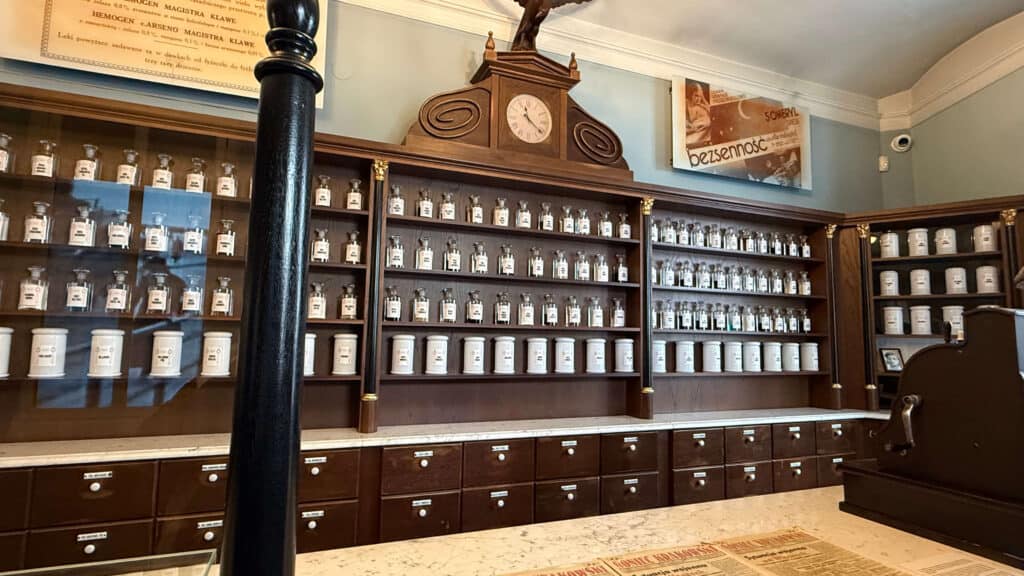
Right on the corner of the square, step inside the Eagle Pharmacy (Apteka pod Orłem). During the occupation, it was the only pharmacy permitted to operate inside the Ghetto, and its owner Tadeusz Pankiewicz used it as a place of quiet resistance — providing medicines, hiding valuables, and offering refuge. It’s now a small museum, and it is one of the most affecting places I visited in all of Poland. Combine the two (as we did) and have a guided tour of both places that also incorporates the ticket to the Pharmacy (Pharmacy is closed on Monday and Tuesday, but you have 7 days to use the ticket).
Afternoon: Kazimierz Jewish Quarter
Make your way to Kazimierz — Kraków’s historic Jewish district — for the afternoon. This is a neighbourhood with extraordinary layers: centuries of Jewish heritage, the scars of the Holocaust, and today a lively, artsy community of cafés, galleries, street art, and synagogues.
Start at the Old Synagogue (the oldest surviving synagogue in Poland, now a museum), then wander ul. Szeroka and the surrounding streets. Stop at the Remuh Synagogue and its cemetery — one of the oldest Jewish cemeteries in Europe.
A guided walking tour here (or there are many tour guides offering tours via golf buggy) is genuinely worth it. The stories your guide shares in Kazimierz are the difference between walking around and actually understanding what you’re seeing.
Evening: Dinner in Kazimierz
Stay in the neighbourhood for dinner. Kazimierz has a fantastic food and bar scene — a great mix of traditional Jewish-style cooking and modern Polish cuisine. It’s more relaxed and less touristy than the Old Town in the evenings, and the atmosphere here is something special. Try Bistro Bazaar a vin (make sure you order the soup, it was delicious!)
Day 3: Auschwitz-Birkenau — A Full Day
Give it the full day. Don’t rush this.
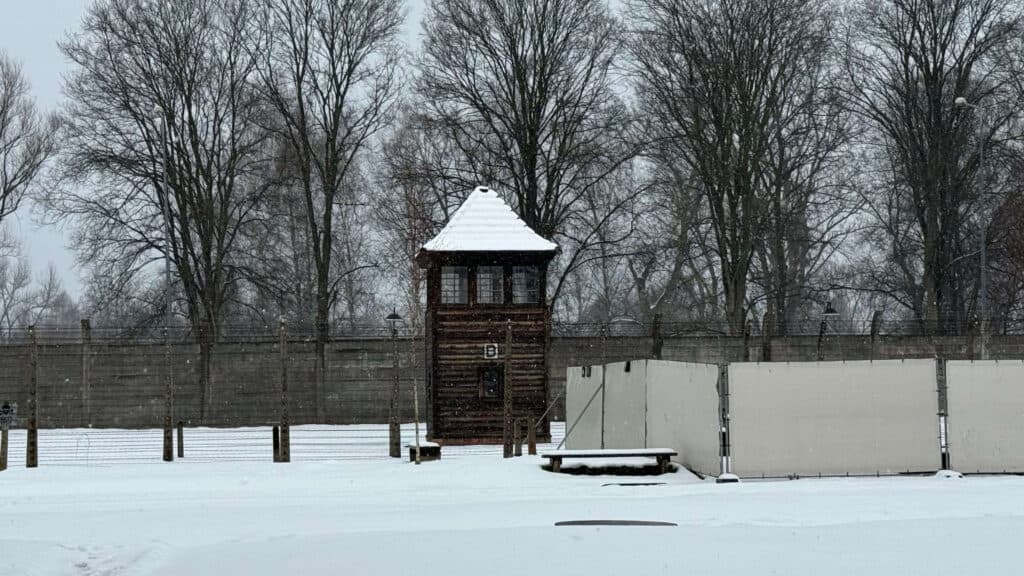
This is, without question, the most important day of your trip — and one of the most significant things you can do as a traveller in Europe. Auschwitz-Birkenau is not a box to tick. It is a place that demands your full attention, your time, and your silence.
Getting There
Auschwitz is about 70 km from Kraków — roughly 90 minutes by organised transfer or a little over an hour by train. The easiest and most recommended option is a guided day trip with transport included, which takes care of logistics and — crucially — provides the historical context that transforms this from a walk around a site into something you carry with you for life.
What to Expect
You’ll visit both Auschwitz I (the main camp, where the infamous “Arbeit Macht Frei” gate stands) and Auschwitz II-Birkenau, the much larger extermination camp about 3 km away. Together they take a full day.
Wear comfortable shoes. Dress in layers — it can be cold, even in summer. Bring water. And give yourself time afterwards. Many people need a quiet hour before heading back to the city.
Entry to Auschwitz is free but timed entry slots must be booked online well in advance. A guided tour usually includes priority access.
Evening: Rest and Reflect
Come back to Kraków, have a quiet dinner somewhere simple, and give yourself the evening. This is not a day that needs a packed schedule after 6pm.
Day 4: Wieliczka Salt Mine — Underground Wonder
Something extraordinary beneath your feet.
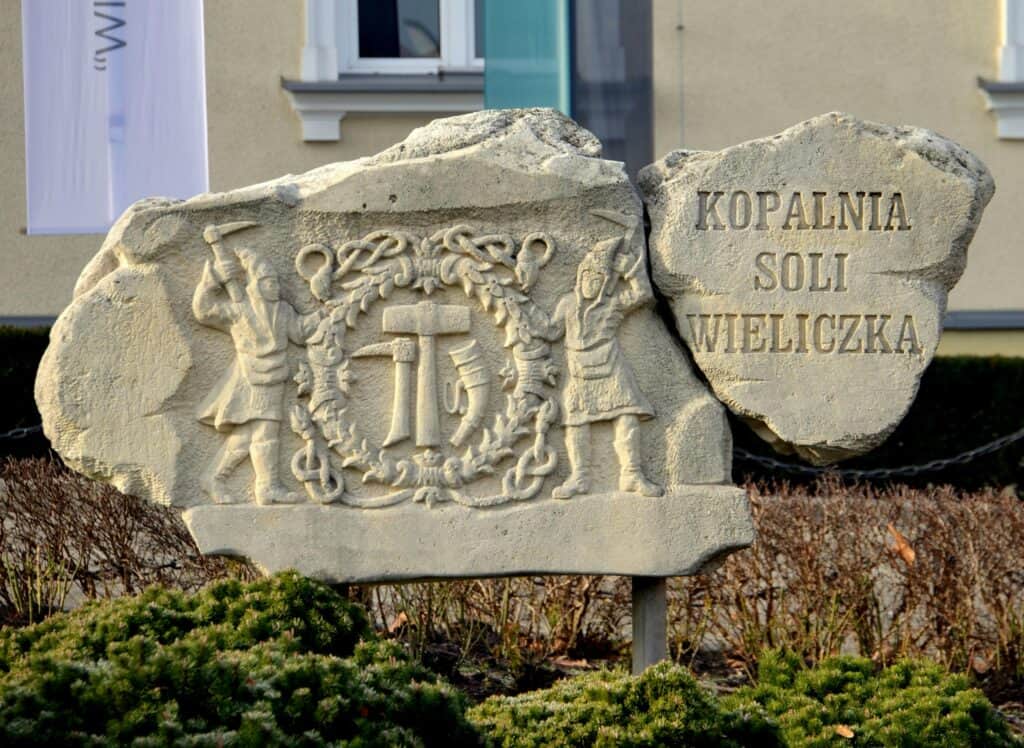
After the intensity of Day 3, Day 4 offers something almost otherworldly — in the best possible way. The Wieliczka Salt Mine, about 14 km southeast of Kraków, is a UNESCO World Heritage Site and one of the most genuinely remarkable places I’ve been in my years of travelling.
What’s Down There
The mine has been in continuous operation since the 13th century. Over the centuries, miners carved chapels, sculptures, bas-reliefs, and entire rooms from the salt rock — and the results are extraordinary. The centrepiece is the Chapel of St. Kinga, a cathedral-sized underground church with chandeliers made from salt crystals, an altar carved from salt, and incredible carved reliefs covering the walls. It is breathtaking.
The standard tourist route takes about two to three hours and descends to a depth of around 135 metres. It’s well-lit, well-guided, and entirely worth the trip.
Getting There
Organised tours from Kraków include transport and are the easiest option. Alternatively, you can take a local bus or minibus from near the main train station — it’s cheap and runs frequently.
Afternoon: Back to Kraków — Relax and Explore
You’ll likely be back in Kraków by mid-afternoon, which leaves time to revisit anywhere you loved, explore a neighbourhood you missed, or simply sit in the Main Market Square with a coffee and watch the world go by. After three big days, this is well earned.
Evening: A Proper Polish Dinner
Tonight, go properly local. Find a milk bar (bar mleczny) for an early, filling meal — these canteen-style spots serve traditional Polish food at honest prices, and they’re exactly where the locals eat. Then find a bar in Kazimierz for the evening — the neighbourhood has a lovely, unhurried energy after dark.
Day 5: A Free Day — Your Kraków, Your Way
No agenda. Just enjoy it.
Day 5 is intentionally open. By now you know what you love about Kraków, and a free day lets you go back to it. Some ideas depending on your mood:
If you haven’t done it yet, climb the St. Mary’s Basilica tower for views over the square. The Czartoryski Museum houses one of the most important art collections in Poland, including Leonardo da Vinci’s Lady with an Ermine — a genuine masterpiece, and well worth a couple of hours. If the weather is good, walk the Planty — the ring of parkland around the Old Town — and find a bench in the sunshine.
Or do absolutely nothing productive at all. Eat pierogi. Drink good coffee. Buy amber for someone you love. Kraków is a wonderful city to simply exist in. Try Restauracja Morsie Oko, a traditional restaurant with delicious food, live traditional folk music and a great atmosphere.
5 Frequently Asked Questions About Visiting Kraków
Is 5 days enough for Kraków and the surrounding area? It’s a very comfortable amount of time. You’ll cover the key sites without feeling rushed, and have space for a free day at the end. If you’re tight on time, four days works too — but you’d lose the breathing room.
What should I wear to Auschwitz? Comfortable, weather-appropriate clothing and good walking shoes. Shoulders and knees should be covered when entering religious spaces. Bring a layer regardless of the season — the site involves a lot of outdoor walking.
Can I do the Salt Mine and Auschwitz on the same day? I’d strongly advise against it. Both deserve your full attention, and emotionally, Auschwitz needs its own day. Trying to combine them would mean rushing both.
Is Kraków suitable for older or less mobile travellers? Largely yes. The Old Town is flat and walkable. The Salt Mine involves a lot of stairs descending underground (though there is a lift for part of it — worth checking at time of booking). Wawel Castle has some uneven terrain. Auschwitz involves substantial walking across two sites.
Do I need to speak Polish? Not at all. English is widely spoken in hotels, restaurants, museums, and tour services throughout central Kraków. That said, learning a few words — dziękuję (thank you), proszę (please) — always goes down well.
Follow along on Instagram where I share real-time travel updates, behind-the-scenes moments, and travel tips and recommendations.
Join the Truly Expat Facebook community — a supportive space for travellers to ask questions, share tips, and connect before trips.
Affiliate Disclosure: This post contains affiliate links. If you book through them, I may earn a small commission at no extra cost to you — this helps me keep creating free, detailed travel guides. I only recommend services and products I genuinely use and trust after years of travel across Europe and Asia.
Running this blog takes a lot of coffee (and countless hours exploring every destination!). If you found this helpful and want to support more honest, detailed travel guides and itineraries, you can buy me a coffee. No pressure though – I’m just happy you’re here and hope you have an incredible adventure! 🙂
So 19 years ago, my husband and I set off with our little family in tow, embarking on a short-term assignment in Taiwan. Although without any knowledge of expat life or the Taiwanese culture, we took the chance and decided this would be an exciting little adventure; little did we know it changed the direction of our lives forever.